Menu

Winterizing Your HVAC System in Washington, D.C. – Protect Your Equipment Before Mid-Atlantic Freeze-Thaw Cycles Hit

Comprehensive heating system winterization that addresses the District's unique seasonal challenges, from Potomac humidity swings to basement condensation issues common in Georgetown and Capitol Hill rowhouses.

Slider Image 1
Slider Image 2
Slider Image 3
Slider Image 4
Slider Image 5
Slider Image 7
Slider Image 8
Slider Image 9
Slider Image 10
Slider Image 11

Why Washington, D.C.'s Climate Demands Proactive Winter HVAC Preparation

Washington, D.C. sits in a transitional climate zone where winter brings unpredictable temperature swings that stress heating systems harder than steady cold. One day hits 55 degrees, the next drops to 22. These freeze-thaw cycles force your furnace to work overtime, cycling on and off repeatedly instead of maintaining steady operation.

The District's proximity to the Potomac and Anacostia rivers adds atmospheric moisture that infiltrates ductwork and creates condensation problems in older homes, particularly in neighborhoods like Foggy Bottom and Navy Yard where buildings date back a century. When humid air meets cold metal ducts during rapid temperature drops, you get moisture accumulation that corrodes components and breeds mold.

Getting your heating system ready for winter means addressing these specific challenges before the first hard freeze. Preparing your HVAC for winter in this region requires more than changing filters. You need to verify your heat exchanger can handle rapid thermal expansion and contraction. You need to confirm your condensate drain line won't freeze when temperatures plummet overnight.

Most District residents discover heating problems on the coldest night of January when their system fails at 2 AM. By then, you face emergency service rates and potential damage from frozen pipes. Proper winter HVAC preparation eliminates these risks. You identify weak points during moderate weather when fixes cost less and technicians have open schedules. Your system operates efficiently instead of struggling through each cold snap, which cuts your utility bills and extends equipment life by years.

The difference between maintaining comfort and facing a winter crisis comes down to hvac winter maintenance completed before you actually need heat.

Why Washington, D.C.'s Climate Demands Proactive Winter HVAC Preparation
The Technical Process Behind Effective Heating System Winterization

The Technical Process Behind Effective Heating System Winterization

Winter hvac preparation requires methodical inspection of every component that affects heating performance and system reliability. We start with combustion analysis on gas furnaces, measuring oxygen levels, carbon monoxide output, and flame characteristics. This reveals whether your burners fire cleanly or if carbon buildup restricts airflow and creates dangerous exhaust conditions.

Heat exchanger inspection comes next. We check for cracks, corrosion, and metal fatigue that develop from repeated heating cycles. A compromised heat exchanger allows combustion gases to mix with your home's air supply, creating a serious safety hazard. In older District homes with original equipment, this step often reveals problems before they become emergencies.

For heat pumps, common in newer District construction, we verify refrigerant charge and defrost cycle operation. Heat pumps extract warmth from outside air, which becomes less efficient as temperatures drop. Your defrost cycle prevents ice buildup on outdoor coils, but if the cycle timing is off, your system wastes energy or fails completely during cold snaps.

We test your thermostat's temperature differential and calibration accuracy. A thermostat reading two degrees high means your system shuts off before reaching actual comfort temperature, leaving you constantly adjusting settings. Duct inspection identifies air leaks that dump heated air into crawlspaces and attics instead of living areas. In rowhouses with shared walls, improper duct sealing means you heat your neighbor's space.

Blower motor amperage testing catches bearings wearing out before they seize completely. A failing blower makes noise for weeks before it quits, but most homeowners ignore the sound until the motor burns out. We measure actual electrical draw against manufacturer specifications to predict failure before it happens.

Filter condition affects everything else. A clogged filter creates negative pressure that cracks heat exchangers and overworks blower motors.

How Winter HVAC Preparation Protects Your Home

Winterizing Your HVAC System in Washington, D.C. – Protect Your Equipment Before Mid-Atlantic Freeze-Thaw Cycles Hit
01

Initial System Diagnostics

We run your heating system through multiple cycles while monitoring temperature rise, airflow velocity, and electrical characteristics. This baseline testing reveals how your equipment actually performs versus how it should perform. We document static pressure across your duct system, checking for restrictions that force your blower to work harder. Infrared scanning identifies hot spots in electrical connections that indicate loose wiring or failing contactors before they cause system shutdown.
02

Component Inspection and Adjustment

Every moving part gets cleaned, lubricated, and tested. We adjust gas valve pressure to manufacturer specifications, ensuring complete combustion without wasting fuel. Blower wheels get cleaned of accumulated dust that reduces airflow and creates noise. We check flame sensors and limit switches that shut down your system if unsafe conditions develop. Condensate pumps and drain lines get flushed to prevent freeze-related blockages that cause water backup and equipment damage.
03

Performance Verification and Documentation

After adjustments, we retest everything to confirm your system delivers rated capacity and efficiency. You receive a detailed report showing before and after measurements, replacement recommendations with priority rankings, and expected equipment lifespan based on current condition. This documentation helps you budget for future repairs and proves system reliability if you sell your home. We verify your system can maintain 70-degree indoor temperature even when outside air hits 15 degrees.

Why District Residents Choose Local Expertise for HVAC Winter Maintenance

Washington, D.C. building stock ranges from 1890s Victorian rowhouses to modern high-rise condos, each with distinct HVAC challenges. Patriot HVAC Washington DC understands how boiler systems in Columbia Heights brownstones differ from forced-air furnaces in Chevy Chase split-levels. We know which Capitol Hill basements flood during heavy rain and how that affects your mechanical systems.

District building codes require specific venting configurations for gas appliances, particularly in attached housing where shared walls complicate exhaust routing. Technicians unfamiliar with local requirements sometimes suggest repairs that violate code, creating liability and safety issues. We stay current with DC Department of Consumer and Regulatory Affairs requirements, ensuring every modification meets municipal standards.

Your HVAC system interacts with your home's unique characteristics. Homes near Rock Creek Park face higher humidity than properties on higher ground in Cleveland Park. Basement systems in Dupont Circle deal with groundwater intrusion that corrodes components faster than equipment in elevated installations. We factor these location-specific issues into maintenance recommendations instead of applying generic checklists.

Our technicians recognize equipment common to this region. We stock parts for Carrier, Trane, and Lennox systems popular in District homes, which means faster repairs without waiting for special orders. We understand how the Washington Gas infrastructure affects appliance performance and can troubleshoot pressure regulation issues that confuse technicians from other markets.

Long-term relationships with local suppliers and inspectors streamline service. When you need emergency repairs during a winter storm, we have priority access to parts and can expedite permit approvals through established professional networks. You get faster resolution because we operate within the local commercial ecosystem.

Experience with District architecture matters when routing new ductwork or replacing equipment in tight mechanical rooms common to older construction.

What You Get with Professional Winter HVAC Service

Service Timeline and Availability

Standard winterization appointments take 90 minutes to two hours depending on your system type and home size. We schedule fall services between late September and early November, before cold weather creates appointment backlogs. You get a specific arrival window, not all-day waits. If inspection reveals repairs needed, we provide written estimates before proceeding with any work beyond basic maintenance. Emergency heating failures receive same-day response when you call before 3 PM, with evening and weekend availability throughout winter. We keep trucks stocked with common repair parts to complete most fixes in a single visit.

Comprehensive System Assessment

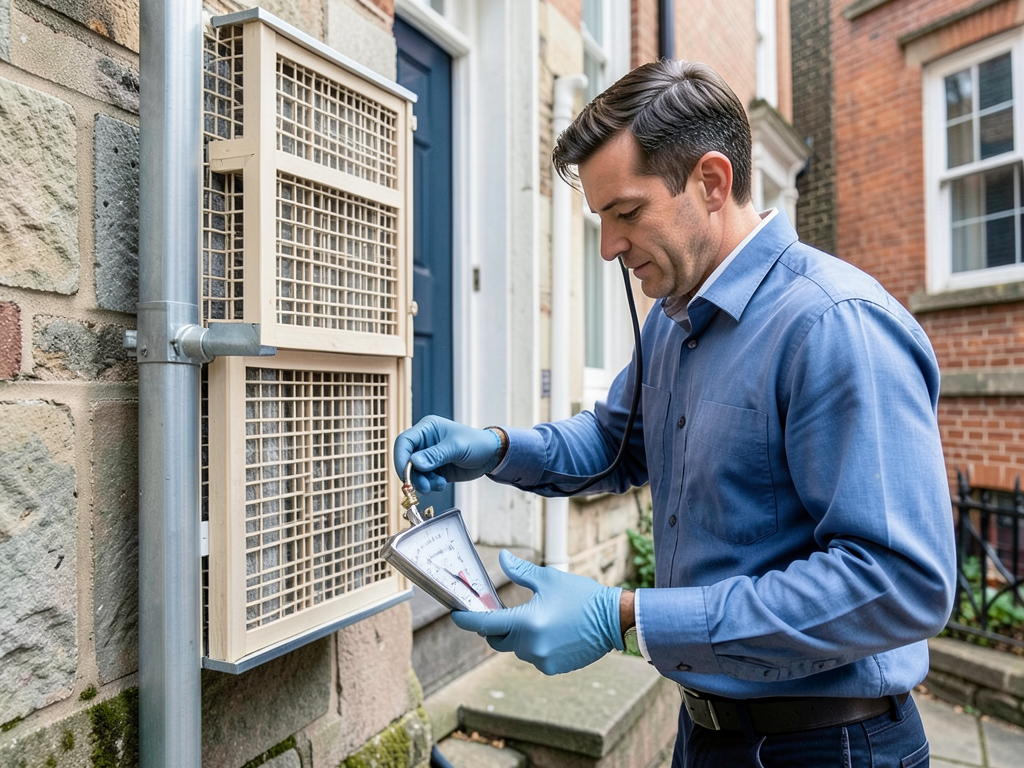
Your technician arrives with diagnostic tools including combustion analyzers, manometers for measuring gas pressure, multimeters for electrical testing, and infrared cameras for detecting heat loss. We test every safety control, measure actual system output against rated capacity, and check refrigerant charge on heat pumps. You receive a written report detailing current system condition, efficiency measurements, and prioritized recommendations for repairs or upgrades. We photograph any problem areas so you see exactly what we found. This documentation helps you make informed decisions about repair versus replacement and provides baseline data for tracking system performance over time.

Guaranteed Performance Standards

After winter preparation service, your heating system should deliver consistent temperature throughout your home without unusual noises, odors, or cycling problems. We verify your system achieves manufacturer-specified temperature rise across the heat exchanger and maintains proper airflow through all registers. If you experience heating issues within 30 days of service related to items we inspected, we return at no additional diagnostic charge to resolve the problem. All replacement parts come with manufacturer warranties, and our labor carries a satisfaction guarantee. You should notice lower utility bills compared to previous winters if your system was operating inefficiently before service.

Ongoing Maintenance and Support

Optimal HVAC performance requires attention twice yearly, with heating preparation in fall and cooling system service in spring. We offer maintenance agreements that include priority scheduling, discounted service rates, and automatic appointment reminders so you never miss seasonal preparation. Members receive extended warranties on parts and labor, plus waived diagnostic fees on repairs. Between scheduled visits, you get phone support for troubleshooting minor issues like thermostat programming or air filter selection. We track your equipment history, service dates, and parts replacements in our system, which helps us predict problems and recommend timely upgrades before emergency failures occur.

Frequently Asked Questions

You Have Questions,
We Have Answers

How to winterize a HVAC system? +

Start by replacing your air filter and cleaning vents to improve airflow. Inspect your furnace for visible damage or rust. Test the thermostat by switching to heat mode and confirming the system responds. Check the outdoor unit and remove leaves, branches, or debris. In Washington, D.C., the humid summer and cold winter cycle stresses systems, so inspect the condensate drain line for clogs. Seal ductwork leaks with mastic sealant to prevent heat loss. Schedule a professional tune-up to check gas connections, heat exchangers, and carbon monoxide levels before temperatures drop.

What is the $5000 rule for HVAC? +

The $5000 rule is a decision tool for aging HVAC systems. Multiply the repair cost by the system's age. If the total exceeds $5000, replacement is often more cost-effective than repair. For example, a $400 repair on a 10-year-old unit equals $4000, so repair makes sense. A $600 repair on a 12-year-old system equals $7200, signaling replacement. In Washington, D.C., where winter heating demands are high and humidity stresses units year-round, this rule helps you avoid repeated failures on older equipment nearing the end of its lifespan.

What is the 3 minute rule for AC? +

The 3-minute rule prevents compressor damage. After your air conditioner shuts off, wait at least three minutes before restarting it. This delay allows refrigerant pressure to equalize between the high and low sides of the system. Restarting too quickly forces the compressor to work against unbalanced pressure, causing excessive wear or electrical failure. This is common during power outages or thermostat adjustments. In Washington, D.C., where summer storms can cause brief outages, respecting this cooldown period protects your compressor from premature failure and extends equipment life.

Is it okay to spray water on your air conditioner? +

Yes, you can spray water on your outdoor condenser coils to remove dirt, pollen, and debris. Use a garden hose with gentle pressure, spraying from the inside out to push contaminants away from the fins. Avoid pressure washers, which bend the delicate aluminum fins and reduce airflow. In Washington, D.C., high pollen counts in spring and humidity in summer promote mold growth on coils, reducing efficiency. Turn off power at the disconnect box before spraying. Clean coils improve heat transfer and lower energy costs, particularly during the humid months when your system works harder.

How to prepare your HVAC for winter? +

Replace the air filter and inspect the furnace for cracks or rust. Test the thermostat by switching to heat mode. Clean the outdoor unit by removing leaves and debris that accumulated during fall. Check the condensate drain line for blockages caused by algae or mold. In Washington, D.C., freeze-thaw cycles can damage outdoor units, so inspect the pad for levelness. Seal ductwork leaks to prevent heated air loss in your crawlspace or attic. Schedule a professional inspection to test gas connections, heat exchangers, and carbon monoxide detectors before the first cold snap.

Is 72 too high for heat in winter? +

No, 72 degrees is not too high for winter heating. The Department of Energy recommends 68 degrees for energy savings, but comfort varies by household. In Washington, D.C., where winter temperatures drop into the 20s and homes often have poor insulation, 72 degrees may feel necessary. Each degree above 68 increases heating costs by about 3 percent. If you prefer 72, improve efficiency by sealing air leaks around windows and doors, adding insulation to attics, and using a programmable thermostat to lower temperatures when you sleep or leave home.

What is the average lifespan of an HVAC system? +

The average HVAC system lasts 15 to 20 years with proper maintenance. Furnaces tend to last 15 to 20 years, while air conditioners last 10 to 15 years. In Washington, D.C., the humid summers and cold winters stress systems year-round, shortening lifespan without regular tune-ups. Units installed in the early 2000s are nearing replacement age. Factors like skipped maintenance, dirty filters, and oversized or undersized equipment reduce longevity. If your system is over 15 years old and requires frequent repairs, replacement is often more cost-effective than continued fixes.

What HVAC qualifies for tax credit 2025? +

For 2025, heat pumps and central air conditioners meeting ENERGY STAR efficiency standards qualify for federal tax credits up to $2000. Furnaces and boilers must meet specific AFUE ratings to qualify. Ductless mini-splits and geothermal systems also qualify. In Washington, D.C., upgrading to a high-efficiency heat pump reduces both heating and cooling costs year-round. Check the manufacturer's certification to confirm eligibility before purchasing. You must install the equipment in your primary residence by December 31, 2025. Consult a tax professional to confirm your specific situation qualifies under current IRS guidelines.

Does keeping the AC at 72 save money? +

No, keeping the AC at 72 degrees does not save money. Lower thermostat settings reduce energy use. The Department of Energy recommends 78 degrees when you are home and higher when you are away. In Washington, D.C., where summer humidity makes 78 feel warmer, use ceiling fans to improve comfort without lowering the thermostat. Each degree below 78 increases cooling costs by about 3 percent. A programmable thermostat helps by raising temperatures automatically when you leave, cutting costs without sacrificing comfort when you return home.

How cool should my house be if it's 100 outside? +

When outdoor temperatures reach 100 degrees, your home should stay around 78 to 80 degrees. Most air conditioners can cool 15 to 20 degrees below outdoor temperatures. Expecting 70 degrees inside when it is 100 outside overworks your system, causing compressor failure. In Washington, D.C., extreme heat waves stress aging units, particularly those over 10 years old. Close blinds on south-facing windows to reduce solar heat gain. Use ceiling fans to improve air circulation. If your home cannot reach 80 degrees, your system may be undersized or low on refrigerant.

How District Architecture and Climate Create Unique Heating System Demands

Washington, D.C.'s housing stock features narrow rowhouses with vertical HVAC configurations rarely seen in other cities. Your furnace sits in the basement pushing heated air up three or four stories through ductwork squeezed into walls built before central heating existed. This vertical run creates pressure imbalances that leave top floors cold while basements overheat. Winter preparation for these systems requires balancing dampers and verifying blower capacity handles the resistance from long vertical duct runs. The District's position between northern and southern climate zones means equipment must handle both prolonged cold snaps and mild winters where heating needs vary dramatically week to week.

Patriot HVAC Washington DC has maintained heating systems throughout District neighborhoods for years, building expertise in the specific challenges local homes present. We understand how Potomac moisture affects equipment life in Waterfront developments and why heating systems in Shaw rowhouses require different approaches than suburban installations. Our familiarity with historic district regulations ensures any equipment upgrades meet preservation requirements that protect your property's architectural character while improving performance. When your technician has serviced hundreds of homes in your specific neighborhood, they recognize problems faster and know which solutions actually work in District construction.
HVAC Services in The Washington DC Area

Easily locate Patriot HVAC and explore our service area on the map below. We are strategically positioned to provide prompt and efficient heating, ventilation, and air conditioning services across Washington D.C. and its neighboring communities. Whether you're seeking a quick repair or a new installation, our team is ready to serve your comfort needs.

Address:
Patriot HVAC Washington DC, 20 F St NW, Washington, DC, 20001

Additional Services We Offer

Our news updates

Latest Articles & News from The Blogs

Meeting Friendship Heights Noise Rules with the Quietest New AC Units on the Market Friendship Heights homeowners know the struggle.…

Meeting Friendship Heights Noise Rules with the Quietest New AC Units on the Market

Meeting Friendship Heights Noise Rules with the Quietest New AC Units on the Market Friendship Heights homeowners know the struggle.…

Finding the right HVAC contractor for your LeDroit Park historic renovation

Finding the right HVAC contractor for your LeDroit Park historic renovation \n\n LeDroit Park’s Victorian rowhouses built in the 1870s…

How a Whole-House Dehumidifier Can Make Your Marshall Heights Home Feel 10 Degrees Cooler

How a Whole-House Dehumidifier Can Make Your Marshall Heights Home Feel 10 Degrees Cooler Washington DC's swampy summers make your…

Contact Us

Avoid emergency breakdowns and high heating bills this winter. Call (771) 218-6322 now to book your heating system winterization. Our technicians are scheduling fall appointments throughout the District, and early service means you get your preferred time slot before the rush.