Menu

AC Blowing Warm Air in Washington, D.C. – Expert Diagnosis in Under 2 Hours

When your air conditioner blows hot air instead of cold, you need answers fast. Our technicians diagnose the exact cause of your AC blowing warm air and restore comfort to your Washington, D.C. home today.

Slider Image 1
Slider Image 2
Slider Image 3
Slider Image 4
Slider Image 5
Slider Image 7
Slider Image 8
Slider Image 9
Slider Image 10
Slider Image 11

Why Your AC Vents Are Blowing Hot Air in Washington, D.C.

You set your thermostat to 72 degrees. You hear the system running. But your central air is blowing warm air through every vent in your home.

This problem happens more frequently in Washington, D.C. than in most cities. The humid subtropical climate creates unique stress on air conditioning systems. From May through September, outdoor temperatures routinely exceed 90 degrees with humidity levels above 70 percent. Your compressor works overtime just to maintain comfortable indoor temperatures.

When your air conditioner is blowing hot air, the cause typically falls into one of five categories. A refrigerant leak means your system cannot absorb heat from your indoor air. A failed compressor cannot pressurize refrigerant properly. Frozen evaporator coils block airflow and prevent heat exchange. A malfunctioning reversing valve sends hot refrigerant to your indoor coils instead of your outdoor unit. Electrical failures prevent your outdoor unit from running while your indoor blower continues pushing uncooled air through your ductwork.

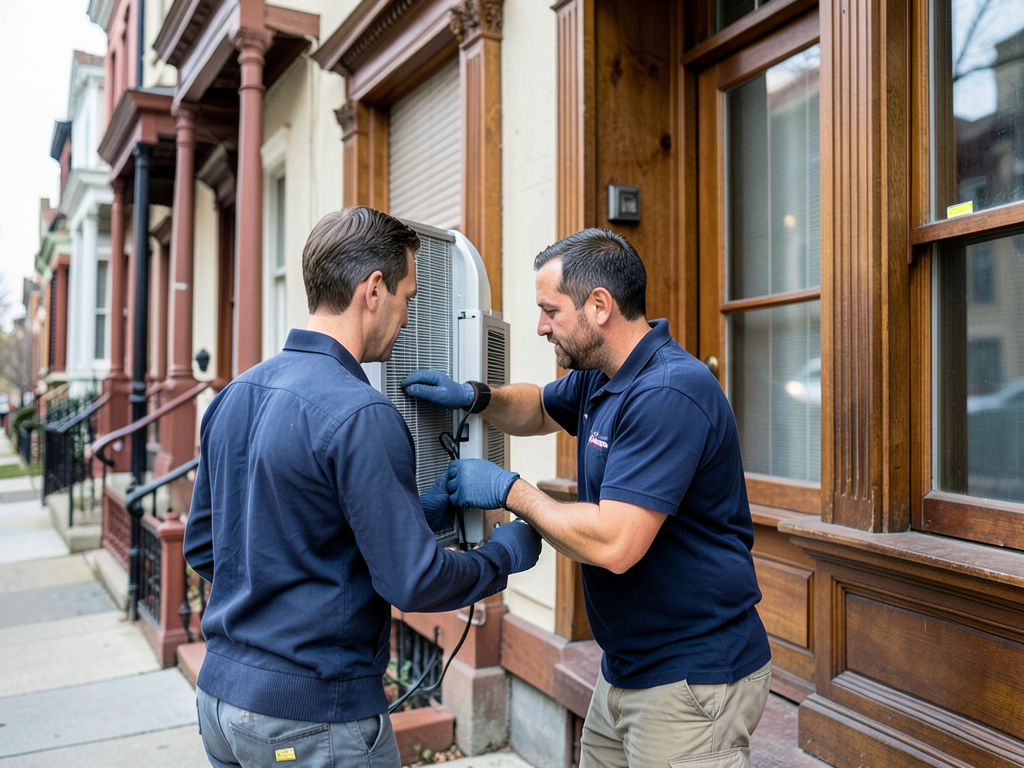
The problem compounds in older D.C. neighborhoods like Georgetown and Capitol Hill. Many row homes share wall space, which limits outdoor unit placement and restricts airflow around condensers. Poor airflow reduces efficiency and increases the likelihood of your AC running but not cooling.

The clay soil common throughout the District expands and contracts with moisture changes. This movement shifts concrete pads under outdoor units, creating refrigerant line stress and potential leaks. When your air conditioning is not blowing cold air after years of reliable service, a shifted condensing unit may be the hidden culprit.

Why Your AC Vents Are Blowing Hot Air in Washington, D.C.
How We Diagnose Why Your Central Air Is Blowing Warm Air

How We Diagnose Why Your Central Air Is Blowing Warm Air

Most companies guess at the problem and throw parts at your system. We use a systematic diagnostic protocol that identifies the actual failure point.

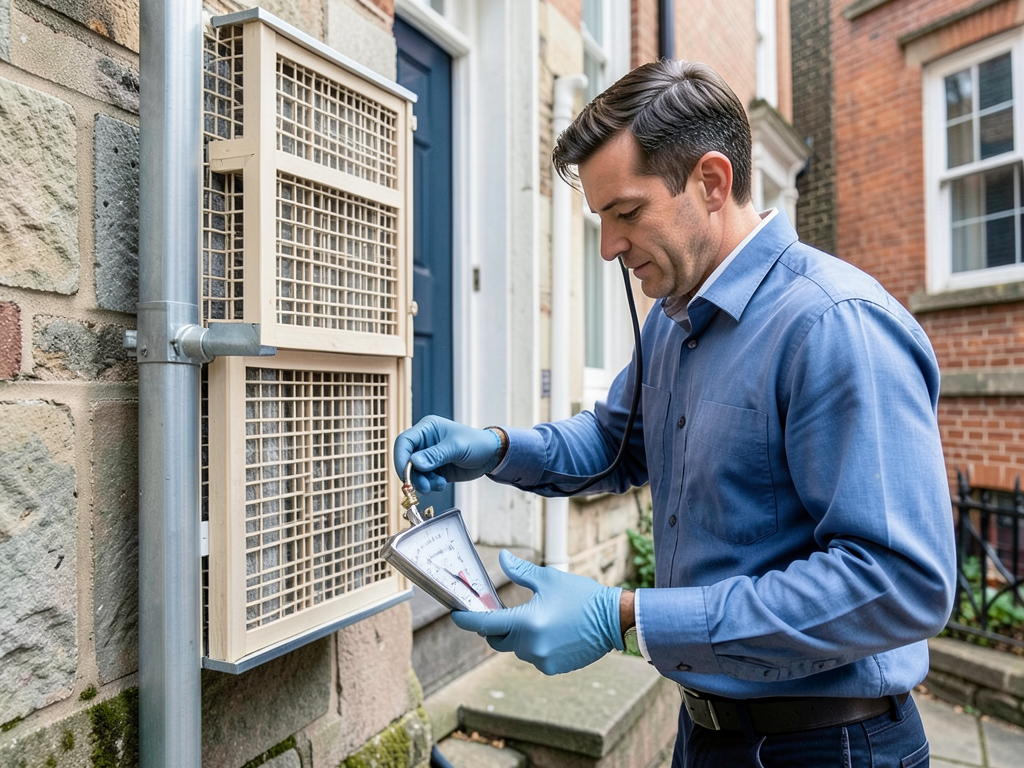
Our technicians arrive with manifold gauge sets, refrigerant leak detectors, digital multimeters, and infrared thermometers. We start by measuring supply and return air temperatures at your registers. A temperature differential below 15 degrees indicates a cooling problem. We then move to your outdoor unit and check compressor amperage draw. Low amperage suggests a failed compressor or electrical issue. High amperage indicates a restricted refrigerant system or failing compressor bearings.

We attach manifold gauges to your service ports and measure suction and discharge pressures. These readings tell us if your refrigerant charge is correct, if your compressor is pumping properly, and if your metering device is functioning. Low suction pressure combined with low superheat indicates a refrigerant restriction or undercharge. High suction pressure with low subcooling points to an overcharge or non-condensable gases in your system.

Next, we inspect your evaporator coil through your air handler access panel. Ice buildup confirms restricted airflow or low refrigerant charge. We check your filter, measure static pressure across your coil, and verify your blower motor is delivering proper CFM for your tonnage.

For systems with reversing valves, we use our thermometer to measure temperature at each port on the valve body. Incorrect temperature distribution reveals a stuck or failed valve sending hot gas to your indoor coil.

This process takes 45 to 90 minutes depending on system complexity. When we finish, you know exactly why your AC vents are blowing hot air and what repair will fix it permanently.

What Happens When You Call About Your AC Blowing Warm Air

AC Blowing Warm Air in Washington, D.C. – Expert Diagnosis in Under 2 Hours
01

Emergency Dispatch and Arrival

You call our direct line at (771) 218-6322 and speak with a technician, not an answering service. We ask specific questions about your symptoms to prioritize your call appropriately. Our trucks carry the most common failure components for D.C. systems. We typically arrive within 90 minutes during business hours and under three hours for evening calls. You receive a text message with your technician's name, photo, and estimated arrival time.
02

Complete System Diagnosis

Your technician performs the full diagnostic protocol described above. We measure pressures, temperatures, voltages, and amperages at every critical component. We inspect your condensate drain, check your ductwork for disconnections, and verify your thermostat is communicating properly with your equipment. This diagnostic process identifies not just the failed component but the underlying cause. We explain our findings in clear terms and show you the gauge readings or failed parts when possible.
03

Repair and Verification Testing

Once you approve the repair, we complete the work and verify proper operation before we leave. For refrigerant repairs, we pull a vacuum on your system and leak-check all connections. We measure superheat and subcooling after recharge to confirm optimal performance. We run your system through a complete cooling cycle and measure supply air temperature at multiple registers. You feel cold air before we pack our tools. We leave you with specific maintenance recommendations to prevent future failures.

Why Washington, D.C. Homeowners Choose Patriot HVAC for AC Repairs

The District has no shortage of HVAC companies. You need someone who understands the specific challenges of cooling homes in this climate and this building stock.

We have diagnosed warm air problems in every neighborhood from Dupont Circle to Anacostia. We know that many Georgetown row homes have undersized ductwork from retrofit installations. We understand that Adams Morgan brownstones often have modified mechanical rooms with limited service access. We have worked on Capitol Hill's historic homes where outdoor unit placement options are restricted by historic preservation guidelines.

Our technicians carry refrigerant types for systems from the 1990s through current installations. Many D.C. homes still run R-22 systems that require specialized handling and EPA-certified recovery procedures. We stock TXV valves, contactors, and capacitors for the Carrier, Trane, and Lennox equipment most common in District homes.

We understand D.C. building codes and mechanical permit requirements. When a repair requires refrigerant line replacement or significant electrical work, we pull proper permits and schedule required inspections. This protects you from liability and ensures your homeowner's insurance remains valid.

Most companies send undertrained technicians who replace components until something works. Our team members complete manufacturer-specific training and hold EPA Universal certification. We have diagnosed compressor failures, refrigerant restrictions, and reversing valve problems that three previous companies missed.

When your air conditioner is blowing hot air, you need someone who can think beyond the obvious. We have found disconnected ductwork in attics, failed zone dampers, and outdoor units with grass clippings packed into condenser coils. We solve the problem correctly the first time.

What to Expect From Your AC Warm Air Repair Service

Same-Day Emergency Response

We understand that your air conditioning is not blowing cold air during a heat advisory creates a health emergency. Our dispatch prioritizes calls based on outdoor temperature and household vulnerability. Homes with elderly residents or young children move to the front of the queue. We stock our trucks every morning so most repairs happen during the first visit. You do not wait three days for a part to arrive while your family suffers through 85-degree indoor temperatures. Our average response time runs under two hours for emergency calls received before 6 PM.

Transparent Diagnostic Process

You receive a detailed explanation of what we find before any repair begins. We show you gauge readings, take photos of failed components, and explain why your central air is blowing warm air in terms you can understand. Our diagnostic fee applies toward your repair cost if you proceed with our recommended fix. We provide written estimates that break down parts and labor separately. You never face surprise charges or pressure to approve unnecessary work. If your system requires multiple repairs, we prioritize them by urgency and explain which fixes restore cooling immediately versus which prevent future failures.

Verified Cooling Performance

We measure final performance before we consider a job complete. For refrigerant-related repairs, we document superheat and subcooling to confirm optimal charge. We measure supply air temperature at your furthest register to verify proper cooling throughout your home. We check voltage and amperage at your compressor to ensure it operates within manufacturer specifications. You receive a written summary of our diagnostic findings, the repairs performed, and the final operating parameters. This documentation proves valuable if you sell your home or need future service from another company. We guarantee our work restores proper cooling or we return to make it right.

Preventive Maintenance Recommendations

Most AC failures give warning signs weeks before complete breakdown. After we repair your system, we provide specific maintenance tasks that extend equipment life and prevent repeat failures. This includes filter change schedules based on your home's dust levels, condensate drain cleaning frequency for D.C.'s humid summers, and outdoor coil washing recommendations. We explain which components show early wear and deserve monitoring. Our maintenance plans include spring and fall tune-ups that catch small problems before they leave you with AC vents blowing hot air on the hottest day of summer. Members receive priority scheduling and discounted repair rates.

Frequently Asked Questions

You Have Questions,
We Have Answers

How do I fix my AC blowing warm air? +

Start with your thermostat. Set it to cool mode and lower the temperature 5 degrees below the current room temp. Check your air filter next. A clogged filter restricts airflow and forces warm air through your vents. Replace it if dirty. Go outside and inspect your condenser unit. Remove leaves, dirt, or debris blocking the fins. Make sure the outdoor unit is running when the thermostat calls for cooling. If these steps don't fix the issue, you likely have low refrigerant from a leak or a failed compressor. Both require a licensed HVAC technician to diagnose and repair safely.

Why is my AC running but not cooling? +

Your AC runs but won't cool when key components fail. A frozen evaporator coil is common in Washington, D.C. homes during humid summers. This happens when airflow drops due to dirty filters or blocked return vents. Low refrigerant from a leak prevents heat absorption, leaving your system blowing warm air. A bad capacitor stops your compressor from engaging. A failed reversing valve on heat pumps can trap your system in heating mode. Dirty condenser coils covered in pollen and cottonwood reduce heat transfer efficiency. Each problem requires different fixes. A technician can pinpoint the cause quickly.

What is the 3 minute rule for air conditioners? +

The 3 minute rule protects your compressor from damage. After your AC shuts off, wait at least 3 minutes before restarting it. This delay lets refrigerant pressures equalize between the high and low sides of your system. Restarting too quickly forces your compressor to start against high pressure, which strains the motor and can trip your breaker. This is especially important in Washington, D.C. during summer when your AC cycles frequently. If your thermostat or breaker trips, always wait the full 3 minutes. Ignoring this rule shortens compressor life and leads to costly repairs.

How to reset AC not blowing cold air? +

Turn off your AC at the thermostat. Go to your electrical panel and flip the breaker labeled AC or HVAC to the off position. Wait 60 seconds. This full minute allows capacitors to discharge and the system to reset completely. Flip the breaker back on, then return to your thermostat and set it to cool mode. Lower the temperature setting below the current room temperature. Listen for your outdoor unit to start within 5 minutes. If the unit hums but won't start, or if warm air continues, you have a mechanical or refrigerant issue that needs professional diagnosis and repair.

How D.C.'s Humidity and Clay Soil Create AC Warm Air Problems

Washington, D.C. averages 75 percent humidity from June through August. This moisture load forces your air conditioner to work harder than systems in drier climates. Your evaporator coil must condense gallons of water vapor every day while simultaneously cooling air. When your coil becomes even slightly dirty or your airflow drops below specification, ice forms on the coil surface. This ice blocks airflow completely and causes your AC to blow warm air. The clay soil throughout the District compounds this problem. Clay expands when wet and contracts when dry. This movement shifts concrete pads under outdoor units by several inches over time. Shifted pads stress refrigerant lines and create vibration that loosens flare fittings. Small refrigerant leaks reduce system charge and eventually leave you with an air conditioner blowing hot air.

Patriot HVAC Washington DC has repaired cooling systems throughout every quadrant of the District. We understand the difference between servicing a modern split system in a Navy Yard condo and diagnosing a vintage package unit on a Shaw row home rooftop. We know that many historic D.C. homes have limited electrical service that cannot support modern high-efficiency equipment without panel upgrades. We recognize that Foggy Bottom's proximity to the Potomac creates higher outdoor humidity that affects condenser efficiency. Our technicians carry tools and parts specific to the equipment types and installation challenges common in District homes. When you call us about your AC running but not cooling, you reach a team that has solved this exact problem in homes like yours across Washington, D.C.
HVAC Services in The Washington DC Area

Easily locate Patriot HVAC and explore our service area on the map below. We are strategically positioned to provide prompt and efficient heating, ventilation, and air conditioning services across Washington D.C. and its neighboring communities. Whether you're seeking a quick repair or a new installation, our team is ready to serve your comfort needs.

Address:
Patriot HVAC Washington DC, 20 F St NW, Washington, DC, 20001

Additional Services We Offer

Our news updates

Latest Articles & News from The Blogs

A seasonal guide to the best day to switch from cooling to heating in Washington DC Washington DC homeowners face…

A seasonal guide to the best day to switch from cooling to heating in Washington DC

A seasonal guide to the best day to switch from cooling to heating in Washington DC Washington DC homeowners face…

The Ultimate Spring HVAC Checklist for Large Family Homes in Crestwood

The Ultimate Spring HVAC Checklist for Large Family Homes in Crestwood Spring in Washington DC means the humid summer heat…

Keeping construction dust out of your Buzzard Point apartment during nearby building projects

Keeping construction dust out of your Buzzard Point apartment during nearby building projects Construction dust from new developments along the…

Contact Us

Your air conditioner should blow cold air, not warm. Call Patriot HVAC Washington DC at (771) 218-6322 right now. Our technicians diagnose the exact cause and restore cooling today. Every minute you wait, your home gets hotter.