


Bowie sits in a humid subtropical zone where HVAC systems work overtime year-round. Summer humidity above 70% forces air conditioners to run constantly, wearing out compressors and capacitors faster than in dry climates. Winter temperatures drop below freezing 40+ nights per year, stressing heat pumps and furnaces through constant cycling. The freeze-thaw pattern damages outdoor units, cracks condensate lines, and causes refrigerant leaks.
Clay-heavy soil throughout Bowie retains moisture around foundation slabs, creating condensation problems in ductwork and breeding mold in air handlers. Homes near the Patuxent River face even higher humidity levels that corrode electrical connections and rust heat exchangers. Spring pollen from the surrounding Maryland woods clogs outdoor coils and reduces efficiency by 25% or more if filters are not changed monthly.
Most Bowie homes were built between 1960 and 2000 with ductwork sized for older, less efficient systems. When homeowners upgrade to modern high-efficiency units without resizing ducts, airflow problems create hot spots, cold rooms, and premature equipment failure. The combination of climate stress, soil conditions, and aging infrastructure means HVAC systems in Bowie need proactive maintenance and fast repairs when problems start.
Patriot HVAC Washington DC serves Bowie with a simple promise: we show up when we say we will, diagnose problems honestly, and fix them right the first time. We built our reputation in Prince George's County by treating every service call like an emergency and every home like our own. Our technicians carry complete inventories on their trucks so we can complete most repairs in a single visit without waiting on parts or making return trips.
We answer our phones 24 hours a day, 365 days a year. When your system fails at 2 AM on Sunday, you talk to a real person who dispatches a real technician, not an answering service that takes messages. Our average emergency response time in Bowie is under 90 minutes because we station trucks throughout the county and track service zones in real time.
Every technician on our team holds EPA Section 608 certification and completes 40 hours of manufacturer training annually. We work on all major brands and specialize in diagnosing complex problems other companies miss. Our diagnostic process follows a systematic checklist that identifies root causes, not just symptoms, so repairs last years instead of weeks.
We price every job upfront with written estimates before we start work. No surprises, no hidden fees, no pressure tactics. If we find a problem during diagnosis, we explain what failed, why it failed, and what it takes to fix it properly. You decide what happens next. Our warranty covers both parts and labor because we stand behind our work completely.

We dispatch technicians from multiple county locations to reach Bowie homes in under 90 minutes for emergency calls. Fully stocked trucks mean we complete most repairs the same day without waiting on parts or scheduling return visits. When your system fails, we get you back online fast.

We provide written estimates before starting any repair work. You know exactly what the job costs before we touch your system. No hourly rates that climb while technicians work, no surprise fees when the job finishes. The price we quote is the price you pay.
Every technician carries EPA Section 608 certification and completes ongoing manufacturer training on all major HVAC brands. We diagnose complex electrical, refrigerant, and airflow problems that general repair companies miss. Our systematic diagnostic process finds root causes so repairs last years instead of months.
We concentrate our service area in Prince George's County, which means faster response times and deeper knowledge of local building codes, climate challenges, and home construction types. We understand how Bowie's clay soil, humidity levels, and housing stock affect HVAC performance and longevity.
Patriot HVAC Washington DC handles every type of heating and cooling need in Bowie, from emergency breakdowns to planned system replacements. We service all residential HVAC equipment including central air conditioners, heat pumps, gas furnaces, oil furnaces, ductless mini-splits, and hybrid systems. Our technicians diagnose and repair electrical failures, refrigerant leaks, compressor problems, blower motor issues, thermostat malfunctions, and airflow restrictions.
We structure our services around three core areas that cover the complete lifecycle of your HVAC system. Emergency repair service gets your system running when it fails unexpectedly. Preventive maintenance keeps equipment operating efficiently and catches small problems before they become expensive failures. System replacement and installation handles equipment that has reached the end of its useful life or no longer meets your home's needs. Each service category requires different expertise, tools, and approach, but all focus on keeping Bowie homes comfortable year-round.
When your air conditioner quits cooling or your furnace stops heating, we respond fast with fully equipped trucks and experienced technicians. Our emergency service covers compressor failures, refrigerant leaks, blower motor burnout, electrical problems, thermostat failures, and frozen coils. We diagnose the root cause, explain what failed and why, then complete repairs the same day in most cases. Available 24 hours a day, 365 days a year for true emergencies that cannot wait until morning.
Regular maintenance extends equipment life by five to ten years and prevents 85% of breakdowns. Our tune-up service includes cleaning coils, checking refrigerant levels, testing electrical connections, lubricating motors, inspecting heat exchangers, and calibrating thermostats. We catch problems like failing capacitors, refrigerant leaks, and worn contactors before they cause system failure. Spring and fall service visits prepare your equipment for peak cooling and heating seasons when breakdowns hurt most.
When repair costs exceed half the value of your system or equipment reaches 15-20 years old, replacement makes more financial sense than continued repairs. We perform load calculations to properly size new equipment for your home's square footage, insulation levels, and ductwork capacity. Our installation includes refrigerant line sets, electrical connections, condensate drainage, thermostat wiring, and startup testing. We pull permits and schedule required inspections to keep installations code-compliant.
Bowie's humid climate and temperature extremes create specific HVAC challenges that homeowners across Prince George's County recognize. High summer humidity forces air conditioners to remove moisture and cool air simultaneously, which doubles the workload on compressors and evaporator coils. Winter freeze-thaw cycles damage outdoor equipment and create ice buildup on heat pump coils. Spring pollen from surrounding forests clogs outdoor units and reduces airflow.
The clay soil common throughout Bowie holds moisture against foundation slabs, which increases humidity inside homes and promotes mold growth in ductwork. Homes built before 1990 often have undersized ductwork that cannot handle airflow from modern high-efficiency systems. These local factors combine to create recurring problems that require professional diagnosis and repair.
Evaporator coils freeze when airflow drops below design specifications or refrigerant levels run low. Ice blocks airflow completely, forcing the system to run continuously without cooling. Common causes include dirty filters, clogged coils, failed blower motors, and refrigerant leaks. The problem worsens in Bowie's humid climate where coils work harder to remove moisture.
Heat pumps lose efficiency when outdoor temperatures drop below 35 degrees. Bowie experiences 40+ nights below freezing each winter, forcing heat pumps into auxiliary heat mode that triples operating costs. Defrost cycles run constantly when outdoor coils ice over, reducing heat output and comfort. Older heat pumps often need backup heating sources during coldest weeks.
Hot and cold spots throughout your home signal ductwork problems or improper system sizing. Undersized ducts restrict airflow to distant rooms. Leaky ductwork loses conditioned air into attics and crawlspaces. Improperly sized equipment short-cycles without reaching target temperatures. These problems are common in Bowie homes built before modern load calculation standards existed.
Air conditioners remove humidity as they cool, but oversized systems or short-cycling equipment cannot run long enough to dehumidify properly. Bowie's summer humidity above 70% overwhelms systems that are not sized correctly for moisture removal. Duct leaks pull humid attic air into living spaces. Inadequate return air reduces system capacity to process moisture.
When you contact Patriot HVAC Washington DC for service in Bowie, you get a consistent experience built around clear communication, honest diagnosis, and quality repairs. We answer our phones 24/7 with real people, not answering services. Our dispatcher asks specific questions about your system and symptoms to help the technician arrive prepared with the right tools and parts.
Your technician calls 30 minutes before arrival with an accurate time window. They arrive in a marked truck, wear company uniforms, and present identification before entering your home. The service process follows a systematic approach that identifies root causes and presents clear options for repair. You make informed decisions about your system with complete price transparency before any work begins.
Our technicians perform complete system diagnostics following manufacturer protocols and industry best practices. We test electrical voltages, measure refrigerant pressures, check airflow volumes, inspect heat exchangers, and evaluate control sequences. Diagnostic equipment includes digital manifolds, amp meters, and combustion analyzers. We identify why components failed, not just which part stopped working. You receive a clear explanation of the problem, what caused it, and repair options with written pricing.
Every repair gets a written estimate before we start work. The estimate includes parts, labor, and any additional materials needed to complete the job properly. No hidden fees, no surprises when the work finishes. If we discover additional problems during repair, we stop and present new options with pricing. You decide what gets fixed and when. We never pressure customers to approve work they did not request.
Our warranty covers both parts and labor because we stand behind our work completely. Manufacturer warranties protect equipment and components. Our labor warranty ensures the repair was done correctly and will last. If something fails related to our repair work, we return and make it right at no additional charge. Written warranty terms accompany every completed job with clear coverage details and contact information.
We keep HVAC service simple and transparent. Three clear steps take you from initial contact to completed repair with no confusion about what happens next or what it costs.
Call (771) 218-6322 any time, day or night. Our dispatcher takes your information and assigns the closest available technician. You receive a call back within 15 minutes with an estimated arrival time. The technician calls 30 minutes before arrival to confirm they are on the way. Average response time for Bowie emergency calls is under 90 minutes. The technician arrives with a fully stocked truck carrying common parts for most repair types.
The technician performs complete system diagnostics to identify what failed and why. Testing includes electrical measurements, refrigerant analysis, airflow checks, and component inspection. You receive a clear explanation of the problem in plain language without technical jargon. The technician presents repair options with written pricing for each approach. You decide which option fits your budget and needs. No work starts until you approve the estimate in writing.
Once you approve the estimate, the technician completes the repair using quality parts and proven methods. After repair completion, they test the entire system through multiple heating or cooling cycles to verify proper operation. You receive documentation of all work performed, parts installed, and warranty coverage. The technician explains maintenance steps to prevent future problems and answers questions about system operation.
Proper HVAC sizing determines system performance, longevity, and operating costs more than any other installation factor. The ACCA Manual J load calculation is the industry standard for determining heating and cooling requirements based on home characteristics, not just square footage. This calculation accounts for insulation levels, window types and placement, ceiling heights, home orientation, air infiltration rates, and local climate data for Bowie's specific weather patterns.
Oversized systems are the most common problem in Bowie. When contractors install equipment based on square footage rules of thumb instead of load calculations, systems run in short cycles that never reach design efficiency. Air conditioners must run at least 15 minutes per cycle to dehumidify properly. Oversized units cool quickly and shut off before removing humidity, leaving homes cold and clammy. Short cycling also wears out compressors and contactors three times faster than proper run cycles.
Undersized systems create opposite problems. Equipment runs continuously on hot days without reaching target temperatures. Continuous operation maximizes operating costs and creates uneven temperatures between rooms. The compressor never gets rest cycles, leading to overheating and premature failure. Ductwork must match equipment size or airflow restrictions reduce system capacity below design specifications.
Refrigerant charge must match manufacturer specifications exactly. Too little refrigerant reduces cooling capacity and freezes evaporator coils. Too much refrigerant damages compressors and reduces efficiency. EPA regulations require technicians to recover and recycle refrigerant rather than venting it to atmosphere. Proper charging requires evacuating air and moisture from line sets, then adding refrigerant by weight or subcooling/superheat measurements.
Ductwork sizing follows ACCA Manual D calculations that match duct diameter to airflow requirements and available static pressure. Undersized ducts create noise, reduce system capacity, and increase operating costs. Return air capacity must match or exceed supply air to prevent pressure imbalances that pull humid attic air into living spaces. Duct sealing reduces energy loss in Bowie homes where ductwork runs through unconditioned attics.
ACCA Manual J calculations determine exact heating and cooling requirements for your specific home. The calculation includes wall and ceiling insulation, window types, home orientation, infiltration rates, and occupancy. Proper sizing prevents short-cycling, reduces humidity problems, and extends equipment life. Square footage estimates create oversized systems that cost more to install and operate while delivering poor comfort.
System replacement costs depend on equipment efficiency ratings, capacity requirements, and installation complexity. Higher SEER ratings reduce operating costs but increase upfront investment. Two-stage compressors and variable-speed air handlers improve comfort and efficiency. Ductwork modifications, electrical upgrades, and permit fees add to total project cost. Brand reputation and warranty coverage affect long-term value beyond initial price.
Most emergency repairs complete in two to four hours once the technician arrives. Compressor replacement takes four to six hours including refrigerant recovery and evacuation procedures. Complete system replacement requires one to three days depending on ductwork modifications and electrical upgrades. Permits add two to five business days for approval and inspection scheduling. Custom ductwork fabrication may require additional time.
EPA Section 608 certification is required by federal law for any technician who handles refrigerants. The certification covers proper recovery, recycling, and disposal procedures to prevent atmospheric release. Type II certification covers high-pressure systems including residential air conditioners and heat pumps. Only certified technicians can legally purchase refrigerants. Violations carry fines up to $37,500 per day.
Expert explanation of HVAC challenges specific to Bowie, Maryland including climate factors, soil conditions, and system sizing requirements. Covers emergency repair services, preventive maintenance, and system replacement. Discusses Manual J load calculations, ductwork design, refrigerant handling, and code compliance. Provides homeowners with technical knowledge to understand HVAC service needs and make informed decisions about repair versus replacement.
Patriot HVAC Washington DC serves all of Bowie and surrounding communities throughout Prince George's County. Our central dispatch location puts technicians within 30 minutes of most service calls, and we maintain inventory at multiple county locations to speed emergency response times.
In central Bowie near the town center and around Allen Pond Park, we service both older split-level homes from the 1960s and newer construction in planned communities. These neighborhoods feature a mix of heat pumps and traditional furnace-AC combinations. Homes near Whitemarsh Park and the Patuxent River face higher humidity levels that stress air conditioning systems and create mold problems in ductwork. We recommend whole-home dehumidifiers for properties within a mile of the river.
North Bowie around Northview Drive and the Bowie State University area includes many townhomes and apartments where ductwork runs through unconditioned attics. Summer attic temperatures above 140 degrees in July create massive cooling losses through poorly sealed ducts. We focus on duct sealing and insulation upgrades in these properties to reduce operating costs.
South Bowie neighborhoods near Collington Station and around Pointer Ridge include newer homes built after 2000 with modern HVAC systems and better ductwork design. These properties benefit most from preventive maintenance programs that catch small problems before they become expensive failures. The area around Belair Drive and Church Road features larger executive homes with multi-zone systems and high-efficiency equipment that requires specialized diagnostic tools and training.
West Bowie near Route 301 and around Woodmore Town Center sits closer to commercial development with easier access for service vehicles. Properties here range from 1970s split-levels to modern townhome communities. We service both older R-22 systems nearing replacement age and newer 410A systems under manufacturer warranty.
Our coverage extends throughout Prince George's County including nearby Mitchellville, Largo, and Crofton areas. We understand how local soil conditions, building codes, and climate patterns affect HVAC performance across the region. Fast response times and complete parts inventory mean we complete most repairs in a single visit without return trips.
The $5000 rule helps you decide between repair and replacement. If your system is over 10 years old, multiply its age by the repair cost. If the result exceeds $5000, replace the unit. For example, a 15-year-old system needing a $400 compressor repair equals $6000, so replacement makes financial sense. In Bowie, where high humidity and temperature swings stress older equipment, this rule helps you avoid throwing money at a failing system. Consider energy efficiency gains too. Newer units cut utility bills significantly, offsetting replacement costs over time. Consult a local technician for a proper assessment.
HVAC job costs vary widely based on scope. A full system replacement for a standard Bowie home typically ranges from mid-four to low-five figures, depending on unit size, efficiency rating, and ductwork condition. Repair jobs vary from a few hundred dollars for minor fixes like capacitor replacement to over a thousand for compressor or evaporator coil repairs. Installation complexity matters. Homes with crawl spaces or older ductwork require additional labor. Equipment brand, refrigerant type, and seasonal demand also affect pricing. Always get multiple written estimates that break down labor, materials, and permits before committing.
Installing central air in a 2000 square-foot Bowie home depends on several factors. If you have existing ductwork in good condition, expect costs in the mid-to-upper four-figure range for a quality system. Without ducts, add significantly more for full installation. The high humidity here requires proper sizing and dehumidification capacity, not just tonnage. Insulation quality, window efficiency, and home layout affect equipment selection. A two-story home needs different airflow planning than a ranch. Zoned systems add cost but improve comfort and efficiency. Get a Manual J load calculation to ensure proper sizing for your specific home.
The $5000 rule helps you decide between repair and replacement. If your system is over 10 years old, multiply its age by the repair cost. If the result exceeds $5000, replace the unit. For example, a 15-year-old system needing a $400 compressor repair equals $6000, so replacement makes financial sense. In Bowie, where high humidity and temperature swings stress older equipment, this rule helps you avoid throwing money at a failing system. Consider energy efficiency gains too. Newer units cut utility bills significantly, offsetting replacement costs over time. Consult a local technician for a proper assessment.
HVAC job costs vary widely based on scope. A full system replacement for a standard Bowie home typically ranges from mid-four to low-five figures, depending on unit size, efficiency rating, and ductwork condition. Repair jobs vary from a few hundred dollars for minor fixes like capacitor replacement to over a thousand for compressor or evaporator coil repairs. Installation complexity matters. Homes with crawl spaces or older ductwork require additional labor. Equipment brand, refrigerant type, and seasonal demand also affect pricing. Always get multiple written estimates that break down labor, materials, and permits before committing.
Installing central air in a 2000 square-foot Bowie home depends on several factors. If you have existing ductwork in good condition, expect costs in the mid-to-upper four-figure range for a quality system. Without ducts, add significantly more for full installation. The high humidity here requires proper sizing and dehumidification capacity, not just tonnage. Insulation quality, window efficiency, and home layout affect equipment selection. A two-story home needs different airflow planning than a ranch. Zoned systems add cost but improve comfort and efficiency. Get a Manual J load calculation to ensure proper sizing for your specific home.
A 1200 square-foot home in Bowie typically needs a 2-ton to 2.5-ton system. Costs depend on efficiency rating, brand, and installation complexity. You will pay less than larger homes, but do not skimp on quality. Proper sizing matters more than square footage alone. Ceiling height, insulation, window exposure, and your home's orientation affect heating and cooling loads. Maryland's humid summers demand adequate dehumidification. If replacing an existing system with good ductwork, costs stay lower. New construction or homes without ducts require additional investment. Request a detailed load calculation to avoid oversized or undersized equipment that wastes energy.
The federal Energy Efficient Home Improvement Credit allows up to $1200 annually for qualifying HVAC equipment installed in 2025. Your system must meet specific efficiency standards: 16 SEER2 or higher for central air, 8 HSPF2 or higher for heat pumps. The credit covers 30 percent of costs up to the cap. Keep manufacturer certifications and receipts for tax filing. Some Maryland utility programs offer additional rebates for high-efficiency systems, stacking savings. Consult a tax professional to confirm eligibility for your situation. This incentive makes upgrading from older, inefficient systems more affordable for Bowie homeowners looking to reduce energy costs.
A properly maintained HVAC system lasts 15 to 20 years on average. In Bowie, where high humidity and temperature extremes create year-round demand, regular maintenance extends lifespan significantly. Furnaces often outlast air conditioners by a few years. Neglected systems fail earlier due to compressor burnout, refrigerant leaks, or blower motor failure. Coastal proximity means salt air can accelerate corrosion on outdoor units. Change filters monthly during peak seasons. Schedule professional tune-ups twice yearly to catch minor issues before they become expensive failures. Quality installation matters too. A poorly installed system fails prematurely regardless of brand or maintenance efforts.
The 3-minute rule protects your compressor from short cycling damage. After your air conditioner shuts off, wait at least three minutes before restarting it. This delay allows refrigerant pressure to equalize throughout the system. Restarting too quickly forces the compressor to start against high pressure, causing mechanical stress and potential failure. Modern thermostats often include built-in time delays. Power outages create the same concern. When power returns after summer storms common in Bowie, wait before manually resetting your system. This simple practice extends compressor life and prevents costly emergency repairs during peak cooling season when you need reliable operation.
Refrigerant leaks top the list of common repairs in Bowie due to corrosion from humidity. You will notice reduced cooling and ice buildup on lines. Capacitor failure prevents compressors and blower motors from starting, common in aging systems. Dirty coils reduce efficiency and cause freezing. Thermostat malfunctions create temperature inconsistencies and short cycling. Drainage clogs from algae growth flood drain pans, risking water damage. Blower motor issues reduce airflow, making rooms uncomfortable. Contactor failure prevents the outdoor unit from engaging. Regular filter changes and annual maintenance catch most problems early. Address strange noises, weak airflow, or temperature issues immediately to prevent minor problems from escalating.
A complete HVAC system replacement for most Bowie homes falls in the four-to-five-figure range depending on home size, equipment efficiency, and installation complexity. This includes both heating and cooling equipment, not just an air conditioner. Multi-zone systems or homes requiring ductwork modifications cost more. Higher SEER ratings increase upfront costs but lower monthly utility bills. Equipment brand affects pricing and warranty coverage. Installation quality matters more than equipment alone. Cheap installation on premium equipment creates problems. Permits, disposal fees, and necessary electrical upgrades add to base costs. Get itemized quotes from licensed contractors. Financing options make quality systems accessible without compromising on proper sizing.
A 16 SEER system costs more upfront but saves money long-term through lower utility bills. In Bowie's hot, humid summers, you will notice the difference. A 16 SEER unit uses about 18 percent less energy than 13 SEER, cutting cooling costs significantly over 15-plus years. Higher efficiency units often include better dehumidification and quieter operation. If you plan to stay in your home beyond five years, the payback period justifies the investment. The 13 SEER minimum still works fine for budget-conscious situations or rental properties. Consider federal tax credits and utility rebates that offset higher efficiency costs, making 16 SEER more affordable than it appears.
A 1200 square-foot home in Bowie typically needs a 2-ton to 2.5-ton system. Costs depend on efficiency rating, brand, and installation complexity. You will pay less than larger homes, but do not skimp on quality. Proper sizing matters more than square footage alone. Ceiling height, insulation, window exposure, and your home's orientation affect heating and cooling loads. Maryland's humid summers demand adequate dehumidification. If replacing an existing system with good ductwork, costs stay lower. New construction or homes without ducts require additional investment. Request a detailed load calculation to avoid oversized or undersized equipment that wastes energy.
The federal Energy Efficient Home Improvement Credit allows up to $1200 annually for qualifying HVAC equipment installed in 2025. Your system must meet specific efficiency standards: 16 SEER2 or higher for central air, 8 HSPF2 or higher for heat pumps. The credit covers 30 percent of costs up to the cap. Keep manufacturer certifications and receipts for tax filing. Some Maryland utility programs offer additional rebates for high-efficiency systems, stacking savings. Consult a tax professional to confirm eligibility for your situation. This incentive makes upgrading from older, inefficient systems more affordable for Bowie homeowners looking to reduce energy costs.
A properly maintained HVAC system lasts 15 to 20 years on average. In Bowie, where high humidity and temperature extremes create year-round demand, regular maintenance extends lifespan significantly. Furnaces often outlast air conditioners by a few years. Neglected systems fail earlier due to compressor burnout, refrigerant leaks, or blower motor failure. Coastal proximity means salt air can accelerate corrosion on outdoor units. Change filters monthly during peak seasons. Schedule professional tune-ups twice yearly to catch minor issues before they become expensive failures. Quality installation matters too. A poorly installed system fails prematurely regardless of brand or maintenance efforts.
The 3-minute rule protects your compressor from short cycling damage. After your air conditioner shuts off, wait at least three minutes before restarting it. This delay allows refrigerant pressure to equalize throughout the system. Restarting too quickly forces the compressor to start against high pressure, causing mechanical stress and potential failure. Modern thermostats often include built-in time delays. Power outages create the same concern. When power returns after summer storms common in Bowie, wait before manually resetting your system. This simple practice extends compressor life and prevents costly emergency repairs during peak cooling season when you need reliable operation.
Refrigerant leaks top the list of common repairs in Bowie due to corrosion from humidity. You will notice reduced cooling and ice buildup on lines. Capacitor failure prevents compressors and blower motors from starting, common in aging systems. Dirty coils reduce efficiency and cause freezing. Thermostat malfunctions create temperature inconsistencies and short cycling. Drainage clogs from algae growth flood drain pans, risking water damage. Blower motor issues reduce airflow, making rooms uncomfortable. Contactor failure prevents the outdoor unit from engaging. Regular filter changes and annual maintenance catch most problems early. Address strange noises, weak airflow, or temperature issues immediately to prevent minor problems from escalating.
A complete HVAC system replacement for most Bowie homes falls in the four-to-five-figure range depending on home size, equipment efficiency, and installation complexity. This includes both heating and cooling equipment, not just an air conditioner. Multi-zone systems or homes requiring ductwork modifications cost more. Higher SEER ratings increase upfront costs but lower monthly utility bills. Equipment brand affects pricing and warranty coverage. Installation quality matters more than equipment alone. Cheap installation on premium equipment creates problems. Permits, disposal fees, and necessary electrical upgrades add to base costs. Get itemized quotes from licensed contractors. Financing options make quality systems accessible without compromising on proper sizing.
A 16 SEER system costs more upfront but saves money long-term through lower utility bills. In Bowie's hot, humid summers, you will notice the difference. A 16 SEER unit uses about 18 percent less energy than 13 SEER, cutting cooling costs significantly over 15-plus years. Higher efficiency units often include better dehumidification and quieter operation. If you plan to stay in your home beyond five years, the payback period justifies the investment. The 13 SEER minimum still works fine for budget-conscious situations or rental properties. Consider federal tax credits and utility rebates that offset higher efficiency costs, making 16 SEER more affordable than it appears.
Easily locate Patriot HVAC and explore our service area on the map below. We are strategically positioned to provide prompt and efficient heating, ventilation, and air conditioning services across Washington D.C. and its neighboring communities. Whether you're seeking a quick repair or a new installation, our team is ready to serve your comfort needs.
Address:
Bowie, DC, 20715
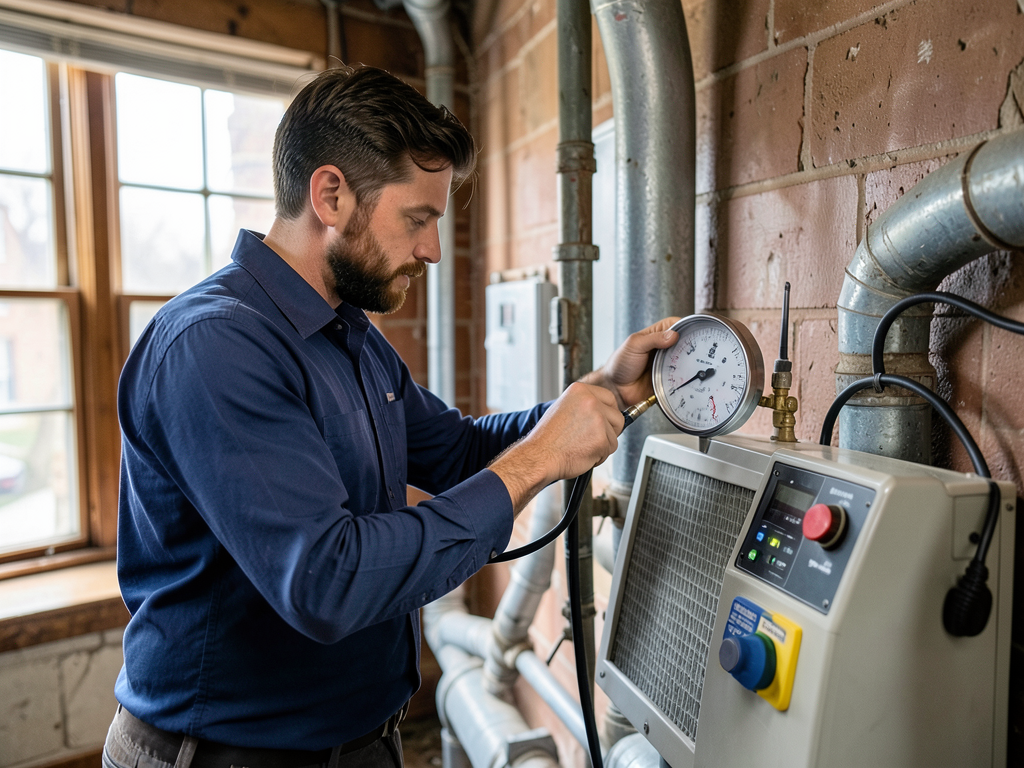
The Best Air Filter Upgrades for Georgetown Homes with Sensitive Historic Woodwork Georgetown's historic rowhouses feature irreplaceable wood trim, original hardwood floors, and intricate millwork that requires careful climate control. Standard air filters often create…
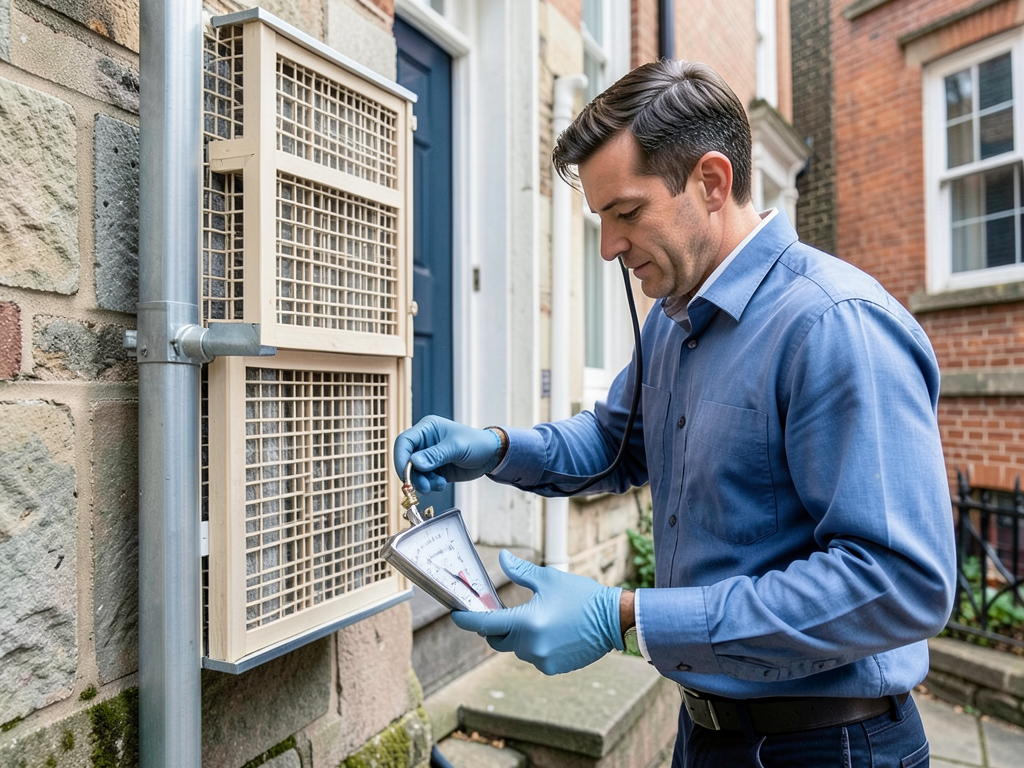
The Best Air Filter Upgrades for Georgetown Homes with Sensitive Historic Woodwork Georgetown's Federal-style rowhouses…
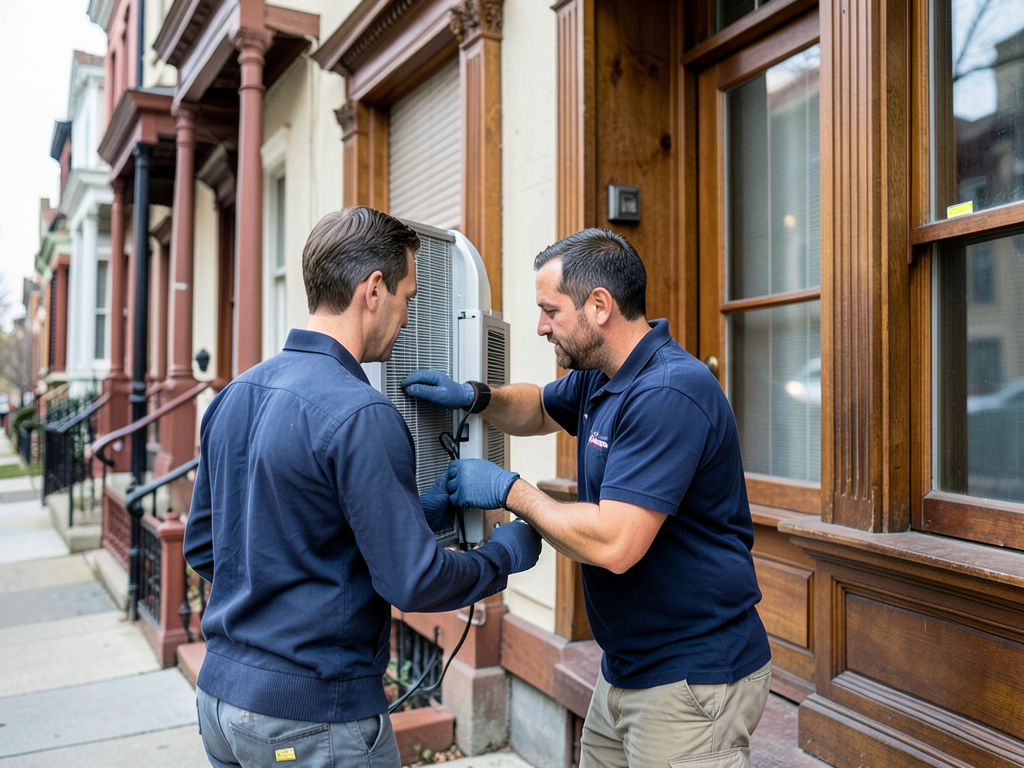
The Best Air Filter Upgrades for Georgetown Homes with Sensitive Historic Woodwork Georgetown's historic rowhouses…
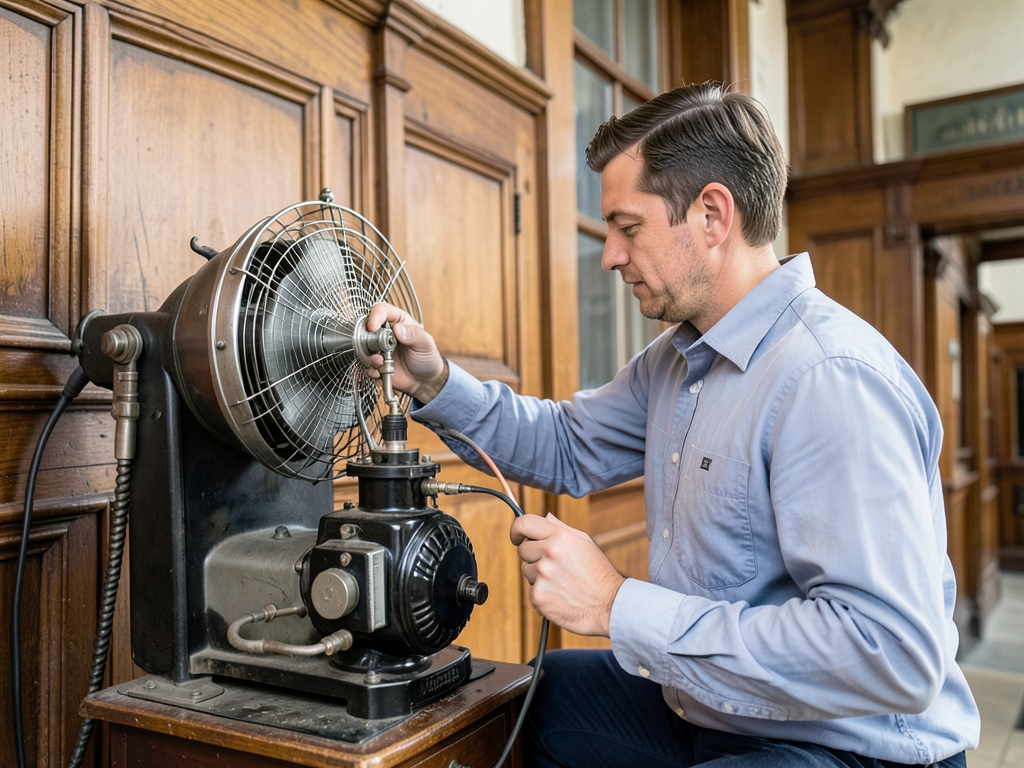
The Best Air Filter Upgrades for Georgetown Homes with Sensitive Historic Woodwork Georgetown's historic rowhouses…
When your heating or cooling system fails, call (771) 218-6322 for immediate dispatch. We answer 24/7 and respond to Bowie emergencies in under 90 minutes. Same-day repairs, upfront pricing, and quality work that lasts.