Washington, D.C. sits in a humid subtropical climate zone with hot, muggy summers and mild, damp winters. Summer dew points regularly exceed 70 degrees, creating aggressive condensation on cold evaporator coils. When systems shut down between cooling cycles, this moisture cannot evaporate quickly in the humid air. Mold and bacteria colonize the wet surfaces within hours. The District's housing stock includes thousands of pre-1950 row homes with original ductwork running through unconditioned spaces. These ducts lack insulation, causing exterior surfaces to sweat and interior surfaces to accumulate moisture. The Potomac basin's proximity adds extra humidity during spring and fall. These conditions make regular coil cleaning and drain line maintenance critical, not optional.
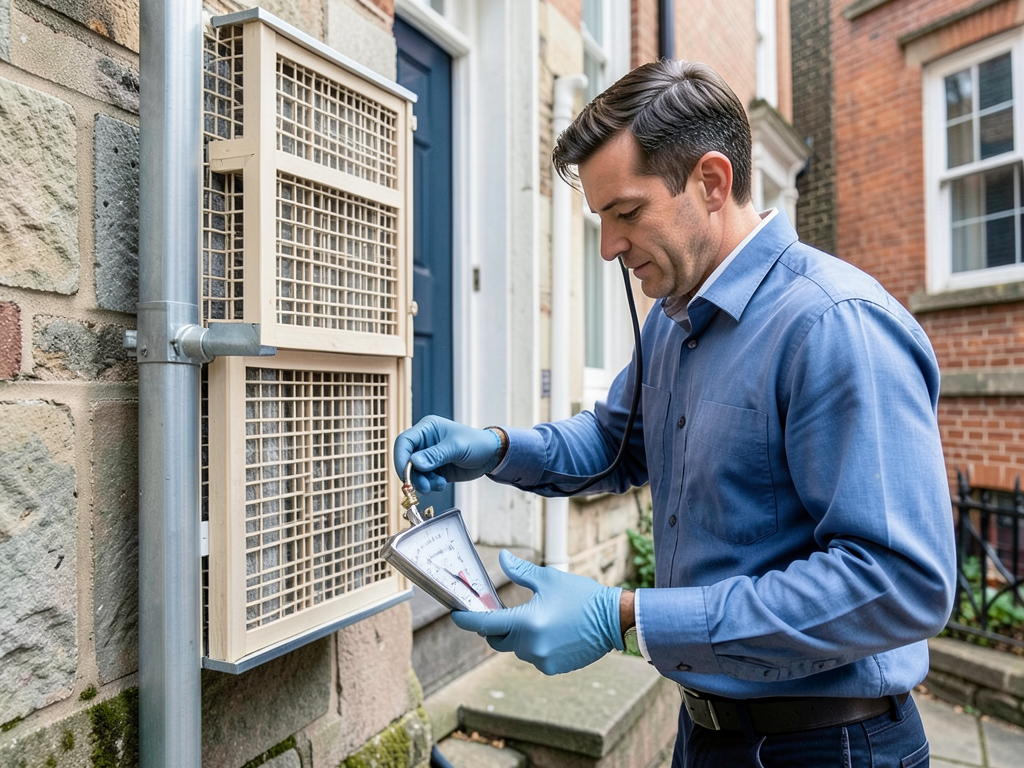
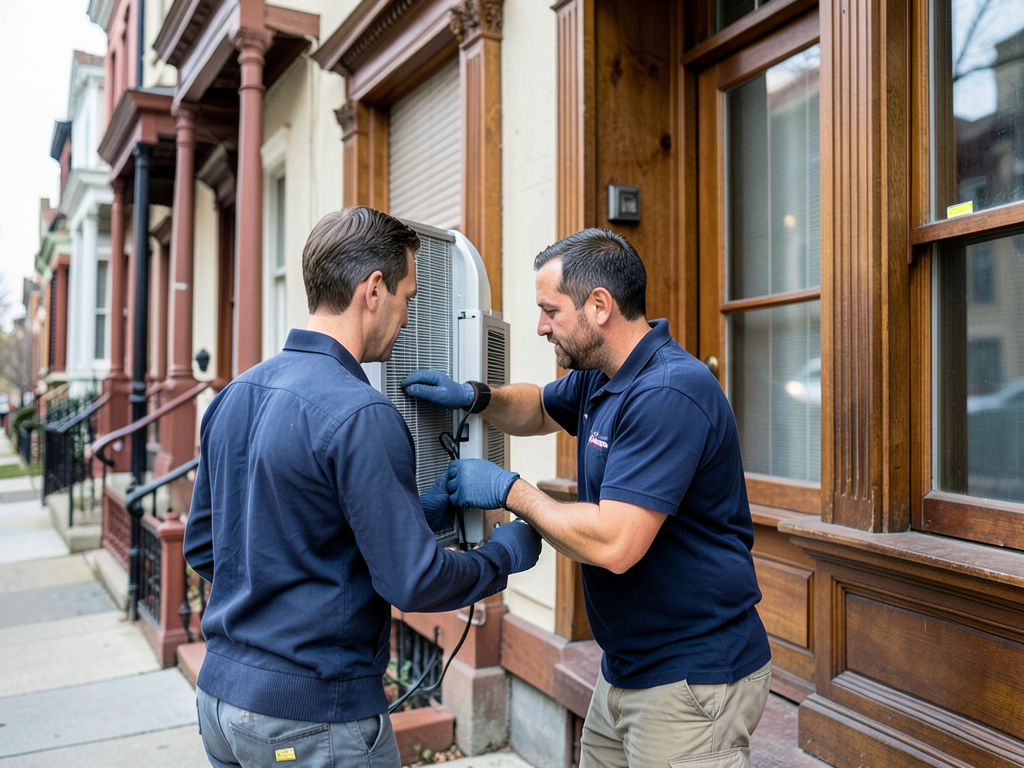
Washington, D.C. building codes require proper condensate drainage and adequate ventilation, but enforcement varies in older properties. Many historic homes received HVAC retrofits that prioritized aesthetics over proper system design. Undersized return ducts, blocked drain lines, and insufficient airflow create the exact conditions where odors develop. Working with a contractor who understands both modern HVAC standards and historic building constraints ensures you get solutions that work long-term. We have diagnosed odor problems in Capitol Hill row homes, Cleveland Park colonials, and Dupont Circle condos. The issues vary by building type and age, but the diagnostic approach remains consistent. Know the system, identify the source, fix it correctly.