Washington, D.C.'s concentration of high-rise commercial buildings creates urban canyon effects that trap heat and reduce natural airflow around rooftop cooling towers. Buildings along Pennsylvania Avenue, K Street, and Connecticut Avenue corridors experience ambient temperatures three to seven degrees higher than suburban areas, forcing cooling towers to work harder to reject heat. The District's air quality regulations limit drift emissions and require drift eliminators that meet 0.001 percent efficiency standards. These restrictions, combined with noise ordinances protecting residential neighborhoods adjacent to commercial zones, require careful tower selection and maintenance to stay compliant while maintaining cooling capacity.
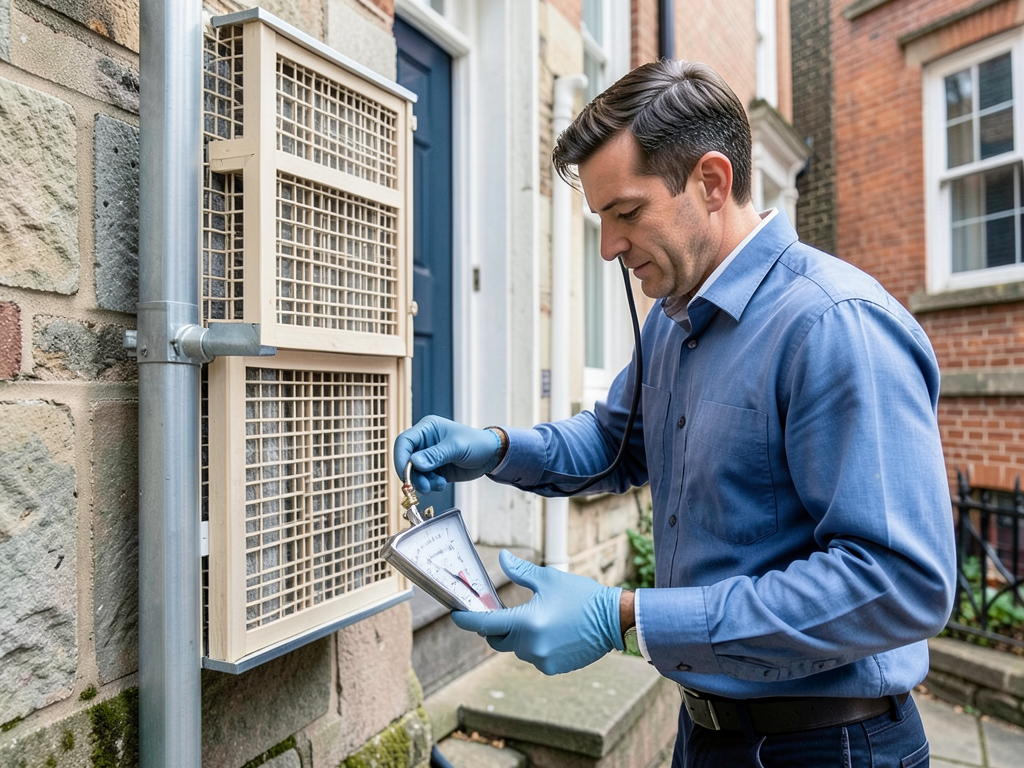
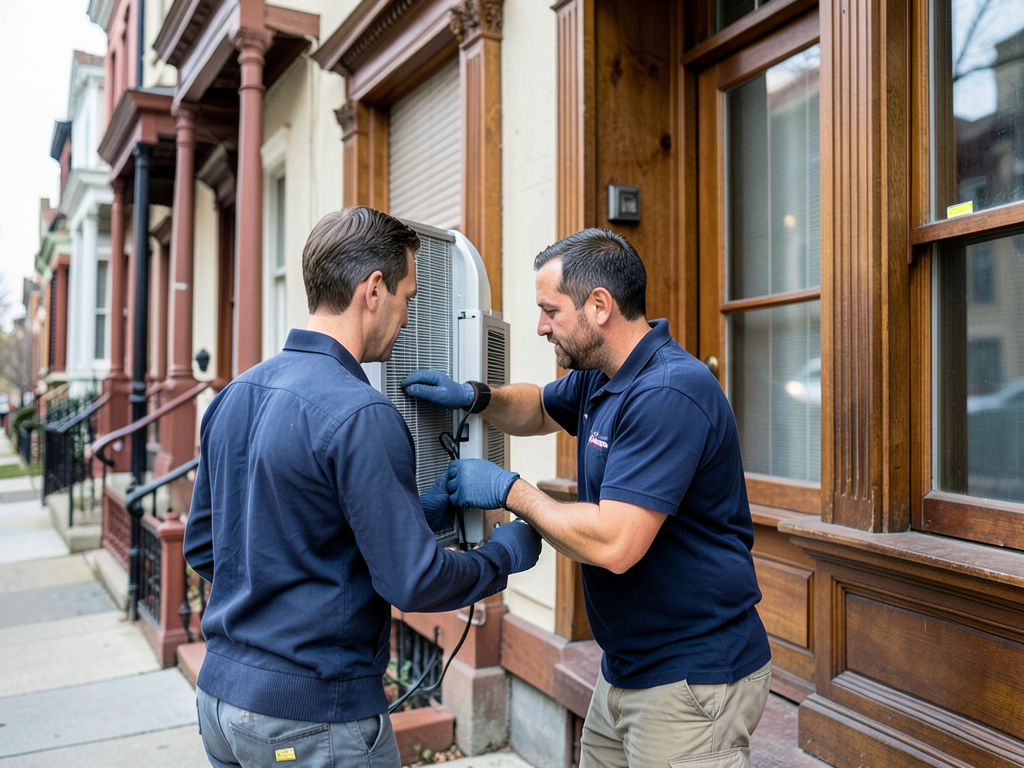
D.C.'s historic preservation requirements in Georgetown, Capitol Hill, and Dupont Circle districts limit rooftop equipment visibility and restrict tower replacement options. Patriot HVAC Washington DC works with building owners to navigate Historic Preservation Review Board requirements while upgrading aging cooling infrastructure. Our familiarity with D.C. building codes, mechanical permit requirements, and DOEE environmental compliance procedures streamlines project approvals. We coordinate with local engineering firms to ensure cooling tower work meets both performance requirements and regulatory constraints unique to operating commercial buildings within District boundaries.