Menu

Furnace Blowing Cold Air in Washington, D.C. – Expert Diagnosis and Fast Repair for Your Heating System

When your furnace blows cold air instead of heat, you need accurate troubleshooting and proven repair methods. We identify the root cause, whether it's a pilot light failure, thermostat malfunction, or ductwork issue, and restore warmth to your home.

Slider Image 1
Slider Image 2
Slider Image 3
Slider Image 4
Slider Image 5
Slider Image 7
Slider Image 8
Slider Image 9
Slider Image 10
Slider Image 11

Why Your Furnace Blows Cold Air in Washington, D.C. Homes

You set your thermostat to 72 degrees, the blower kicks on, and cold air pours through your vents. The problem is not just annoying. It signals a breakdown in your heating system that wastes energy and leaves you uncomfortable during winter nights when temperatures drop into the 20s and 30s.

Washington, D.C.'s Mid-Atlantic climate creates specific challenges for gas and electric furnaces. High humidity during shoulder seasons causes condensation inside heat exchangers and flue pipes. This moisture accelerates rust and corrosion, which weakens critical components like ignitors and flame sensors. When these parts fail, your furnace cycles air without igniting the burners, leaving you with a heater blowing cold air through your ductwork.

Older row houses and townhomes in neighborhoods like Capitol Hill and Dupont Circle often have undersized return air grilles. Restricted airflow causes the furnace to overheat and trip its high limit switch, which shuts down the burners but keeps the blower running. You feel air movement, but it is unheated air that does nothing to warm your space.

Thermostat wiring problems also cause furnaces to blow cool air. If the heat anticipator is miscalibrated or the wire connections are loose, your system may run in fan-only mode instead of heating mode. You hear the blower, you feel airflow, but your heating system is blowing cold air because the gas valve never opens.

These issues compound quickly. A furnace not blowing hot air increases your utility bills and stresses other components. Addressing the problem early prevents secondary damage and restores comfort before temperatures drop further.

Why Your Furnace Blows Cold Air in Washington, D.C. Homes
How We Diagnose and Repair Furnaces Blowing Cold Air

How We Diagnose and Repair Furnaces Blowing Cold Air

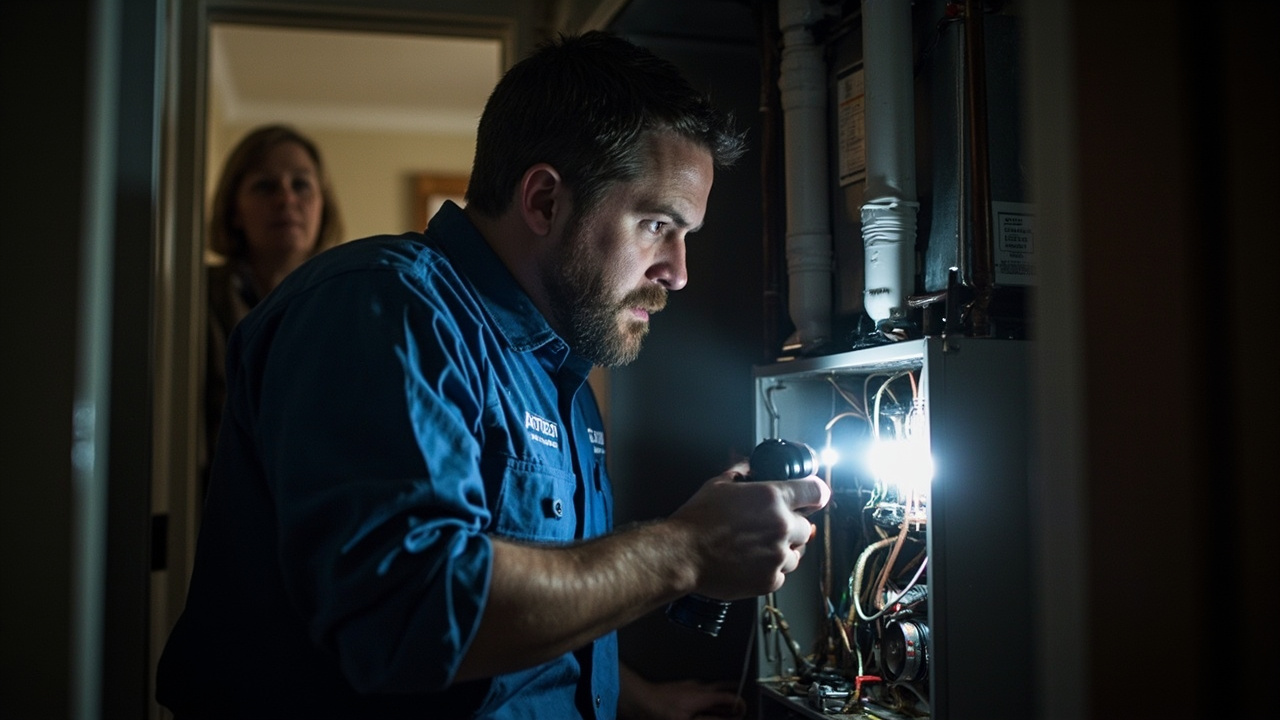
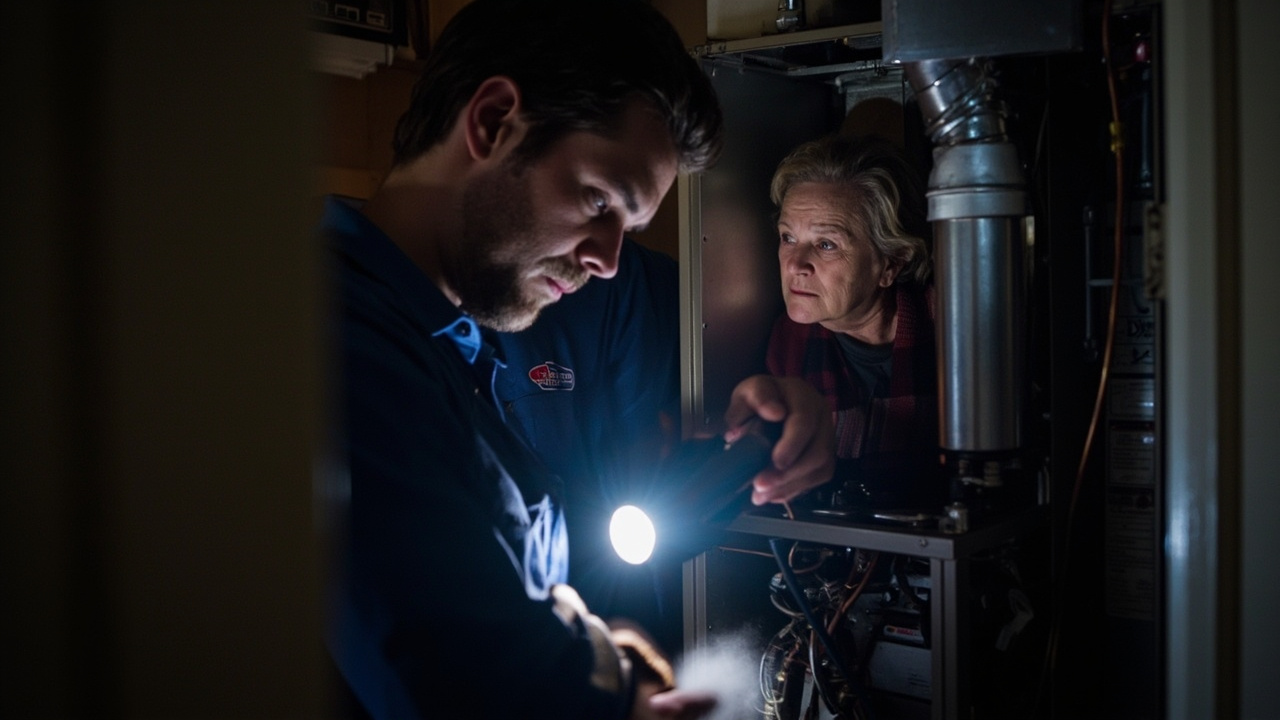
Guessing wastes your time and money. We use a systematic diagnostic protocol to identify why your furnace blows unheated air and fix the actual problem, not just the symptom.

We start with the thermostat. We verify the system switch is set to heat, check the temperature differential, and test the wire connections at both the wall unit and the furnace terminal board. A single loose wire can prevent the gas valve from energizing, leaving you with a furnace blowing cool air.

Next, we inspect the ignition system. If you have an electronic ignition furnace, we test the hot surface ignitor for continuity and check the flame sensor for carbon buildup. A dirty flame sensor detects no flame and shuts off the gas valve within seconds, causing short cycling and cold air output. We clean the sensor with fine abrasive cloth and verify proper microamp readings to ensure reliable ignition.

We check the air filter and blower compartment. A clogged filter restricts airflow, causes overheating, and trips the high limit switch. The blower continues to run, but the burners shut down, which creates the sensation of a heater blowing cold air. We measure static pressure across the filter and inside the supply plenum to confirm proper airflow.

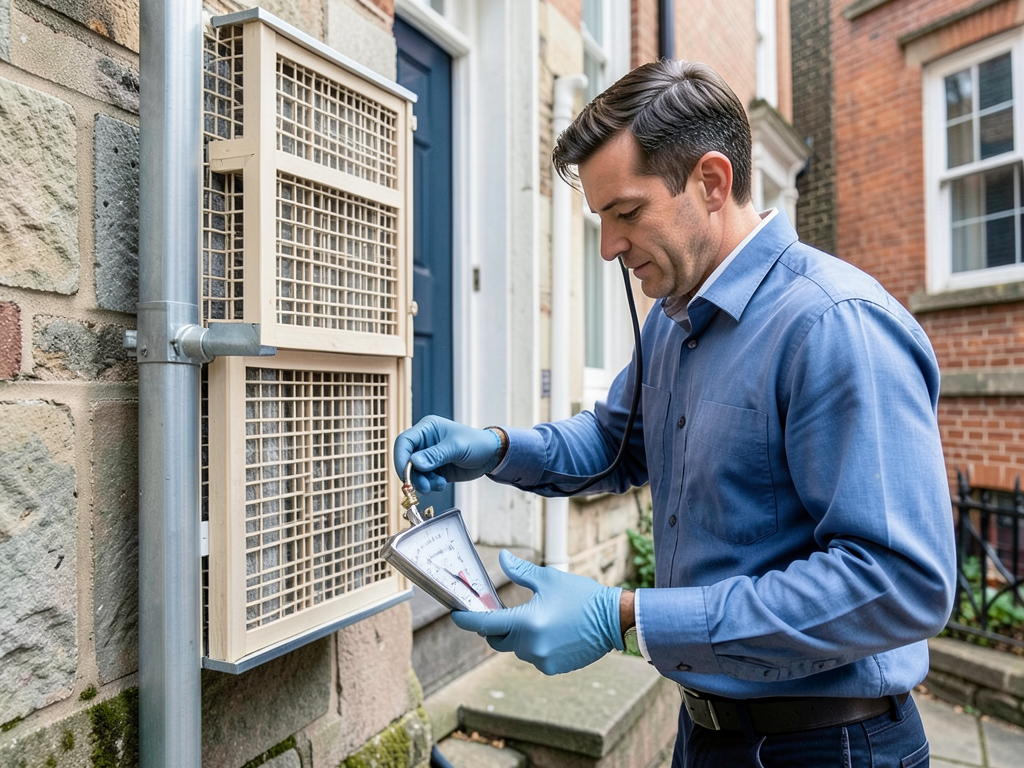
We inspect the gas valve and manifold pressure. Low gas pressure produces weak flames that do not generate enough heat. We use a manometer to verify manifold pressure matches the manufacturer's specifications and adjust the valve if necessary.

Finally, we test the ductwork for leaks. If your supply ducts have separated joints or torn insulation, heated air escapes before it reaches your living spaces. You feel airflow at the registers, but it is diluted with unconditioned air from your attic or crawl space.

What Happens During Your Cold Air Diagnosis

Furnace Blowing Cold Air in Washington, D.C. – Expert Diagnosis and Fast Repair for Your Heating System
01

System Assessment

We arrive with diagnostic tools and test your thermostat settings, circuit breaker panel, and furnace control board. We verify power supply to the ignition system and check for error codes on the integrated control. This step identifies electrical issues, safety lockouts, and control board failures that prevent your furnace from heating properly.
02

Component Testing

We test the ignitor, flame sensor, gas valve, pressure switches, and blower motor. We measure voltage, resistance, and microamp signals to isolate the faulty component. We inspect the heat exchanger for cracks and check the flue pipe for blockages that could cause venting issues. This step pinpoints the exact reason your furnace blows cold air instead of heat.
03

Repair and Verification

We replace or repair the failed component and test your furnace through multiple heating cycles. We verify proper ignition, steady flame, and correct temperature rise across the heat exchanger. We check airflow at each register and confirm your system delivers consistent, warm air. You leave with a heating system that works correctly and documentation of what we fixed.

Why Washington, D.C. Homeowners Trust Us for Furnace Repairs

You need someone who understands how Washington, D.C.'s housing stock and climate affect furnace performance. Most homes here were built before 1980, which means you likely have a furnace that operates on standing pilot or early electronic ignition technology. These systems require specific diagnostic techniques that differ from newer modulating furnaces.

We work on furnaces in row houses, townhomes, and single-family homes across all eight wards. We know the quirks of older Bryant, Carrier, Lennox, and Rheem systems that are common in neighborhoods like Shaw, Adams Morgan, and Petworth. We also understand how Washington, D.C.'s building codes require specific venting configurations and clearances, especially in multi-unit buildings where shared flue pipes create unique challenges.

Our technicians carry replacement parts for the most common failure points. Hot surface ignitors, flame sensors, gas valves, and pressure switches are in stock on every truck. We do not leave your home to source parts. We fix your furnace during the first visit whenever possible.

We also understand that heating failures happen at inconvenient times. When your furnace blows cold air on a Saturday night or during a holiday weekend, you cannot wait until Monday. We prioritize emergency calls and dispatch technicians who have the training and tools to solve complex problems under pressure.

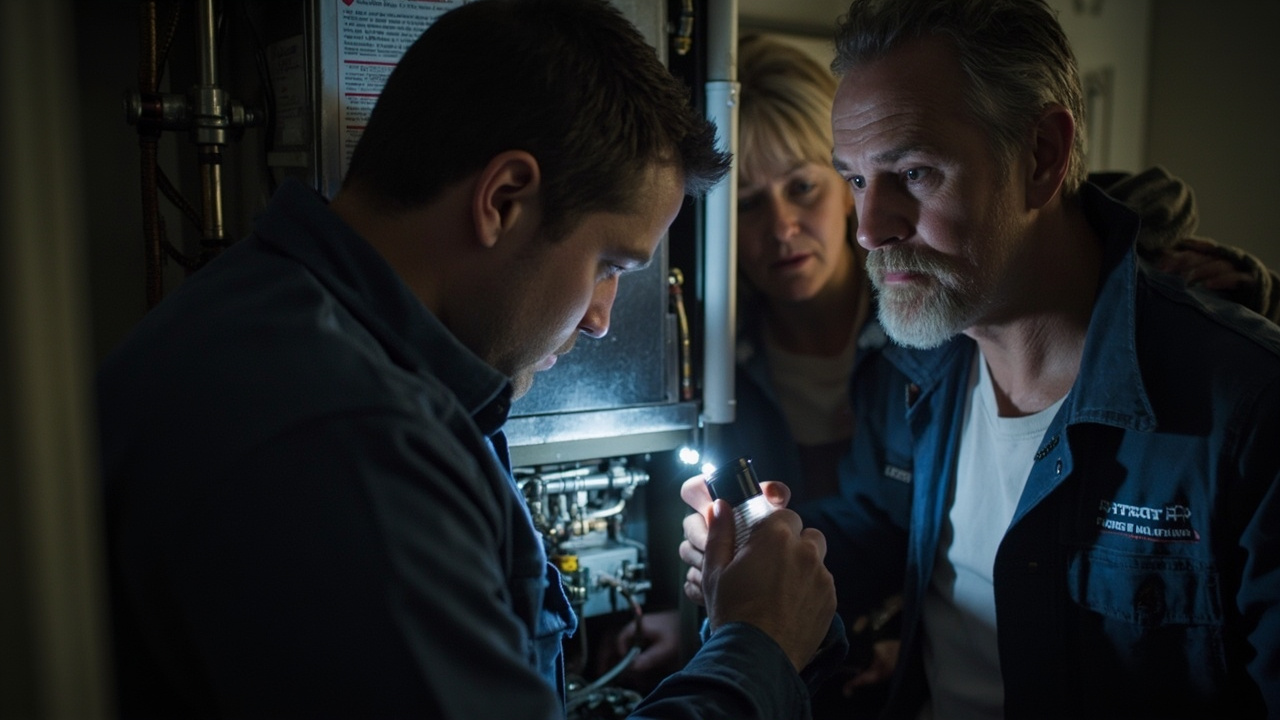
You get transparent explanations. We show you the failed component, explain why it caused your furnace to blow cold air, and outline the repair options. You make the decision. We perform the work. There are no upsells or scare tactics, just honest assessments and reliable repairs.

What You Can Expect During Your Repair

Fast Response Times

We answer calls quickly and schedule appointments based on urgency. If your furnace is blowing cold air and temperatures are dropping, we prioritize your call and send a technician the same day whenever possible. Most diagnostics and repairs are completed in one visit. You do not wait days for heat. We arrive equipped to diagnose and fix the problem during the initial appointment, which restores comfort and stops energy waste immediately.

Thorough Diagnostics

We do not guess. We use multimeters, manometers, and amp clamps to measure voltage, gas pressure, and current draw at every component. We test the thermostat, ignition system, gas valve, and safety switches to isolate the exact cause of your cold air problem. We explain our findings in plain language and show you the failed part before we replace it. You understand what failed, why it failed, and what we are doing to fix it.

Reliable Repairs

We install OEM or equivalent parts that meet or exceed manufacturer specifications. We do not use bargain components that fail prematurely. After the repair, we test your furnace through multiple heating cycles and verify proper temperature rise, flame stability, and airflow. We check the flue draft and inspect the venting system to confirm safe operation. You get a system that heats correctly and operates efficiently without short cycling or uneven temperatures.

Post-Repair Support

We provide clear maintenance recommendations to prevent future cold air issues. We explain how often to change your filter, when to schedule annual tune-ups, and what warning signs indicate developing problems. If you experience any issues after the repair, we respond quickly to address them. You have access to technicians who know your system and can troubleshoot problems over the phone or schedule a follow-up visit if necessary.

Frequently Asked Questions

You Have Questions,
We Have Answers

How do you fix a furnace that blows cold air? +

Start by checking your thermostat. Make sure it is set to heat mode and the temperature is higher than the current room temperature. Replace the batteries if needed. Next, inspect your air filter. A clogged filter restricts airflow and forces the system to blow cold air. If the filter is dirty, replace it. Check your circuit breaker to ensure the furnace has power. If the pilot light is out on a gas furnace, relight it following manufacturer instructions. Washington, D.C. homes often experience issues after extended mild periods when furnaces sit idle. If these steps do not work, call a technician to inspect the ignition system or gas valve.

Why is cold air blowing when heat is on? +

Cold air blowing when heat is on usually means your furnace is not igniting properly. The blower fan runs, but the burners fail to light. This happens due to a faulty ignitor, dirty flame sensor, or gas supply issue. Another cause is a thermostat wired incorrectly or set to fan mode instead of auto. In Washington, D.C., high humidity can corrode electrical connections and sensors over time. A tripped limit switch from overheating also shuts down burners while the blower continues running. Check your thermostat settings first. If the problem continues, a technician must test the ignition system, flame sensor, and gas valve.

Why is my furnace blowing air but not warm? +

Your furnace blows air but not warm when the burners do not ignite. The blower motor works fine, but no heat generates. Common causes include a malfunctioning pilot light, broken ignitor, dirty flame sensor, or closed gas valve. Sometimes the thermostat sends the wrong signal to the control board. Washington, D.C. furnaces face seasonal humidity that corrodes flame sensors, preventing proper ignition. A blocked condensate drain line can also trigger safety switches that disable heating. Check your thermostat settings and air filter first. If those check out, you need a technician to diagnose ignition components or control board issues.

How do I reset my furnace? +

To reset your furnace, turn off the power switch located near the unit or flip the circuit breaker. Wait 30 seconds. This clears the control board memory. Turn the power back on and set your thermostat to heat mode, raising the temperature above room level. Listen for the ignition sequence. If your furnace has a reset button on the blower motor or control panel, press it once. Do not press it repeatedly. Washington, D.C. furnaces sometimes need resets after power outages or brief storms. If the furnace does not fire up after one reset, call a technician. Repeated resets indicate a deeper issue.

Should I turn off my furnace if it blows cold air? +

You should turn off your furnace if it blows cold air continuously and you smell gas or notice unusual sounds. Shut off the system immediately to prevent wasted energy and potential safety risks. If you detect a gas odor, leave the home and call your gas company. For cold air without gas smells, turn off the furnace to stop the blower from circulating unheated air through your Washington, D.C. home. This prevents further temperature drop and reduces energy costs. Check the thermostat and air filter. If simple fixes do not work, keep the system off until a technician inspects it.

What is the most expensive part to fix on a furnace? +

The heat exchanger is the most expensive part to replace on a furnace. It transfers heat from combustion gases to the air circulating through your home. A cracked heat exchanger requires immediate replacement due to carbon monoxide risks. Replacement costs often approach 50 to 70 percent of a new furnace price, making replacement the better option for older units. In Washington, D.C., heat exchangers crack from repeated expansion and contraction during temperature swings and high humidity exposure. The control board and blower motor are also costly but less than the heat exchanger. Regular maintenance prevents premature heat exchanger failure.

How to fix a heater that blows cold air? +

Fixing a heater that blows cold air starts with thermostat and filter checks. Confirm the thermostat is set to heat mode and the temperature setting exceeds the room temperature. Replace a dirty air filter that blocks airflow. Inspect the circuit breaker and reset if tripped. For gas furnaces, check if the pilot light is lit. Relight it if needed. Washington, D.C. homes with older thermostats may need battery replacements. If the ignitor glows but burners do not light, the flame sensor likely needs cleaning. When basic troubleshooting fails, a technician must inspect the ignition system, gas valve, or control board.

What are signs of furnace failure? +

Signs of furnace failure include frequent cycling on and off, unusual noises like banging or screeching, yellow pilot light flames instead of blue, and increasing energy bills. Cold air blowing from vents is a clear warning. You may notice inconsistent temperatures between rooms or the furnace struggling to reach the set temperature. Washington, D.C. homeowners should watch for rust or corrosion on the heat exchanger, visible cracks, or soot buildup inside the cabinet. A persistent gas smell, excessive dust, or the system being over 15 years old also signal impending failure. Schedule an inspection when you notice these symptoms.

How can I tell if my heat pump is low on refrigerant? +

You can tell if your heat pump is low on refrigerant when it runs constantly but does not heat effectively. Ice forms on the outdoor unit even during mild Washington, D.C. winters. The system blows lukewarm or cool air instead of warm air. You may hear hissing sounds indicating a refrigerant leak. Energy bills increase because the heat pump works harder to maintain temperature. The outdoor coil frosts over and does not defrost properly. Low refrigerant reduces heating capacity and damages the compressor over time. A technician must locate the leak, repair it, and recharge the system to the correct level.

How to tell if a furnace thermostat is bad? +

You can tell if your furnace thermostat is bad when the display is blank or unresponsive. The furnace does not turn on when you adjust the temperature setting. You notice the room temperature does not match the thermostat reading by more than three degrees. The system short cycles or runs continuously. In Washington, D.C. homes with older thermostats, corroded wiring or dead batteries cause failure. The thermostat may click but the furnace does not respond. Test by replacing the batteries first. If problems continue, bypass the thermostat temporarily or install a new one. A technician can test voltage and wiring.

How Washington, D.C.'s Winter Humidity and Freeze-Thaw Cycles Stress Furnace Components

Washington, D.C. sits in a humid subtropical climate zone where winter temperatures fluctuate between freezing and mild. This freeze-thaw pattern creates condensation inside furnace cabinets and flue pipes, which accelerates rust on heat exchangers and corrosion on ignitors. Row houses and townhomes built before 1950 often have uninsulated basements where furnaces operate in damp conditions. The combination of high humidity and temperature swings weakens flame sensors and pressure switches faster than in dry climates, which increases the likelihood of a furnace blowing cold air during January and February cold snaps.

Washington, D.C. requires permits for furnace replacements, and all work must comply with the District of Columbia Construction Codes. We pull permits when necessary and ensure all repairs meet venting, clearance, and safety standards. Our technicians understand local inspection requirements and work within the framework of D.C. regulations, which protects you from code violations and ensures your system operates safely. Choosing a contractor familiar with District codes prevents costly rework and failed inspections if you decide to upgrade your system later.
HVAC Services in The Washington DC Area

Easily locate Patriot HVAC and explore our service area on the map below. We are strategically positioned to provide prompt and efficient heating, ventilation, and air conditioning services across Washington D.C. and its neighboring communities. Whether you're seeking a quick repair or a new installation, our team is ready to serve your comfort needs.

Address:
Patriot HVAC Washington DC, 20 F St NW, Washington, DC, 20001

Additional Services We Offer

Our news updates

Latest Articles & News from The Blogs

The Best Air Filter Upgrades for Georgetown Homes with Sensitive Historic Woodwork Georgetown's Federal-style rowhouses and Victorian homes need special…

The Best Air Filter Upgrades for Georgetown Homes with Sensitive Historic Woodwork

The Best Air Filter Upgrades for Georgetown Homes with Sensitive Historic Woodwork Georgetown's Federal-style rowhouses and Victorian homes need special…

The Best Air Filter Upgrades for Georgetown Homes with Sensitive Historic Woodwork

The Best Air Filter Upgrades for Georgetown Homes with Sensitive Historic Woodwork Georgetown's historic rowhouses and Federal-style homes face a…

The Best Air Filter Upgrades for Georgetown Homes with Sensitive Historic Woodwork

The Best Air Filter Upgrades for Georgetown Homes with Sensitive Historic Woodwork Georgetown's historic rowhouses and Federal-style homes feature exquisite…

Contact Us

Stop wasting money on a furnace that blows cold air. Call (771) 218-6322 now for fast diagnosis and reliable repair. We answer calls quickly, schedule same-day appointments, and fix your heating system right the first time.