Menu

Frozen AC Coil Repair in Washington, D.C. – Emergency Service Available 24/7

When your AC evaporator coil ices up during D.C.'s brutal summer heat, every hour without cooling is dangerous. Our emergency frozen AC coil repair team dispatches within 60 minutes to stop the freeze, restore airflow, and prevent compressor failure.

Slider Image 1
Slider Image 2
Slider Image 3
Slider Image 4
Slider Image 5
Slider Image 7
Slider Image 8
Slider Image 9
Slider Image 10
Slider Image 11

Why Your AC Coils Freeze in Washington, D.C.'s High Humidity Climate

You walk up to your thermostat. It reads 82 degrees inside. You check the vents and feel weak, warm air. You open the air handler and see thick ice coating the evaporator coil. Your AC is frozen solid.

This happens constantly in Washington, D.C. because our oppressive summer humidity creates the perfect storm for AC evaporator coil icing. When humid air hits refrigerant lines running too cold, condensation freezes instantly. The ice blocks airflow, refrigerant pressure drops, and the freeze spreads. Within hours, your compressor can fail from liquid slugging.

The fix for frozen air conditioner coils is not just turning the system off and waiting. That ignores the root cause. Low refrigerant from a leak, clogged air filters restricting airflow, dirty evaporator coils trapping moisture, failed blower motors, or crushed return ducts all trigger freeze ups. In Georgetown rowhouses and Capitol Hill townhomes with cramped mechanical spaces, poor airflow from undersized returns makes icing worse.

Emergency AC freeze up repair means diagnosing why the coil iced, not just thawing it. If you let ice melt naturally and restart the system without fixing the cause, it will freeze again within hours. Worse, the thaw process floods your drain pan. If your condensate line is clogged, which is common in D.C.'s algae-friendly humidity, water overflows into ceilings, walls, and ductwork.

When you need iced up air conditioner service in Washington, D.C., you need a diagnostic technician who understands how our local climate accelerates coil icing and compressor damage.

Why Your AC Coils Freeze in Washington, D.C.'s High Humidity Climate
How We Execute Emergency Frozen Evaporator Coil Repair

How We Execute Emergency Frozen Evaporator Coil Repair

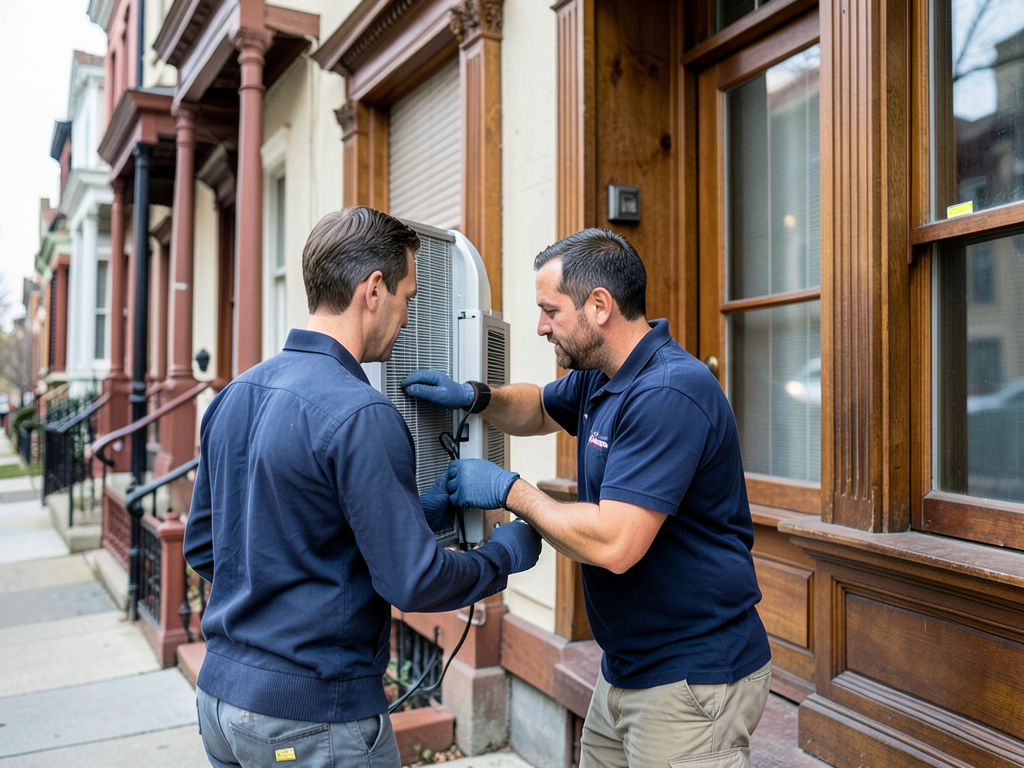
When you call Patriot HVAC Washington DC for repair frozen HVAC evaporator service, we do not show up with a space heater and a prayer. We bring diagnostic tools, refrigerant scales, and coil cleaning equipment because emergency AC freeze up repair requires precision, not guesswork.

First, we safely thaw the coil using controlled heat without damaging the aluminum fins. Rushing this step with torches or excessive heat warps the coil and destroys thermal transfer efficiency. We monitor refrigerant pressures during the thaw to spot leaks immediately.

While the coil thaws, we inspect your entire airflow path. We check static pressure across the evaporator, measure CFM at the blower, and test the capacitor and motor windings. If airflow is restricted, ice will return. We pull your filter, inspect your return plenum for blockages, and check every damper in your duct system.

Next, we test refrigerant charge with superheat and subcooling readings. If charge is low, we find the leak using nitrogen pressure tests and electronic leak detectors. We do not just add refrigerant and leave. That is a temporary fix. We locate the leak, repair it, pull a deep vacuum to remove moisture, and recharge to manufacturer specifications.

We also inspect your condensate system. If your drain line is clogged, thawed ice has nowhere to go. We clear the line with compressed air, flush it with biocide tabs, and verify positive drainage. For homes in Foggy Bottom and Dupont Circle with finished basements, we install float switches to prevent overflow damage.

After repairs, we run the system through a full cooling cycle and verify stable suction pressure, adequate airflow, and proper refrigerant temps.

What Happens During Your Emergency Frozen Coil Repair

Frozen AC Coil Repair in Washington, D.C. – Emergency Service Available 24/7
01

Emergency Dispatch and Assessment

We arrive within 60 minutes of your call with all diagnostic equipment loaded. Our technician visually inspects the frozen evaporator coil, checks your filter, and tests airflow at the supply plenum. We explain what we find in plain terms and outline the repair process before starting work. You know exactly what caused the freeze and what we will do to fix it.
02

Safe Thawing and Diagnosis

We use controlled heat to thaw the coil without damaging fins or refrigerant lines. While thawing, we measure refrigerant pressures, test blower motor amperage, and inspect ductwork for restrictions. We run nitrogen pressure tests to locate refrigerant leaks and check the condensate drain for clogs. This step identifies the root cause, whether it is low refrigerant, restricted airflow, or mechanical failure.
03

Repair, Test, and Verification

We complete all necessary repairs, whether that means fixing a refrigerant leak, replacing a blower capacitor, cleaning the evaporator coil, or clearing a clogged drain line. After repairs, we recharge refrigerant to exact specifications, restart your system, and monitor suction pressure and airflow through a full cooling cycle. We verify stable temps, no ice formation, and proper condensate drainage before leaving your home.

Why Washington, D.C. Homeowners Trust Patriot HVAC Washington DC for Frozen Coil Repair

When your AC freezes during a D.C. heat wave, you need a technician who understands how local humidity accelerates coil icing and how aging row homes with retrofitted HVAC systems create airflow restrictions. You do not need someone who thaws the coil, restarts the system, and disappears.

Patriot HVAC Washington DC specializes in emergency AC freeze up repair for the unique challenges of Washington, D.C. homes. We work on historic rowhouses in Shaw and Capitol Hill where original ductwork is undersized and mechanical spaces are tight. We service high rise condos in Navy Yard and Wharf where rooftop units battle extreme sun exposure and poor ventilation. We understand how D.C.'s summer humidity clogs condensate drains faster than anywhere else in the Mid-Atlantic.

Our technicians carry refrigerant scales, digital manifold gauges, and thermal imaging cameras on every emergency call because accurate diagnosis requires accurate tools. We do not guess at refrigerant charge. We measure superheat and subcooling. We do not assume airflow is adequate. We test static pressure and CFM.

We also understand D.C. building codes and Historic Preservation Review Board requirements. If your frozen coil is caused by a failing evaporator that needs replacement, we know which modern coils meet efficiency mandates without triggering HPRB permit complications in historic districts.

Most importantly, we answer our phones at 2 a.m. on Sunday. When your AC freezes and your home hits 85 degrees overnight, you cannot wait until Monday morning. We dispatch emergency teams 24 hours a day, 365 days a year. Our average response time in Washington, D.C. is under 60 minutes.

You get honest diagnosis, precise repairs, and technicians who explain what caused the freeze in terms you understand.

What You Can Expect During Emergency Frozen AC Coil Repair

60-Minute Emergency Response Time

We dispatch emergency frozen AC coil repair technicians within 60 minutes of your call, 24 hours a day. When you call at midnight because your home is 85 degrees and your coil is covered in ice, you get a live dispatcher and a technician en route immediately. We do not make you wait until business hours. Our trucks stay stocked with common repair parts like capacitors, contactors, and refrigerant so we can complete most repairs on the first visit without waiting for parts orders.

Comprehensive Diagnostic Process

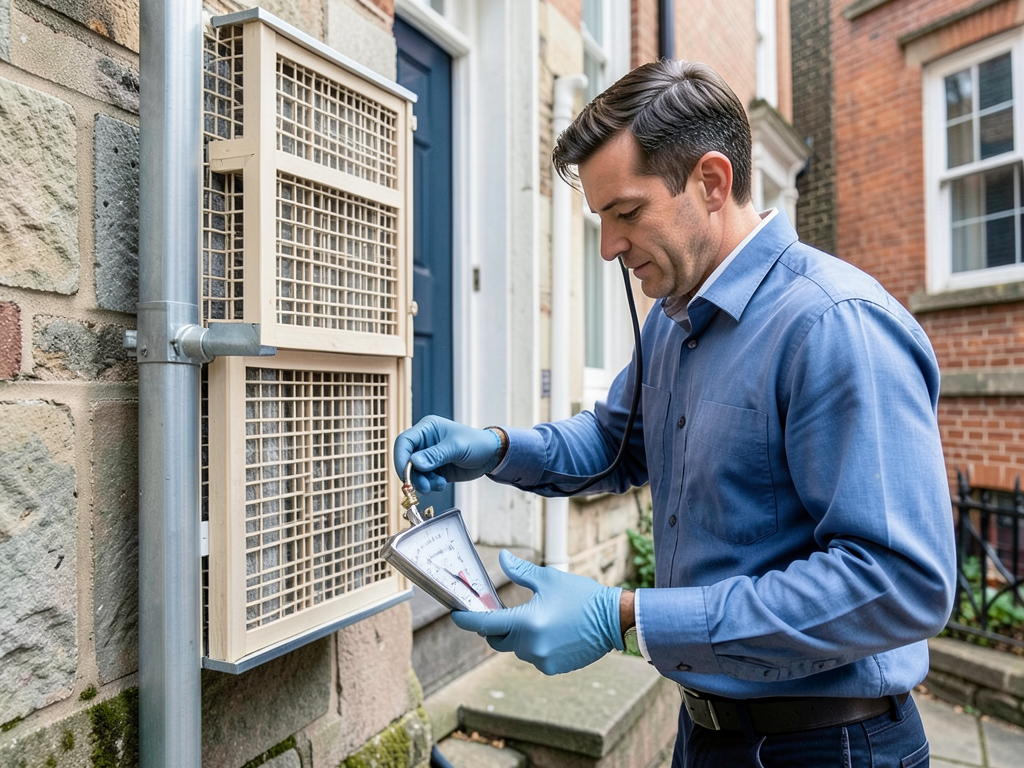
Every frozen coil repair starts with a full system diagnostic, not just thawing ice and restarting your AC. We test refrigerant pressures, measure airflow with manometers, inspect the condensate drain, check electrical components, and examine ductwork for restrictions. We use thermal imaging to spot hidden duct leaks and refrigerant leaks. You receive a written diagnostic report explaining what caused the freeze, what we repaired, and what you can do to prevent future icing. We walk you through the findings before starting any repair work.

Precision Refrigerant and Airflow Repair

If low refrigerant caused your coil to freeze, we locate the leak, repair it, evacuate moisture from the lines, and recharge refrigerant to manufacturer specifications using superheat and subcooling measurements. If restricted airflow caused the freeze, we clean the evaporator coil, replace clogged filters, clear blocked returns, and verify proper CFM at the blower. We do not take shortcuts. After repairs, we run your system through a complete cooling cycle and verify stable suction pressure, no ice formation, and proper condensate drainage before we leave.

Post-Repair Monitoring and Maintenance

After emergency frozen coil repair, we provide clear maintenance instructions to prevent future freeze ups, including filter change schedules, condensate drain flushing frequency, and signs of low refrigerant. We offer scheduled maintenance plans that include biannual refrigerant checks, coil cleaning, and condensate line clearing to catch problems before they cause another freeze. If your system is older or has recurring issues, we provide honest recommendations about repair versus replacement. You get follow-up support if you have questions or concerns after we complete the repair.

Frequently Asked Questions

You Have Questions,
We Have Answers

How do you fix a frozen AC coil? +

Turn off your AC immediately to prevent compressor damage. Switch your thermostat to fan mode to circulate air and speed thawing. Check your air filter and replace it if clogged. Inspect supply vents and remove any blockages. Thawing takes 1-8 hours depending on ice buildup. Once thawed, check for refrigerant leaks or dirty coils. If the problem repeats, you have an underlying issue like low refrigerant, airflow restriction, or a failing blower motor. Washington, D.C.'s high humidity makes coil freezing more common during summer. Call a technician if ice returns after thawing. Do not chip or scrape ice off the coil.

How long does it take for AC coils to unfreeze? +

AC coils typically take 1-8 hours to fully unfreeze. Light frost thaws in 1-2 hours. Heavy ice buildup can take 6-8 hours or longer. Turn off your AC and switch the thermostat to fan-only mode to circulate warm air. Never run your AC while ice remains on the coil. You risk compressor failure, which costs thousands to replace. Washington, D.C.'s humid summers slow the thawing process because moisture-laden air keeps refreezing. Once thawed, identify the root cause before restarting. Repeating freeze cycles indicate low refrigerant, dirty coils, or blocked airflow. Get a diagnostic service call to prevent permanent damage.

How much does it cost to fix a frozen evaporator coil? +

Frozen coil repairs in Washington, D.C. range based on the root cause. If it's a dirty filter or blocked vent, you pay for the service call and labor. If low refrigerant caused the freeze, expect refrigerant recharge costs plus leak detection and repair. Severe cases involving coil replacement or compressor damage cost more. Emergency calls cost more than scheduled appointments. Get a diagnostic first to identify the problem. Most frozen coil issues stem from preventable maintenance failures like skipped filter changes or dirty coils. Ask for a written estimate before authorizing repairs. Prices vary by severity and time of day.

What would cause a coil to freeze up? +

Coils freeze when airflow drops or refrigerant pressure falls. Clogged air filters restrict airflow, causing coil temperatures to plummet below freezing. Blocked supply vents or closed registers reduce circulation. Low refrigerant from leaks lowers evaporator pressure, freezing condensation on the coil. Dirty evaporator coils act as insulation, trapping cold. Faulty blower motors or belts reduce airflow. Washington, D.C.'s high humidity accelerates ice buildup once freezing starts. Thermostat issues or running AC below 60 degrees outdoors also cause freezing. Frozen coils never fix themselves. Identify and correct the airflow or refrigerant issue, or the problem repeats within days.

Can you run AC with frozen coils? +

No. Running your AC with frozen coils risks catastrophic compressor failure. The ice blocks airflow and refrigerant flow, forcing your compressor to work harder without cooling your home. Compressors overheat and seize, requiring replacement that costs thousands. Turn off your AC immediately if you see ice on the refrigerant lines or coil. Switch to fan-only mode to thaw the ice safely. Washington, D.C.'s summer heat tempts homeowners to keep running frozen units, but you will pay far more for compressor replacement than a repair call. Wait until the coil fully thaws, then address the root cause before restarting.

What is the 3 minute rule for AC? +

The 3 minute rule prevents compressor damage during restarts. After shutting off your AC, wait at least 3 minutes before turning it back on. This allows refrigerant pressures to equalize inside the system. Restarting too quickly forces the compressor to start under high pressure, stressing internal components and shortening lifespan. This rule applies after power outages, thermostat adjustments, or emergency shutdowns like frozen coil situations. Washington, D.C. experiences frequent summer storms and power flickers. Always wait 3-5 minutes before restarting. Modern thermostats often include delay timers, but older systems require manual patience. Protect your compressor by waiting.

How Washington, D.C.'s Extreme Humidity Accelerates AC Coil Icing

Washington, D.C. sits at the intersection of southern humidity and Mid-Atlantic heat. Summer dew points regularly hit 70 degrees, which means the air holds massive amounts of moisture. When that humid air passes over evaporator coils running below freezing temps due to low refrigerant or restricted airflow, condensation freezes instantly. The Potomac River and Anacostia River create localized humidity pockets that make coil icing worse in neighborhoods like Navy Yard, Georgetown, and Foggy Bottom. Homes near Rock Creek Park experience even higher humidity from tree canopy moisture. This constant moisture also accelerates algae growth in condensate drain lines, which causes overflow and repeat freeze ups.

Patriot HVAC Washington DC works exclusively in the Washington, D.C. metro area, which means we understand how local humidity affects AC performance and how historic home construction complicates modern HVAC installation. We know that rowhouses in Capitol Hill and Shaw often have undersized return ducts because the original homes were built before central air existed. We know that condos in newer developments like Wharf and Navy Yard use rooftop package units that battle extreme sun exposure. Our technicians are trained on D.C. building codes and energy efficiency requirements, so when we repair frozen evaporator coils, the work meets all local standards. You get local expertise, not a national chain technician learning your neighborhood on the fly.
HVAC Services in The Washington DC Area

Easily locate Patriot HVAC and explore our service area on the map below. We are strategically positioned to provide prompt and efficient heating, ventilation, and air conditioning services across Washington D.C. and its neighboring communities. Whether you're seeking a quick repair or a new installation, our team is ready to serve your comfort needs.

Address:
Patriot HVAC Washington DC, 20 F St NW, Washington, DC, 20001

Additional Services We Offer

Our news updates

Latest Articles & News from The Blogs

A seasonal guide to the best day to switch from cooling to heating in Washington DC Washington DC homeowners face…

A seasonal guide to the best day to switch from cooling to heating in Washington DC

A seasonal guide to the best day to switch from cooling to heating in Washington DC Washington DC homeowners face…

The Ultimate Spring HVAC Checklist for Large Family Homes in Crestwood

The Ultimate Spring HVAC Checklist for Large Family Homes in Crestwood Spring in Washington DC means the humid summer heat…

Keeping construction dust out of your Buzzard Point apartment during nearby building projects

Keeping construction dust out of your Buzzard Point apartment during nearby building projects Construction dust from new developments along the…

Contact Us

Your AC is frozen and your home is heating up. Call (771) 218-6322 now for emergency frozen AC coil repair in Washington, D.C. We dispatch within 60 minutes, diagnose the root cause, and restore your cooling today.