Washington, D.C.'s dense urban environment creates surface temperatures 10-15 degrees higher than surrounding suburban areas during summer months. The concentration of concrete, asphalt, and brick row houses in neighborhoods from Shaw to H Street absorbs solar radiation during the day and releases it at night, keeping outdoor temperatures elevated around the clock. This urban heat island effect means your air conditioner never gets the overnight recovery period that suburban systems enjoy. When outdoor temperatures remain above 80 degrees at midnight, your system cycles frequently to maintain indoor comfort, driving up electricity consumption. Pepco's demand charges compound this problem, with rates spiking during peak afternoon hours when grid load reaches maximum capacity. These demand charges can add 30-40% to your summer electricity costs during the hottest weeks.
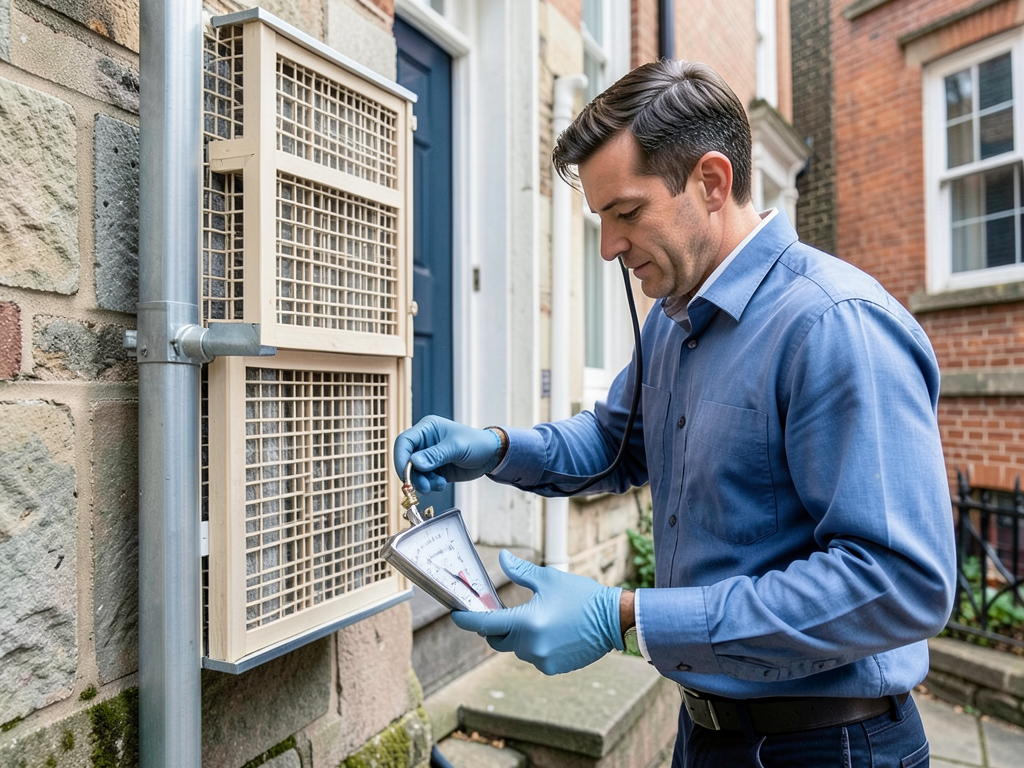
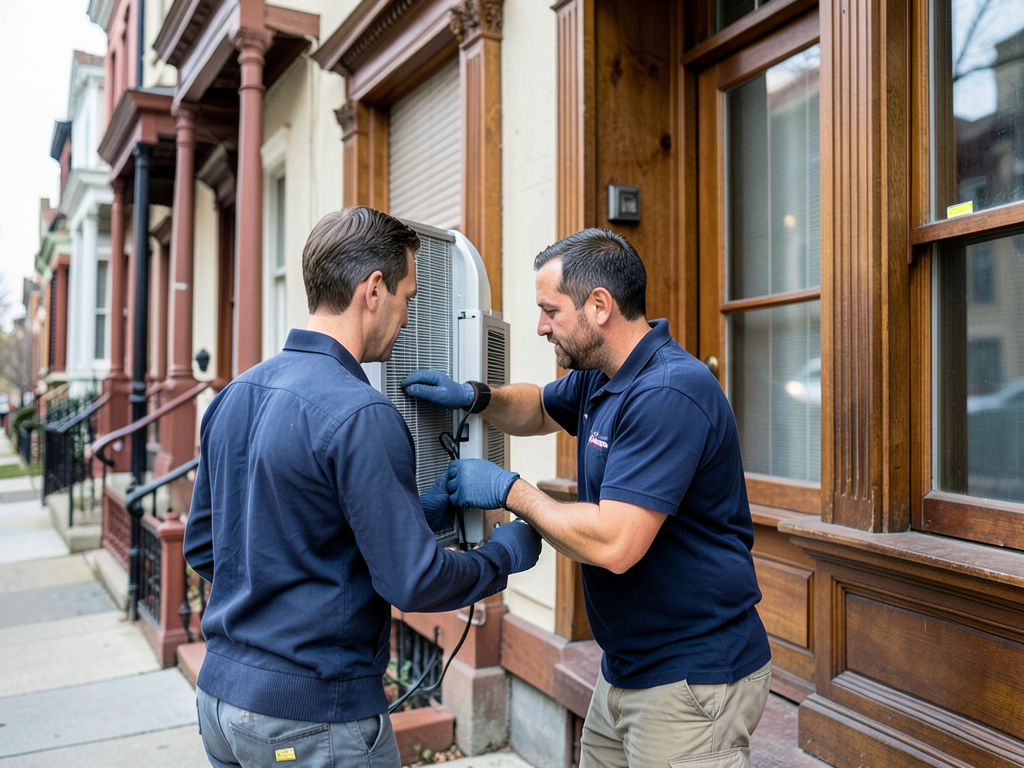
D.C.'s mix of historic row houses and modern high-rises requires customized efficiency strategies that account for building age, construction methods, and architectural constraints. Historic preservation regulations in Georgetown and Capitol Hill limit exterior modifications, requiring creative interior solutions for improving efficiency. Patriot HVAC Washington DC has worked throughout the district's diverse neighborhoods, understanding which efficiency improvements work best for different building types and age ranges. We navigate D.C.'s specific building codes and preservation requirements while maximizing energy savings. Our technicians live and work in the communities we serve, giving us firsthand knowledge of how D.C.'s unique climate, infrastructure, and regulations affect your cooling costs. That local expertise translates into recommendations that actually work in your specific situation.