
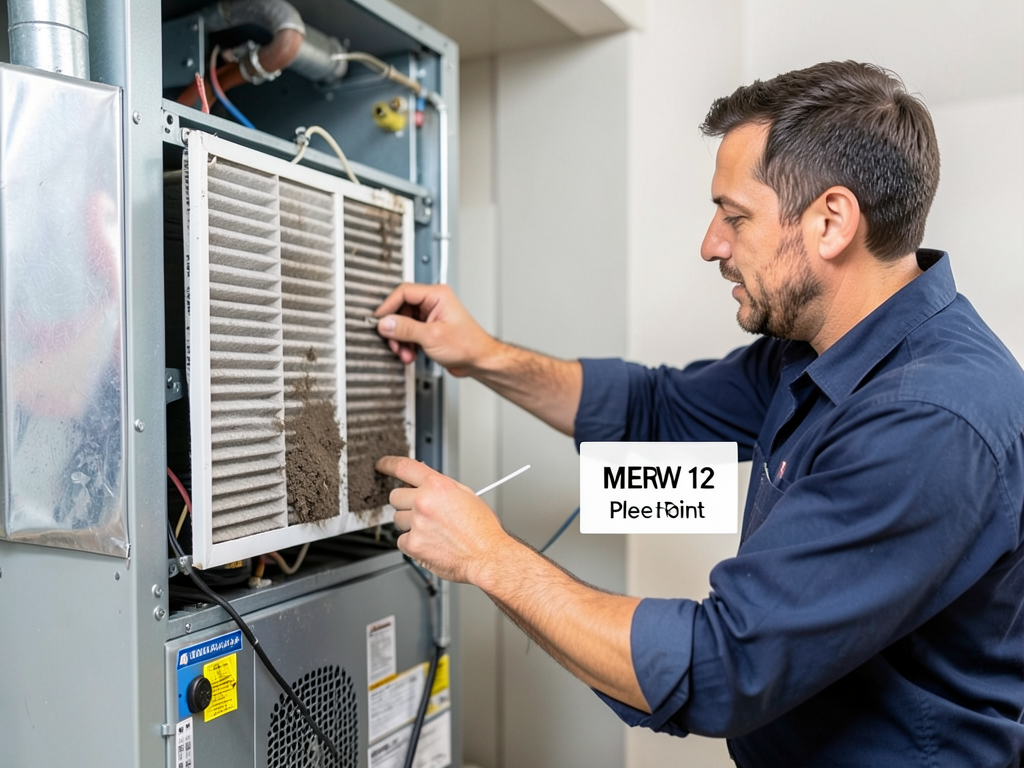
Keeping construction dust out of your Buzzard Point apartment during nearby building projects
Construction dust from new developments along the Anacostia River waterfront can infiltrate your apartment’s HVAC system and damage expensive components. The right filtration strategy combined with proper maintenance protects your equipment and keeps indoor air clean during the neighborhood’s building boom. How to Choose the Right Air Conditioning Replacement for Your Foggy Bottom Townhouse.
Construction sites generate silica dust from concrete cutting, drywall particles from finishing work, and sawdust from framing. These particles range from 0.5 to 100 microns and can bypass standard filters. Your HVAC system pulls this contaminated air through return vents, coating evaporator coils and clogging blower motors.. Read more about How Dirty Evaporator Coils Are Quietly Killing Your AC Efficiency in Stronghold.
Why Buzzard Point construction creates unique HVAC challenges
Buzzard Point’s transformation from industrial waterfront to mixed-use development means dozens of active construction sites within blocks of your building. The area’s historic brick structures and modern high-rises create different airflow patterns that affect how dust enters your system.
Older buildings along First Street have leaky ductwork that allows construction particles to bypass filters entirely. New developments near the waterfront have tighter envelopes but still struggle with dust infiltration during construction phases.
Local humidity levels around the Anacostia River increase dust adhesion inside ducts and on coils. When construction dust mixes with moisture, it creates a cement-like coating that reduces heat transfer efficiency by up to 30%.
MERV ratings that actually stop construction dust
MERV stands for Minimum Efficiency Reporting Value and measures a filter’s ability to capture particles between 0.3 and 10 microns. Standard fiberglass filters rated MERV 1-4 only trap 20% of construction dust particles.
MERV 11 filters capture 85% of particles 1-3 microns in size, which includes most drywall dust and silica particles. MERV 13 filters trap 90% of these particles plus smaller bacteria and smoke particles.
MERV 16 filters seem ideal but create excessive static pressure in older DC systems. The American Society of Heating, Refrigerating and Air-Conditioning Engineers (ASHRAE) recommends MERV 11-13 for residential applications where construction dust is present. ASHRAE Standard 62.2.
Filter types that work best during construction
Pleated media filters outperform fiberglass in construction environments. The accordion design increases surface area by 300% compared to flat filters, allowing better airflow while capturing more dust.
Electrostatic filters use self-charging fibers to attract particles. They work well for construction dust but require monthly washing during heavy construction periods. The filter material loses effectiveness when coated with drywall compound dust.
HEPA filters capture 99.97% of particles but require special housing modifications. Most residential HVAC systems cannot generate enough static pressure to push air through HEPA filters without significant modifications.
Construction-specific filter replacement schedule
Standard filter replacement every 90 days fails during construction. Dust accumulation increases static pressure, forcing your system to work harder and potentially causing premature motor failure.
During active construction within 500 feet of your building, replace filters every 2 weeks. Check filters weekly by removing them and holding them up to light. If you cannot see light through the filter, replace it immediately.
Post-construction cleanup requires a different approach. After final inspections, run your system on fan-only mode for 24 hours with all windows open. This circulates air through fresh filters and helps remove residual construction particles from your ducts.
Protecting your HVAC system during renovations
Construction dust doesn’t just enter through return vents. Contractors tracking debris across floors create airborne particles that settle on equipment and infiltrate through small gaps around doors and windows.
Install temporary register filters on all supply vents. These 1-inch thick filters prevent dust from entering supply ducts where it’s harder to remove. They cost $5-8 each but prevent expensive duct cleaning later.
Cover your outdoor condenser unit with a breathable mesh cover during nearby construction. This prevents fine particles from clogging condenser coils while allowing moisture to escape. Remove the cover at night to prevent condensation buildup.
Signs construction dust has already entered your system
Unusual symptoms indicate construction particles have bypassed your filters. Listen for whistling sounds from vents, which indicates restricted airflow from dust buildup in ducts. Feel for hot air coming from supply registers, suggesting your evaporator coil is coated with dust.
Check your condensate drain pan monthly during construction. Construction dust mixed with condensate creates a sludge that clogs drain lines. This backup can cause water damage to your ceiling or walls.
Monitor your energy bills. A 15% increase in cooling costs during construction periods often indicates your system is working harder due to dust accumulation on coils and in ducts. The Best Heating and Cooling Solutions for Adams Morgan Condos.
DC building code considerations for HVAC protection
Washington DC building codes require contractors to implement dust control measures during renovations. The DC Department of Consumer and Regulatory Affairs mandates dust barriers and negative air pressure systems for projects disturbing lead-based paint in buildings constructed before 1978. DC Department of Consumer and Regulatory Affairs.
ASHRAE Standard 62.2 addresses ventilation during construction and requires temporary measures to protect existing HVAC systems. Contractors must seal return vents and install temporary filtration when working in occupied buildings.
Post-construction, DC code requires duct cleaning verification for commercial renovations affecting ventilation systems. While not mandatory for residential, this standard protects your investment in HVAC equipment.
Professional duct cleaning vs. DIY approaches
Construction dust that settles in your ductwork requires professional removal. DIY methods using shop vacuums only remove surface dust and can actually push particles deeper into duct systems.
Professional duct cleaning uses negative air pressure and rotating brushes to dislodge dust from duct walls. The process removes construction debris that has accumulated over months or years of nearby building projects.
National Air Duct Cleaners Association (NADCA) certified technicians use equipment that captures particles down to 0.3 microns. This level of cleaning restores your system’s original efficiency and improves indoor air quality.
Emergency HVAC protection during major construction
Major construction projects like the redevelopment of the former Pepco site can generate dust for years. Install a pre-filter housing on your return air duct to capture the heaviest particles before they reach your main filter.
Pre-filters cost $30-50 and extend the life of your main filter by 50%. They’re especially valuable in older Buzzard Point buildings where ductwork has gaps that allow dust infiltration.
Consider upgrading to a variable-speed blower motor during construction periods. These motors adjust their speed based on static pressure, preventing the strain that constant high-speed operation causes when filters are partially clogged with construction dust.
Post-construction HVAC maintenance checklist
After nearby construction completes, your HVAC system needs specific attention to restore optimal performance. Replace all filters immediately, even if they were changed recently during construction.
Clean or replace your evaporator coil if you notice reduced cooling capacity. Construction dust mixed with condensate creates a cement-like coating that insulates the coil and reduces heat transfer.
Check your blower wheel for dust accumulation. Construction particles can bypass filters and coat the blower wheel, causing imbalance and vibration. This reduces efficiency and can lead to premature bearing failure.
Room air scrubbers vs. HVAC filtration
During intense construction periods, consider supplementing your HVAC system with portable HEPA air scrubbers. These units filter air in specific rooms and capture particles your HVAC system misses.
HEPA air scrubbers process 500-900 cubic feet per minute, treating a 1,200 square foot apartment in about 30 minutes. They’re particularly effective in bedrooms where you spend 8+ hours breathing the air.
Place air scrubbers near return vents to pre-filter air before it enters your HVAC system. This extends filter life and reduces the load on your main system during construction periods.
Cost factors for construction dust protection
Quality MERV 11-13 filters cost $15-25 each compared to $5-8 for basic fiberglass filters. During construction, you’ll use 6-8 filters in the time you’d normally use one, increasing your annual filter cost from $60 to $150-200.
Professional duct cleaning ranges from $300-600 depending on your apartment size and duct configuration. This investment pays for itself through improved efficiency and prevented equipment damage.
Emergency service calls for dust-related HVAC failures average $200-400. Preventing these calls through proper filtration and maintenance saves money and avoids the inconvenience of system downtime during DC’s hot summers.
Local Buzzard Point construction timeline awareness
Understanding nearby construction schedules helps you prepare your HVAC system. The redevelopment of the former Pepco site along the Anacostia River will generate dust for the next 3-5 years as multiple phases complete.
Seasonal factors affect dust levels. Spring and fall construction activity increases airborne particles due to drier conditions. Summer humidity causes dust to settle more quickly but also creates the cement-like coatings that are harder to remove.
Talk to your building management about upcoming construction projects. Request advance notice of major demolition or concrete cutting work so you can prepare your system with fresh filters and temporary protection measures.
Frequently Asked Questions
How often should I change my filter during nearby construction?
Change filters every 2 weeks during active construction within 500 feet of your building. Check them weekly by holding them up to light – if you can’t see light through the filter, replace it immediately.
Can construction dust damage my HVAC system permanently?
Yes. Construction dust can permanently damage evaporator coils, blower motors, and compressors. Silica dust creates abrasive wear on bearings, while drywall dust mixed with moisture forms cement-like coatings that reduce heat transfer efficiency.
What MERV rating should I use during construction?
MERV 11-13 provides the best balance of filtration and airflow. MERV 16 filters capture more particles but create excessive static pressure in most residential systems, potentially causing motor failure.
Should I turn off my HVAC during major nearby construction?
No. Turning off your system allows construction dust to settle in your home and ducts. Instead, run your system on fan-only mode during the day to circulate air through filters, then return to normal operation at night.
How do I know if construction dust has entered my ducts?
Signs include whistling sounds from vents, hot air from supply registers, increased energy bills, and visible dust buildup around vents. Professional duct inspection with a camera can confirm contamination levels.
Protect your Buzzard Point HVAC system now
Construction dust doesn’t wait for convenient timing. The longer you delay proper filtration, the more damage occurs to your expensive HVAC components. A few dollars in quality filters today prevents hundreds in repairs tomorrow. Getting Fast AC Repair for Your Navy Yard Apartment or Condo.
Call (771) 218-6322 today to schedule your HVAC inspection. Our technicians understand Buzzard Point’s unique construction challenges and can recommend the right filtration strategy for your specific building and construction conditions.
Don’t let construction dust compromise your comfort or damage your system. Pick up the phone and call (771) 218-6322 before the next phase of development begins. Your HVAC system deserves protection from Buzzard Point’s building boom.
{
“@context”: “https://schema.org”,
“@type”: “BlogPosting”,
“headline”: “Keeping construction dust out of your Buzzard Point apartment during nearby building projects”,
“description”: “Protect your HVAC system from construction dust in Buzzard Point with MERV 13 filters, proper maintenance schedules, and expert tips for DC’s historic buildings.”,
“wordCount”: 1802,
“datePublished”: “2026-05-28T14:59:00.000Z”,
“dateModified”: “2026-05-28T14:59:00.000Z”,
“inLanguage”: “en-US”,
“mainEntityOfPage”: {
“@type”: “WebPage”,
“@id”: “https://patriothvacwashingtondc.com”
},
“publisher”: {
“@type”: “LocalBusiness”,
“name”: “Patriot HVAC Washington DC”,
“url”: “https://patriothvacwashingtondc.com”
},
“author”: {
“@type”: “Organization”,
“name”: “Patriot HVAC Washington DC”,
“url”: “https://patriothvacwashingtondc.com”
},
“image”: {
“@type”: “ImageObject”,
“url”: “https://patriothvacwashingtondc.com/wp-content/uploads/2026/03/keeping-construction-dust-out-of-your-buzzard-poin-1.png”
}
}
{
“@context”: “https://schema.org”,
“@type”: “HVACBusiness”,
“name”: “Patriot HVAC Washington DC”,
“url”: “https://patriothvacwashingtondc.com”,
“address”: {
“@type”: “PostalAddress”,
“addressLocality”: “Washington DC”
},
“areaServed”: {
“@type”: “City”,
“name”: “Washington DC”
}
}
{
“@context”: “https://schema.org”,
“@type”: “FAQPage”,
“mainEntity”: [
{
“@type”: “Question”,
“name”: “How often should I change my filter during nearby construction?”,
“acceptedAnswer”: {
“@type”: “Answer”,
“text”: “Change filters every 2 weeks during active construction within 500 feet of your building. Check them weekly by holding them up to light – if you can’t see light through the filter, replace it immediately.”
}
},
{
“@type”: “Question”,
“name”: “Can construction dust damage my HVAC system permanently?”,
“acceptedAnswer”: {
“@type”: “Answer”,
“text”: “Yes. Construction dust can permanently damage evaporator coils, blower motors, and compressors. Silica dust creates abrasive wear on bearings, while drywall dust mixed with moisture forms cement-like coatings that reduce heat transfer efficiency.”
}
},
{
“@type”: “Question”,
“name”: “What MERV rating should I use during construction?”,
“acceptedAnswer”: {
“@type”: “Answer”,
“text”: “MERV 11-13 provides the best balance of filtration and airflow. MERV 16 filters capture more particles but create excessive static pressure in most residential systems, potentially causing motor failure.”
}
},
{
“@type”: “Question”,
“name”: “Should I turn off my HVAC during major nearby construction?”,
“acceptedAnswer”: {
“@type”: “Answer”,
“text”: “No. Turning off your system allows construction dust to settle in your home and ducts. Instead, run your system on fan-only mode during the day to circulate air through filters, then return to normal operation at night.”
}
},
{
“@type”: “Question”,
“name”: “How do I know if construction dust has entered my ducts?”,
“acceptedAnswer”: {
“@type”: “Answer”,
“text”: “Signs include whistling sounds from vents, hot air from supply registers, increased energy bills, and visible dust buildup around vents. Professional duct inspection with a camera can confirm contamination levels.”
}
}
]
}
{
“@context”: “https://schema.org”,
“@type”: “BreadcrumbList”,
“itemListElement”: [
{
“@type”: “ListItem”,
“position”: 1,
“name”: “Home”,
“item”: “https://patriothvacwashingtondc.com”
},
{
“@type”: “ListItem”,
“position”: 2,
“name”: “Blog”,
“item”: “https://patriothvacwashingtondc.com/blog”
},
{
“@type”: “ListItem”,
“position”: 3,
“name”: “Keeping construction dust out of your Buzzard Point apartment during nearby building projects”
}
]
}
{
“@context”: “https://schema.org”,
“@type”: “Service”,
“serviceType”: “HVAC”,
“provider”: {
“@type”: “LocalBusiness”,
“name”: “Patriot HVAC Washington DC”,
“url”: “https://patriothvacwashingtondc.com”
},
“areaServed”: {
“@type”: “City”,
“name”: “Washington DC”
},
“description”: “Protect your HVAC system from construction dust in Buzzard Point with MERV 13 filters, proper maintenance schedules, and expert tips for DC’s historic buildings.”
}