Menu

Outdoor Unit Not Spinning in Washington, D.C. – Expert Diagnosis and Same-Day Repair

When your outdoor AC fan stops running, Patriot HVAC Washington DC pinpoints the exact cause and restores cooling fast. We diagnose condenser fan motor failure, capacitor issues, and electrical faults specific to Outdoor Unit Not Spinning problems across the District.

Slider Image 1
Slider Image 2
Slider Image 3
Slider Image 4
Slider Image 5
Slider Image 7
Slider Image 8
Slider Image 9
Slider Image 10
Slider Image 11

Why Your Outdoor Unit Fan Stopped Spinning in Washington, D.C.

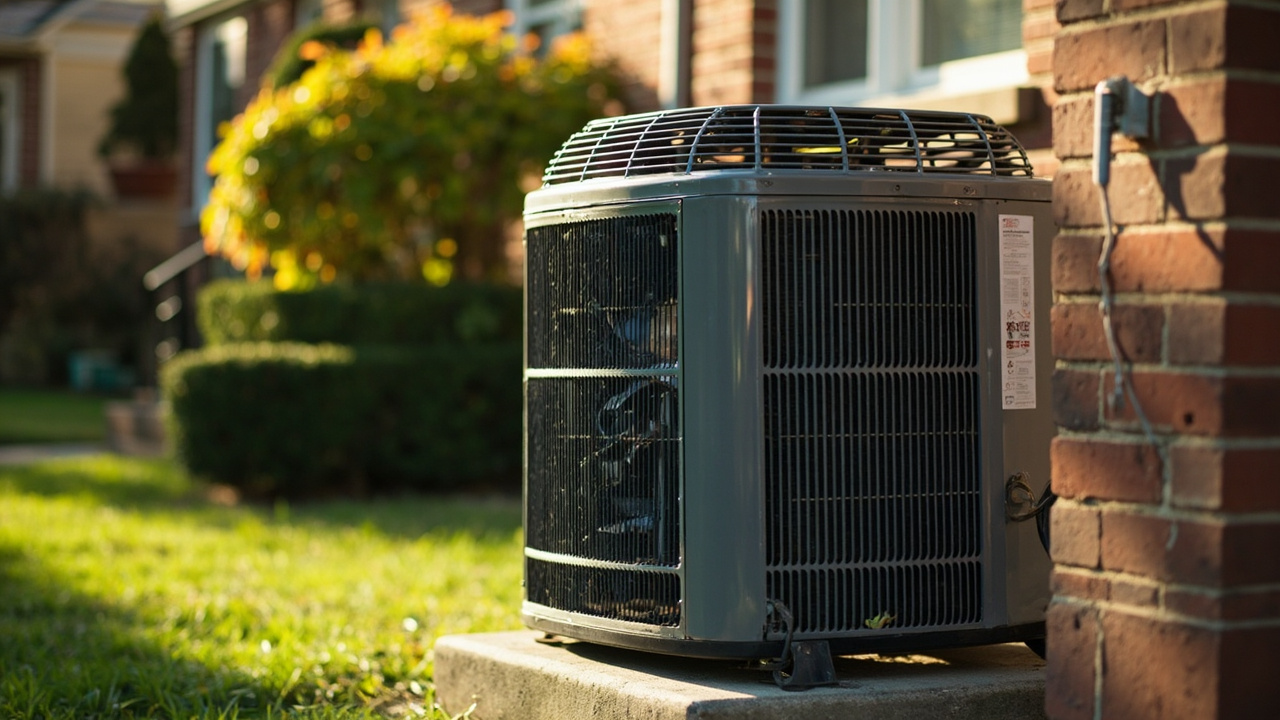
You walk outside and notice your air conditioner outdoor fan not running. The compressor hums, but the blades sit motionless. Inside, the temperature climbs.

Washington, D.C.'s brutal summer humidity and temperatures pushing 95 degrees put constant stress on condenser fan motors. When the outside AC fan not turning happens during a heat wave, your compressor works overtime without airflow to dissipate heat. This accelerates refrigerant pressure, trips safety switches, and can damage the compressor itself.

The condenser fan not spinning usually stems from four issues. Capacitor failure tops the list. The start capacitor or run capacitor provides the electrical jolt needed to spin the motor. Washington, D.C.'s voltage fluctuations during peak demand hours strain capacitors. They bulge, leak, or fail completely.

Motor bearing failure comes next. Years of operation, combined with pollen from the National Mall's cherry blossoms and dust from construction across Capitol Hill, clog motor bearings. They seize. The blade assembly locks up.

Contactor failure prevents power from reaching the fan motor. The relay switch that energizes the outdoor unit wears out from electrical arcing. You hear clicking, but nothing spins.

Finally, the fan motor itself burns out. Windings overheat, insulation breaks down, and the motor dies. When your AC condenser fan not working, the root cause determines the repair path. Guessing wastes time and money.

Why Your Outdoor Unit Fan Stopped Spinning in Washington, D.C.
How We Diagnose and Repair Your Non-Spinning Condenser Fan

How We Diagnose and Repair Your Non-Spinning Condenser Fan

We do not swap parts randomly. Our technicians use a systematic diagnostic protocol that isolates the failure point in under 20 minutes.

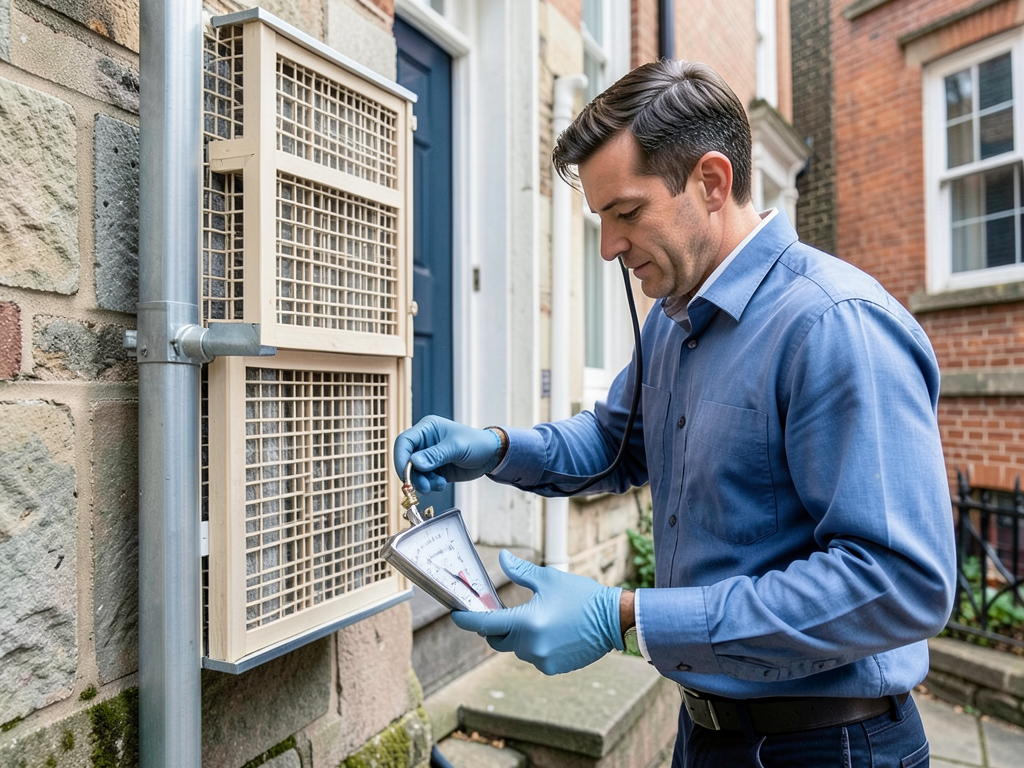
First, we test voltage at the contactor. A multimeter reading confirms whether 240 volts reaches the outdoor unit. If voltage arrives but the fan does not spin, we know the contactor works. If no voltage appears, we replace the contactor immediately.

Next, we test the capacitor. A capacitance meter measures microfarads. Capacitors rated at 35 MFD that test at 15 MFD get replaced. We carry dual-run capacitors, start capacitors, and hard-start kits on every truck. Most capacitor swaps take 15 minutes.

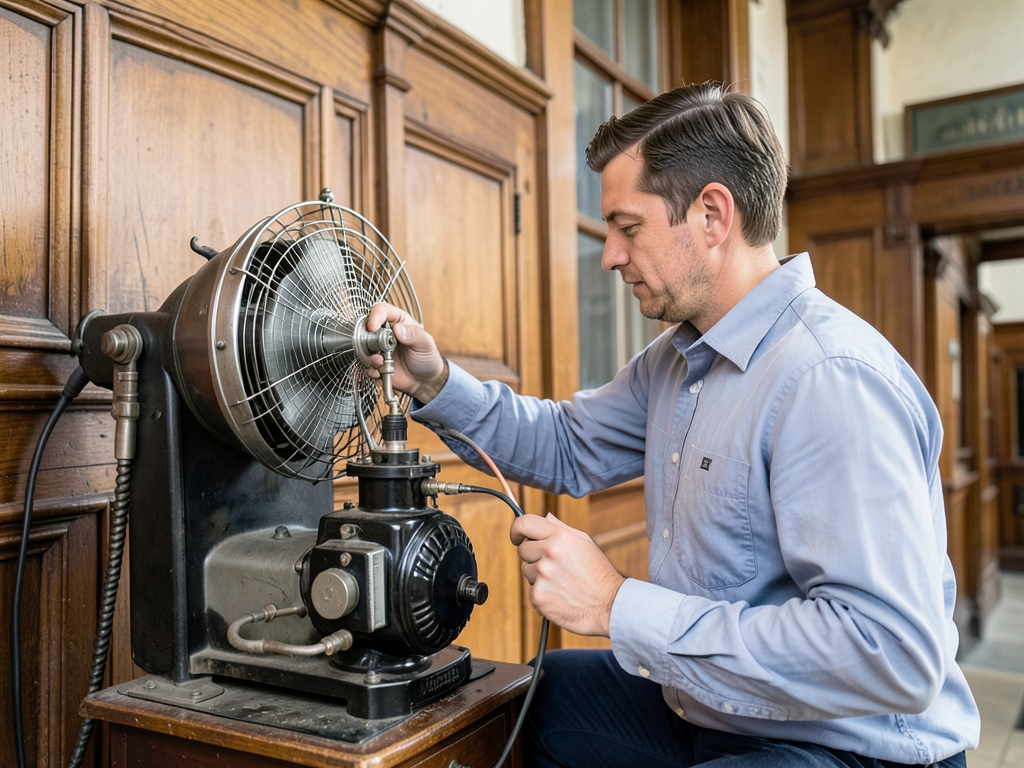
Then we test the fan motor. We disconnect power, remove the top grille, and manually spin the blade assembly. If it spins freely, the bearings work. We reconnect power and check amperage draw. A motor pulling 12 amps on a 6-amp rated unit signals winding failure. That motor gets replaced.

If the blade does not spin manually, debris or a seized bearing locks the shaft. We remove the fan blade, inspect the motor shaft, and clean or replace as needed.

We also inspect the run wiring. Frayed insulation near the disconnect box, corroded wire nuts, or loose terminals create resistance. We repair or replace compromised wiring to prevent future failures.

Patriot HVAC Washington DC uses OEM-grade replacement parts. Aftermarket fan motors fail twice as fast in Washington, D.C.'s summer heat. We install components built to handle the electrical load and thermal stress your system demands.

What Happens When You Call About a Stopped Outdoor Fan

Outdoor Unit Not Spinning in Washington, D.C. – Expert Diagnosis and Same-Day Repair
01

Emergency Dispatch

You call (771) 218-6322 and describe the outdoor unit fan stopped issue. Our dispatcher confirms your address in Washington, D.C. and assigns a technician within 90 minutes. We ask if the compressor hums or if the unit is completely silent. This helps us pre-load the right parts. You receive a text with technician name, photo, and arrival window.
02

On-Site Testing

The technician arrives with a fully stocked van. They power down the system, remove the condenser top panel, and begin electrical testing. Voltage checks, capacitance readings, and amperage tests pinpoint the failed component. You watch the process. We explain each test result in plain language. Within 20 minutes, you know exactly what failed and what it costs to fix.
03

Component Replacement

Once you approve the repair, we install the new capacitor, motor, or contactor. We test the system under load for five minutes, checking blade RPM, amperage, and airflow. The outdoor fan spins smoothly. We replace the top panel, clean up, and review what we fixed. You sign off, and your cooling returns to normal operation.

Why Washington, D.C. Homeowners Trust Patriot HVAC for Condenser Fan Repairs

Washington, D.C. presents unique HVAC challenges. Summer heat islands around downtown push outdoor temperatures 8 degrees higher than surrounding suburbs. Electrical grids strain during afternoon peaks. Older rowhomes in Dupont Circle and Georgetown house aging condensers with outdated wiring.

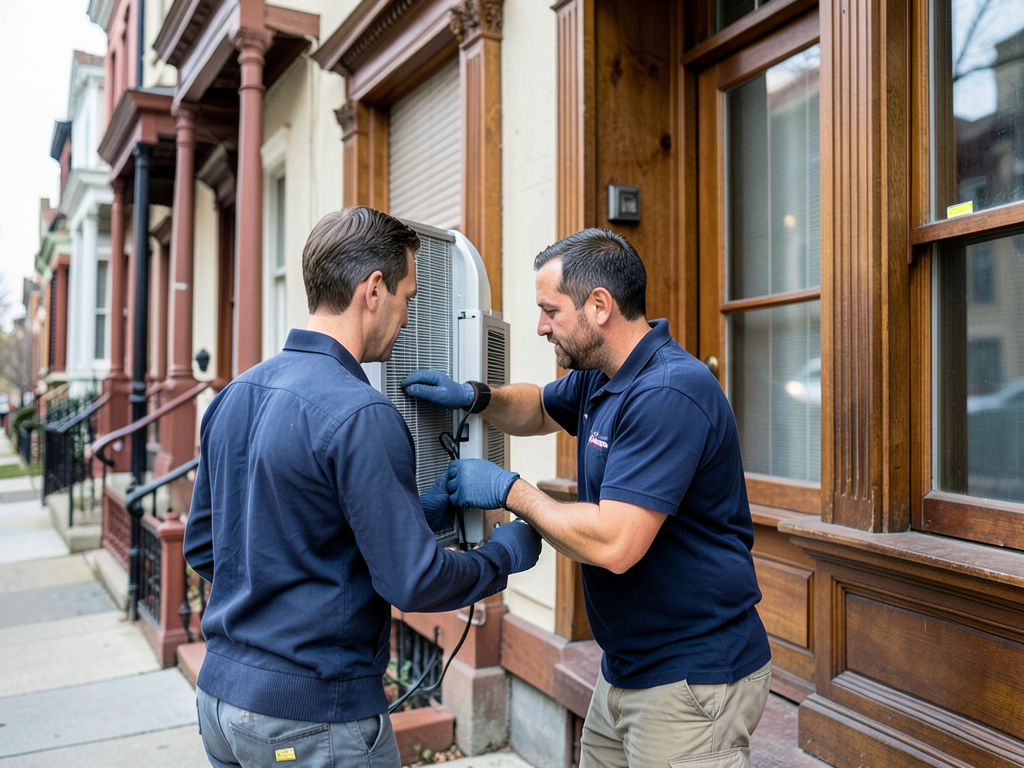
We know these systems. We have repaired condenser fans in every ward, from Capitol Hill brownstones to new construction in Navy Yard. We understand the electrical quirks of D.C.'s housing stock.

Patriot HVAC Washington DC technicians carry parts for every major brand: Carrier, Trane, Lennox, Goodman, Rheem, and York. We do not need to order parts for common failures. The capacitor, motor, or contactor you need sits in our van.

We also understand urgency. When the air conditioner outdoor fan not running during a Code Red heat advisory, you need repair today. We prioritize same-day service. Most outdoor unit fan stopped calls get resolved within four hours of your call.

Our technicians do not upsell. If your system needs only a capacitor, we replace only the capacitor. If the compressor shows early failure signs during our diagnostic, we tell you. You decide whether to repair or replace.

We provide clear pricing before we start work. No hidden fees. No trip charges disguised as diagnostic fees. You pay for the part and the labor. That is it.

Washington, D.C. homeowners choose Patriot HVAC Washington DC because we show up, fix the problem, and leave your system running reliably. We do not complicate simple repairs.

What You Can Expect When Your Outdoor Fan Stops Spinning

Rapid Response Time

We dispatch technicians to Washington, D.C. addresses within 90 minutes of your call during business hours. Emergency calls after 6 PM receive response within two hours. Our trucks stay stocked year-round, so we carry the capacitors and motors needed for immediate repair. You do not wait days for parts to arrive. Most condenser fan repairs finish the same day you call. We know summer heat does not wait, and neither should you.

Thorough Electrical Diagnostics

Our diagnostic process uses calibrated multimeters, capacitance testers, and amp clamps. We measure voltage at the disconnect, test capacitance against the rated MFD, check contactor resistance, and verify motor winding continuity. This eliminates guesswork. You receive a written diagnostic summary showing exactly what failed. We explain the test results in plain terms before recommending any repair. No jargon. No pressure. Just facts about what your system needs to run properly.

Reliable Component Installation

We install OEM-grade capacitors rated for Washington, D.C.'s temperature extremes and humidity. Replacement fan motors match your unit's tonnage and electrical specs. We torque electrical connections to manufacturer standards and secure blade assemblies with proper hardware. After installation, we run the system under load for five full minutes, monitoring amperage draw and blade RPM. You see the outdoor fan spinning before we leave. The repair is complete, not provisional.

Post-Repair Support

We provide a written receipt detailing the parts installed and labor performed. If you experience any issue with the repaired component within 30 days, we return at no charge to inspect and correct the problem. We also offer optional maintenance agreements that include annual condenser cleaning, capacitor testing, and electrical inspections. Preventive maintenance reduces fan motor failures by catching bearing wear and capacitor degradation before they cause breakdowns. Many Washington, D.C. homeowners schedule spring tune-ups to avoid summer emergencies.

Frequently Asked Questions

You Have Questions,
We Have Answers

Why is my outside unit not spinning? +

Your outdoor unit stops spinning due to several common causes. A tripped circuit breaker or blown fuse cuts power completely. A failed capacitor prevents the motor from starting, which is frequent in Washington, D.C.'s humid summers when capacitors degrade faster. A seized fan motor from debris, rust, or bearing failure physically blocks rotation. Faulty wiring or a bad contactor stops electrical signals from reaching the motor. The thermostat may also malfunction, preventing the system from calling for cooling. Turn off your AC immediately and call a technician. Running the system with a non-spinning fan overheats the compressor and causes expensive damage.

What is the problem if the fan is not spinning? +

A non-spinning fan means your compressor runs without proper airflow, which leads to overheating and system failure. The capacitor likely failed, which is the most common cause. Capacitors store electrical charge to start the motor, and Washington, D.C.'s extreme heat stress weakens them quickly. The fan motor itself may be burned out from age or electrical surge. Debris like leaves, cottonwood seeds, or dirt may jam the blades. A broken fan blade or bent shaft also prevents rotation. Without airflow, refrigerant pressure spikes, the compressor overheats, and you risk a complete system breakdown within hours.

Why is my AC unit making a sound but not spinning? +

If your unit hums or buzzes but the fan does not spin, the capacitor is failing. The motor tries to start but lacks the electrical boost needed to turn the blades. This sound is the motor straining against resistance. In Washington, D.C., where humidity accelerates capacitor deterioration, this is a frequent summer problem. Alternatively, the fan motor bearings may be seized from rust or dirt buildup. A stuck contactor can also cause humming without movement. Shut off the system immediately. Continued operation burns out the compressor, turning a simple capacitor replacement into a thousand-dollar repair.

Should I turn off my AC if the fan isn't spinning? +

Yes, turn off your AC immediately if the fan stops spinning. Your compressor continues running without airflow, which causes refrigerant pressure to skyrocket and internal temperatures to climb dangerously high. Within hours, you risk compressor failure, which is the most expensive component in your system. The lack of airflow also freezes the evaporator coil indoors, leading to water damage when it thaws. In Washington, D.C.'s summer heat, a non-spinning fan accelerates damage quickly. Shut off the system at the thermostat and the breaker, then call a technician. Catching the problem early saves you thousands in compressor replacement costs.

How much does it cost to fix a AC fan not spinning? +

Repair costs depend on the root cause. A capacitor replacement typically runs between affordable and moderate pricing, making it the cheapest fix. A fan motor replacement costs more due to parts and labor. If the compressor overheated from prolonged operation without a fan, you face significantly higher costs for compressor replacement. Contactor or wiring repairs fall in the lower range. In Washington, D.C., expect slightly higher labor rates due to demand during peak cooling season. Costs vary by system size, refrigerant type, and accessibility. Get a diagnostic from a licensed technician before committing to repairs. Delaying the fix always increases the final bill.

How do you reset your outside AC unit? +

To reset your outdoor unit, turn off the thermostat and locate your electrical disconnect box near the condenser. Flip the switch to the off position and wait five minutes. This allows capacitors to discharge and the system to reset fully. Switch the disconnect back on, then restore power at the thermostat. Listen for the compressor and fan to start together. If the fan still does not spin, you have a hardware failure, not a software glitch. In Washington, D.C.'s humid climate, resets rarely fix mechanical problems like bad capacitors or seized motors. Call a technician if the reset fails.

How do I know if my fan motor is blown? +

A blown fan motor shows clear signs. The motor does not hum or make any sound when power is on, indicating complete electrical failure. You may smell burning plastic or see scorch marks on the motor housing. The shaft does not turn freely when you manually spin the blades with power off. In Washington, D.C., high humidity and seasonal storms cause electrical surges that fry motors. A multimeter test shows no continuity across motor windings, confirming it is dead. If the motor is hot to the touch after being off, internal windings are shorted. Blown motors require full replacement.

Can you spray WD-40 in a fan motor? +

No, never spray WD-40 into your fan motor. WD-40 is a solvent, not a lubricant, and it attracts dirt and grime that gum up bearings faster. Modern sealed fan motors are permanently lubricated and require no maintenance. If you have an older motor with oil ports, use only electric motor oil, not penetrating spray. In Washington, D.C.'s dusty spring pollen season, WD-40 creates a sticky residue that traps debris and accelerates motor failure. If your motor squeals or grinds, it needs bearing replacement or a new motor entirely. Lubricants are a temporary bandaid that worsens the underlying problem.

How do I make my fan spin again? +

Fixing a non-spinning fan depends on the cause. If debris jams the blades, turn off power at the breaker, remove the top grille, and clear leaves or sticks. Try manually spinning the blades to check for smooth rotation. If the motor hums but does not spin, you need a capacitor replacement, which requires a technician. A seized motor from rust or bearing failure needs professional motor replacement. In Washington, D.C., where humidity causes rapid corrosion, DIY fixes rarely work beyond clearing debris. Attempting electrical repairs without training risks shock or further damage. Call a licensed HVAC technician for diagnosis and safe repair.

What is the $5000 rule for AC? +

The informal guideline suggests replacing your AC unit if repair costs exceed half the price of a new system, adjusted for the unit's age. For example, if your system is ten years old and a repair costs several thousand dollars, replacement may be smarter than sinking money into an aging unit. In Washington, D.C., where high cooling demand stresses older systems, efficiency matters. Newer units use modern refrigerants and meet updated efficiency standards, cutting your electric bills significantly. This calculation is not a hard rule. A good technician evaluates system age, refrigerant type, efficiency, and expected lifespan before recommending replacement over repair.

How Washington, D.C.'s Power Grid Stress Accelerates Condenser Fan Failures

Washington, D.C.'s electrical infrastructure struggles during summer peaks. When every home from Shaw to Anacostia runs air conditioning simultaneously, voltage sags below 230 volts. This brownout condition forces condenser fan motors to draw higher amperage to maintain speed. The extra current overheats capacitors and degrades motor windings. Repeated voltage fluctuations shorten component lifespan by 30 percent compared to stable grid areas. Condenser fans that would last 15 years in suburban Maryland fail in 10 years within the District. This makes capacitor testing during annual maintenance critical for Washington, D.C. homeowners.

Patriot HVAC Washington DC operates across all eight wards. We repair condensers in historic districts where electrical panels date to the 1960s and new developments with modern 200-amp service. This experience matters. A technician who only works in newer suburbs will not recognize the wiring issues common to older D.C. neighborhoods. We understand how Federal-style rowhouse layouts affect condenser placement and how shared alley access complicates outdoor unit service. Local expertise means faster diagnosis and permanent repairs, not temporary fixes that fail again in six months.
HVAC Services in The Washington DC Area

Easily locate Patriot HVAC and explore our service area on the map below. We are strategically positioned to provide prompt and efficient heating, ventilation, and air conditioning services across Washington D.C. and its neighboring communities. Whether you're seeking a quick repair or a new installation, our team is ready to serve your comfort needs.

Address:
Patriot HVAC Washington DC, 20 F St NW, Washington, DC, 20001

Additional Services We Offer

Our news updates

Latest Articles & News from The Blogs

The Best Air Filter Upgrades for Georgetown Homes with Sensitive Historic Woodwork Georgetown's Federal-style rowhouses and Victorian homes need special…

The Best Air Filter Upgrades for Georgetown Homes with Sensitive Historic Woodwork

The Best Air Filter Upgrades for Georgetown Homes with Sensitive Historic Woodwork Georgetown's Federal-style rowhouses and Victorian homes need special…

The Best Air Filter Upgrades for Georgetown Homes with Sensitive Historic Woodwork

The Best Air Filter Upgrades for Georgetown Homes with Sensitive Historic Woodwork Georgetown's historic rowhouses and Federal-style homes face a…

The Best Air Filter Upgrades for Georgetown Homes with Sensitive Historic Woodwork

The Best Air Filter Upgrades for Georgetown Homes with Sensitive Historic Woodwork Georgetown's historic rowhouses and Federal-style homes feature exquisite…

Contact Us

Your air conditioner cannot cool without airflow. Call Patriot HVAC Washington DC at (771) 218-6322 right now. We diagnose the failure, explain the fix, and restore cooling the same day. Stop sweating. Start cooling.