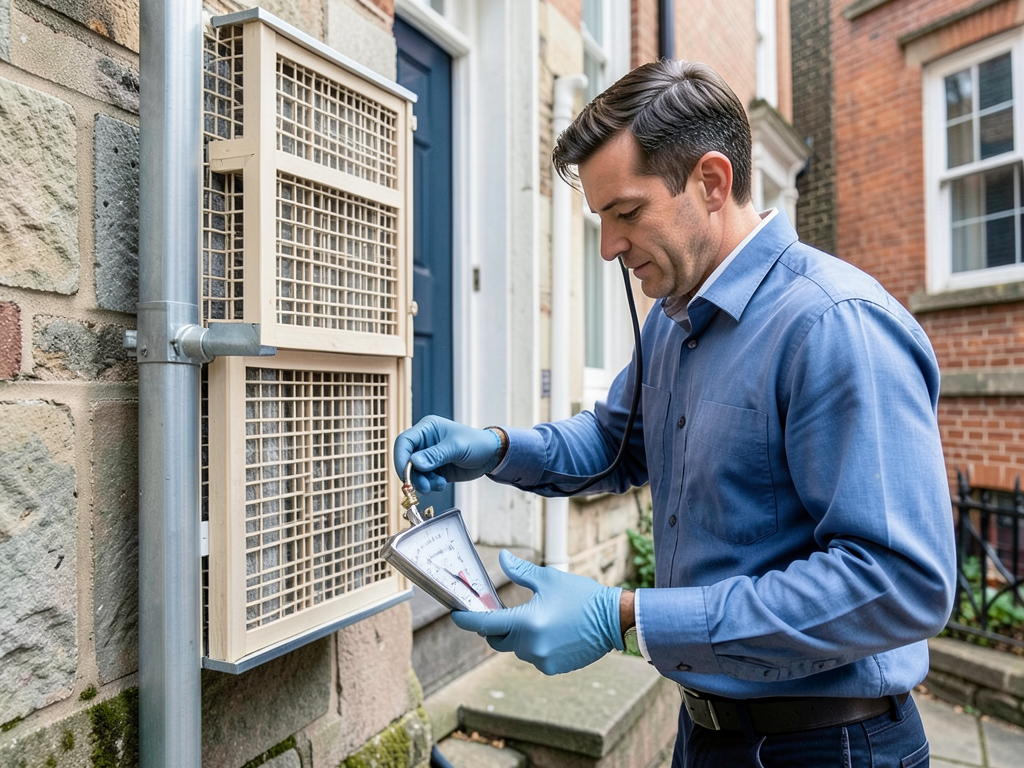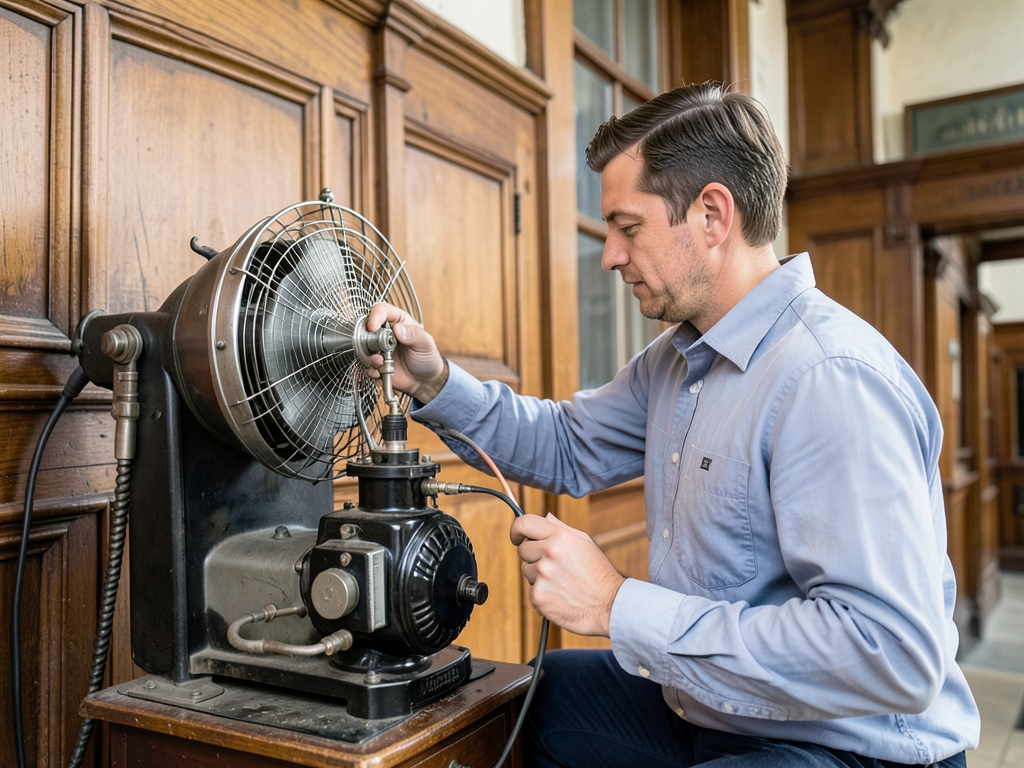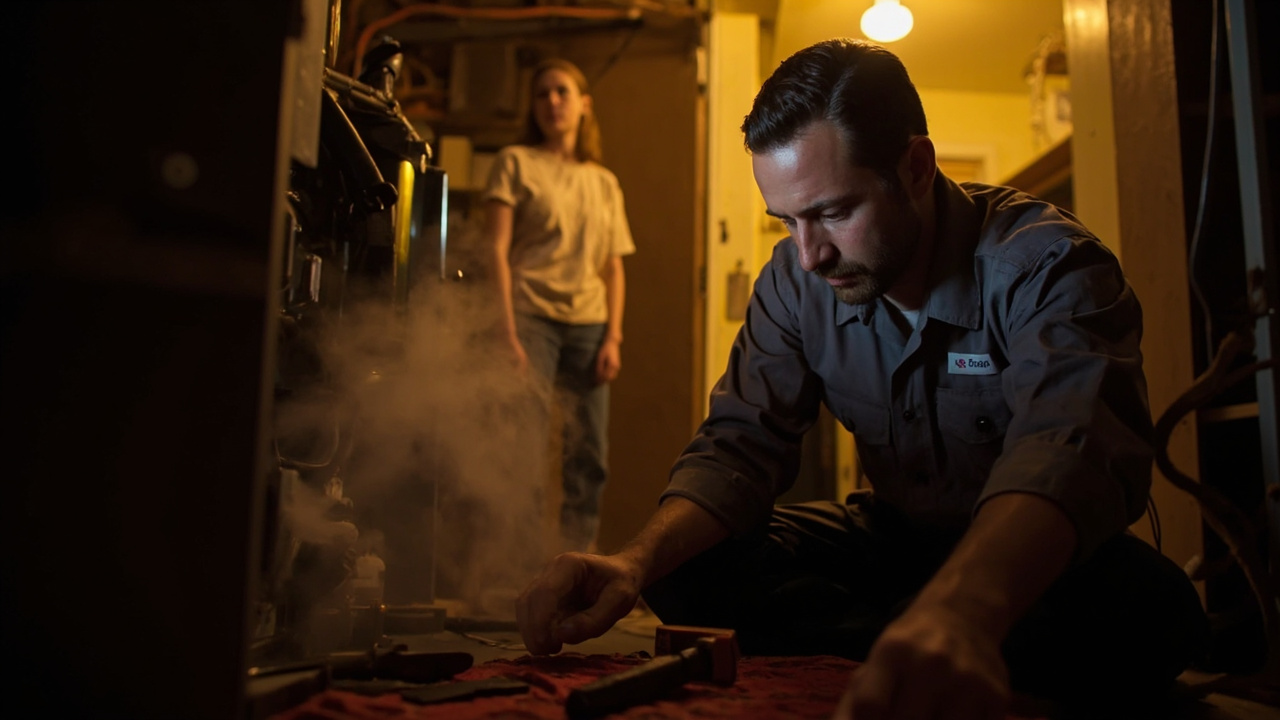
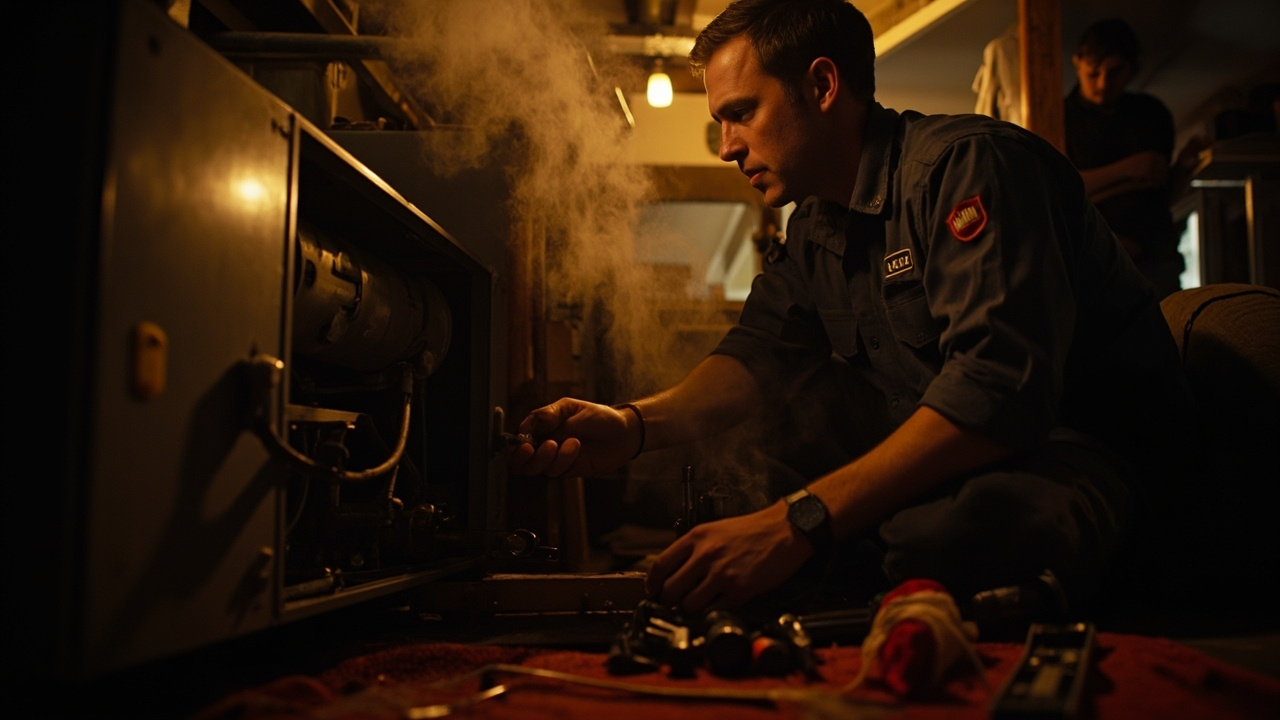
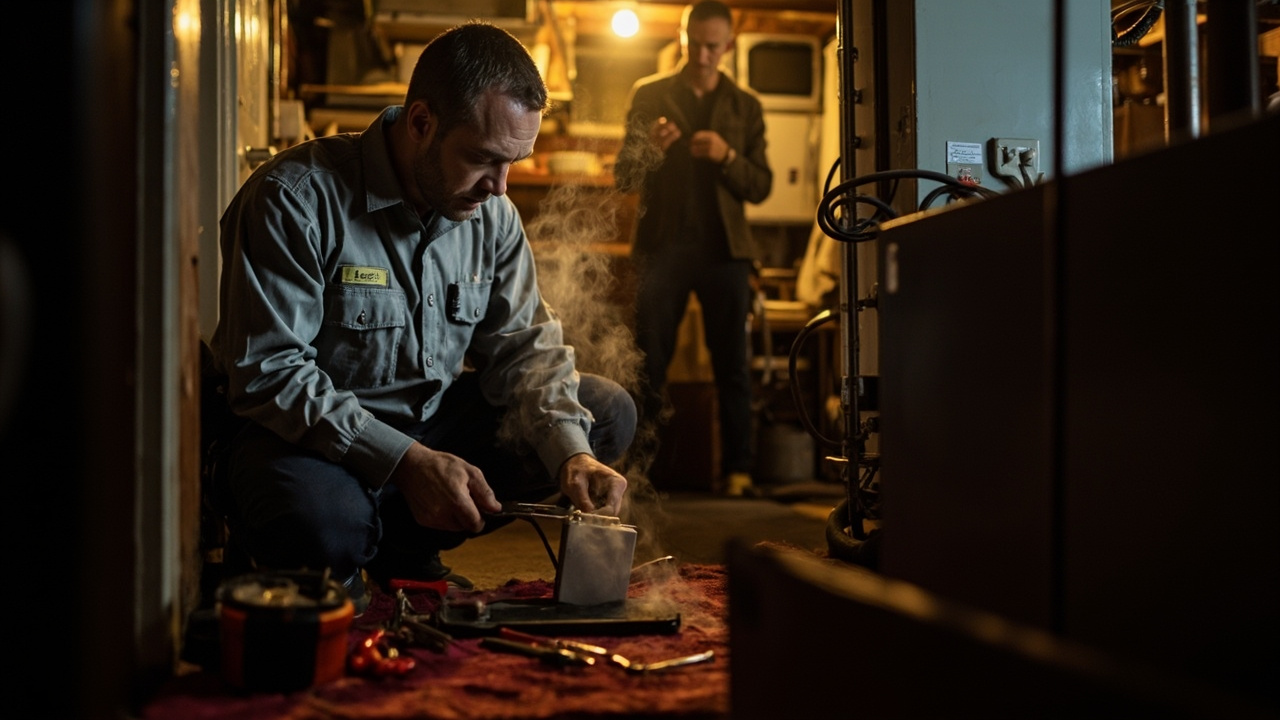
Washington, D.C. has one of the highest concentrations of pre-World War II housing in the country. Rowhouses in Capitol Hill, Shaw, and Dupont Circle were built between 1880 and 1940, and many still run boilers installed in the 1970s or earlier. These systems were built to last, but they are now operating decades past their intended lifespan. Cold snaps push these aging boilers to failure, especially when homeowners have deferred maintenance. The city's mix of oil and gas systems adds complexity. Oil-fired boilers require annual nozzle replacements and combustion chamber inspections. Gas boilers need flame sensor cleaning and heat exchanger evaluations. When these systems fail in winter, they fail hard, and emergency boiler breakdown response becomes the only option.
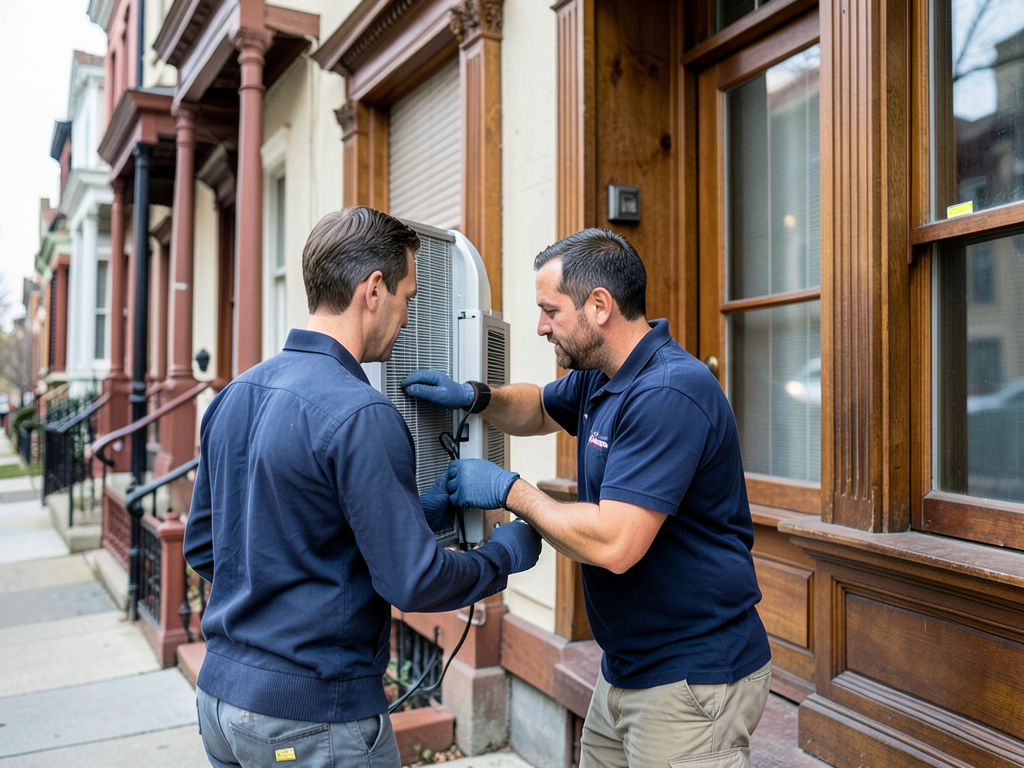
D.C. building codes and Historic Preservation Board rules add layers to boiler repairs that do not exist in newer suburbs. If you live in a historic district, certain boiler replacements require HPRB approval. Even emergency repairs can trigger permit requirements if the work involves venting changes or fuel conversions. We work with DCRA inspectors regularly and understand what repairs fall under routine maintenance versus what requires permits. This local knowledge keeps you compliant and avoids delays. When you need 24/7 boiler service, you need a contractor who knows D.C.'s regulatory environment, not just how to fix boilers.