Menu

High Energy Bills in Washington, D.C. – We Diagnose What's Actually Draining Your Wallet

If your utility costs keep climbing despite normal usage, your HVAC system is likely wasting energy. Patriot HVAC Washington DC uses diagnostic testing to pinpoint efficiency leaks and fix the root cause of expensive electricity bills.

Slider Image 1
Slider Image 2
Slider Image 3
Slider Image 4
Slider Image 5
Slider Image 7
Slider Image 8
Slider Image 9
Slider Image 10
Slider Image 11

Why Washington, D.C. Homeowners See Rising Utility Costs Every Summer and Winter

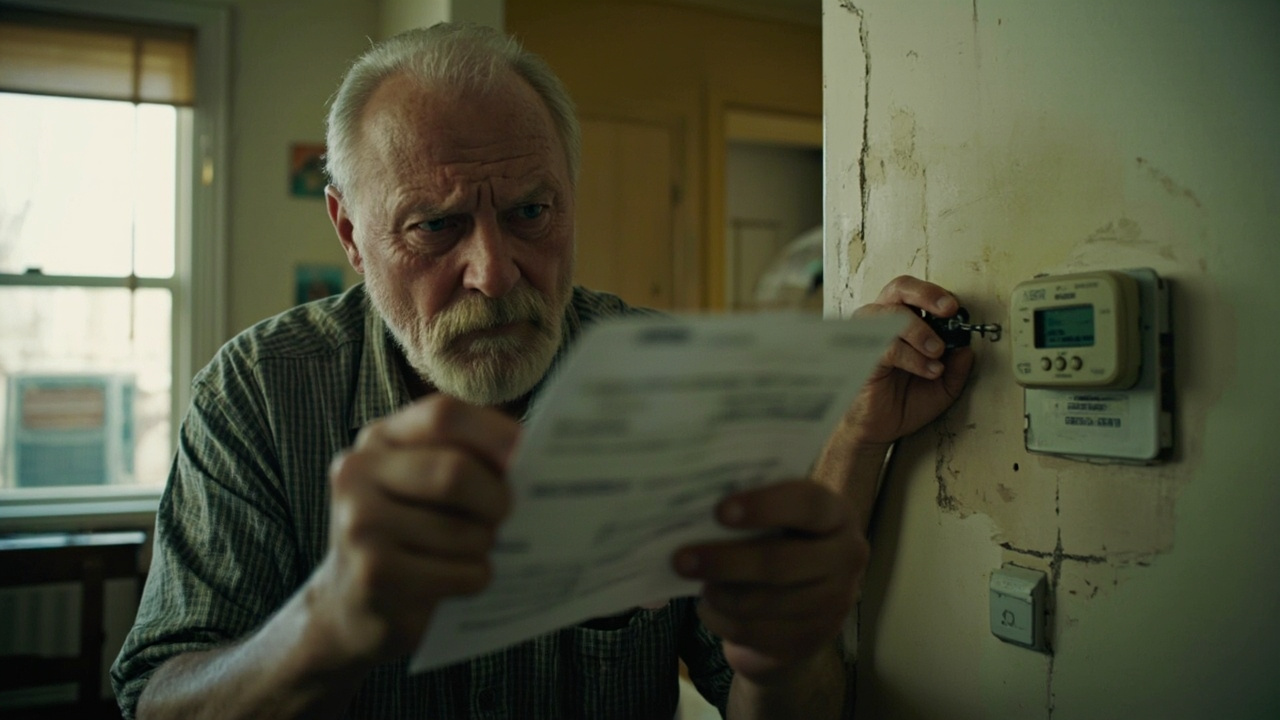
You check the thermostat. It's set to 72 degrees, same as always. But your electricity bill just jumped 40 percent compared to last year. You are not alone. Homeowners across Capitol Hill, Georgetown, and Dupont Circle are seeing skyrocketing energy bills, and most have no idea why.

Washington, D.C.'s climate puts extreme stress on HVAC systems. Summers bring heavy humidity that makes cooling harder. Your air conditioner runs longer cycles just to remove moisture. Winters drop below freezing, forcing furnaces and heat pumps to work overtime. The city sits in a Mid-Atlantic zone where temperature swings are brutal. One week you need heat. The next week you need AC.

This constant cycling wears down components. Compressors lose efficiency. Refrigerant levels drop. Ductwork develops leaks in attics and crawlspaces. A system that worked fine five years ago now burns through electricity because small problems compound into big energy drains.

Older homes near Rock Creek Park and Logan Circle often have undersized or outdated systems installed decades ago. These units were never designed to handle modern cooling loads or the humidity spikes we see in July and August. Add poor insulation and leaky windows, and your HVAC system runs nonstop trying to keep up.

The result is increased heating and cooling costs that eat into your budget every month. If your utility bills climbed but your usage stayed the same, the problem is not you. It's the system.

Why Washington, D.C. Homeowners See Rising Utility Costs Every Summer and Winter
How We Identify Hidden Efficiency Problems Most Technicians Miss

How We Identify Hidden Efficiency Problems Most Technicians Miss

Patriot HVAC Washington DC does not guess. We test. Most service calls involve a technician eyeballing your system and saying everything looks fine. That approach misses the real culprits behind costly utility expenses.

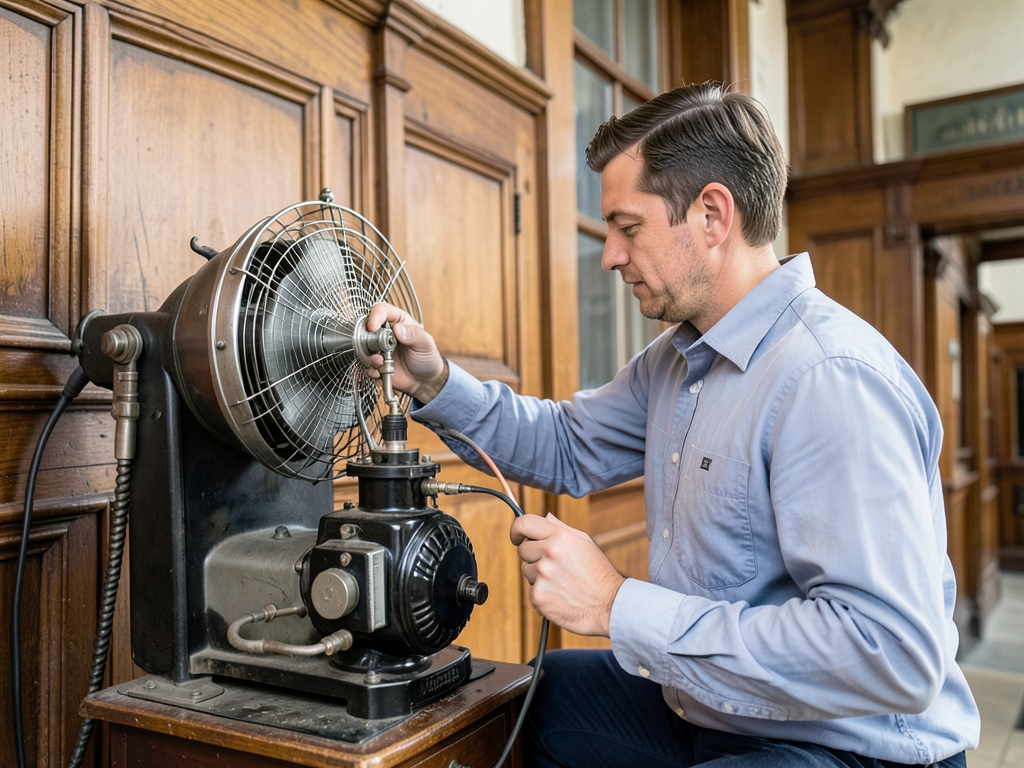
We start with a full system performance analysis. We measure airflow at every register using a calibrated anemometer. Low airflow means your blower motor is failing or your ducts are choked with restrictions. We check static pressure across the entire duct system. High static pressure forces your blower to work harder, which burns more electricity and shortens equipment life.

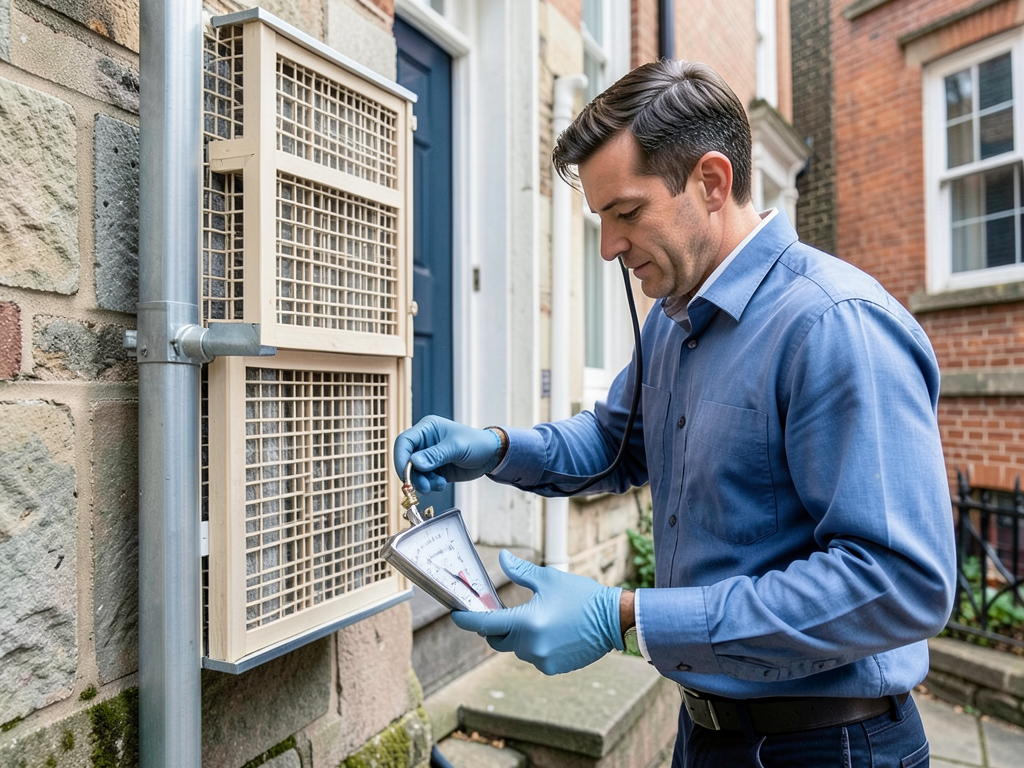
Next, we test refrigerant charge with manifold gauges and compare subcooling and superheat readings to manufacturer specs. Even a 10 percent undercharge makes your compressor run longer cycles. That adds up to hundreds of dollars in wasted energy every cooling season.

We inspect the evaporator coil for dirt buildup and the condenser coil for debris. A dirty coil reduces heat transfer, which kills efficiency. We also check the condensate drain. A clogged drain raises indoor humidity, making your AC work harder to reach the set temperature.

Ductwork gets a visual inspection where accessible, and we use a blower door test if needed. Leaky ducts in unconditioned spaces like attics waste 20 to 30 percent of conditioned air. You pay to cool air that never reaches your living space.

Finally, we review your thermostat programming and zoning setup. A poorly calibrated thermostat triggers unnecessary cycles. Incorrect zone dampers cause pressure imbalances that hurt performance. We document everything and give you a written report showing exactly where your system is bleeding energy and what it takes to fix it.

What Happens When You Call About Rising Bills

High Energy Bills in Washington, D.C. – We Diagnose What's Actually Draining Your Wallet
01

Diagnostic Evaluation

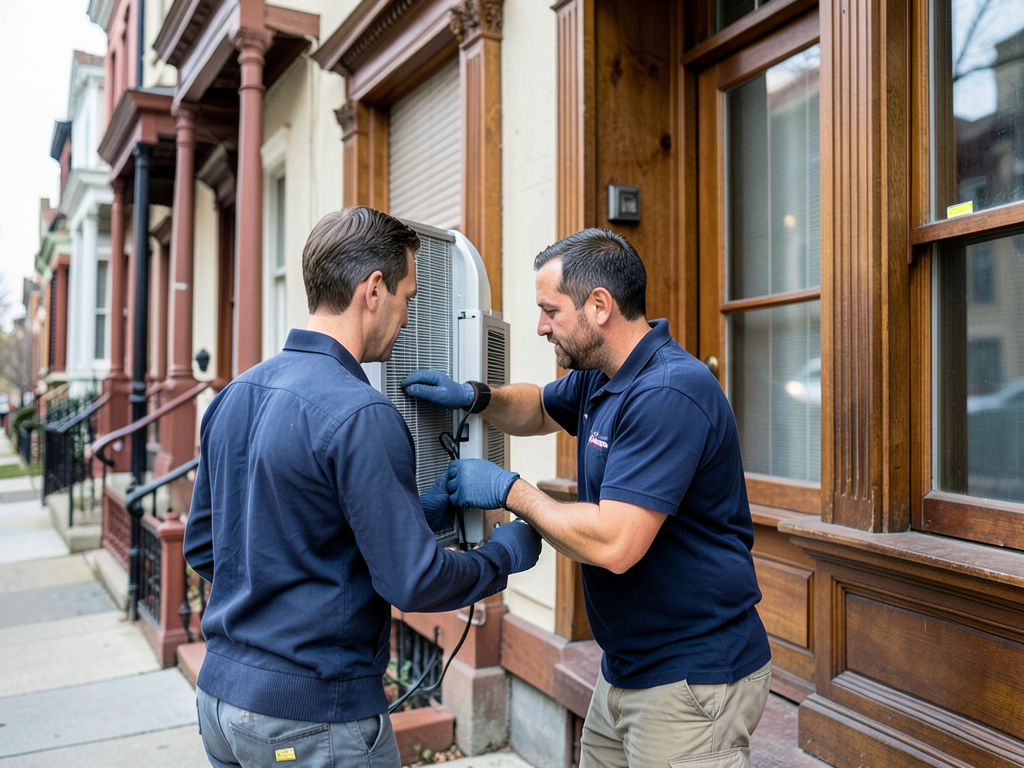
We schedule a comprehensive system test at your home. Our technician arrives with digital gauges, airflow meters, and thermal imaging equipment. We walk through your home to understand usage patterns, inspect all HVAC components, and run live performance measurements. This takes about 90 minutes. You get a detailed efficiency report before we leave.
02

Prioritized Repair Plan

After testing, we present a written plan ranked by cost impact. Some fixes deliver immediate savings, like sealing duct leaks or cleaning coils. Others are longer-term upgrades, like replacing an oversized or undersized system. We explain payback periods so you can decide what makes financial sense. You control the timeline and budget.
03

Implementation and Verification

Once you approve repairs, we complete the work and retest the system. We measure airflow, refrigerant charge, and static pressure again to confirm performance improvements. You receive before-and-after data showing the efficiency gains. Many homeowners see noticeable bill reductions within the first billing cycle after corrections are made.

Why Washington, D.C. Homeowners Trust Us to Fix What Others Ignore

Patriot HVAC Washington DC specializes in diagnosing efficiency problems other companies overlook. We have worked in every neighborhood from Shaw to Adams Morgan. We know the building stock. Victorian rowhouses with original ductwork. Mid-century bungalows with outdated furnaces. Modern condos with complex zoning systems. Each building type has unique challenges, and we have seen them all.

Washington, D.C. has strict energy codes for HVAC installations. We follow those codes during every repair and replacement. We also understand how the city's permit process works, which matters if you need major duct modifications or a full system upgrade. Cutting corners on code compliance creates problems down the road, especially during home sales or insurance claims.

We also recognize the seasonal patterns here. Spring and fall bring mild weather, but summer humidity and winter cold spikes stress systems fast. Our technicians understand how to optimize setups for the Potomac River Basin climate. We adjust refrigerant charge for humid conditions. We recommend dehumidification equipment when standard AC cannot handle moisture loads. We size equipment correctly so you are not running an oversized unit that short-cycles and wastes energy.

Homeowners choose us because we explain the 'why' behind high bills. You get data, not sales pitches. We show you the test results and walk through the math. If your system is beyond repair, we tell you. If a simple fix solves the problem, we do that instead of pushing a replacement. Trust comes from transparency, and transparency requires real diagnostics, not guesswork.

What You Can Expect When We Evaluate Your System

Scheduling and Response Time

We offer same-day and next-day diagnostic appointments for most requests. If you call before noon, we can often send a technician that afternoon. During peak summer months, expect a one to two day wait for non-emergency evaluations. Emergency service is available 24/7 if your system fails completely. Diagnostic visits typically take 90 minutes to two hours depending on system complexity and home size. We provide arrival windows and call 30 minutes before we show up.

The Diagnostic Process

Our technician starts by asking about your usage habits, bill trends, and comfort complaints. We inspect all accessible components including the air handler, condenser, ductwork, and thermostat. We run live performance tests measuring airflow, refrigerant pressures, voltage, amperage, and temperature splits. We use thermal imaging to spot insulation gaps and duct leaks. You receive a printed report with photos, measurements, and recommended repairs ranked by priority and savings potential.

Results You Can Measure

After repairs, you should see lower runtime on your system and reduced temperature swings between rooms. Most homeowners notice bill reductions within one billing cycle. The exact savings depend on what we fixed. Sealing major duct leaks can cut bills by 20 to 30 percent. Correcting refrigerant charge saves 10 to 15 percent. Cleaning coils and replacing dirty filters improves airflow and reduces strain. We provide estimated payback periods for each repair so you know what to expect.

Ongoing Maintenance Plans

Efficiency degrades over time. Coils collect dirt. Refrigerant levels drift. Filters clog. We offer maintenance plans that include biannual tune-ups, priority scheduling, and discounted repairs. Regular maintenance catches small problems before they become expensive failures. Plan members also get reminders before seasonal changeovers so your system is ready when you need it. Maintenance pays for itself by preventing emergency breakdowns and keeping efficiency high year after year.

Frequently Asked Questions

You Have Questions,
We Have Answers

Why is my electric bill so high suddenly? +

A sudden spike in your electric bill typically points to equipment failure, rate increases, or usage changes. Your air conditioner may be working overtime due to clogged filters, refrigerant leaks, or a failing compressor. In Washington, D.C.'s humid summers, your HVAC system fights moisture and heat, which strains older units. Check for malfunctioning thermostats that run heating and cooling cycles simultaneously. Extreme weather events common to the D.C. metro also drive usage spikes. Review your billing period for rate structure changes from your utility provider. If usage patterns match previous months but costs jumped, investigate mechanical failures or duct leakage that force your system to compensate.

Why is your energy bill suddenly so much more expensive? +

Energy bills increase when your HVAC system loses efficiency or utility rates climb. Washington, D.C. residents face both high summer humidity and winter cold, pushing systems harder year-round. Aging equipment operates at lower SEER ratings, consuming more power for the same output. Dirty coils, blocked vents, or failing capacitors force longer run times. Rate increases from Pepco or other local providers also contribute, particularly during peak demand months. Leaky ductwork in row homes and older construction wastes conditioned air before it reaches living spaces. Programmable thermostat failures or incorrect settings can run your system continuously. Compare current usage in kilowatt-hours to previous bills to isolate the problem.

What runs your electric bill up the most? +

Your HVAC system dominates electric bills, accounting for nearly half of residential energy use in Washington, D.C. Cooling costs spike during humid summers when air conditioners remove both heat and moisture. Water heaters rank second, running continuously to maintain temperature. Older resistance-style units consume far more than heat pump models. Refrigerators, especially units over ten years old, run inefficiently. Electric dryers and ranges add substantial loads. In D.C.'s historic row homes, poor insulation and air sealing force HVAC systems to compensate. Phantom loads from devices in standby mode contribute smaller but constant draws. Address your heating and cooling efficiency first for maximum bill reduction.

What is the average electric bill in RI? +

This question references Rhode Island, not Washington, D.C. If you are asking about D.C. electric bills, the average residential customer pays approximately 120 to 180 dollars monthly, though this varies widely by home size, insulation quality, and HVAC efficiency. Georgetown row homes with older systems see higher bills than newer condos with heat pumps. Summer months in the D.C. metro push averages up due to cooling demands and humidity removal. Winter heating in all-electric homes also drives costs. Your specific bill depends on square footage, system age, thermostat habits, and whether you have zones or single-system control. Compare your usage to similar homes in your neighborhood.

Why is my electric bill over $400? +

A 400 dollar electric bill signals serious efficiency problems or high consumption patterns. Your air conditioner may be oversized, undersized, or failing, causing continuous operation in D.C.'s summer heat. Refrigerant leaks force compressors to run longer. Ductwork leaks in attics or crawl spaces waste conditioned air. Electric resistance heating in winter months drives costs up fast. Older homes near Capitol Hill or Dupont Circle often lack adequate insulation, forcing HVAC systems to compensate. Check for malfunctioning thermostats stuck in heating or cooling mode. Review your utility rate structure for time-of-use charges. A professional load calculation and duct inspection identify the root cause and prioritize fixes.

How much bill for 1 hour AC? +

Air conditioner operating costs depend on unit size, efficiency rating, and local electricity rates. In Washington, D.C., where Pepco rates average around 13 cents per kilowatt-hour, a three-ton central AC unit drawing 3,500 watts costs approximately 46 cents per hour at full load. Window units consume less, around 8 to 20 cents hourly. High humidity in the D.C. metro forces longer run times as systems remove moisture. Older units with low SEER ratings cost significantly more. Your actual expense varies with thermostat settings, home insulation, and outdoor temperature. Systems cycling on and off use less power than continuous operation. Calculate your cost by multiplying unit wattage by your rate.

Why is my electric bill so high when no one lives there? +

Empty homes still consume power through HVAC systems, water heaters, and phantom loads. If your thermostat remains active, heating and cooling cycles continue, particularly in D.C.'s temperature extremes. Water heaters maintain temperature around the clock. Refrigerators, security systems, and Wi-Fi routers draw constant power. Leaky ductwork or faulty thermostats can cause your HVAC to run excessively. Older row homes in neighborhoods like Shaw or Columbia Heights lose conditioned air through poor seals. Meter malfunctions or unauthorized usage also occur. Compare kilowatt-hour readings month-to-month to identify abnormal consumption. Turn off your water heater and adjust thermostats to minimal settings when the property sits vacant.

How do I figure out why my power bill is so high? +

Start by comparing your current kilowatt-hour usage to previous bills, not just dollar amounts. Rate increases can mask stable consumption. Check your HVAC system first. Replace filters, inspect ductwork for leaks, and verify thermostat accuracy. In Washington, D.C.'s older housing stock, attic insulation and air sealing often fail. Request an energy audit through your utility provider or a licensed HVAC contractor. Use a plug-in energy monitor to measure individual appliance consumption. Review your billing period for abnormal weather that forced longer system run times. Check for failing appliances like water heaters or refrigerators. Eliminate phantom loads by unplugging devices. Professional duct testing and blower door tests quantify air loss.

What contributes most to my electric bill? +

Heating and cooling dominate your electric bill, especially in Washington, D.C. where summer humidity and winter cold push HVAC systems hard. Water heating ranks second, running continuously to maintain set temperatures. Refrigerators and freezers contribute steady loads, particularly older models. Electric dryers, ranges, and ovens add significant draws during use. In D.C.'s historic districts, poor insulation in row homes forces longer HVAC run times. Duct leakage in unconditioned attics wastes energy. Lighting costs drop with LED upgrades but remain a factor in older homes. Phantom loads from electronics add smaller, constant consumption. Focus on HVAC efficiency, insulation, and water heating to cut the largest expenses first.

How can I find out what is using the most electricity in my house? +

Use a plug-in energy monitor to measure individual appliances in real time. These devices show wattage and cost per hour. Check your HVAC system first as it consumes the most power in Washington, D.C. homes. Feel supply vents for weak airflow indicating duct leaks. Compare your water heater age and type. Resistance models use far more power than heat pumps. Measure refrigerator and freezer consumption. Units over ten years old often run inefficiently. Request a professional energy audit with thermal imaging to identify insulation gaps common in D.C.'s older construction. Your utility provider may offer free or subsidized audits. Track usage during specific hours to isolate high-draw appliances or faulty thermostats.

How Washington, D.C.'s Humidity and Grid Costs Drive HVAC Bills Higher

Washington, D.C. sits in a humid subtropical zone where summer dew points routinely hit 70 degrees. That moisture load forces air conditioners to work harder removing humidity than cooling air. Standard AC units cycle on and off based on temperature, but that leaves indoor humidity high. High humidity makes 72 degrees feel like 78 degrees, so you lower the thermostat. The system runs longer, burns more electricity, and still feels uncomfortable. Add the fact that Pepco's electricity rates have climbed steadily over the past decade, and you get skyrocketing energy bills even with normal usage. Homes near the Potomac River or Anacostia River see even worse humidity infiltration because of proximity to water.

Patriot HVAC Washington DC understands the local building code requirements and the unique challenges of older housing stock in neighborhoods like Capitol Hill and Foggy Bottom. Many homes were built before modern insulation standards and have outdated HVAC systems that were never designed for current cooling loads. We work with homeowners to meet District of Columbia energy efficiency guidelines while respecting the architectural integrity of historic properties. Our technicians are familiar with the permit process for system upgrades and ductwork modifications, which matters when you need work done correctly and legally. Choosing a local contractor means you get someone who knows the specific demands of this climate and housing market.
HVAC Services in The Washington DC Area

Easily locate Patriot HVAC and explore our service area on the map below. We are strategically positioned to provide prompt and efficient heating, ventilation, and air conditioning services across Washington D.C. and its neighboring communities. Whether you're seeking a quick repair or a new installation, our team is ready to serve your comfort needs.

Address:
Patriot HVAC Washington DC, 20 F St NW, Washington, DC, 20001

Additional Services We Offer

Our news updates

Latest Articles & News from The Blogs

The Best Air Filter Upgrades for Georgetown Homes with Sensitive Historic Woodwork Georgetown's Federal-style rowhouses and Victorian homes need special…

The Best Air Filter Upgrades for Georgetown Homes with Sensitive Historic Woodwork

The Best Air Filter Upgrades for Georgetown Homes with Sensitive Historic Woodwork Georgetown's Federal-style rowhouses and Victorian homes need special…

The Best Air Filter Upgrades for Georgetown Homes with Sensitive Historic Woodwork

The Best Air Filter Upgrades for Georgetown Homes with Sensitive Historic Woodwork Georgetown's historic rowhouses and Federal-style homes face a…

The Best Air Filter Upgrades for Georgetown Homes with Sensitive Historic Woodwork

The Best Air Filter Upgrades for Georgetown Homes with Sensitive Historic Woodwork Georgetown's historic rowhouses and Federal-style homes feature exquisite…

Contact Us

Call Patriot HVAC Washington DC at (771) 218-6322 to schedule a diagnostic evaluation. We will test your system, identify efficiency problems, and show you exactly where your money is going. Stop guessing and start saving.