


Washington, D.C. sits in a humid subtropical climate zone that punishes HVAC systems year-round. Summer temperatures regularly push into the 90s with humidity levels that make heat indexes climb above 105 degrees. Your air conditioner runs constantly from June through September, fighting against the oppressive moisture that rolls up from the Potomac and Anacostia Rivers.
Winter brings its own challenges. Temperatures drop below freezing for weeks at a time, forcing your furnace to cycle repeatedly. The freeze-thaw pattern common to the Chesapeake region creates condensation problems in ductwork and causes thermal expansion issues in outdoor units.
Spring and fall offer no relief. The rapid temperature swings stress your system as it switches between heating and cooling modes multiple times per week. Historic row homes in Capitol Hill and Shaw trap heat differently than modern construction in Navy Yard or The Wharf. Older homes often have undersized ductwork or outdated zoning that forces systems to work harder.
D.C. building codes require specific ventilation standards for multi-unit buildings, and the District's energy efficiency mandates push HVAC systems to perform at peak capacity. When your system fails in this demanding environment, you need a technician who understands these local factors and can restore comfort quickly.
We built our reputation in Washington, D.C. by showing up fast and fixing problems right the first time. Most HVAC companies in the District send undertrained technicians who diagnose problems by guessing and ordering parts. We send experienced professionals who carry comprehensive diagnostic equipment and maintain fully stocked service vehicles.
Our technicians understand the unique challenges of D.C. housing stock. We work on Federal-style row homes built in the 1800s, mid-century apartments along Connecticut Avenue, and modern condos in developing neighborhoods. Each building type presents different HVAC configurations and access challenges. We have seen every system configuration the District has to offer.
We price our service calls with transparent, upfront pricing before we start any repair work. You know exactly what the repair costs before we touch your system. No surprise charges, no hidden fees, no pressure tactics to sell you a new system when a repair makes more sense.
Our dispatch system prioritizes emergency calls based on severity and location. When you call with no heat in January or no cooling in August, we understand the health risks and move you to the front of the queue. We maintain relationships with parts suppliers across the metro area, which means we can source hard-to-find components for older systems without the week-long wait times other companies quote.
We stand behind our repairs with solid warranties on parts and labor. If something we fixed fails prematurely, we come back and make it right without charging you twice.

Most emergency HVAC calls in Washington, D.C. receive same-day service. Our dispatch system routes the closest available technician to your location, and our service vehicles stay stocked with the most commonly needed parts for immediate repairs. We do not make you wait three days for an appointment while your family suffers.

Our technicians diagnose problems accurately and carry extensive parts inventory on their trucks. This combination means we complete most repairs during the initial service call. Other companies diagnose the problem, leave to order parts, then return days later. We fix it now so you get back to normal life immediately.
You receive a clear price quote before any repair work begins. Our technicians explain what failed, why it failed, and what the repair involves. You approve the price, then we complete the work. No surprise charges appear on your invoice. This straightforward approach builds trust and eliminates the anxiety most people feel when calling for HVAC service.
Washington, D.C. has unique housing stock that requires specialized knowledge. We navigate the tight mechanical spaces in Capitol Hill row homes, work around historic preservation requirements in protected districts, and understand the zoning complications in converted multi-unit buildings. This local expertise means faster diagnosis and repairs that comply with District regulations.
Patriot HVAC Washington DC provides comprehensive heating and cooling services across all system types and brands. Whether you need emergency repairs, routine maintenance, or full system replacement, we handle every aspect of residential and commercial HVAC work.
Our service range covers everything from simple thermostat replacements to complex multi-zone system installations. We work on gas furnaces, heat pumps, central air conditioning, ductless mini-splits, boilers, and hybrid heating systems. Our technicians receive ongoing training on new equipment technologies and maintain certifications for refrigerant handling and combustion safety.
We divide our services into three main categories based on what D.C. property owners need most. Emergency repairs get you back online fast when systems fail unexpectedly. Preventive maintenance keeps your equipment running efficiently and catches small problems before they become expensive failures. System replacements and upgrades give you modern, efficient equipment when repair costs no longer make financial sense. Each service category addresses different customer needs and timelines.
Air conditioning failures during D.C. summer heat waves and furnace breakdowns on freezing winter nights create genuine emergencies. We respond quickly to restore your comfort and safety. Our technicians diagnose compressor failures, refrigerant leaks, blower motor problems, ignition system failures, and control board issues. We repair all major brands and carry common replacement parts on our service vehicles. Most emergency repairs finish the same day we receive your call, getting your home or business back to comfortable temperatures within hours.
Regular HVAC maintenance extends equipment life and prevents unexpected failures. Our technicians clean coils, check refrigerant levels, test electrical connections, lubricate moving parts, inspect heat exchangers for cracks, calibrate thermostats, and verify airflow throughout your duct system. This service catches worn components before they fail completely. Well-maintained systems run more efficiently, which reduces your monthly utility bills. We recommend maintenance twice yearly, once before cooling season and once before heating season, to keep your system running reliably.
When repair costs approach 50% of replacement value or your system exceeds 15 years old, replacement often makes more financial sense. We install high-efficiency furnaces, air conditioners, and heat pumps that reduce energy consumption and provide better comfort control. Our installation process includes load calculations to properly size equipment for your space, ductwork modifications if needed, and thermostat upgrades to programmable or smart controls. New systems come with manufacturer warranties and operate more quietly than older equipment.
Washington, D.C. homes and businesses experience specific HVAC problems driven by local climate conditions and building characteristics. The humid subtropical weather creates moisture problems that accelerate component wear. Historic housing stock presents unique challenges with outdated ductwork and undersized equipment. Understanding these common issues helps property owners recognize problems early and seek service before small issues become expensive system failures.
The District's temperature extremes force HVAC systems to work harder than equipment in milder climates. Summer humidity loads strain air conditioning components while winter cold cycles stress heating systems. Older neighborhoods with mature tree cover experience different airflow patterns than newly developed areas. Row home configurations trap heat differently than detached single-family homes. These factors combine to create predictable failure patterns that experienced technicians recognize immediately.
Older air conditioning systems develop refrigerant leaks as copper line connections corrode from years of thermal expansion and contraction. D.C.'s humidity accelerates this corrosion process. Low refrigerant causes your system to run constantly without cooling properly, driving up electric bills. Technicians must locate the leak, repair it, then recharge the system to proper levels. Simply adding refrigerant without fixing the leak wastes money and damages the environment.
Air conditioners remove humidity from indoor air, creating condensation that drains away through plastic pipes. These drain lines clog with algae growth and debris, causing water to back up into your home. Water overflow damages ceilings, walls, and flooring in finished basements or mechanical rooms. Regular maintenance includes clearing these drain lines before clogs cause flooding. Emergency calls for water damage often trace back to neglected condensate systems.
Gas furnaces develop cracks in heat exchangers after years of repeated heating and cooling cycles. These cracks allow combustion gases including carbon monoxide to enter your home's air supply. Heat exchanger failure typically occurs in furnaces older than 15 years. This represents a serious safety hazard that requires immediate system shutdown. Replacement usually makes more sense than repair when heat exchangers fail because the furnace has reached the end of its useful life.
Restricted airflow forces HVAC systems to work harder while providing less comfort. Dirty air filters account for most airflow problems, but blocked return vents, closed dampers, and duct leaks also reduce system performance. Historic D.C. homes often have undersized ductwork that restricts airflow even when clean. Poor airflow causes uneven temperatures between rooms, increases energy costs, and shortens equipment life. Regular filter changes and duct inspections prevent these problems.
We designed our service process to eliminate the frustration most people experience when their heating or cooling fails. From your first phone call through final payment, you know exactly what happens next. Our customer service team answers calls promptly and gathers information about your problem to dispatch the right technician with appropriate tools and parts.
You receive a courtesy call when the technician is 30 minutes away, so you do not waste your day waiting for an arrival window. The technician arrives in a clearly marked vehicle, wears a company uniform with photo identification, and explains the diagnostic process before beginning work. We treat your home with respect by wearing shoe covers and using floor protection in work areas.
After diagnosis, the technician explains the problem in plain language, shows you the failed component when possible, and provides a written price quote for repairs. You decide whether to proceed with the repair or get a second opinion. We never pressure customers or use scare tactics to inflate repair costs. This transparent approach builds trust and helps you make informed decisions about your HVAC system.
Our technicians explain what they find during diagnosis using terms you can understand. They show you the problem area when accessible and explain why the component failed. You receive a detailed written estimate before any repair work begins. This estimate breaks down parts costs and labor separately so you understand exactly what you pay for. If multiple repair options exist, the technician explains the pros and cons of each approach so you can choose what fits your budget and timeline.
We arrive during the scheduled time window and call ahead so you do not waste your day waiting. Our technicians protect your floors with mats and coverings, wear shoe covers inside your home, and clean up completely before leaving. We understand you have other obligations and work efficiently to complete repairs as quickly as possible without cutting corners. Your time matters, and we respect that by staying focused on the job and finishing promptly.
Every repair comes with a warranty on parts and labor. If something we fixed fails within the warranty period, we return and make it right at no additional charge. After completing the repair, we test the system thoroughly to confirm it operates correctly. Before leaving, the technician explains any maintenance recommendations and answers questions about operating your system efficiently. You receive a detailed invoice showing all work performed and parts installed. Our office follows up to ensure you remain satisfied with the repair.
We keep the service process simple and predictable. Three basic steps take you from initial call to completed repair with clear communication at every stage.
Contact our dispatch team by phone at (771) 218-6322 and describe your HVAC problem. We ask questions to understand the symptoms and urgency level, then schedule a service call. Emergency situations receive same-day priority. The technician arrives within the scheduled window, performs a thorough diagnostic inspection, and identifies the root cause of the failure. This diagnostic process typically takes 30 to 45 minutes depending on system complexity and problem severity.
After diagnosis, you receive a written price quote detailing the repair cost and scope of work. The technician explains what failed, why it failed, and what the repair involves. You approve the work, and the technician completes the repair using parts from the service vehicle or sources components locally for same-day completion. The technician tests the system after repair to verify proper operation and ensures all safety controls function correctly.
Before leaving, the technician runs your system through complete heating or cooling cycles to confirm the repair solved the problem. You receive documentation showing all work performed, parts installed, and warranty information. The technician answers any questions about system operation or maintenance recommendations. Our office follows up within a few days to verify your satisfaction and address any concerns. The warranty on our work gives you confidence the repair will last.
HVAC work in Washington, D.C. must comply with the District's adopted building codes and energy conservation standards. The District enforces the International Mechanical Code with local amendments that address urban density and historic preservation requirements. These codes specify minimum efficiency ratings for replacement equipment, ventilation requirements for indoor air quality, and combustion safety standards for gas-fired appliances.
Refrigerant handling requires EPA Section 608 certification, which verifies technicians understand proper recovery, recycling, and disposal procedures for regulated substances. The phase-out of R-22 refrigerant affects older air conditioning systems built before 2010. Replacement refrigerant options exist, but costs have increased significantly as production ceased. Technicians must use certified recovery equipment when servicing these systems to prevent environmental contamination and avoid federal penalties.
Gas furnace installations and repairs in D.C. require combustion safety testing to verify proper venting and carbon monoxide levels. Natural draft furnaces in older homes can develop backdraft problems when building envelope improvements increase home tightness. Power-vented and sealed-combustion furnaces eliminate these risks but require proper condensate disposal planning. Heat exchangers must pass visual inspection for cracks or corrosion that could allow combustion gases to enter living spaces.
Duct system design affects both comfort and energy efficiency. Manual D calculations determine proper duct sizing based on airflow requirements and static pressure limitations. Undersized ducts increase air velocity, which creates noise and reduces system efficiency. Duct leakage testing using calibrated fans quantifies air loss in distribution systems. Sealing accessible duct joints with mastic compound rather than standard cloth tape provides longer-lasting air sealing in unconditioned spaces like attics and crawlspaces.
Load calculations using Manual J methodology determine appropriate equipment sizing for D.C. climate conditions. Oversized equipment short cycles, which reduces humidity removal and wastes energy. Undersized equipment runs constantly during peak temperature days without maintaining comfort. Proper sizing accounts for building orientation, window area, insulation levels, and infiltration rates specific to each property.
Washington, D.C. enforces the International Mechanical Code with local amendments addressing urban housing density and historic preservation districts. All HVAC installations require proper permits and inspections. Minimum efficiency ratings for replacement equipment exceed federal standards. Combustion safety testing verifies proper venting for gas appliances. Refrigerant handling demands EPA certification to prevent environmental violations and ensure compliance with federal regulations.
Proper HVAC sizing requires Manual J load calculations specific to your property's characteristics. Equipment costs vary based on efficiency ratings, brand selection, and system complexity. Higher efficiency models cost more upfront but reduce monthly utility bills. Installation complexity affects labor costs, particularly in historic homes with limited mechanical space. Ductwork modifications, electrical upgrades, and permit fees add to total project investment beyond basic equipment replacement costs.
Emergency repairs typically finish within hours of the service call when parts are available. System replacements require one to three days depending on installation complexity and whether ductwork modifications are needed. Permit processing adds time to replacement projects. Supply chain issues occasionally delay equipment delivery for specific models. Preventive maintenance visits take one to two hours per system. Scheduling during off-peak seasons provides more flexibility than waiting until equipment fails during extreme weather.
Manufacturer warranties on new equipment range from five to ten years on major components. Extended warranties are available at additional cost. Installation workmanship warranties from reputable contractors typically cover labor for one year minimum. Proper installation directly affects equipment longevity and efficiency. Quality installations include pressure testing refrigerant lines, verifying airflow across coils, calibrating thermostat operation, and documenting all measurements for warranty compliance and future service reference.
Educational video explaining HVAC service processes, common system failures, and contractor selection criteria for Washington, D.C. property owners. Covers climate-specific challenges including humidity effects on air conditioning systems, freeze-thaw impacts on heating equipment, and building code requirements. Discusses refrigerant handling, combustion safety testing, duct system design, and load calculation methodology. Provides guidance on recognizing warning signs before equipment failures and evaluating repair versus replacement decisions for residential heating and cooling systems.
Patriot HVAC Washington DC provides heating and cooling services across all eight wards of the District. We respond to service calls from Capitol Hill to Georgetown, from Columbia Heights down to Southwest Waterfront. Our service area covers every neighborhood within D.C. boundaries and extends into adjacent Maryland and Virginia communities for established customers.
Capitol Hill residents in historic row homes face unique HVAC challenges due to shared walls and limited mechanical space. These homes often have older ductwork running through tight crawlspaces or inadequate attic access. We navigate these constraints regularly and understand how to service systems in confined spaces without damaging historic finishes. The evolving H Street Corridor presents similar challenges as developers convert older commercial spaces into residential lofts with modern HVAC expectations.
Northwest neighborhoods like Cleveland Park, Woodley Park, and Friendship Heights feature larger detached homes with more conventional system configurations. These properties typically have full basements with adequate mechanical rooms and standard duct distributions. However, mature tree canopy in these established neighborhoods affects outdoor unit placement and airflow patterns. We account for these environmental factors when diagnosing cooling efficiency problems.
The Southwest Waterfront and Navy Yard areas represent newer construction with modern building codes and energy efficiency requirements. High-rise condominiums often use packaged terminal units or vertical stack systems rather than traditional central air. We service these specialized configurations and understand the maintenance requirements specific to vertical residential buildings. The Wharf development brought thousands of new residential units with sophisticated zoning controls and smart thermostats that require specialized technical knowledge.
Columbia Heights, Shaw, and Petworth neighborhoods contain a mix of renovated row homes and new construction. Many properties in these transitioning areas have recently upgraded HVAC systems as part of whole-home renovations. We service these newer installations and help homeowners optimize performance and efficiency. U Street Corridor and Logan Circle properties often combine historic facades with completely modern mechanical systems behind the walls.
East of the Anacostia River, neighborhoods like Congress Heights, Anacostia, and Marshall Heights typically feature detached single-family homes built between the 1950s and 1980s. These properties often have aging HVAC equipment approaching end of life. We help property owners in these communities plan system replacements and navigate financing options when major equipment failures occur. Understanding the distinct housing stock and mechanical challenges across all D.C. neighborhoods allows us to diagnose problems quickly and recommend appropriate solutions based on building type and system configuration.
The $5000 rule helps you decide between repair and replacement. If your system is over 10 years old, multiply the repair cost by the age of your unit. If the total exceeds $5000, replacement makes more financial sense. For example, a $600 repair on a 12-year-old system equals $7200, signaling replacement. In Washington, D.C., where humidity accelerates wear on coils and compressors, this rule helps you avoid throwing money at failing equipment. Factor in modern systems offering better efficiency for humid summers and energy savings that offset replacement costs.
HVAC technicians in Washington, D.C. earn between $45,000 and $75,000 annually, with experienced commercial techs reaching $85,000 or more. Entry-level installers start around $40,000, while EPA-certified technicians with commercial refrigeration skills command premium wages. The federal government presence and dense commercial real estate market drive demand. Cost of living in the D.C. metro is high, but HVAC wages reflect the skilled labor shortage and year-round work servicing both cooling in humid summers and heating systems during winter freezes. Overtime during peak seasons boosts total compensation.
The 3-minute rule protects your compressor from short cycling damage. After your AC shuts off, wait at least 3 minutes before restarting. This allows refrigerant pressure to equalize between the high and low sides of the system. Restarting too quickly forces the compressor to work against unequal pressure, causing mechanical strain and premature failure. In Washington, D.C.'s humid climate, where AC units run frequently from May through September, this rule prevents costly compressor burnout. Modern thermostats enforce this delay automatically, but manual overrides can damage older systems.
The $5000 rule helps you decide between repair and replacement. If your system is over 10 years old, multiply the repair cost by the age of your unit. If the total exceeds $5000, replacement makes more financial sense. For example, a $600 repair on a 12-year-old system equals $7200, signaling replacement. In Washington, D.C., where humidity accelerates wear on coils and compressors, this rule helps you avoid throwing money at failing equipment. Factor in modern systems offering better efficiency for humid summers and energy savings that offset replacement costs.
HVAC technicians in Washington, D.C. earn between $45,000 and $75,000 annually, with experienced commercial techs reaching $85,000 or more. Entry-level installers start around $40,000, while EPA-certified technicians with commercial refrigeration skills command premium wages. The federal government presence and dense commercial real estate market drive demand. Cost of living in the D.C. metro is high, but HVAC wages reflect the skilled labor shortage and year-round work servicing both cooling in humid summers and heating systems during winter freezes. Overtime during peak seasons boosts total compensation.
The 3-minute rule protects your compressor from short cycling damage. After your AC shuts off, wait at least 3 minutes before restarting. This allows refrigerant pressure to equalize between the high and low sides of the system. Restarting too quickly forces the compressor to work against unequal pressure, causing mechanical strain and premature failure. In Washington, D.C.'s humid climate, where AC units run frequently from May through September, this rule prevents costly compressor burnout. Modern thermostats enforce this delay automatically, but manual overrides can damage older systems.
Commercial refrigeration technicians and industrial HVAC specialists earn the highest wages, often $90,000 to $120,000 annually with overtime. These roles require advanced EPA certifications, industrial controls knowledge, and experience with chillers, boilers, and complex building automation systems. In Washington, D.C., federal facilities, data centers, hospitals, and large commercial buildings need specialized techs who troubleshoot mission-critical systems. Service managers and HVAC engineers with design experience also command premium salaries. Geographic location matters. D.C.'s federal sector and high cost of living push wages higher than national averages.
New HVAC systems may qualify for federal tax credits under the Energy Efficient Home Improvement Credit if they meet efficiency standards. For 2025, heat pumps, central AC units, and furnaces with qualifying SEER2 or HSPF2 ratings can earn up to $2000 in credits. You must own your home in Washington, D.C., and the equipment must be installed by December 31, 2025. Commercial properties follow different rules under Section 179D. Consult a tax professional for your specific situation. Energy Star certification and proper documentation are required. Credits reduce tax liability dollar-for-dollar.
October through March offers the best HVAC pricing in Washington, D.C. Contractors face lower demand during mild weather, leading to discounts and flexible scheduling. Manufacturers release new models in spring, making fall clearance pricing attractive. You avoid the summer rush when heat waves create emergency calls and longer wait times. Installing in cooler months also lets techs work comfortably, reducing installation errors. However, do not wait until your system fails in July when humidity hits 80 percent and lead times stretch to weeks. Plan replacements during shoulder seasons for cost savings and availability.
$90,000 is a solid middle-class salary in Washington, D.C., but context matters. After federal, state, and FICA taxes, take-home is roughly $65,000. Median rent for a one-bedroom apartment in D.C. proper runs $2,200 monthly, or $26,400 yearly. That leaves $38,600 for everything else. If you live in Maryland or Virginia suburbs and commute, housing costs drop significantly. Single individuals live comfortably on $90,000. Families with children face tighter budgets due to childcare costs. Compared to national median household income, you are doing well, but D.C.'s cost of living compresses purchasing power.
Yes, HVAC technicians can earn $100,000 annually through specialization, overtime, and entrepreneurship. Commercial service techs working on chillers, boiler systems, or data center cooling in Washington, D.C. often reach six figures with overtime during peak seasons. Technicians who own small companies or work as independent contractors grossing $100,000 is common, though net income after expenses differs. Union positions with federal contracts offer strong base pay plus benefits. Achieving this income requires EPA Universal certification, years of experience, and willingness to take emergency calls. Geographic location matters. High cost-of-living areas pay more.
$70,000 is livable in Washington, D.C., but tight for families. After taxes, take-home is roughly $50,000. Housing consumes the largest share. A one-bedroom apartment in D.C. averages $2,200 monthly, or $26,400 yearly, leaving $23,600 for transportation, food, and savings. Living in Maryland or Virginia suburbs reduces housing costs significantly. Single professionals manage fine with budgeting. Families face challenges affording childcare, which runs $1,500 to $2,500 monthly per child. You are above the poverty line but below the area median income of $92,000. Roommates or dual incomes ease financial pressure.
Your AC should maintain an indoor temperature 15 to 20 degrees cooler than outside. If it is 100 degrees outside, expect your home to reach 80 to 85 degrees, not 70. Systems cannot overcome extreme heat and humidity without running nonstop, which strains components. In Washington, D.C., where summer humidity often exceeds 70 percent, your AC works harder to remove moisture than cool air. Set your thermostat to 78 degrees for efficiency. Temperatures below 75 during extreme heat waves force your compressor into dangerous duty cycles. Upgrade insulation and seal ducts for better performance.
Commercial refrigeration technicians and industrial HVAC specialists earn the highest wages, often $90,000 to $120,000 annually with overtime. These roles require advanced EPA certifications, industrial controls knowledge, and experience with chillers, boilers, and complex building automation systems. In Washington, D.C., federal facilities, data centers, hospitals, and large commercial buildings need specialized techs who troubleshoot mission-critical systems. Service managers and HVAC engineers with design experience also command premium salaries. Geographic location matters. D.C.'s federal sector and high cost of living push wages higher than national averages.
New HVAC systems may qualify for federal tax credits under the Energy Efficient Home Improvement Credit if they meet efficiency standards. For 2025, heat pumps, central AC units, and furnaces with qualifying SEER2 or HSPF2 ratings can earn up to $2000 in credits. You must own your home in Washington, D.C., and the equipment must be installed by December 31, 2025. Commercial properties follow different rules under Section 179D. Consult a tax professional for your specific situation. Energy Star certification and proper documentation are required. Credits reduce tax liability dollar-for-dollar.
October through March offers the best HVAC pricing in Washington, D.C. Contractors face lower demand during mild weather, leading to discounts and flexible scheduling. Manufacturers release new models in spring, making fall clearance pricing attractive. You avoid the summer rush when heat waves create emergency calls and longer wait times. Installing in cooler months also lets techs work comfortably, reducing installation errors. However, do not wait until your system fails in July when humidity hits 80 percent and lead times stretch to weeks. Plan replacements during shoulder seasons for cost savings and availability.
$90,000 is a solid middle-class salary in Washington, D.C., but context matters. After federal, state, and FICA taxes, take-home is roughly $65,000. Median rent for a one-bedroom apartment in D.C. proper runs $2,200 monthly, or $26,400 yearly. That leaves $38,600 for everything else. If you live in Maryland or Virginia suburbs and commute, housing costs drop significantly. Single individuals live comfortably on $90,000. Families with children face tighter budgets due to childcare costs. Compared to national median household income, you are doing well, but D.C.'s cost of living compresses purchasing power.
Yes, HVAC technicians can earn $100,000 annually through specialization, overtime, and entrepreneurship. Commercial service techs working on chillers, boiler systems, or data center cooling in Washington, D.C. often reach six figures with overtime during peak seasons. Technicians who own small companies or work as independent contractors grossing $100,000 is common, though net income after expenses differs. Union positions with federal contracts offer strong base pay plus benefits. Achieving this income requires EPA Universal certification, years of experience, and willingness to take emergency calls. Geographic location matters. High cost-of-living areas pay more.
$70,000 is livable in Washington, D.C., but tight for families. After taxes, take-home is roughly $50,000. Housing consumes the largest share. A one-bedroom apartment in D.C. averages $2,200 monthly, or $26,400 yearly, leaving $23,600 for transportation, food, and savings. Living in Maryland or Virginia suburbs reduces housing costs significantly. Single professionals manage fine with budgeting. Families face challenges affording childcare, which runs $1,500 to $2,500 monthly per child. You are above the poverty line but below the area median income of $92,000. Roommates or dual incomes ease financial pressure.
Your AC should maintain an indoor temperature 15 to 20 degrees cooler than outside. If it is 100 degrees outside, expect your home to reach 80 to 85 degrees, not 70. Systems cannot overcome extreme heat and humidity without running nonstop, which strains components. In Washington, D.C., where summer humidity often exceeds 70 percent, your AC works harder to remove moisture than cool air. Set your thermostat to 78 degrees for efficiency. Temperatures below 75 during extreme heat waves force your compressor into dangerous duty cycles. Upgrade insulation and seal ducts for better performance.
Easily locate Patriot HVAC and explore our service area on the map below. We are strategically positioned to provide prompt and efficient heating, ventilation, and air conditioning services across Washington D.C. and its neighboring communities. Whether you're seeking a quick repair or a new installation, our team is ready to serve your comfort needs.
Address:
Washington, D.C., DC, 20037
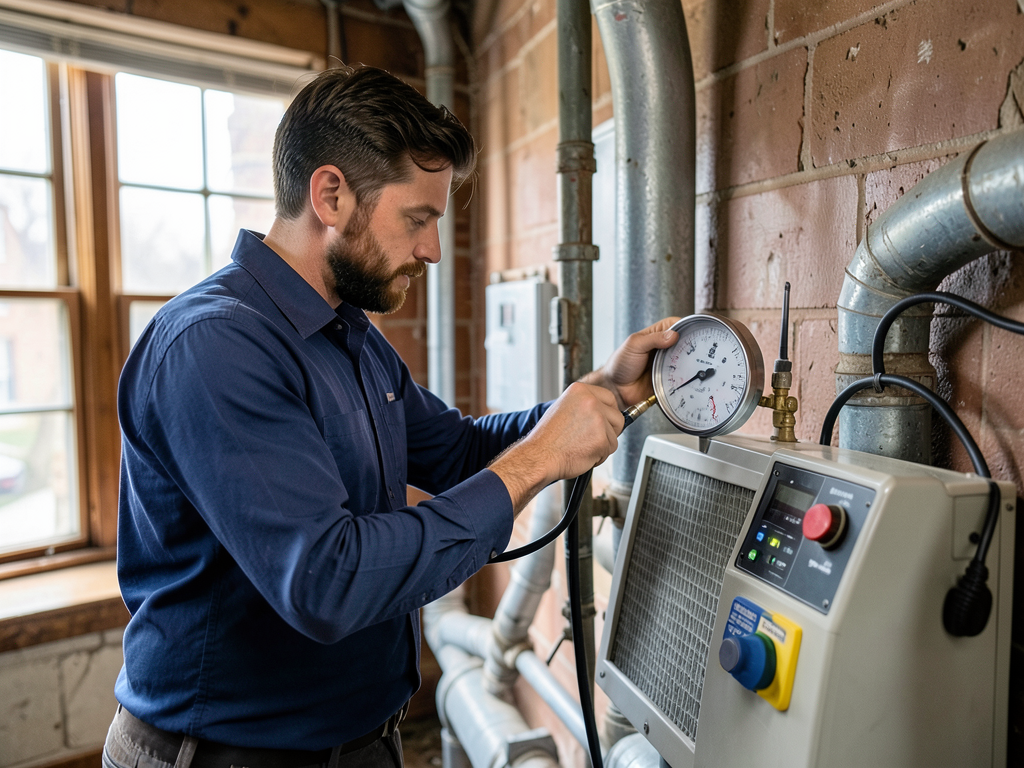
The Best Air Filter Upgrades for Georgetown Homes with Sensitive Historic Woodwork Georgetown's historic rowhouses feature irreplaceable wood trim, original hardwood floors, and intricate millwork that requires careful climate control. Standard air filters often create…
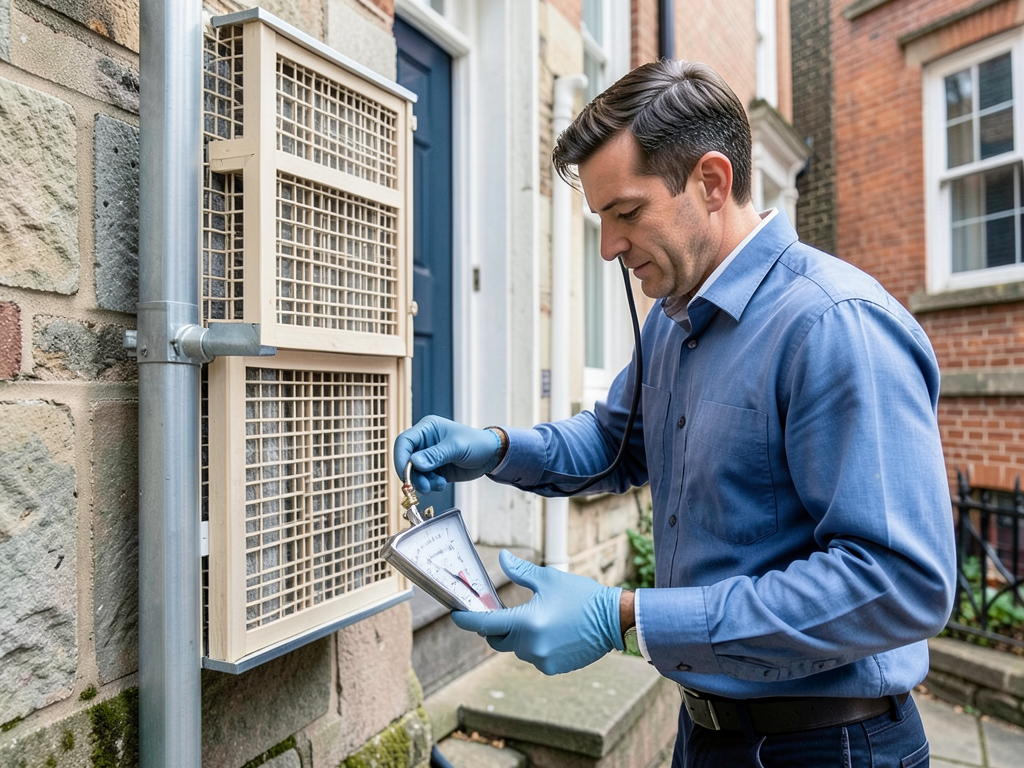
The Best Air Filter Upgrades for Georgetown Homes with Sensitive Historic Woodwork Georgetown's Federal-style rowhouses…
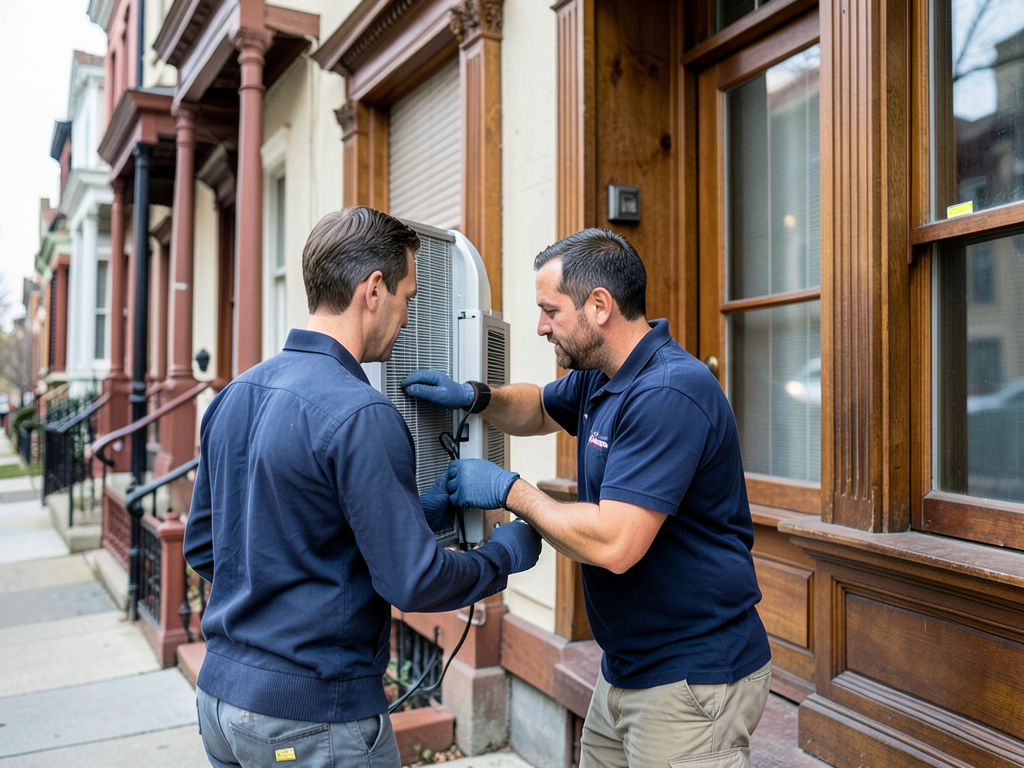
The Best Air Filter Upgrades for Georgetown Homes with Sensitive Historic Woodwork Georgetown's historic rowhouses…
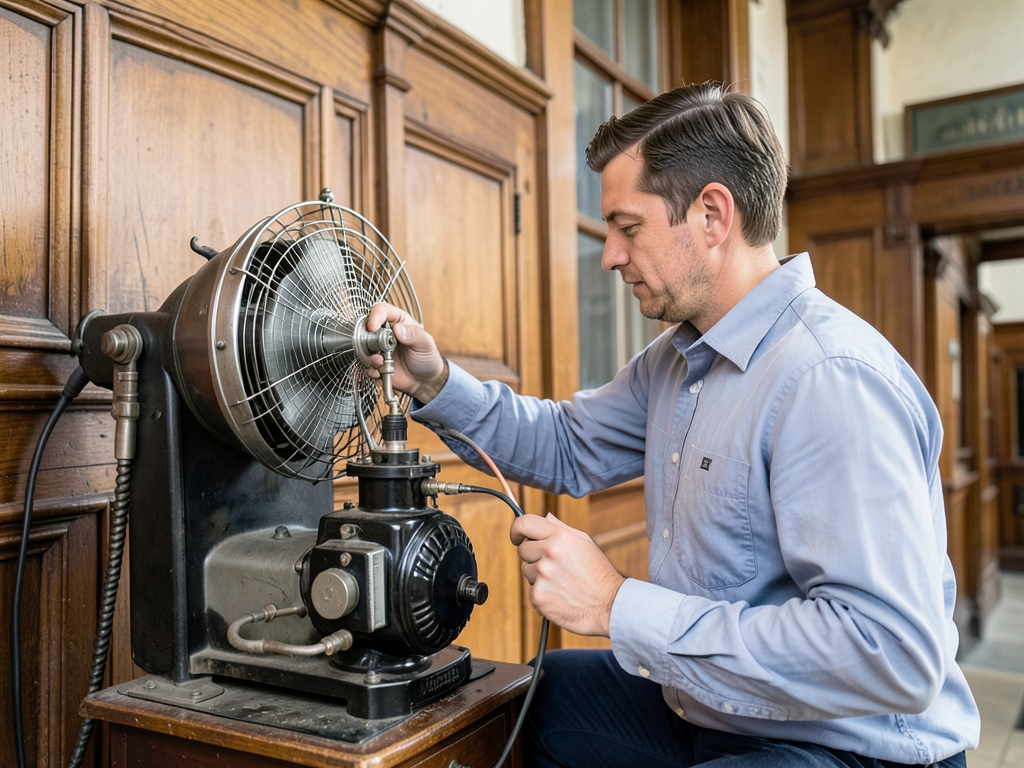
The Best Air Filter Upgrades for Georgetown Homes with Sensitive Historic Woodwork Georgetown's historic rowhouses…
Your comfort matters. When your heating or cooling system fails, call Patriot HVAC Washington DC at (771) 218-6322 for rapid response and expert repairs. We dispatch technicians quickly across all D.C. neighborhoods. Most emergency calls receive same-day service.