Menu

Gas Furnace Leak Repair in Washington, D.C. – Licensed Technicians Dispatched Within 60 Minutes

When you smell gas or suspect a furnace leak in your Capitol Hill row home or Dupont Circle condo, our emergency gas furnace leak repair teams arrive fast with the tools to stop the leak, test your system for safety, and restore heat before the night gets colder.

Slider Image 1
Slider Image 2
Slider Image 3
Slider Image 4
Slider Image 5
Slider Image 7
Slider Image 8
Slider Image 9
Slider Image 10
Slider Image 11

Why Gas Furnace Leaks Are Dangerous in Washington, D.C. Homes

Gas leaks do not wait for business hours. When you smell that distinctive rotten egg odor near your furnace, or your carbon monoxide detector starts chirping in your Georgetown basement or Navy Yard townhouse, you need someone who understands the urgency and knows how to fix gas leak in furnace systems before the problem escalates.

Washington, D.C.'s older housing stock presents unique challenges. Many row homes in Capitol Hill and Logan Circle still run on cast iron gas piping installed decades ago. These aging systems corrode faster in our humid climate, where condensation builds inside ductwork and near gas valve assemblies. The freeze-thaw cycles we experience each winter cause metal fittings to contract and expand, loosening connections at the gas manifold and supply lines.

When your furnace cycles on and you hear a hissing sound, or your pilot light keeps going out, you may have a gas line leak that requires immediate furnace gas line leak repair. Natural gas is lighter than air. It rises into living spaces, creating an explosion risk if it encounters an open flame or electrical spark. Carbon monoxide, the silent byproduct of incomplete combustion, can fill bedrooms while you sleep if your heat exchanger has cracked.

Emergency furnace gas leak service is not optional in these situations. Every minute counts. You need a team that can repair gas leak on furnace equipment safely, test for additional leak points, and verify your home is safe before restoring service. Gas heater leak repair requires EPA-certified technicians with combustion analyzers and pressure testing equipment, not a handyman with a wrench.

Why Gas Furnace Leaks Are Dangerous in Washington, D.C. Homes
How We Stop Gas Leaks and Restore Safe Heat Fast

How We Stop Gas Leaks and Restore Safe Heat Fast

We do not guess. When you call for emergency gas furnace leak repair, our technicians arrive with electronic gas detectors calibrated to sense natural gas at concentrations as low as 10 parts per million. We map your entire gas distribution system from the street connection to the furnace cabinet, identifying every potential failure point.

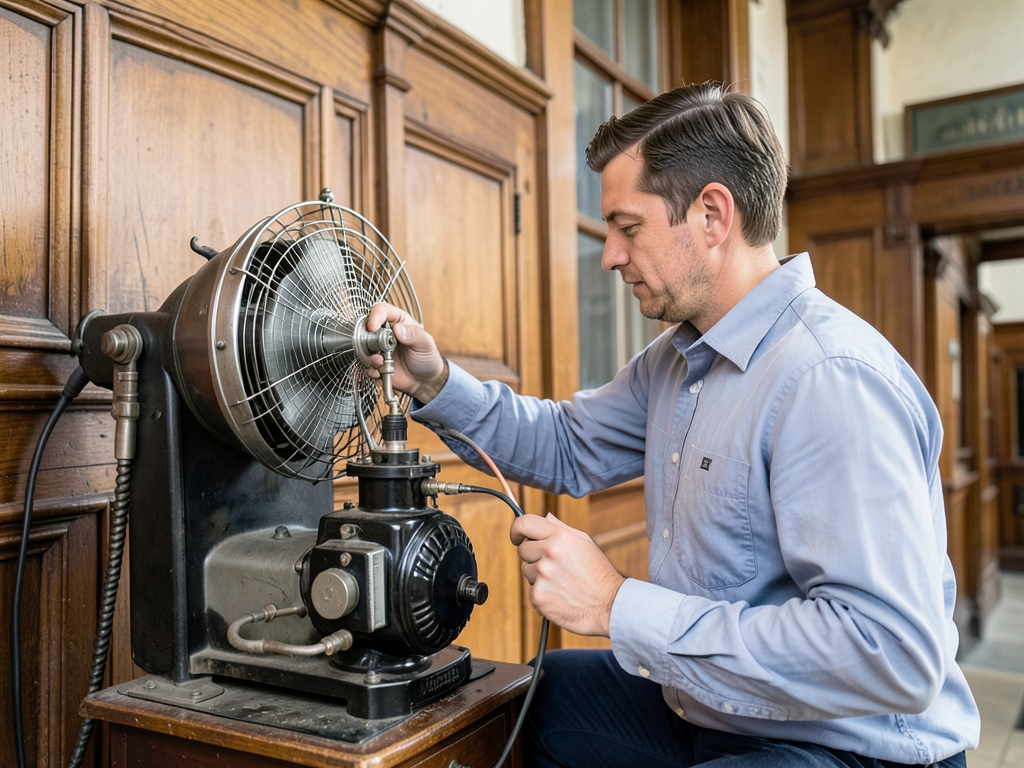
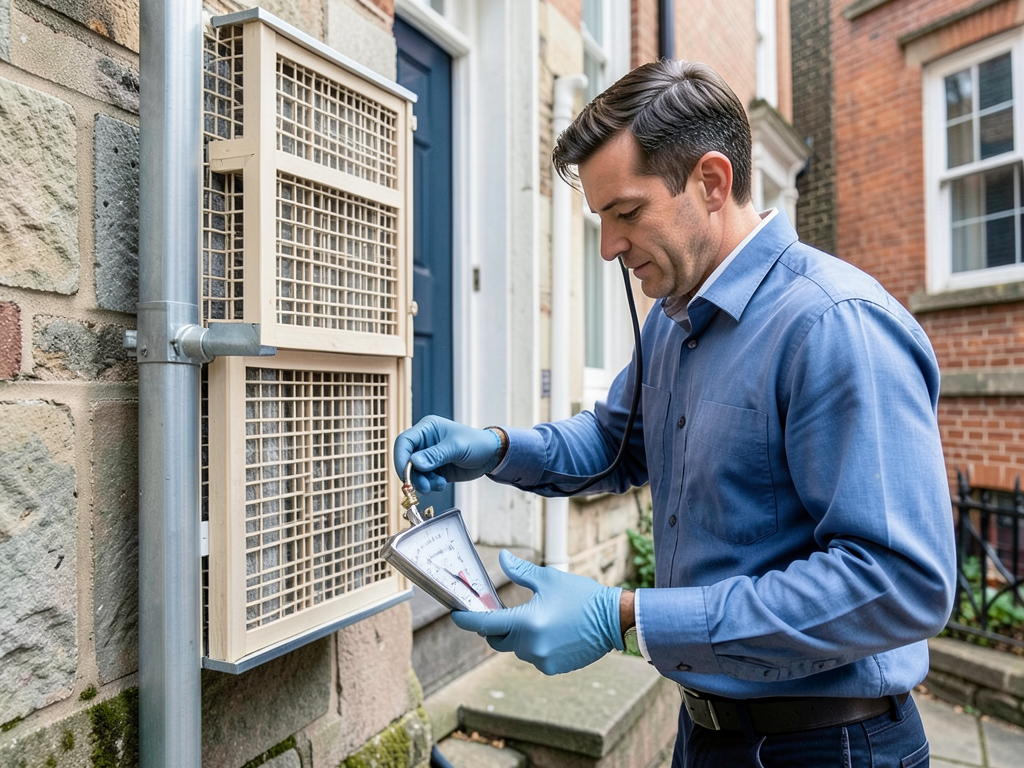
First, we isolate the furnace by closing the manual shutoff valve upstream of the unit. This stops gas flow immediately. We use a manometer to test static gas pressure at the inlet. If pressure drops below the manufacturer's specification, we know the leak is between the meter and the appliance. We then apply a soap bubble solution to every union, coupling, and threaded connection. Bubbles form where gas escapes.

The most common leak points in Washington, D.C. furnaces are the gas valve diaphragm, the pilot assembly, and the flex connector where the supply line meets the gas train. Flex connectors corrode from the inside due to sulfur compounds in the gas. We see this in homes near the Potomac where humidity accelerates oxidation. We replace these connectors with stainless steel braided flex lines rated for 125 psi, far exceeding residential gas pressure.

If your heat exchanger has cracked, visible as soot buildup inside the cabinet or rust stains on the exterior panels, we cannot patch it. A cracked heat exchanger allows combustion gases to mix with breathable air. We shut down the furnace, red-tag the unit, and discuss replacement options. This is not a revenue play. It is a life safety issue. We document findings with photos and pressure test reports.

After repairs, we purge the gas lines, relight the pilot or ignition system, and use a combustion analyzer to verify your furnace is burning cleanly with proper oxygen levels and minimal carbon monoxide output.

What Happens When You Call for Emergency Gas Leak Service

Gas Furnace Leak Repair in Washington, D.C. – Licensed Technicians Dispatched Within 60 Minutes
01

Immediate Dispatch and Safety Assessment

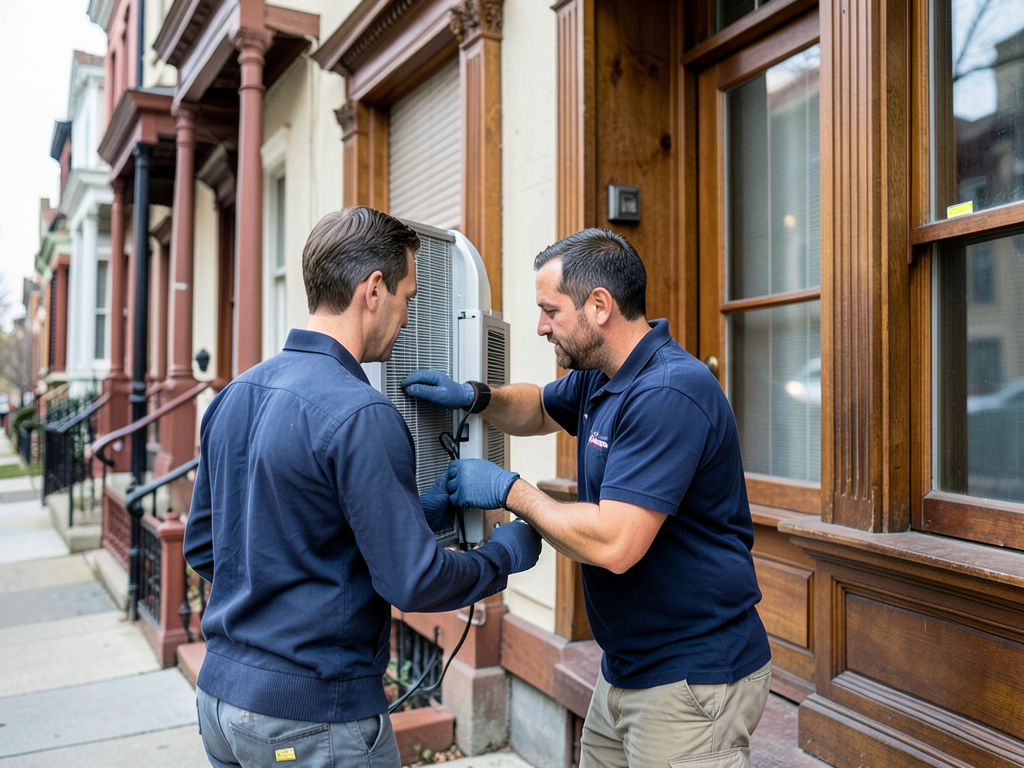
We dispatch a two-technician team within 60 minutes of your call. While they are en route to your Columbia Heights or Shaw neighborhood home, we walk you through immediate safety steps over the phone. Open windows, evacuate the home if the odor is strong, and do not operate light switches or thermostats. Our truck carries ventilation fans, gas detection equipment, and every fitting size to repair gas leak on furnace systems without a return trip for parts.
02

Leak Detection and Isolation

Once on site, we use a four-gas analyzer to measure methane, oxygen, carbon monoxide, and carbon dioxide levels in your basement or mechanical room. We trace the gas line from your meter to the furnace, testing every joint with electronic sniffers and visual inspection. If the leak is at the furnace, we isolate it at the shutoff valve. If the leak is upstream in your home's piping, we coordinate with Washington Gas to shut down your meter until repairs are complete.
03

Repair, Testing, and System Verification

After replacing the failed component, whether it is a valve, fitting, or flex line, we pressure test the entire gas train at 15 psi for 15 minutes. Zero pressure drop means the repair holds. We then restore gas flow, relight your furnace, and measure combustion efficiency with a flue gas analyzer. You receive a written report documenting leak location, repair method, and final safety test results. We do not leave until your home is warm and safe.

Why Washington, D.C. Homeowners Trust Patriot HVAC Washington DC for Gas Leak Emergencies

Gas furnace leak repair is not a learn-as-you-go service. It requires technicians who understand the District's building codes, the quirks of older gas piping systems, and the combustion characteristics of modern condensing furnaces versus atmospheric units common in pre-war row homes.

Patriot HVAC Washington DC operates 24 hours a day because gas leaks do not respect your schedule. We keep fully stocked service vehicles staged throughout the District, from Anacostia to American University Park. When you call at 2 a.m. because you smell gas, you speak to a dispatcher who can see where our nearest truck is located and provide an accurate arrival time.

Our technicians carry D.C. Master HVAC licenses and complete annual gas code updates through the International Fuel Gas Code training program. This matters because gas appliance regulations change. Older furnaces installed before 2010 may not have the rollout switches and flame sensors required under current code. When we repair your system, we verify it meets current safety standards or inform you of what upgrades are required.

We understand the construction methods used in Washington, D.C.'s distinct housing types. A Capitol Hill row home built in 1910 has plaster walls and shared party walls with neighbors. Gas piping often runs through these common walls. A leak in your furnace room can migrate into an adjacent unit through shared chases. We test for lateral gas migration using specialized probes, protecting not just your home but your neighbors.

The older neighborhoods east of Rock Creek Park, including Petworth and Brookland, have higher concentrations of galvanized steel gas piping installed in the 1940s and 1950s. This piping corrodes from the inside, shedding rust particles that clog gas valves and regulators. We see this often and carry valve rebuild kits for most residential furnace brands.

What You Can Expect From Our Emergency Gas Leak Response

Arrival Time and Availability

We dispatch teams 24 hours a day, 365 days a year. Average response time to addresses inside the District is 45 to 75 minutes depending on traffic patterns and your location. We prioritize gas leak calls above all other service requests because of the immediate danger. You will receive a call from the technician 15 minutes before arrival with an updated ETA. Our trucks carry thermal imaging cameras, gas analyzers, and a complete inventory of gas valves, regulators, and flex connectors for every furnace brand installed in the D.C. area.

On-Site Diagnosis and Testing

Our technicians perform a full system diagnostic before beginning repairs. This includes gas pressure testing at the meter and at the furnace inlet, visual inspection of all gas piping from the point of entry to the appliance, and combustion analysis if the furnace is operational. We use electronic leak detectors and soap solutions to pinpoint the exact leak location. You receive a verbal explanation of findings before any work begins, including photos of the failed component. We do not upsell. If your leak is a simple loose fitting, we tighten it, test it, and move on.

The Completed Repair

Once the leak is repaired, we conduct a 15-minute pressure hold test to verify the gas system is sealed. We then purge air from the gas lines, restore service, and test your furnace through multiple heating cycles. Combustion efficiency is measured with a calibrated analyzer. Carbon monoxide levels must read below 35 parts per million in the flue gas and undetectable in the living space. You receive a printed service report showing before and after gas pressure readings, repair photos, and combustion test results. This documentation is useful for insurance claims or future service reference.

Follow-Up and Prevention

Gas leaks often signal broader system aging. If your furnace is over 15 years old or has a history of valve or ignition problems, we provide a written assessment of remaining component life and potential failure points. We offer annual gas safety inspections that include leak testing, combustion analysis, and heat exchanger integrity checks using fiber optic cameras. These inspections catch small problems before they become emergencies. If your repair involved replacing a gas valve or regulator, we return in 30 days to retest gas pressure and verify the component is performing correctly under varying load conditions.

Frequently Asked Questions

You Have Questions,
We Have Answers

How much does it cost to fix a furnace leak? +

Gas furnace leak repair costs in Washington, D.C. vary based on the leak type and severity. A simple condensate drain fix runs $150 to $350, while cracked heat exchanger repairs range from $1,200 to $2,500. Gas line leaks require immediate professional intervention and typically cost $300 to $800 depending on accessibility. Emergency after-hours service adds $100 to $200. Washington, D.C.'s older housing stock and freeze-thaw cycles can complicate repairs in row homes with tight crawl spaces. Get multiple quotes and confirm the technician is licensed for gas work in the District.

Can I fix a furnace leak myself? +

No. Never attempt DIY gas furnace leak repair. Gas leaks pose immediate explosion and carbon monoxide poisoning risks. Washington, D.C. code requires licensed HVAC technicians to perform all gas appliance work. Even minor condensate leaks can indicate serious heat exchanger cracks that release deadly fumes. Shut off your gas supply at the meter, evacuate your home, and call Washington Gas emergency line at 844-927-4427 first. Then contact a licensed HVAC contractor for repairs. DIY attempts void warranties, violate safety codes, and endanger your family and neighbors in attached row homes.

Whose responsibility is it to fix a gas leak? +

Responsibility depends on leak location. Homeowners own gas lines and appliances inside their property. Washington Gas maintains lines from the street to your meter. If the leak originates at the furnace, heat exchanger, or interior gas piping, you pay for repairs. If the meter or exterior line leaks, Washington Gas responds at no charge. In rental properties, landlords must fix furnace leaks within 48 hours under D.C. housing code. Condo owners check HOA bylaws, as shared mechanical systems may fall under association responsibility. Always call Washington Gas first to identify the leak source.

Do you have to pay to fix a gas leak? +

You pay for gas furnace leaks inside your home. Washington Gas fixes exterior line and meter leaks for free as part of utility service. Furnace repairs, heat exchanger replacements, and interior gas piping fall on homeowners. Emergency service calls typically cost $150 to $300 just for diagnosis in Washington, D.C.. Some homeowners insurance policies cover sudden furnace failures, but not maintenance-related leaks from neglect. Washington Gas offers payment plans for low-income residents. Get written estimates before authorizing work. Emergency situations require immediate action regardless of cost to prevent explosions or carbon monoxide poisoning.

Does homeowners insurance cover furnace leaks? +

Sometimes. Homeowners insurance covers sudden, accidental furnace leaks from covered perils like frozen pipes or storm damage. Policies exclude wear and tear, lack of maintenance, and gradual deterioration. A cracked heat exchanger from age gets denied. A furnace damaged by a water heater burst may be covered. Washington, D.C. policies vary widely. Review your declarations page for equipment breakdown coverage, which extends protection to mechanical failures. Document everything with photos and repair estimates. File claims immediately. Expect your adjuster to question maintenance records. Regular furnace tune-ups strengthen your claim position.

Is it cheaper to fix a furnace or replace it? +

Replace if repair costs exceed 50 percent of replacement value or your furnace is over 15 years old. Heat exchanger replacements run $1,500 to $3,000, while new high-efficiency furnaces cost $3,500 to $6,000 installed in Washington, D.C.. Factor in energy savings. Modern units cut gas bills 20 to 30 percent in the District's variable winters. Frequent repairs signal imminent failure. If you spent $800 last year and face another $1,200 repair, replace it. Cracked heat exchangers always warrant replacement due to carbon monoxide danger. Get multiple quotes from licensed contractors familiar with Washington, D.C. row home installations.

What is the $5000 rule for HVAC? +

The $5,000 rule helps decide repair versus replacement. Multiply your furnace age by repair cost. If the total exceeds $5,000, replace the unit. Example: A 12-year-old furnace needs $500 in repairs. 12 x $500 equals $6,000, so replace it. This formula accounts for diminishing returns on aging equipment. Washington, D.C. homeowners should also consider efficiency upgrades. PEPCO rebates offset new furnace costs up to $500 for Energy Star models. Older furnaces waste 30 percent more gas. Row homes benefit from compact high-efficiency units that maximize tight mechanical room space.

Can you stay in a house with a small gas leak? +

No. Evacuate immediately if you smell gas. Even small leaks accumulate in enclosed spaces and ignite from pilot lights, electrical switches, or static sparks. Gas is heavier than air and pools in basements, common in Washington, D.C. row homes. Carbon monoxide leaks are odorless and deadly. Symptoms include headaches, dizziness, and nausea but mimic flu. Do not flip light switches or use phones inside. Leave doors open as you exit. Call Washington Gas from outside at 844-927-4427. They respond within one hour. Never re-enter until professionals clear your home.

Who do I call if my furnace is leaking? +

Call a licensed HVAC contractor immediately if your furnace leaks. For gas odors, call Washington Gas emergency line first at 844-927-4427, then evacuate. Water leaks around the furnace require urgent HVAC service to prevent heat exchanger damage and mold growth in Washington, D.C.'s humid climate. Choose contractors with 24/7 emergency service and D.C. gas fitting licenses. Verify they carry liability insurance for gas work. Row home residents should alert attached neighbors about gas leaks. Schedule annual furnace inspections each fall to catch leaks before winter when contractors face two-week backlogs during cold snaps.

Are gas leaks covered by insurance? +

Rarely. Homeowners insurance excludes most gas leaks from coverage. Policies cover sudden accidents, not gradual corrosion or poor maintenance. A gas line ruptured by construction may be covered. A corroded furnace heat exchanger from skipped tune-ups gets denied. Review your policy for equipment breakdown endorsements, which cover mechanical failures for an added premium. Washington Gas does not cover interior repairs. Document all maintenance records. Some insurers cover resulting fire or explosion damage but not the leak itself. Prevent denials by scheduling annual furnace inspections and keeping receipts.

How D.C.'s Aging Gas Infrastructure Affects Furnace Safety in Older Neighborhoods

Washington, D.C. has one of the oldest urban gas distribution networks on the East Coast. Many neighborhoods east of 16th Street, including Bloomingdale, Eckington, and Trinidad, still have cast iron gas mains installed in the 1940s feeding into homes with galvanized steel branch lines. These older pipes corrode internally, creating rust particles that travel downstream into your furnace's gas valve and pressure regulator. When particulate matter clogs the valve seat, gas seeps past the seal even when the thermostat is off. This creates a continuous low-level leak that accelerates in winter when your furnace cycles frequently. Emergency furnace gas leak service in these neighborhoods often requires valve cleaning or replacement because the leak is caused by contamination, not mechanical failure.

The District's row home construction adds another layer of complexity to gas heater leak repair. Shared walls and common mechanical chases mean gas piping often runs through spaces accessible to multiple units. A leak in one home can affect neighbors, especially in buildings where gas lines were installed before compartmentalization codes took effect in the 1980s. Patriot HVAC Washington DC understands these unique structural conditions. Our technicians are trained to trace gas lines through party walls, test for cross-contamination, and coordinate with property managers when leak repairs affect multiple units in the same building. This local knowledge matters when seconds count and the solution requires more than fixing a single valve.
HVAC Services in The Washington DC Area

Easily locate Patriot HVAC and explore our service area on the map below. We are strategically positioned to provide prompt and efficient heating, ventilation, and air conditioning services across Washington D.C. and its neighboring communities. Whether you're seeking a quick repair or a new installation, our team is ready to serve your comfort needs.

Address:
Patriot HVAC Washington DC, 20 F St NW, Washington, DC, 20001

Additional Services We Offer

Our news updates

Latest Articles & News from The Blogs

A seasonal guide to the best day to switch from cooling to heating in Washington DC Washington DC homeowners face…

A seasonal guide to the best day to switch from cooling to heating in Washington DC

A seasonal guide to the best day to switch from cooling to heating in Washington DC Washington DC homeowners face…

The Ultimate Spring HVAC Checklist for Large Family Homes in Crestwood

The Ultimate Spring HVAC Checklist for Large Family Homes in Crestwood Spring in Washington DC means the humid summer heat…

Keeping construction dust out of your Buzzard Point apartment during nearby building projects

Keeping construction dust out of your Buzzard Point apartment during nearby building projects Construction dust from new developments along the…

Contact Us

Do not wait. Do not try to fix it yourself. Call Patriot HVAC Washington DC at (771) 218-6322 right now. We answer 24 hours a day and dispatch emergency teams within the hour. Your safety is not negotiable.