

Washington, D.C. sits at the intersection of urban density and natural vegetation, creating a particulate load that exceeds what standard residential HVAC filters were designed to handle. The National Mall and Rock Creek Park contribute seasonal pollen spikes from oak, maple, and cherry trees. Construction activity from Metro expansion, commercial development along K Street, and residential renovation in gentrifying neighborhoods generates silica dust and concrete particulate that drifts into homes through open windows and building envelope leaks. Vehicle emissions from I-66, I-395, and the Capital Beltway add fine particulate matter under 2.5 microns that standard pleated filters cannot capture. If your home is near these corridors or downwind of construction zones, your HVAC system faces a constant influx of contaminants that quickly overwhelm a 1-inch filter.
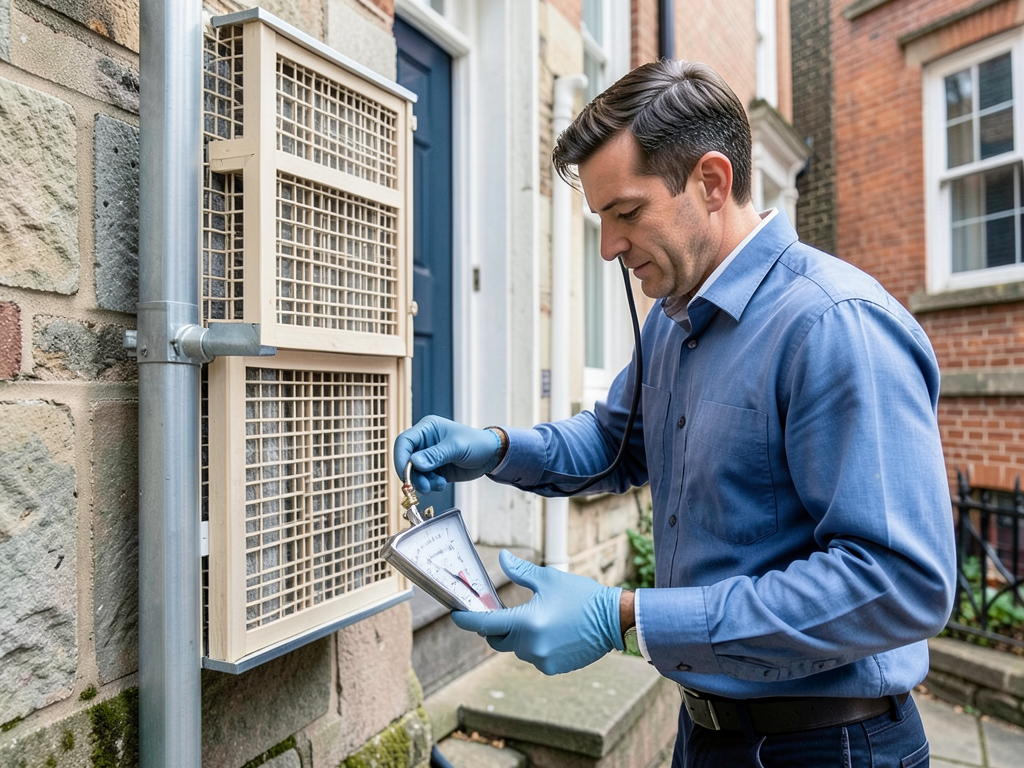
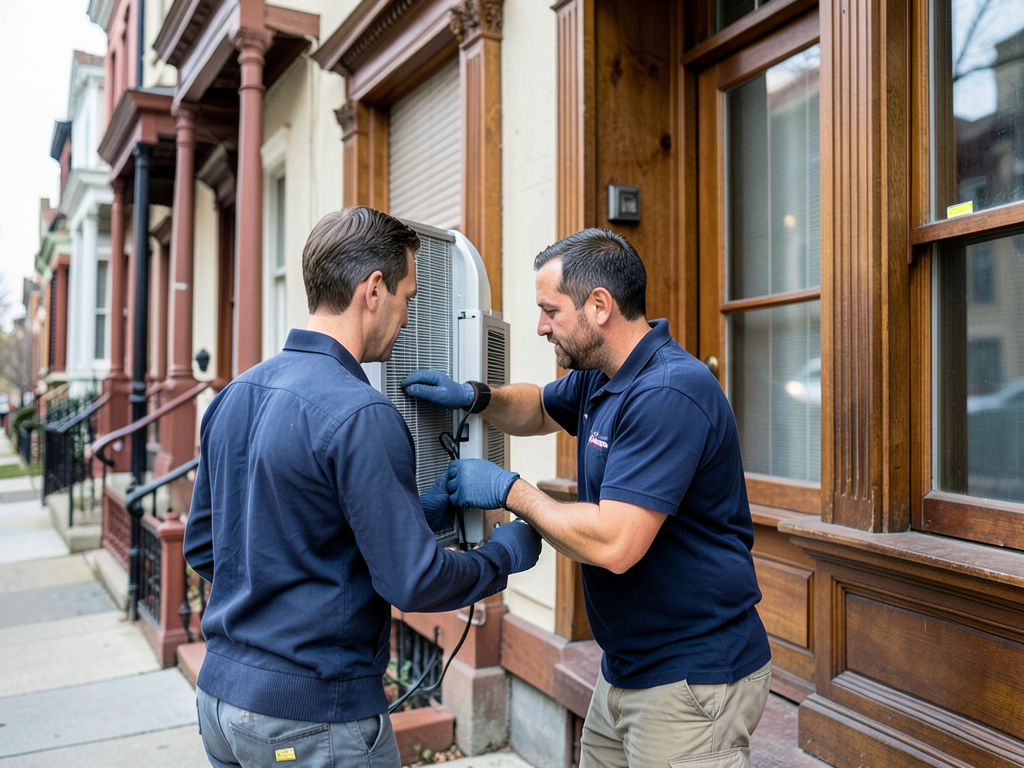
Homes in historic districts like Capitol Hill and Georgetown face additional challenges because preservation rules limit exterior modifications that would improve building envelope sealing. Many row homes share party walls with neighboring units, which means you are also dealing with particulate infiltration from adjacent properties. Local HVAC contractors familiar with Washington's building stock understand these constraints and can recommend filtration upgrades that work within your home's architectural limitations. Choosing a provider with experience in District homes means you get solutions that account for your specific building type, ductwork configuration, and the local environmental factors driving your dust problem.