Menu

Signs of Carbon Monoxide in Washington, D.C. | Expert Detection and Protection for District Homes

Patriot HVAC Washington DC helps you identify carbon monoxide warning signs before they become life-threatening, using professional-grade detection equipment and local knowledge of D.C.'s older heating systems and row house ventilation challenges.

Slider Image 1
Slider Image 2
Slider Image 3
Slider Image 4
Slider Image 5
Slider Image 7
Slider Image 8
Slider Image 9
Slider Image 10
Slider Image 11

Why Carbon Monoxide Detection Is Critical in Washington, D.C. Homes

Carbon monoxide poisoning symptoms develop silently in D.C. homes every heating season. The District's dense concentration of historic row houses, many built before modern ventilation codes, creates unique risks. Shared walls and limited air circulation trap this odorless gas. When your furnace produces incomplete combustion, carbon monoxide accumulates faster in these tight spaces than in detached homes.

You need to recognize carbon monoxide symptoms immediately. Early indicators of carbon monoxide include persistent headaches that disappear when you leave home, unexplained nausea, and dizziness that affects multiple household members simultaneously. These warning signs mimic flu symptoms, which causes dangerous delays in recognition.

The signs of a carbon monoxide leak become more severe as exposure continues. Confusion, vision problems, and chest pain signal dangerous blood oxygen depletion. Pets often show distress first because their smaller body mass makes them more vulnerable to carbon monoxide poisoning symptoms.

Washington, D.C.'s aging heating infrastructure compounds the problem. Many Capitol Hill and Georgetown homes still use original boilers or furnaces from the 1960s and 1970s. These systems develop heat exchanger cracks and flue blockages that redirect exhaust gases into living spaces. Winter inversions, common along the Potomac River basin, trap cold air near ground level and prevent proper furnace venting through chimneys.

Your carbon monoxide detector provides the first defense, but professional inspection identifies the source. Cracked heat exchangers, blocked flue pipes, backdrafting water heaters, and deteriorated chimney liners all produce carbon monoxide warning signs you cannot ignore.

Why Carbon Monoxide Detection Is Critical in Washington, D.C. Homes
How Professional Carbon Monoxide Detection Works

How Professional Carbon Monoxide Detection Works

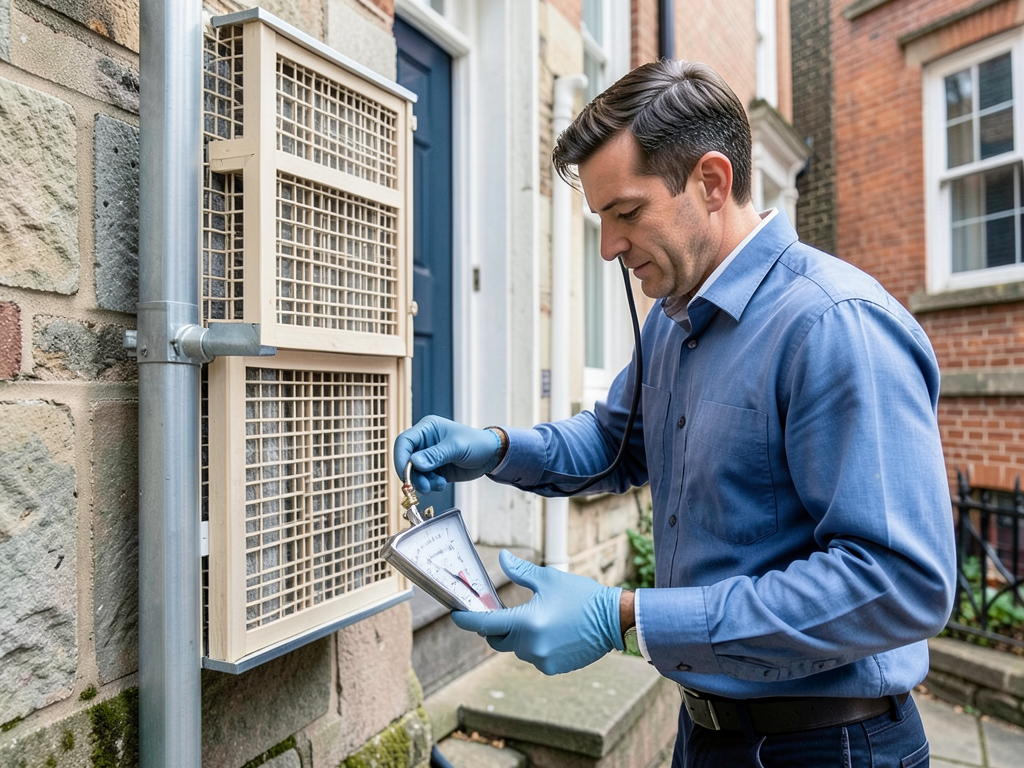
Professional carbon monoxide detection goes beyond battery-powered alarms. Patriot HVAC Washington DC uses calibrated electronic analyzers that measure CO concentrations in parts per million. These devices detect levels well below what triggers residential alarms, identifying problems before they become emergencies.

The inspection starts at your heating equipment. We measure ambient CO levels, then test combustion efficiency at the heat exchanger. Properly functioning furnaces produce less than 10 ppm of carbon monoxide in flue gases. Readings above 35 ppm indicate incomplete combustion from dirty burners, insufficient air supply, or cracked heat exchangers.

We inspect your venting system next. The flue pipe must maintain proper draft to exhaust combustion gases outdoors. We check for corrosion, disconnected joints, and blockages from bird nests or debris. In row houses, we verify that your chimney draft is not reversed by negative pressure from bathroom exhaust fans or kitchen range hoods. This backdrafting pulls carbon monoxide back into your home instead of venting it outside.

Your water heater receives the same scrutiny. Gas water heaters produce carbon monoxide during operation. We verify proper draft hood function and test for spillage at the flue collar. Many D.C. basements have inadequate combustion air supply, which starves the burner and creates incomplete combustion.

We also evaluate your home's pressure dynamics. Modern homes with tight weatherization can develop negative pressure when exhaust fans run. This pressure imbalance pulls combustion gases from furnace and water heater flues into living spaces. We measure pressure differentials and recommend makeup air solutions when necessary.

The final step involves source identification if elevated CO levels exist. We isolate each gas appliance, testing operation individually to pinpoint the contamination source.

What Happens During Your Carbon Monoxide Safety Assessment

Signs of Carbon Monoxide in Washington, D.C. | Expert Detection and Protection for District Homes
01

Equipment and Air Testing

Our technician arrives with a calibrated CO analyzer and begins testing ambient air levels throughout your home. We measure concentrations in sleeping areas, near gas appliances, and in your basement mechanical room. This baseline reading reveals whether carbon monoxide is actively present and helps locate the contamination source. We document readings at each location for comparison during appliance testing.
02

Appliance Combustion Analysis

We test each fuel-burning appliance individually. The analyzer probe measures carbon monoxide in flue gases, while we verify proper draft and check for spillage. We inspect heat exchangers for cracks, examine burner flames for proper color and pattern, and verify adequate combustion air supply. Your furnace, water heater, and any gas fireplaces or stoves undergo complete evaluation. We identify whether problems stem from equipment failure or installation issues.
03

Solutions and Documentation

You receive a detailed report showing CO measurements, identified problems, and recommended corrections. We explain which issues require immediate attention and which need monitoring. If we find dangerous carbon monoxide levels, we help you ventilate the space and may recommend temporarily shutting down equipment until repairs are complete. You get clear guidance on next steps, whether that involves heat exchanger replacement, venting repairs, or combustion air improvements.

Why Washington, D.C. Residents Trust Our Carbon Monoxide Expertise

Carbon monoxide detection in the District requires understanding D.C.'s unique housing stock. Patriot HVAC Washington DC has assessed hundreds of Capitol Hill row houses, Dupont Circle brownstones, and Cleveland Park colonials. We know how these structures behave during heating season.

Your typical D.C. row house presents specific challenges. Shared party walls eliminate cross-ventilation. Original chimneys often serve multiple appliances through a common flue, increasing backdraft risk. Basement ceiling heights barely meet code, limiting combustion air availability. We navigate these constraints daily.

We understand local renovation patterns that create carbon monoxide risks. Many homeowners add bathroom exhaust fans, range hoods, and dryer vents without considering pressure effects on naturally-drafted appliances. We have seen carbon monoxide problems appear immediately after kitchen remodels that installed powerful downdraft cooktops. These installations create negative pressure that overwhelms furnace and water heater venting.

Our technicians recognize equipment common to D.C. homes. We regularly service Weil-McLain boilers, Carrier furnaces, and Bradford White water heaters that dominate local installations. We know which models develop heat exchanger problems and at what age. This experience speeds diagnosis.

We also understand D.C. building codes and permit requirements. Carbon monoxide detector placement follows specific District regulations. Furnace installations must meet current venting standards. When we identify code violations during inspection, we explain compliance requirements clearly.

The Potomac River basin's weather patterns affect how your heating system operates. Temperature inversions during calm winter nights create poor draft conditions. We account for these factors when evaluating venting adequacy. Your system must work safely even during worst-case atmospheric conditions.

Emergency response matters when carbon monoxide is involved. We maintain rapid response capability throughout the District, from Navy Yard to Friendship Heights. You get answers quickly when carbon monoxide symptoms appear.

What to Expect from Professional Carbon Monoxide Assessment

Response Time and Availability

Carbon monoxide concerns get priority scheduling. We typically respond within 24 hours for standard assessments. If your CO detector has alarmed or household members show carbon monoxide poisoning symptoms, we treat it as an emergency and respond immediately. Our technicians carry detection equipment on every service truck, so we can perform impromptu testing during routine maintenance calls if you report concerns. Evening and weekend appointments accommodate your schedule. We understand that carbon monoxide worries keep you up at night, so we make assessment access easy.

Comprehensive Inspection Process

Your assessment takes 60 to 90 minutes depending on how many fuel-burning appliances you have. We test every gas appliance, examine all venting components, and evaluate your home's pressure dynamics. You receive real-time explanations as we work. We show you the analyzer readings, explain what the numbers mean, and demonstrate any problems we find. If we discover a cracked heat exchanger, you see it with a flashlight or inspection camera. We believe in transparent diagnosis, so you understand exactly what creates risk in your home and why our recommendations matter.

Clear Results and Action Plans

You get written documentation of all findings. The report includes CO measurements at each test location, appliance performance data, and photos of any defects. We categorize problems by urgency. Red-flag issues that create immediate danger get explained clearly, with options for rapid correction. Yellow-flag items that need attention but are not immediately dangerous receive timeline guidance. We provide cost estimates for recommended repairs and help you prioritize spending. If your situation is safe, we tell you that too. Our goal is informed decision-making, not fear-based selling.

Ongoing Protection and Monitoring

Carbon monoxide safety requires ongoing vigilance. We recommend annual combustion analysis as part of regular furnace maintenance. This catches developing problems before they become dangerous. We track your equipment history, noting when heat exchangers typically fail for your furnace model and age. You get reminder notifications when service is due. We also provide guidance on proper carbon monoxide detector placement and replacement schedules. Most battery-operated detectors need replacement every five to seven years. We help you maintain layered protection combining working detectors with properly maintained equipment.

Frequently Asked Questions

You Have Questions,
We Have Answers

What are signs of carbon monoxide in the house? +

You cannot see or smell carbon monoxide, so you must rely on physical symptoms and detector alarms. Early signs include headaches, dizziness, nausea, and fatigue that improve when you leave the house. You might also notice flu-like symptoms without a fever. Your CO detector alarm is the most reliable warning. In Washington, D.C., where older row homes often have aging furnaces and gas water heaters, pay attention to yellow or orange furnace flames instead of blue, excessive soot buildup, or stuffy indoor air during winter months when homes stay sealed tight.

How quickly will you know if you have carbon monoxide poisoning? +

Symptoms appear based on concentration levels and exposure duration. At low levels, you may feel mild headaches or fatigue within one to two hours. At moderate concentrations, symptoms intensify to confusion, vomiting, and chest pain within 45 minutes. High concentrations cause unconsciousness within minutes. Washington, D.C. residents using gas heating during cold snaps face faster exposure in tightly sealed historic homes. If multiple people feel sick simultaneously, especially during furnace operation, evacuate immediately and call 911. Do not wait to confirm the source. Carbon monoxide poisoning progresses quickly and causes brain damage or death.

How can I check if I have carbon monoxide? +

Install UL-listed carbon monoxide detectors on every level of your home, especially near sleeping areas. Place them at breathing height, not on ceilings like smoke detectors. Test detectors monthly and replace batteries twice yearly. Never rely on symptoms alone. In Washington, D.C., building codes require detectors in homes with fuel-burning appliances or attached garages. If your detector alarms, evacuate immediately and call 911 from outside. Fire departments carry detection equipment to measure CO levels accurately. Schedule annual HVAC inspections to check heat exchangers, flue pipes, and combustion air supply before each heating season.

What gas is known as the silent killer? +

Carbon monoxide earns the name silent killer because you cannot detect it with your senses. It has no color, odor, or taste. Unlike natural gas, which utility companies odorize with mercaptan for safety, carbon monoxide provides zero warning before causing harm. The gas binds to hemoglobin in your blood 200 times more effectively than oxygen, starving your organs and brain. In Washington, D.C., where many residents live in attached row homes, a CO leak in one unit can migrate through shared walls. This makes detection especially critical in the District's historic neighborhoods with interconnected ventilation systems.

Can small amounts of carbon monoxide hurt you? +

Yes. Even low-level exposure causes cumulative health damage over time. Chronic low-level poisoning mimics other conditions, making diagnosis difficult. You may experience persistent headaches, memory problems, difficulty concentrating, mood changes, and fatigue. Long-term exposure damages your heart and brain permanently. In Washington, D.C., residents often dismiss winter symptoms as seasonal illness while malfunctioning furnaces slowly poison them. Small amounts are particularly dangerous for pregnant women, infants, elderly residents, and people with heart conditions. If symptoms improve when you leave home and return when you come back, investigate immediately. Consistent exposure at 50 parts per million causes harm.

Can a phone app detect carbon monoxide? +

No reliable phone apps detect carbon monoxide. Some claim to use phone sensors, but these are ineffective and dangerous. Smartphones lack the electrochemical sensors needed to measure CO accurately. Relying on apps creates false security that can cost lives. In Washington, D.C., where smartphone use is ubiquitous, this myth spreads easily. Invest in proper UL-listed detectors instead. Quality detectors cost between $20 and $50 and provide reliable protection. Some newer models connect to smartphone apps for remote alerts, but the physical detector does the actual sensing. Never substitute technology gimmicks for proven safety equipment.

What's the most common household thing to cause a carbon monoxide leak? +

Malfunctioning furnaces cause most residential carbon monoxide leaks. Cracked heat exchangers, blocked flue pipes, and improper combustion all produce dangerous CO levels. In Washington, D.C., many row homes use older gas furnaces in basement mechanical rooms with inadequate combustion air supply. Other common sources include gas water heaters, clothes dryers vented improperly, blocked chimneys, and running vehicles in attached garages. During winter, residents sometimes use gas ovens for supplemental heat, creating serious poisoning risks. The District's freeze-thaw cycles can crack chimney liners, blocking exhaust pathways. Schedule annual furnace inspections before each heating season.

Do you just fall asleep with carbon monoxide poisoning? +

Not always. While carbon monoxide can cause drowsiness leading to unconsciousness, many victims experience alertness with severe symptoms first. You might feel confused, disoriented, or agitated before losing consciousness. The stereotype of peacefully falling asleep is dangerously misleading. High concentrations cause rapid symptoms including severe headaches, vomiting, chest pain, and difficulty breathing before unconsciousness occurs. In Washington, D.C., where residents often sleep with gas furnaces running overnight, bedroom detectors are critical. If you wake feeling unusually groggy or sick, especially during heating season, evacuate and investigate. Carbon monoxide poisoning is a medical emergency requiring immediate action.

Does opening windows help with carbon monoxide? +

Opening windows reduces carbon monoxide concentrations but does not eliminate danger or fix the source. If you suspect CO exposure, evacuate immediately rather than ventilating. Fresh air helps but cannot counteract ongoing production from a malfunctioning appliance. In Washington, D.C., where winter temperatures make open windows impractical, residents must address the root problem. After evacuation, fire departments will ventilate your home and locate the source. Never re-enter until professionals declare it safe and repair the malfunction. Cracking windows during normal furnace operation improves combustion air supply but never replaces proper maintenance or working detectors.

Can a small gas leak make you feel sick? +

Yes. Small gas leaks cause various symptoms even without significant carbon monoxide production. Natural gas itself can cause headaches, dizziness, nausea, and respiratory irritation. The odorant added to natural gas (mercaptan) also irritates mucous membranes. However, incomplete combustion from gas appliances produces carbon monoxide, which is more dangerous. In Washington, D.C., where Washington Gas serves the area, residents should recognize the distinctive sulfur smell of natural gas. If you smell gas or feel unexplained illness, evacuate and call Washington Gas emergency services immediately. Never ignore symptoms or assume small leaks are harmless. Gas leaks create explosion and poisoning risks.

How D.C.'s Historic Architecture Increases Carbon Monoxide Risk

Washington, D.C.'s housing stock predates modern building codes. Most Capitol Hill row houses were built between 1880 and 1920, with heating systems added decades after initial construction. These retrofit installations often share undersized chimneys, creating draft competition between your furnace and water heater. When both appliances fire simultaneously, the stronger draft wins and the weaker appliance spills combustion gases into your basement. Georgetown's Federal-style homes face similar issues, with narrow flues that barely accommodate modern furnace venting requirements. The District's historic preservation restrictions limit exterior venting modifications, forcing creative solutions to meet current safety standards while maintaining architectural character.

Patriot HVAC Washington DC understands the balance between preservation and safety. We have worked with the Historic Preservation Review Board on venting solutions that meet code without compromising facade appearance. Our technicians know which modifications require HPRB approval and which fall under routine maintenance exemptions. We also understand D.C.'s unique permit requirements. The Department of Consumer and Regulatory Affairs has specific protocols for gas appliance work in the District. We maintain proper licensing and pull permits when required, protecting you from compliance issues. Our local expertise means your carbon monoxide assessment considers both immediate safety and long-term regulatory compliance.
HVAC Services in The Washington DC Area

Easily locate Patriot HVAC and explore our service area on the map below. We are strategically positioned to provide prompt and efficient heating, ventilation, and air conditioning services across Washington D.C. and its neighboring communities. Whether you're seeking a quick repair or a new installation, our team is ready to serve your comfort needs.

Address:
Patriot HVAC Washington DC, 20 F St NW, Washington, DC, 20001

Additional Services We Offer

Our news updates

Latest Articles & News from The Blogs

A seasonal guide to the best day to switch from cooling to heating in Washington DC Washington DC homeowners face…

A seasonal guide to the best day to switch from cooling to heating in Washington DC

A seasonal guide to the best day to switch from cooling to heating in Washington DC Washington DC homeowners face…

The Ultimate Spring HVAC Checklist for Large Family Homes in Crestwood

The Ultimate Spring HVAC Checklist for Large Family Homes in Crestwood Spring in Washington DC means the humid summer heat…

Keeping construction dust out of your Buzzard Point apartment during nearby building projects

Keeping construction dust out of your Buzzard Point apartment during nearby building projects Construction dust from new developments along the…

Contact Us

Carbon monoxide symptoms require immediate professional assessment. Call Patriot HVAC Washington DC at (771) 218-6322 now for same-day or next-day testing. We identify sources, explain risks clearly, and provide solutions that keep your family safe throughout heating season.