

Washington, D.C. experiences one of the widest annual temperature ranges on the East Coast, with summer heat indices exceeding 105 degrees and winter wind chills dropping below zero. This 120-degree annual swing forces your HVAC system to work harder than equipment in more moderate climates. Traditional systems struggle with this range, either oversizing for peak load and cycling constantly during mild weather, or undersizing for efficiency and failing to maintain comfort during extremes. Inverter technology solves this dilemma by providing variable capacity across the entire range, delivering 25 percent output during mild spring evenings and ramping to 115 percent capacity during August heat waves or January cold snaps.
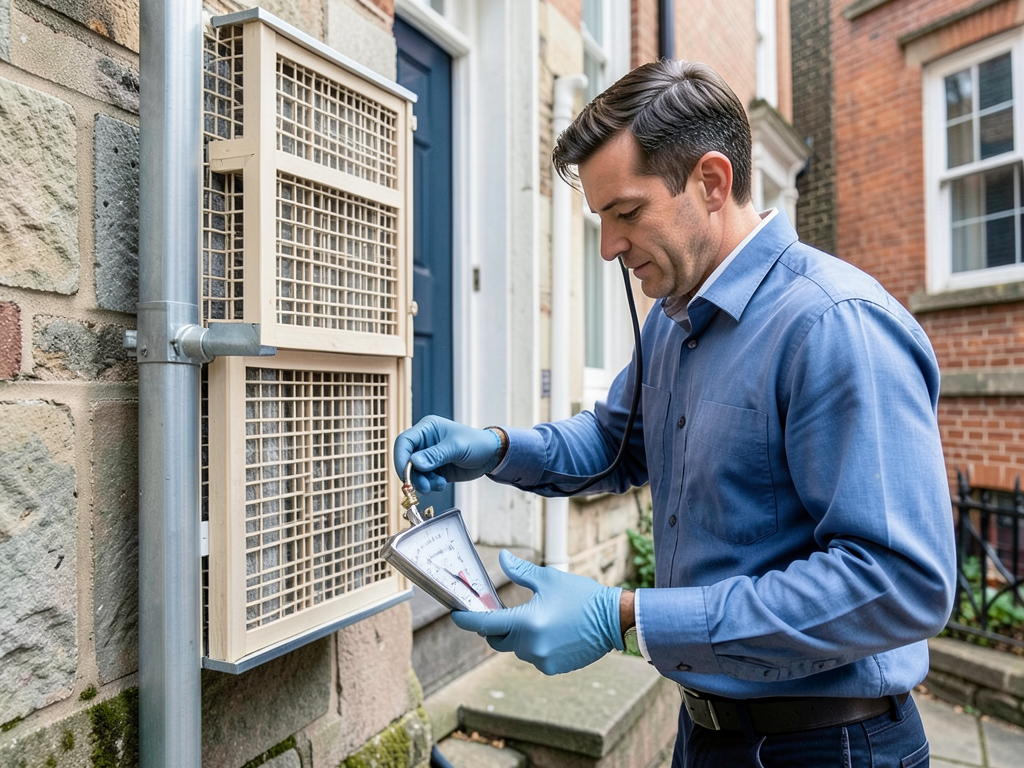
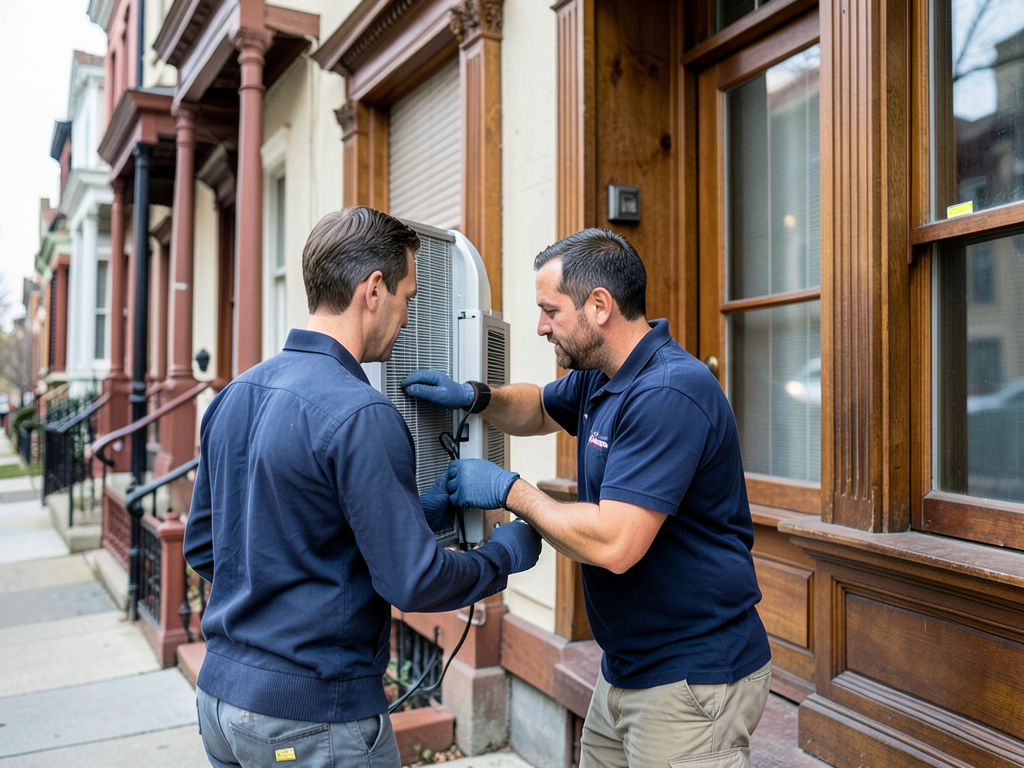
The District's building stock adds another layer of complexity. Row homes in Shaw and Capitol Hill share walls that reduce heating and cooling loads but create moisture migration issues between units. Inverter systems address this through consistent operation that manages humidity better than cycling equipment. Georgetown's historic homes often have limited electrical capacity, making the reduced amperage draw of inverter technology particularly valuable. Northwest D.C.'s newer construction emphasizes energy efficiency, and inverter systems help meet the District's increasingly strict energy codes. Local expertise matters because these applications require specific equipment selection and installation techniques that generic contractors miss.