


Bethesda sits in a humid subtropical zone where HVAC systems face constant stress. Summer humidity regularly hits 70-80%, forcing air conditioners to run longer cycles to remove moisture. This overworks compressors and evaporator coils. Winter temperatures swing from 20 to 50 degrees in the same week, stressing furnaces and heat pumps through constant cycling.
The Potomac River corridor creates microclimates that trap moisture in neighborhoods like Cabin John and Battery Park. Homes near Rock Creek Park face higher humidity than properties near Bradley Boulevard. Older Bethesda homes built in the 1940s-1960s often have undersized ductwork that can't handle modern high-efficiency systems, creating pressure imbalances that reduce comfort and increase energy bills.
Bethesda's mix of single-family homes, historic properties, and modern townhouses means HVAC challenges vary by neighborhood. Battery Park colonials have different cooling loads than Sumner condos. Air conditioning systems fight harder here than in drier climates. Furnaces cycle more frequently than in regions with stable winter temperatures. This climate stress shortens equipment life and increases breakdown frequency if systems aren't maintained properly.
We built our reputation responding to HVAC emergencies across Bethesda when other companies put you on a waiting list. When your system fails at 9 PM on Saturday, we answer the phone. When your AC quits during a heatwave, we prioritize your call. We don't schedule you three days out when you're sweating through July humidity or freezing through a February cold snap.
Our technicians drive fully stocked trucks with common parts for most residential systems. This means we fix most problems on the first visit instead of ordering parts and coming back next week. We carry compressors, motors, circuit boards, contactors, and capacitors for major brands. When we can't fix it same-visit, we explain why and give you options, not sales pitches.
Patriot HVAC serves Bethesda with honest diagnostics. If your 18-year-old system needs a $1,200 repair, we tell you the compressor might fail next year and help you decide if replacement makes more sense. We don't push new equipment when a repair gives you two more good years. We don't manufacture urgency to close sales. Our technicians make what they make whether you repair or replace, so you get straight answers.
We've handled HVAC emergencies from Drummond to Woodmont, from Battery Park to Bethesda Chevy Chase. We know which neighborhoods have older electrical panels that can't handle high-efficiency heat pumps. We know which streets flood basements and threaten furnaces. We know Bethesda, and we fix what's broken without the runaround.

We answer emergency calls nights, weekends, and holidays, not an answering service that calls you back Monday. Real technicians respond to HVAC failures when you need help, not when it's convenient. Fully stocked trucks arrive ready to diagnose and repair most common breakdowns on the first visit.

Our technicians aren't salespeople working on commission. They diagnose the problem, explain your repair and replacement options with honest cost and lifespan estimates, then let you decide. If a $300 repair buys you two years, we say so instead of pushing a $7,000 system you don't need yet.
We stock parts for all major residential HVAC brands on every truck. This means we complete most repairs the same day instead of scheduling callbacks after ordering parts. Compressors, blower motors, control boards, and contactors go on the truck, so you get cooling or heating restored fast.
We know Bethesda homes and the HVAC challenges they face. Older neighborhoods with undersized ductwork, properties near the Potomac with humidity issues, and historic homes with unique installation constraints all need different approaches. We've repaired systems across every Bethesda neighborhood and understand local conditions that stress equipment.
Patriot HVAC handles everything from emergency air conditioning repairs to complete system replacements across Bethesda. We service all residential and commercial HVAC equipment, all brands, all ages. Whether you need a compressor replaced, ductwork sealed, or a full system upgrade, we handle it with the same fast response and honest approach.
Our service range covers emergency breakdowns, planned maintenance, system installations, and indoor air quality improvements. We repair central air conditioners, heat pumps, gas furnaces, electric furnaces, and ductless mini-splits. We replace failed equipment and install new systems sized correctly for Bethesda's climate and your home's load requirements.
We organize our HVAC services around what Bethesda customers actually need: fast repairs when systems fail, preventive maintenance that catches problems before breakdowns, and expert installation when replacement makes sense. Each service category addresses different situations, from urgent cooling failures to planned system upgrades. Here's how we help Bethesda properties stay comfortable year-round.
When your air conditioner quits cooling or your furnace stops heating, we respond fast with diagnostic expertise and parts to fix most problems same-visit. We repair compressor failures, blower motor issues, refrigerant leaks, control board malfunctions, and thermostat problems. Emergency service covers all equipment types including central air, heat pumps, gas furnaces, and ductless systems. We arrive with tools and parts ready to restore comfort, not schedule callbacks.
Regular maintenance extends equipment life and prevents most emergency failures. Our maintenance service includes refrigerant level checks, electrical connection testing, condensate drain cleaning, air filter replacement, and performance diagnostics. We catch failing capacitors, worn contactors, and refrigerant leaks before they cause complete breakdowns. Scheduled maintenance costs less than emergency repairs and keeps systems running efficiently through Bethesda's demanding summers and variable winters.
When repair costs approach replacement value or your system is beyond economical repair, we install new equipment sized correctly for your home's cooling and heating loads. We handle complete system changeouts, heat pump installations, high-efficiency AC upgrades, and furnace replacements. Installation includes proper refrigerant charging, ductwork assessment, and thermostat setup. We pull permits, coordinate inspections, and ensure new systems meet current efficiency standards and Bethesda building requirements.
Bethesda's climate and housing stock create specific HVAC challenges. High summer humidity forces air conditioners to run extended cycles, wearing compressors and evaporator coils faster than in drier climates. Winter temperature swings stress heat pumps through frequent defrost cycles. Older homes near downtown Bethesda often have undersized ductwork that reduces airflow and comfort even with newer equipment.
Properties near Rock Creek Park and the Potomac corridor face elevated humidity that promotes mold growth in ductwork and air handlers. Homes built before 1980 frequently have aging ductwork with air leaks that waste energy and reduce system efficiency. These location-specific factors combine with normal wear to create breakdown patterns we see repeatedly across Bethesda neighborhoods. Here are the most common HVAC issues we repair.
Bethesda's humid summers force air conditioners to run longer cycles removing moisture, overworking compressors. Compressors fail when electrical components overheat or mechanical parts seize. We diagnose compressor issues, test electrical draw, check refrigerant levels, and determine if replacement or system upgrade makes economic sense based on equipment age.
High humidity corrodes evaporator coils and condenser coils, creating refrigerant leaks that reduce cooling capacity. Systems with leaks run constantly without reaching temperature. We locate leaks with electronic detectors, repair when possible, and recharge systems to manufacturer specifications. Severely corroded coils require replacement to restore proper cooling.
Blower motors and capacitors fail from continuous operation during Bethesda summers. Failed blower motors stop airflow completely. Weak capacitors cause motors to struggle starting or run hot. We replace failed motors and capacitors same-visit in most cases, restoring airflow and preventing secondary damage to other components from inadequate cooling.
Air conditioners remove gallons of moisture daily in Bethesda's humid climate. Condensate drains clog with algae and debris, causing water backups that flood air handlers or trigger safety shutoffs. We clear drain lines, clean drain pans, and install overflow switches that prevent water damage when primary drains clog between service visits.
When your HVAC system fails, you need fast answers and faster service. Patriot HVAC responds to emergency calls with technicians who arrive ready to diagnose and repair, not schedule estimates. We handle your HVAC emergency from first contact through completed repair with clear communication and no surprise charges.
You'll speak with someone who understands HVAC problems and can assess urgency over the phone. We dispatch technicians based on problem severity, not call order. Complete system failures in extreme weather get priority. Our trucks arrive fully stocked with common replacement parts for most residential systems, so repairs happen same-visit when possible.
Our technicians diagnose the failure, explain what broke and why, provide repair cost before starting work, and complete repairs after you approve. If your system needs replacement instead of repair, we explain why and give you options without sales pressure. Here's what happens when you work with Patriot HVAC for emergency service or planned work.
Emergency calls get immediate dispatch. We text you technician name, photo, and arrival window. No all-day appointment windows. No wondering when help arrives. You get a specific timeframe and updates if anything changes. Technicians call 20 minutes before arrival so you're not waiting by the door. This communication continues through completed repair, so you know what's happening at every step.
Technicians diagnose the problem, test all related components, and explain what failed in plain language. You get written repair cost before work starts. No surprises when the bill comes. If we find additional issues during repair, we stop and explain your options before proceeding. You approve every dollar spent. Diagnostic fees apply to repair cost if you proceed with service.
After repairs, technicians test system performance to confirm proper operation. Air conditioners get temperature split measurements. Furnaces get combustion analysis. We check refrigerant levels, airflow rates, and electrical draw. You receive documentation of repairs completed and system performance results. We clean the work area and remove all debris. Your HVAC system works, and you know it works before we leave.
We designed our repair process to get your HVAC system working fast without confusion about timing, cost, or what's happening. From your first call to completed repair, you stay informed and in control.
You call with an HVAC problem. We ask questions to understand the failure and assess urgency. Complete system failures in extreme weather get priority dispatch. You receive technician name, photo, and arrival timeframe by text. No vague all-day windows. We give you a specific arrival time and communicate if schedules shift. Technician calls 20 minutes out to confirm arrival.
Technician inspects your system, runs diagnostic tests, and identifies the failure cause. You get a clear explanation of what broke, why it failed, and what repair involves. Written repair cost comes before work starts. If we find additional problems during diagnosis, we explain them and let you decide how to proceed. You approve the repair price before technician touches tools.
After approval, technician completes the repair using parts stocked on the truck when possible. Repairs get tested to confirm proper system operation. Air conditioners get temperature measurements. Furnaces get combustion testing. You receive documentation showing work completed and system performance. Area gets cleaned, debris removed, and your HVAC system runs correctly before we leave your property.
Proper HVAC repair and installation in Bethesda requires adherence to specific performance standards, building codes, and manufacturer specifications. Maryland follows International Mechanical Code with local amendments. Montgomery County requires permits for system replacements and refrigerant work exceeding certain thresholds. These regulations exist to ensure safety, efficiency, and proper system operation.
Air conditioning systems must maintain specific temperature differentials between return and supply air. Properly charged systems typically show 15-20 degree splits on humid days, though exact specifications depend on outdoor temperature and humidity. Subcooling and superheat measurements confirm correct refrigerant charge. Airflow rates must meet manufacturer specifications, typically 350-450 CFM per ton of cooling. Insufficient airflow causes frozen evaporator coils and reduced capacity.
Furnace installations require combustion analysis to verify safe operation. Carbon monoxide levels must stay below 25 parts per million in ambient air. Flue gases need proper draft to exhaust safely. Gas pressure at the manifold must match equipment specifications. Modern furnaces require specific venting materials, either PVC for condensing models or Type B vent for conventional units.
Heat pump installations in Bethesda require proper refrigerant charging based on subcooling method for fixed orifice systems or superheat method for TXV systems. Backup heat must be sized and wired correctly to prevent comfort issues during defrost cycles or extreme cold. Defrost boards need proper programming for Bethesda's winter conditions to prevent ice buildup on outdoor coils.
Ductwork significantly impacts system performance. Leaky ducts waste 20-30% of conditioned air in typical homes. We test duct leakage using calibrated equipment and seal connections with mastic, not standard tape. Properly designed duct systems match blower capacity to minimize static pressure while delivering adequate airflow to each room. Undersized ducts reduce comfort and efficiency regardless of equipment quality.
Correct refrigerant charge is critical for efficiency and equipment life. We charge systems by superheat or subcooling method depending on metering device type. Overcharged systems damage compressors. Undercharged systems reduce capacity and freeze coils. We measure pressures, temperatures, and airflow to verify proper charge per manufacturer specifications.
Repair costs depend on failed component, system age, and refrigerant type. Compressor replacement costs more than capacitor replacement. R-22 refrigerant costs significantly more than R-410A. Emergency calls cost more than scheduled service. Equipment age affects parts availability and repair value. We explain cost factors before starting work so you can make informed decisions.
Most repairs complete same-visit when we stock the failed part. Compressor, blower motor, and control board replacements typically take 2-4 hours. Refrigerant leak repairs depend on leak location. System replacements take one to two days for complete changeouts including permits and inspections. We provide realistic timeframes based on actual scope of work.
Montgomery County requires permits for HVAC system replacements, ductwork modifications exceeding certain square footage, and refrigerant work on commercial systems. Permits ensure work meets code and gets inspected. We pull required permits, coordinate inspections, and provide documentation of code compliance. Unpermitted work creates problems when selling property or filing insurance claims.
This video explains common HVAC system failures affecting Bethesda homes and what homeowners should know before calling for air conditioning repair or heating service. Content covers compressor failures, refrigerant leaks, blower motor issues, and condensate drain problems specific to Bethesda's humid climate. Viewers learn diagnostic questions to ask technicians, typical repair costs, and when system replacement makes more financial sense than repairing aging equipment.
Patriot HVAC provides emergency repairs, maintenance, and system replacements throughout Bethesda and surrounding Montgomery County areas. We serve downtown Bethesda's high-rise condos along Wisconsin Avenue where rooftop HVAC units require specialized access and commercial-grade expertise. Woodmont Triangle properties get the same fast response we provide to Battery Park single-family homes with basement furnaces and attic air handlers.
We handle HVAC service calls throughout Bethesda Chevy Chase where older colonial homes often have undersized ductwork that limits cooling capacity. These properties near Connecticut Avenue frequently need duct modifications when upgrading to high-efficiency systems. We've worked on HVAC systems in Drummond, where proximity to Rock Creek Park creates higher humidity that stresses air conditioners and promotes condensate drain problems.
Somerset residents near Bradley Boulevard call us for heat pump repairs and furnace service in homes ranging from 1950s ranchers to modern construction. Each property type presents different HVAC challenges. Older homes often have inadequate insulation that forces systems to work harder. Newer construction sometimes has ductwork sized too tight, creating high static pressure that reduces equipment life.
We service properties in Edgemoor near the Capital Crescent Trail where split-level homes need zone control for comfort across multiple levels. North Bethesda calls bring us to townhouses and apartments where shared walls affect cooling loads differently than detached homes. We repair commercial HVAC systems for Bethesda businesses along Old Georgetown Road and Rockville Pike, from small retail spaces to medical offices with specific humidity requirements.
Our service area extends to Cabin John where homes near the Potomac face moisture issues that accelerate coil corrosion. We handle HVAC work in Glen Echo, Potomac, and Garrett Park for customers who want the same reliable service Bethesda properties receive. Distance from our service area doesn't change our response commitment or diagnostic quality. Every neighborhood gets fully stocked trucks and technicians who fix problems right the first time.
The $5000 rule helps you decide between repairing or replacing your system. Multiply the repair cost by your unit's age. If the total exceeds $5000, replace it. For example, a $400 repair on a 15-year-old unit equals $6000, so replacement makes sense. With Bethesda's humid summers stressing older systems, this calculation matters. Units over 12 years old often fail again soon after repairs. Factor in energy efficiency gains with new systems, especially given Maryland's rising utility costs. This rule provides a quick financial benchmark for homeowners facing unexpected breakdowns.
Full system replacements in Bethesda typically range based on equipment type and home size. Variables include ductwork condition, refrigerant requirements, and efficiency ratings. Installation complexity matters in older Bethesda neighborhoods with challenging attic or basement access. Gas furnaces with central air differ from heat pump systems. Two-story homes need more labor than ranches. Permits and load calculations add to the scope. Your existing ductwork condition affects total project requirements. Get itemized quotes comparing SEER ratings and warranty coverage to understand value beyond initial price tags.
A 2000 square foot home in Bethesda needs a 3 to 4-ton system depending on insulation, window quality, and ceiling height. Single-stage units cost less upfront but variable-speed systems save money long-term through lower utility bills. Bethesda's clay soil causes settling that impacts ductwork efficiency, sometimes requiring modifications. Two-story layouts need proper zoning for comfort. Heat pumps work well in Maryland's moderate climate. Installation complexity varies with existing infrastructure. Request Manual J load calculations to ensure proper sizing. Oversized systems short-cycle and waste energy while undersized units struggle during peak heat.
The $5000 rule helps you decide between repairing or replacing your system. Multiply the repair cost by your unit's age. If the total exceeds $5000, replace it. For example, a $400 repair on a 15-year-old unit equals $6000, so replacement makes sense. With Bethesda's humid summers stressing older systems, this calculation matters. Units over 12 years old often fail again soon after repairs. Factor in energy efficiency gains with new systems, especially given Maryland's rising utility costs. This rule provides a quick financial benchmark for homeowners facing unexpected breakdowns.
Full system replacements in Bethesda typically range based on equipment type and home size. Variables include ductwork condition, refrigerant requirements, and efficiency ratings. Installation complexity matters in older Bethesda neighborhoods with challenging attic or basement access. Gas furnaces with central air differ from heat pump systems. Two-story homes need more labor than ranches. Permits and load calculations add to the scope. Your existing ductwork condition affects total project requirements. Get itemized quotes comparing SEER ratings and warranty coverage to understand value beyond initial price tags.
A 2000 square foot home in Bethesda needs a 3 to 4-ton system depending on insulation, window quality, and ceiling height. Single-stage units cost less upfront but variable-speed systems save money long-term through lower utility bills. Bethesda's clay soil causes settling that impacts ductwork efficiency, sometimes requiring modifications. Two-story layouts need proper zoning for comfort. Heat pumps work well in Maryland's moderate climate. Installation complexity varies with existing infrastructure. Request Manual J load calculations to ensure proper sizing. Oversized systems short-cycle and waste energy while undersized units struggle during peak heat.
A 3000 square foot house typically requires a 4 to 5-ton system, though Bethesda homes with mature tree shade or southern exposures vary significantly. Multi-zone systems often make sense for larger homes to control temperatures independently. Older Bethesda properties near downtown may need ductwork upgrades due to original designs. High ceilings, window count, and insulation quality dramatically impact sizing requirements. Variable-speed systems handle larger spaces more efficiently than single-stage units. Professional load calculations prevent expensive sizing mistakes. Consider zoning options for wings or finished basements common in Bethesda residential architecture.
High-efficiency systems may qualify for federal tax credits under the Inflation Reduction Act. As of 2025, Energy Star certified heat pumps and central air systems can qualify for up to 30% credits with caps. Equipment must meet specific SEER2 and HSPF2 ratings. Maryland sometimes offers additional state rebates for efficiency upgrades. Primary residences qualify, not rental properties. Save manufacturer certifications and receipts. Consult a tax professional for your situation since rules change annually. Installation costs typically qualify, making upgrades more affordable. Check current IRS guidelines before purchasing to confirm eligible models.
The 3-minute rule protects your compressor from damage. After shutting off your AC, wait at least 3 minutes before restarting. This allows refrigerant pressure to equalize throughout the system. Restarting too quickly forces the compressor to work against high pressure, causing premature failure. This matters during power outages common in Bethesda during summer storms. Modern thermostats include built-in delay timers. Never rapidly cycle your system on and off when troubleshooting. If you smell burning or hear grinding after restart, shut down immediately and call for service to prevent compressor burnout.
A 1200 square foot home typically needs a 2 to 2.5-ton system depending on layout and insulation. Bethesda's smaller bungalows and townhomes in older neighborhoods often need duct sealing due to age-related leaks. Single-story homes cool more efficiently than split-levels. Window count and direction impact load calculations significantly. Higher SEER ratings reduce operating costs in compact spaces where systems run frequently. Existing ductwork condition affects total project scope. Smaller homes sometimes face higher per-square-foot installation costs due to minimum service requirements. Proper sizing prevents short-cycling that wastes energy.
Systems last 15 to 20 years with proper maintenance, though Bethesda's humid climate and temperature swings stress components more than moderate regions. Furnaces outlast air conditioners by 3 to 5 years on average. Heat pumps handle both heating and cooling, so they wear faster. Annual tune-ups extend lifespan significantly by catching small issues early. Coastal salt air in nearby areas accelerates corrosion. Systems installed in shaded outdoor locations last longer than units in direct sun. Quality installation matters as much as equipment brand. After 12 years, repair frequency increases and efficiency drops noticeably.
Refrigerant leaks top the list, especially in older systems using R-22. Capacitor failures prevent compressors and fans from starting. Dirty coils reduce efficiency and cause freeze-ups common in Bethesda's pollen-heavy spring months. Thermostat malfunctions create comfort problems without actual mechanical failure. Blower motor issues reduce airflow. Drain line clogs cause water damage in humid Maryland summers. Contactor wear prevents system startup. Ductwork leaks waste conditioned air, especially in older homes. Sensor problems cause short-cycling. Many repairs stem from deferred maintenance rather than component failure, making seasonal tune-ups worthwhile investments.
October through March offers the best value in Bethesda. Contractors have lighter schedules after summer emergencies end, allowing better pricing and faster installation. Manufacturers release new models in spring, discounting previous year inventory in fall. Avoid June through August when emergency replacements surge during heat waves and contractors charge premium rates. Equipment shortages happen during peak season. Fall installations let you test heating mode before winter arrives. Spring offers moderate pricing but higher demand than winter. Plan replacements during mild weather when you can open windows during installation day.
A 3000 square foot house typically requires a 4 to 5-ton system, though Bethesda homes with mature tree shade or southern exposures vary significantly. Multi-zone systems often make sense for larger homes to control temperatures independently. Older Bethesda properties near downtown may need ductwork upgrades due to original designs. High ceilings, window count, and insulation quality dramatically impact sizing requirements. Variable-speed systems handle larger spaces more efficiently than single-stage units. Professional load calculations prevent expensive sizing mistakes. Consider zoning options for wings or finished basements common in Bethesda residential architecture.
High-efficiency systems may qualify for federal tax credits under the Inflation Reduction Act. As of 2025, Energy Star certified heat pumps and central air systems can qualify for up to 30% credits with caps. Equipment must meet specific SEER2 and HSPF2 ratings. Maryland sometimes offers additional state rebates for efficiency upgrades. Primary residences qualify, not rental properties. Save manufacturer certifications and receipts. Consult a tax professional for your situation since rules change annually. Installation costs typically qualify, making upgrades more affordable. Check current IRS guidelines before purchasing to confirm eligible models.
The 3-minute rule protects your compressor from damage. After shutting off your AC, wait at least 3 minutes before restarting. This allows refrigerant pressure to equalize throughout the system. Restarting too quickly forces the compressor to work against high pressure, causing premature failure. This matters during power outages common in Bethesda during summer storms. Modern thermostats include built-in delay timers. Never rapidly cycle your system on and off when troubleshooting. If you smell burning or hear grinding after restart, shut down immediately and call for service to prevent compressor burnout.
A 1200 square foot home typically needs a 2 to 2.5-ton system depending on layout and insulation. Bethesda's smaller bungalows and townhomes in older neighborhoods often need duct sealing due to age-related leaks. Single-story homes cool more efficiently than split-levels. Window count and direction impact load calculations significantly. Higher SEER ratings reduce operating costs in compact spaces where systems run frequently. Existing ductwork condition affects total project scope. Smaller homes sometimes face higher per-square-foot installation costs due to minimum service requirements. Proper sizing prevents short-cycling that wastes energy.
Systems last 15 to 20 years with proper maintenance, though Bethesda's humid climate and temperature swings stress components more than moderate regions. Furnaces outlast air conditioners by 3 to 5 years on average. Heat pumps handle both heating and cooling, so they wear faster. Annual tune-ups extend lifespan significantly by catching small issues early. Coastal salt air in nearby areas accelerates corrosion. Systems installed in shaded outdoor locations last longer than units in direct sun. Quality installation matters as much as equipment brand. After 12 years, repair frequency increases and efficiency drops noticeably.
Refrigerant leaks top the list, especially in older systems using R-22. Capacitor failures prevent compressors and fans from starting. Dirty coils reduce efficiency and cause freeze-ups common in Bethesda's pollen-heavy spring months. Thermostat malfunctions create comfort problems without actual mechanical failure. Blower motor issues reduce airflow. Drain line clogs cause water damage in humid Maryland summers. Contactor wear prevents system startup. Ductwork leaks waste conditioned air, especially in older homes. Sensor problems cause short-cycling. Many repairs stem from deferred maintenance rather than component failure, making seasonal tune-ups worthwhile investments.
October through March offers the best value in Bethesda. Contractors have lighter schedules after summer emergencies end, allowing better pricing and faster installation. Manufacturers release new models in spring, discounting previous year inventory in fall. Avoid June through August when emergency replacements surge during heat waves and contractors charge premium rates. Equipment shortages happen during peak season. Fall installations let you test heating mode before winter arrives. Spring offers moderate pricing but higher demand than winter. Plan replacements during mild weather when you can open windows during installation day.
Easily locate Patriot HVAC and explore our service area on the map below. We are strategically positioned to provide prompt and efficient heating, ventilation, and air conditioning services across Washington D.C. and its neighboring communities. Whether you're seeking a quick repair or a new installation, our team is ready to serve your comfort needs.
Address:
Bethesda, DC, 20815
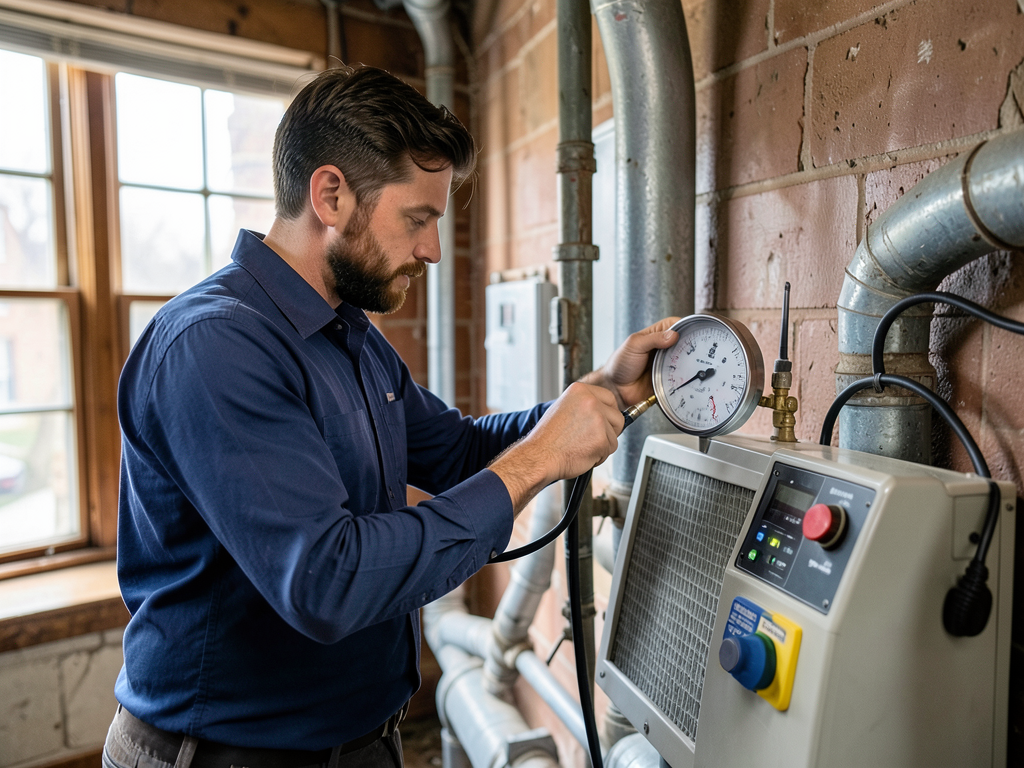
The Best Air Filter Upgrades for Georgetown Homes with Sensitive Historic Woodwork Georgetown's historic rowhouses feature irreplaceable wood trim, original hardwood floors, and intricate millwork that requires careful climate control. Standard air filters often create…
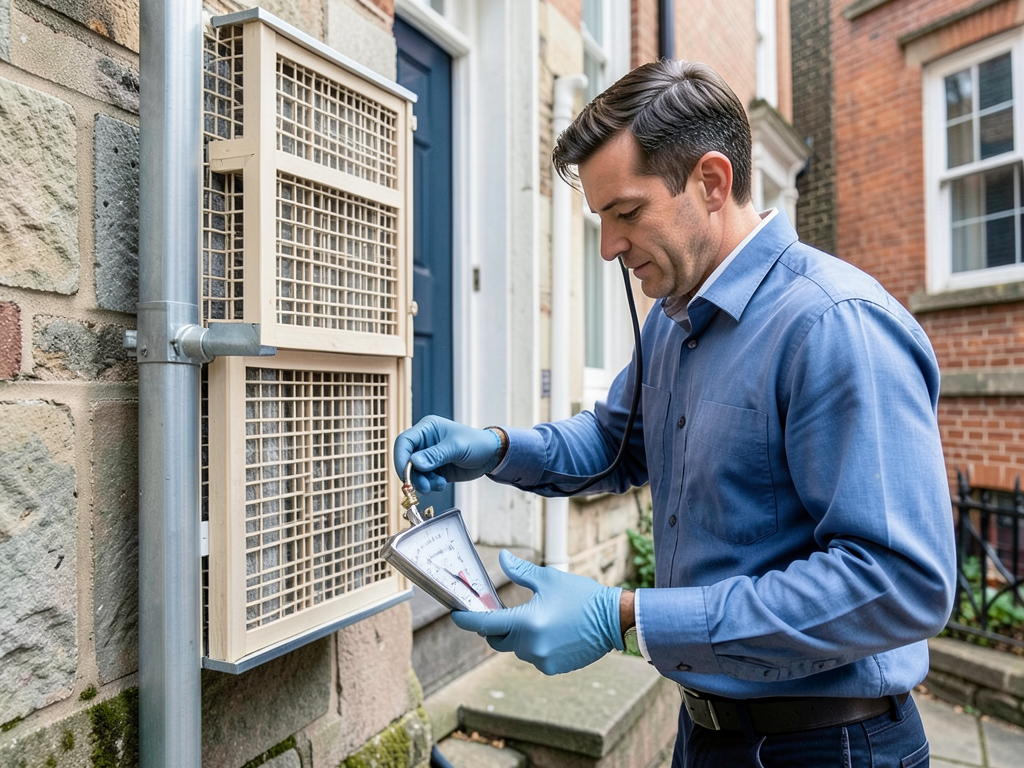
The Best Air Filter Upgrades for Georgetown Homes with Sensitive Historic Woodwork Georgetown's Federal-style rowhouses…
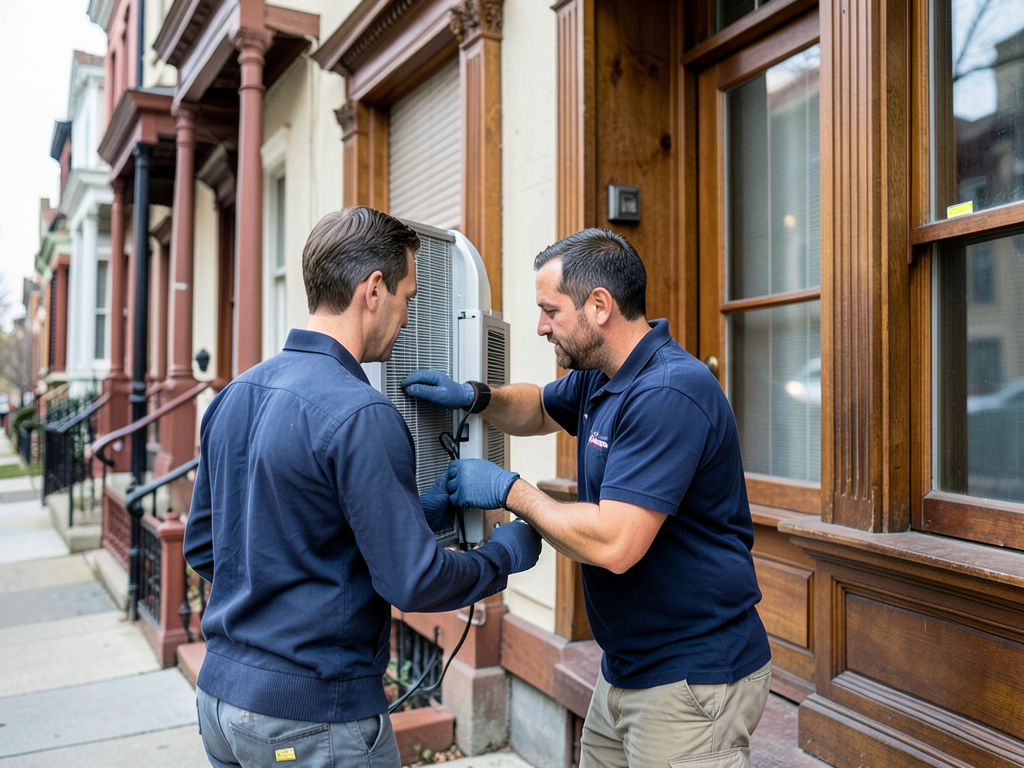
The Best Air Filter Upgrades for Georgetown Homes with Sensitive Historic Woodwork Georgetown's historic rowhouses…
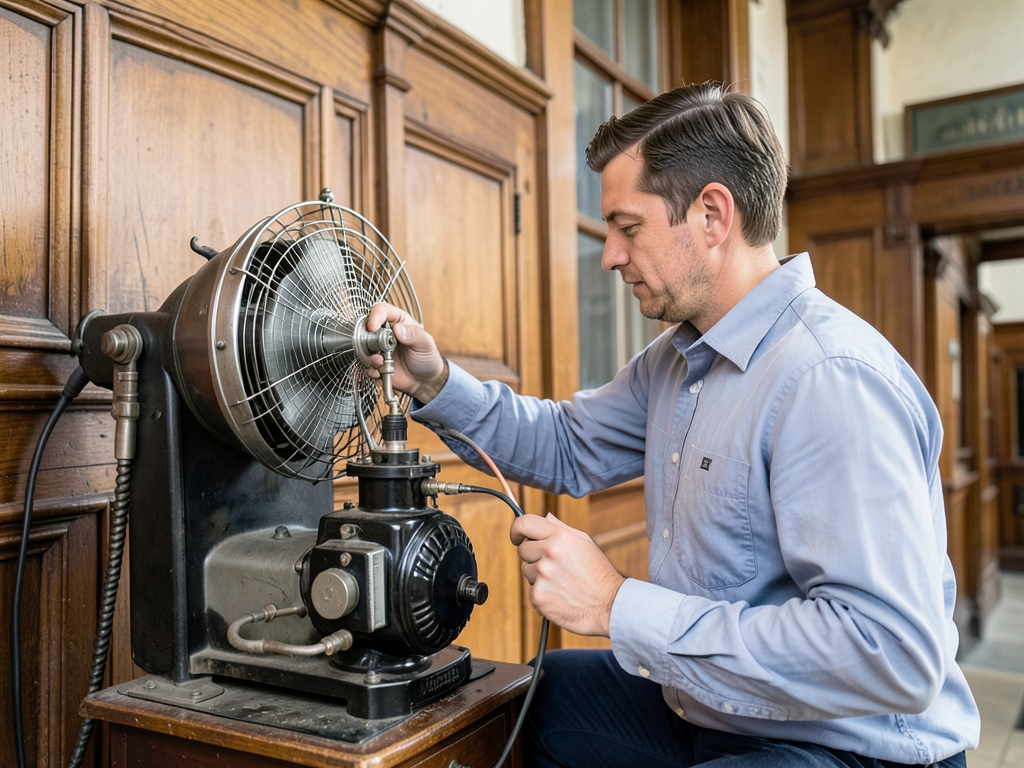
The Best Air Filter Upgrades for Georgetown Homes with Sensitive Historic Woodwork Georgetown's historic rowhouses…
Your comfort matters. When your AC or heating fails, call Patriot HVAC Washington DC at (771) 218-6322 for fast diagnosis and same-day repair across Bethesda. We answer emergency calls 24/7 and arrive ready to fix what's broken.