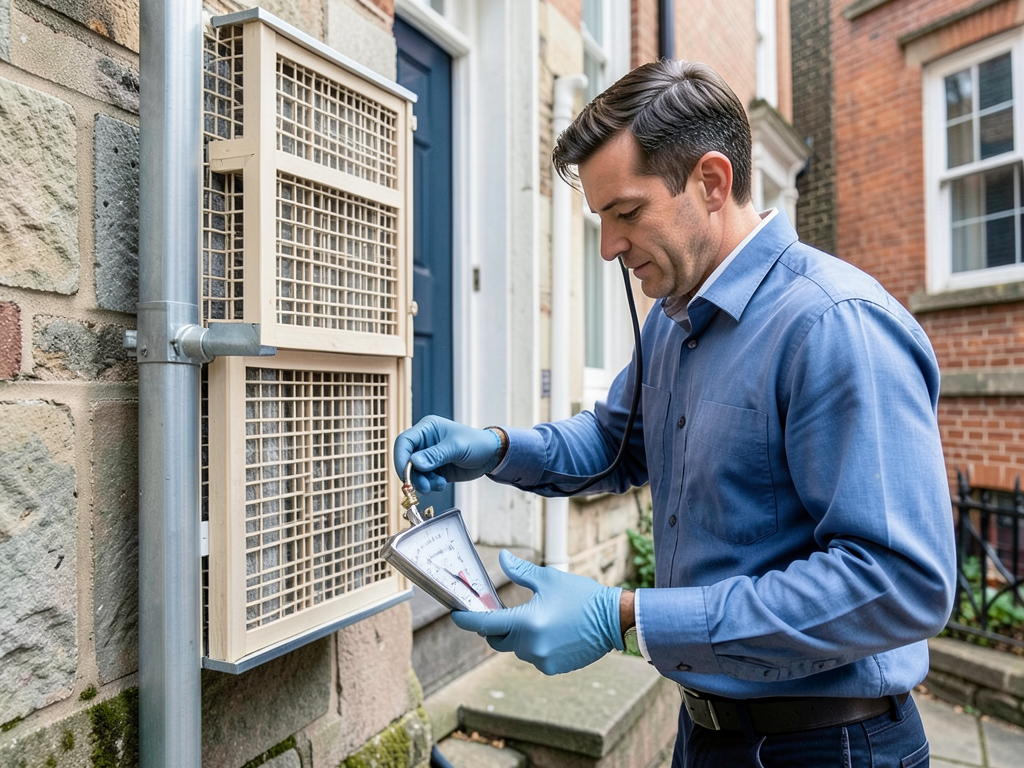
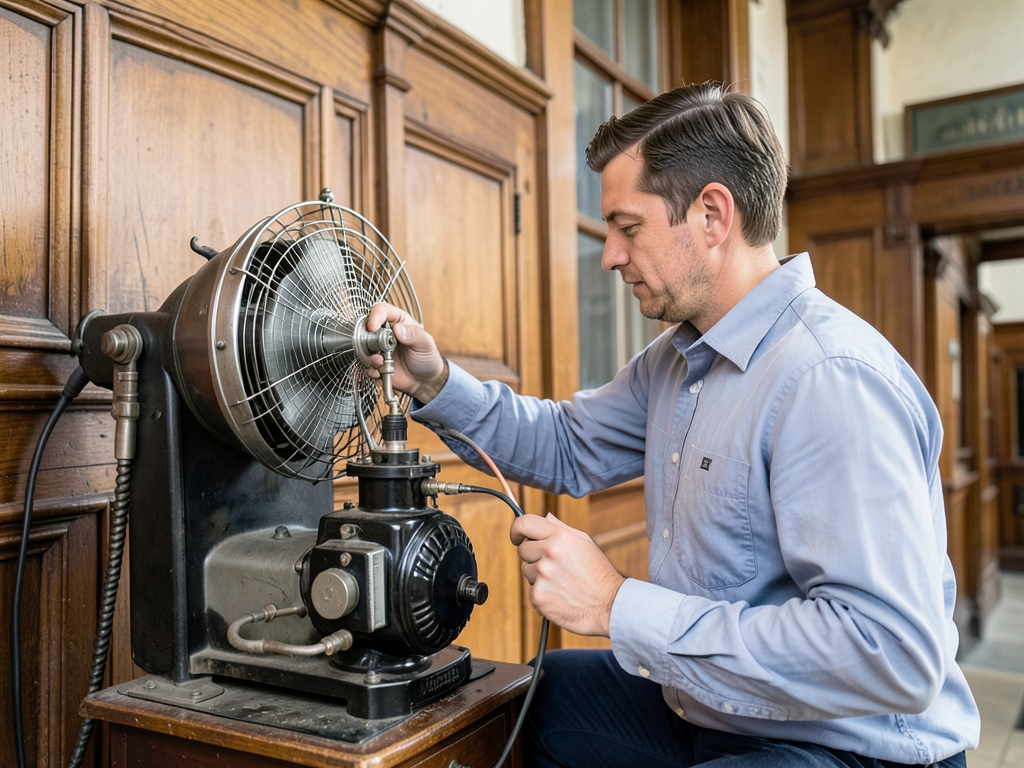
Washington, D.C. sits at the convergence of the Potomac and Anacostia Rivers, creating high humidity year-round. Summer humidity regularly exceeds 70 percent, and that moisture seeps into HVAC control boards and thermostat wiring. Corrosion builds up on terminal screws and control board traces, creating high-resistance connections that eventually fail. Power surges from thunderstorms rolling through the Chesapeake Bay region also damage transformers and control boards. A single lightning strike on a nearby power line sends a voltage spike through your electrical panel, blowing the low-voltage fuse that powers your thermostat. Older homes in neighborhoods like Shaw, Logan Circle, and Georgetown have ungrounded electrical systems that offer no surge protection. The result is a blank thermostat display and a dead HVAC system.
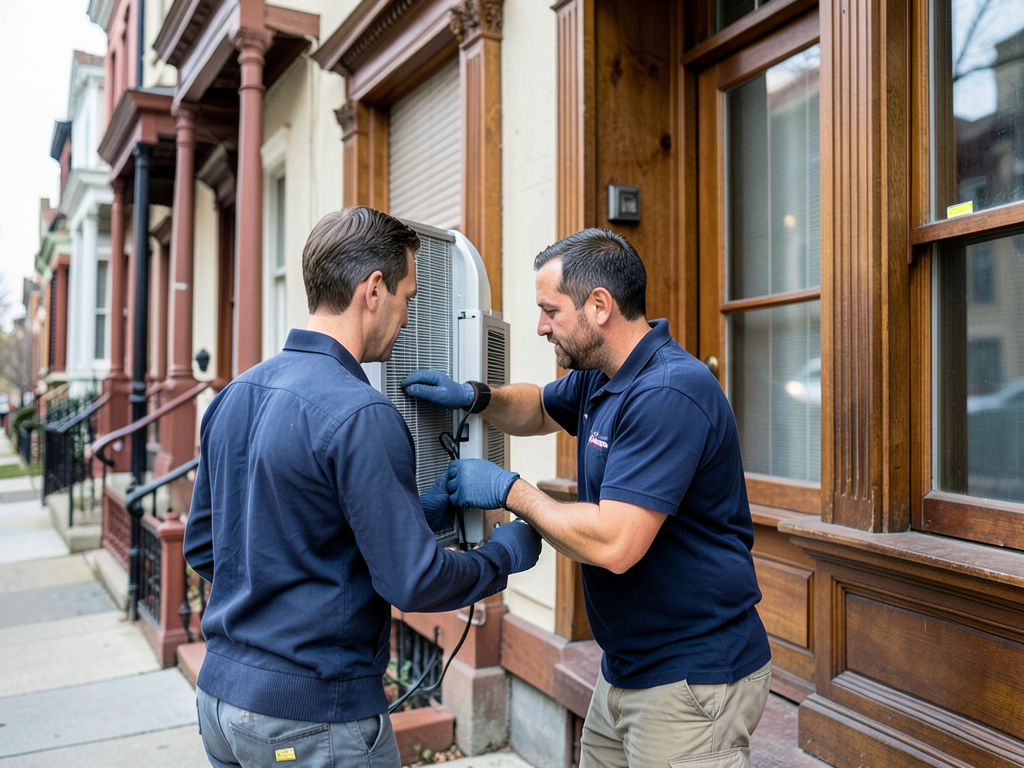
Washington, D.C. requires electrical permits for HVAC control wiring modifications, and our technicians pull those permits when necessary. We know the local inspection process and the code requirements for low-voltage wiring in residential buildings. We also understand the architectural quirks of Washington, D.C. housing stock. Rowhouses have shared walls and limited attic access, making thermostat wire runs more complex. Historic district homes require careful work to avoid damaging original plaster and woodwork. Choosing a local HVAC company means you get a technician who has worked in hundreds of Washington, D.C. homes and knows how to solve thermostat problems without creating new headaches.