


Arlington sits in a humid subtropical climate zone where summer temperatures regularly exceed 90 degrees with crushing humidity. Your air conditioner runs harder and longer than systems in drier climates. Winter brings freeze-thaw cycles that stress heating equipment and ductwork. The result is accelerated wear on compressors, heat exchangers, and refrigerant lines.
Most Arlington homes were built between the 1940s and 1970s, when energy efficiency standards barely existed. Original ductwork often leaks conditioned air into attics and crawl spaces. Older homes near Fort Myer and Clarendon feature chopped-up floor plans from renovations, creating hot and cold spots that overwork HVAC equipment.
The District's building codes require permits for major HVAC work, and Arlington County enforces strict residential mechanical codes. Any system replacement or substantial modification needs proper permitting and inspection. Homeowners who skip this process face problems during home sales or insurance claims.
Your system fights Washington humidity, aging infrastructure, and regulatory requirements. That triple challenge means Arlington HVAC equipment needs more frequent maintenance and faster repairs than national averages suggest.
We built our reputation in Arlington by showing up when other companies go to voicemail. Emergency calls get answered by real people, not answering services. Our dispatch system routes the closest available technician to your address, cutting response time across neighborhoods from Ballston to Aurora Highlands.
Every truck carries an extensive parts inventory. We stock the components that fail most often in older Arlington homes: capacitors, contactors, thermostats, ignitors, and blower motors for the brands installed throughout the District. Most repairs finish during the first visit because our technicians arrive prepared.
Our pricing stays consistent whether you call at 2 PM or 2 AM. You get the same diagnostic fee, the same labor rates, and the same parts pricing. We quote the full cost before starting work. No hidden fees for after-hours service, no surprise charges when the bill arrives.
We maintain manufacturer certifications for Carrier, Trane, Lennox, and Rheem equipment. Our technicians complete ongoing education on refrigerant handling, electrical diagnostics, and the latest high-efficiency systems. When we recommend a repair or replacement, you get honest assessment based on equipment condition and realistic lifespan, not commission-based sales pressure.
Arlington County recognizes our permit applications because we submit complete, code-compliant documentation. We handle the inspection scheduling and coordinate with county inspectors. Homeowners get proper permits without navigating bureaucracy themselves.

We dispatch technicians across Arlington within 90 minutes of your call. Our GPS routing system identifies the closest available truck to your neighborhood. Most Arlington addresses get same-day service, even during heat waves when demand spikes. Your comfort emergency becomes our priority the moment you dial.

You approve the cost before we touch your system. Our diagnostic fee covers troubleshooting and applies toward approved repairs. We quote parts and labor separately so you understand exactly what you're paying for. No surprise charges appear on your final invoice. Rate stays the same regardless of call time.
Our team maintains current certifications from major manufacturers and EPA Section 608 credentials for refrigerant handling. We invest in continuous training on new equipment technology and diagnostic techniques. Your repair gets performed to factory specifications using proper tools and procedures, protecting your warranty coverage.
We navigate Arlington County's mechanical permit requirements so you don't have to. Our applications meet code requirements the first time. We schedule inspections and ensure your installation passes. When you sell your home, your HVAC work has proper documentation and county approval on record.
Patriot HVAC Washington DC handles every aspect of residential heating and cooling across Arlington. Your comfort needs change with the seasons and the age of your equipment. We provide emergency repairs when systems fail, planned maintenance to prevent breakdowns, and full replacements when equipment reaches end of life.
Our service range covers split systems, heat pumps, packaged units, and ductless mini-splits common in Arlington homes. We work on gas furnaces, electric heat strips, and dual-fuel systems. Whether you need a quick capacitor replacement or a complete system design for a gut renovation, our team has the expertise and equipment to deliver results.
We categorize services based on urgency and scope. Emergency repairs restore comfort within hours. Maintenance service prevents expensive failures during peak seasons. System replacements require planning, permitting, and precision installation. Each service category demands different expertise, and our technicians specialize across all three areas.
Your system stops working and comfort disappears fast. We provide same-day emergency repair across Arlington with no after-hours upcharges. Our technicians diagnose the failure, explain your options, and complete most repairs during the first visit. Common fixes include compressor capacitors, blower motors, thermostats, refrigerant leaks, ignitor failures, and electrical component replacements. You get your heating or air conditioning restored quickly with parts and labor backed by warranty.
Regular maintenance extends equipment life and prevents failures during Washington's brutal summers and cold winters. Our tune-ups include refrigerant level checks, electrical connection tightening, condensate drain cleaning, air filter replacement, and full system testing. We identify worn components before they fail completely. Spring AC service prepares your cooling for summer heat. Fall furnace service ensures reliable heating when temperatures drop. Maintenance customers get priority emergency scheduling.
Equipment older than 15 years often costs more to repair than replace. We provide accurate load calculations based on your home's size, insulation, and window efficiency. Our installations meet Arlington County mechanical codes and include proper permits and inspections. You get high-efficiency equipment sized correctly for your space, new thermostats, and warranty protection. We remove old equipment responsibly and test new systems thoroughly before final sign-off.
Arlington's climate and housing stock create predictable HVAC challenges. High humidity promotes mold in ductwork and condensate lines. Temperature extremes stress equipment during peak seasons. Older homes lack proper insulation and duct sealing, forcing systems to work harder than designed capacity allows.
These problems compound over time. A small refrigerant leak becomes a failed compressor. Dirty coils reduce efficiency until the system can't keep up with demand. Deferred maintenance turns into expensive emergency repairs during the hottest and coldest days when you need reliability most.
Recognizing these issues early saves money and prevents complete system failure. Most problems show warning signs before equipment stops working entirely. Understanding what to watch for helps you call for service before discomfort arrives.
Your air conditioner runs nonstop but indoor temperatures keep climbing. Common causes include low refrigerant from leaks, frozen evaporator coils from restricted airflow, failed compressors, or undersized equipment for your space. This problem destroys energy efficiency and often indicates a serious component failure requiring immediate diagnosis.
One room stays cold while another remains hot despite running your system. Ductwork leaks in attics or crawl spaces waste conditioned air before it reaches living spaces. Inadequate insulation, blocked vents, or improper damper settings also create hot and cold spots. Older Arlington homes with chopped floor plans from renovations often suffer this problem.
Your heating system starts, runs briefly, shuts off, then repeats the cycle constantly. This short cycling indicates failed flame sensors, clogged air filters restricting airflow, thermostat problems, or cracked heat exchangers creating dangerous safety shutoffs. The constant starting stresses electrical components and drives up utility bills while delivering poor comfort.
Grinding, squealing, or banging sounds signal mechanical problems requiring immediate attention. Blower motor bearings fail and create grinding noise. Belt-driven systems squeal when belts loosen or wear. Banging indicates loose components or ductwork expanding and contracting. These noises warn of impending failure before complete breakdown occurs.
We built our service process around speed, transparency, and respect for your home. From your first call to final testing, you know what happens next and what it costs. Our goal is restoring your comfort without surprises or delays.
Real people answer our phones, not automated systems. You speak with someone who understands HVAC problems and can dispatch help immediately. Our technicians arrive in clean uniforms, driving marked trucks with full tool and parts inventory. They protect your floors with shoe covers and work area with drop cloths.
Communication continues throughout the service. You get photos of problem areas, explanations of what failed and why, and clear options for repair versus replacement when relevant. Our process removes uncertainty from a stressful situation.
Your call gets answered by our dispatch team, not voicemail. We identify the problem symptoms and dispatch the nearest available technician. You receive a text or call with the technician's name, photo, and estimated arrival time. Most Arlington addresses get same-day service. Emergency calls during extreme weather receive priority routing to minimize your discomfort.
Our technician inspects your entire system, not just the obvious problem. We test electrical components, measure refrigerant pressures, check airflow, and examine all mechanical parts. You get a complete explanation of what failed, why it happened, and whether other components show wear. We quote the repair cost including parts and labor before touching your equipment. You approve the work before we start.
Repairs use manufacturer-specified parts, not cheap aftermarket alternatives that fail quickly. We test system operation thoroughly after completing work. Your heating or cooling must perform to specification before we consider the job finished. All repairs come with parts and labor warranty. If something goes wrong with our work, we return and make it right at no additional charge.
We keep HVAC service straightforward. Complicated processes waste time when you need fast results. Our three-step approach gets technicians to your Arlington home quickly, completes accurate diagnosis efficiently, and restores your comfort with quality repairs.
Contact our team at (771) 218-6322 and describe your heating or cooling problem. We gather basic information about your symptoms, equipment age, and location. Our dispatch system identifies the closest available technician and provides you with an estimated arrival window. You receive confirmation via text or call with your technician's details and real-time updates if timing changes.
Your technician arrives with diagnostic tools and common parts inventory. We inspect the entire system to identify the root cause of failure. Testing includes electrical measurements, refrigerant pressure checks, airflow assessment, and component operation verification. You receive a clear explanation of the problem and a written quote for repair costs before any work begins. You decide whether to proceed.
Once you approve the quote, we complete the repair using proper tools and quality parts. After installation, we test system operation across all modes. Your heating or air conditioning must meet performance specifications before we finish. You receive documentation of work completed, parts installed, and warranty coverage. We clean the work area and remove all packaging and old components.
Professional HVAC work in Arlington requires knowledge of multiple code and regulatory systems. The International Mechanical Code forms the foundation, but Arlington County adds local amendments that affect installation requirements. Virginia state law mandates contractor licensing for HVAC work. The Environmental Protection Agency regulates refrigerant handling under Section 608 certification requirements.
Load calculations determine proper equipment sizing using Manual J methodology developed by the Air Conditioning Contractors of America. These calculations account for square footage, insulation values, window efficiency, air infiltration rates, and local climate data. Undersized equipment runs constantly and fails prematurely. Oversized equipment short cycles, wastes energy, and fails to remove humidity effectively. Proper sizing requires mathematical precision, not guesswork based on existing equipment.
Refrigerant regulations changed significantly in recent years. R-22 refrigerant faced EPA phase-out, driving prices above $150 per pound. Modern systems use R-410A refrigerant, which operates at higher pressures requiring different components and installation techniques. Mixing refrigerants or using incorrect types causes immediate compressor failure. Technicians need proper certification and equipment to handle these chemicals safely and legally.
Ductwork installation follows strict guidelines in the International Mechanical Code and ACCA Manual D standards. Ducts must be sized correctly to deliver design airflow without excessive velocity noise. Joints require proper sealing with mastic or approved tape, not standard duct tape which degrades quickly. Ducts in unconditioned spaces need insulation meeting minimum R-values specified by code. Poor ductwork wastes 20-30% of heating and cooling energy in typical homes.
Electrical connections must meet National Electrical Code requirements. HVAC equipment draws significant amperage requiring proper wire gauge, disconnect switches, and overcurrent protection. Improper electrical work causes equipment damage, fire hazards, and code violations. All electrical connections need inspection and approval before energizing new equipment.
Any HVAC equipment replacement or substantial modification requires a mechanical permit from Arlington County. The permit process includes plan submission, fee payment, installation inspection, and final approval. Homeowners who skip permitting face problems during home sales when title companies discover unpermitted work. Our team handles all permit documentation and coordinates county inspections to ensure your installation meets code requirements.
Equipment cost varies based on efficiency rating, brand, and capacity. Higher SEER ratings deliver better efficiency but cost more upfront. Installation complexity depends on existing infrastructure, ductwork condition, and accessibility. Homes requiring electrical upgrades, new thermostats, or duct modifications increase total investment. We provide detailed quotes breaking down equipment, installation labor, permits, and any necessary modifications before starting work.
Most repairs finish within 2-4 hours once diagnosis is complete. Common fixes like capacitor replacement or thermostat installation take under an hour. Complex repairs involving refrigerant work or component replacement may require several hours. Complete system replacements typically take one to two days depending on installation complexity. County inspections add 2-5 business days to the timeline for permitted work.
New HVAC equipment includes manufacturer warranties covering parts for 5-10 years depending on brand and model. Extended warranties covering labor and additional components are available at installation. Warranty coverage requires proper installation by licensed contractors and regular maintenance. We register all new equipment with manufacturers and provide documentation for your records ensuring warranty protection remains valid throughout the coverage period.
Professional HVAC technicians explain common heating and cooling problems affecting Arlington homes and how to identify quality repair service. This video covers Arlington-specific climate challenges, county permit requirements, proper diagnostic procedures, and the difference between necessary repairs and unnecessary system replacements. Viewers learn what causes AC and furnace failures, how to evaluate service companies, and when equipment replacement makes sense versus simple component repair for their home comfort systems.
Patriot HVAC Washington DC provides heating and cooling service throughout Arlington County and surrounding areas. Our central location allows rapid response across diverse neighborhoods, from high-rise condos near Rosslyn to single-family homes in the Lee Heights historic district.
The Ballston corridor presents unique HVAC challenges with its mix of older homes and modern condos. Many properties near the Ballston-MU Metro station underwent renovations that added square footage without upgrading HVAC capacity. We frequently handle undersized system replacements and duct modifications in this area. The Clarendon neighborhood features similar housing stock, with early 20th-century homes requiring careful integration of modern high-efficiency equipment with older infrastructure.
North Arlington neighborhoods including Donaldson Run and Yorktown see their share of aging heat pumps struggling with Washington humidity. These areas feature larger homes with complex duct systems running through attics and crawl spaces. Duct leakage and insulation problems reduce efficiency and create comfort issues. Our team handles duct sealing and insulation upgrades alongside equipment repairs in these established residential areas.
South Arlington's Aurora Highlands, Fairlington, and Shirlington neighborhoods include many townhomes and smaller single-family properties built in the 1940s through 1960s. Original HVAC equipment has long since been replaced, but ductwork often remains undersized by modern standards. We address airflow restrictions and hot-cold spot issues common in these communities while respecting the architectural character of historic properties.
East Arlington near the Pentagon City and Crystal City areas includes numerous high-rise buildings with individual HVAC units. We service ductless mini-splits, vertical stack systems, and packaged terminal units common in these residential towers. The close proximity to Reagan National Airport means temperature extremes and humidity affect this area differently than neighborhoods further from the Potomac River.
Properties along Arlington Boulevard and Columbia Pike feature diverse housing types requiring different HVAC approaches. Multi-family buildings need quick response for tenant comfort issues. Single-family homes often require full system replacements as original equipment reaches end of life. Our team adapts service to match each property's specific needs and budget constraints.
We extend service into adjacent Falls Church, Alexandria, and across the Potomac into Northwest DC when customers need our expertise. Your location within the greater Arlington metro area doesn't limit access to our rapid response, transparent pricing, and quality workmanship.
The $5000 rule is a repair-versus-replace guideline. Multiply your system's age by the repair cost. If the total exceeds $5000, replace the unit instead of fixing it. For example, a 12-year-old system needing a $500 repair equals $6000, which signals replacement time. Arlington homeowners face high humidity and temperature swings that stress aging equipment, making this rule especially useful. A new system delivers better efficiency and reliability than repeatedly patching an old one. This math helps you avoid throwing money at a failing system.
Most HVAC jobs in Arlington range widely based on scope. Basic repairs like thermostat replacements or capacitor swaps run lower, while compressor or evaporator coil work costs more. Complete system replacements vary by home size, efficiency rating, and ductwork condition. Arlington's mix of older row homes and newer construction affects installation complexity. Factors include refrigerant type, zoning needs, and whether your ductwork needs modification. Get multiple quotes and verify the contractor includes load calculations to properly size equipment for your home's specific heating and cooling demands.
A 2000 square-foot house in Arlington usually requires a 3 to 4-ton system. Total costs depend on efficiency ratings, brand, and installation complexity. Homes with good insulation and modern windows need less capacity than drafty older structures. Arlington's humid summers and cold winters require systems that handle both cooling and heating efficiently. Ductwork condition matters. Leaky or undersized ducts reduce performance and waste energy. A proper load calculation accounts for your home's orientation, insulation, and window placement to determine the right equipment size and avoid oversizing or undersizing problems.
The $5000 rule is a repair-versus-replace guideline. Multiply your system's age by the repair cost. If the total exceeds $5000, replace the unit instead of fixing it. For example, a 12-year-old system needing a $500 repair equals $6000, which signals replacement time. Arlington homeowners face high humidity and temperature swings that stress aging equipment, making this rule especially useful. A new system delivers better efficiency and reliability than repeatedly patching an old one. This math helps you avoid throwing money at a failing system.
Most HVAC jobs in Arlington range widely based on scope. Basic repairs like thermostat replacements or capacitor swaps run lower, while compressor or evaporator coil work costs more. Complete system replacements vary by home size, efficiency rating, and ductwork condition. Arlington's mix of older row homes and newer construction affects installation complexity. Factors include refrigerant type, zoning needs, and whether your ductwork needs modification. Get multiple quotes and verify the contractor includes load calculations to properly size equipment for your home's specific heating and cooling demands.
A 2000 square-foot house in Arlington usually requires a 3 to 4-ton system. Total costs depend on efficiency ratings, brand, and installation complexity. Homes with good insulation and modern windows need less capacity than drafty older structures. Arlington's humid summers and cold winters require systems that handle both cooling and heating efficiently. Ductwork condition matters. Leaky or undersized ducts reduce performance and waste energy. A proper load calculation accounts for your home's orientation, insulation, and window placement to determine the right equipment size and avoid oversizing or undersizing problems.
New HVAC systems in Arlington vary based on efficiency, size, and installation factors. Higher SEER ratings deliver better energy savings but cost more upfront. Your home's size, insulation quality, and existing ductwork condition affect final pricing. Arlington's climate demands systems that handle humid summers and freezing winters without excessive runtime. Two-stage or variable-speed systems provide better comfort and efficiency than single-stage units. Get detailed quotes that include load calculations, ductwork inspection, and refrigerant line sizing. Cheaper installations often skip these steps, leading to poor performance and premature failure.
The 2025 tax code offers credits for high-efficiency HVAC systems meeting specific Energy Star criteria. You can claim a percentage of the cost up to certain limits for qualified equipment. The system must meet minimum efficiency ratings, typically 16 SEER2 or higher for central air. Heat pumps often qualify for larger credits. Keep all receipts and manufacturer certifications for your tax filing. Consult a tax professional to verify current rates and eligibility, as rules change yearly. This credit can offset the higher upfront cost of efficient equipment while reducing your Arlington home's energy bills.
The 3-minute rule prevents short cycling damage. After your AC shuts off, wait three minutes before restarting it. This delay lets refrigerant pressures equalize inside the system. Restarting too quickly forces the compressor to start against high pressure, causing strain and potential failure. Arlington's stop-and-start weather patterns can trigger frequent cycling if your thermostat is poorly located or your system is oversized. Programmable thermostats should include built-in time delays. If your unit short cycles without manual restarts, you have a problem requiring professional diagnosis, like a failing compressor or incorrect refrigerant charge.
A 1200 square-foot home in Arlington typically needs a 1.5 to 2.5-ton system. Smaller homes require careful sizing to avoid oversizing, which causes short cycling and humidity problems. Your home's layout, insulation, and window orientation affect load requirements more dramatically in compact spaces. Arlington's row homes and condos often have shared walls that reduce heating and cooling needs. Ductwork must be properly sized for smaller systems to maintain adequate airflow. Avoid contractors who size equipment by square footage alone without performing Manual J load calculations, which account for your specific building characteristics.
HVAC systems in Arlington last 15 to 20 years with proper maintenance. High humidity and temperature extremes stress components, potentially shortening lifespan without regular service. Furnaces often outlast air conditioners because cooling puts more strain on compressors and coils. Systems running year-round wear faster than those used seasonally. Annual maintenance, clean filters, and prompt repairs extend equipment life. Neglected systems fail early, often around 10 to 12 years. Salt air near the Potomac can corrode outdoor units faster. Quality installation and correctly sized equipment prevent premature failure from overwork or poor airflow.
Arlington HVAC systems face common failures tied to climate and age. Capacitor failures prevent compressors and fans from starting, especially after lightning storms. Refrigerant leaks reduce cooling capacity and damage compressors if ignored. Clogged condensate drains cause water damage and shutdowns in humid weather. Thermostat malfunctions create comfort problems and wasted energy. Dirty coils reduce efficiency and freeze up. Blower motor failures stop airflow. Cracked heat exchangers in furnaces pose safety risks. Regular maintenance catches these issues early. High humidity accelerates corrosion and mold growth, making filter changes and coil cleaning more important in this region.
Fall and spring offer the best HVAC buying opportunities in Arlington. Contractors are less busy between peak summer cooling and winter heating seasons, giving you better pricing and scheduling flexibility. Manufacturers often run promotions during shoulder seasons. Avoid emergency replacements in July or January when demand spikes and you lose negotiating power. Plan replacement when your current system still functions, allowing time to research options and compare quotes. However, if your system fails during peak season, do not wait. Running without climate control in Arlington's extreme weather creates health risks and potential property damage from humidity.
New HVAC systems in Arlington vary based on efficiency, size, and installation factors. Higher SEER ratings deliver better energy savings but cost more upfront. Your home's size, insulation quality, and existing ductwork condition affect final pricing. Arlington's climate demands systems that handle humid summers and freezing winters without excessive runtime. Two-stage or variable-speed systems provide better comfort and efficiency than single-stage units. Get detailed quotes that include load calculations, ductwork inspection, and refrigerant line sizing. Cheaper installations often skip these steps, leading to poor performance and premature failure.
The 2025 tax code offers credits for high-efficiency HVAC systems meeting specific Energy Star criteria. You can claim a percentage of the cost up to certain limits for qualified equipment. The system must meet minimum efficiency ratings, typically 16 SEER2 or higher for central air. Heat pumps often qualify for larger credits. Keep all receipts and manufacturer certifications for your tax filing. Consult a tax professional to verify current rates and eligibility, as rules change yearly. This credit can offset the higher upfront cost of efficient equipment while reducing your Arlington home's energy bills.
The 3-minute rule prevents short cycling damage. After your AC shuts off, wait three minutes before restarting it. This delay lets refrigerant pressures equalize inside the system. Restarting too quickly forces the compressor to start against high pressure, causing strain and potential failure. Arlington's stop-and-start weather patterns can trigger frequent cycling if your thermostat is poorly located or your system is oversized. Programmable thermostats should include built-in time delays. If your unit short cycles without manual restarts, you have a problem requiring professional diagnosis, like a failing compressor or incorrect refrigerant charge.
A 1200 square-foot home in Arlington typically needs a 1.5 to 2.5-ton system. Smaller homes require careful sizing to avoid oversizing, which causes short cycling and humidity problems. Your home's layout, insulation, and window orientation affect load requirements more dramatically in compact spaces. Arlington's row homes and condos often have shared walls that reduce heating and cooling needs. Ductwork must be properly sized for smaller systems to maintain adequate airflow. Avoid contractors who size equipment by square footage alone without performing Manual J load calculations, which account for your specific building characteristics.
HVAC systems in Arlington last 15 to 20 years with proper maintenance. High humidity and temperature extremes stress components, potentially shortening lifespan without regular service. Furnaces often outlast air conditioners because cooling puts more strain on compressors and coils. Systems running year-round wear faster than those used seasonally. Annual maintenance, clean filters, and prompt repairs extend equipment life. Neglected systems fail early, often around 10 to 12 years. Salt air near the Potomac can corrode outdoor units faster. Quality installation and correctly sized equipment prevent premature failure from overwork or poor airflow.
Arlington HVAC systems face common failures tied to climate and age. Capacitor failures prevent compressors and fans from starting, especially after lightning storms. Refrigerant leaks reduce cooling capacity and damage compressors if ignored. Clogged condensate drains cause water damage and shutdowns in humid weather. Thermostat malfunctions create comfort problems and wasted energy. Dirty coils reduce efficiency and freeze up. Blower motor failures stop airflow. Cracked heat exchangers in furnaces pose safety risks. Regular maintenance catches these issues early. High humidity accelerates corrosion and mold growth, making filter changes and coil cleaning more important in this region.
Fall and spring offer the best HVAC buying opportunities in Arlington. Contractors are less busy between peak summer cooling and winter heating seasons, giving you better pricing and scheduling flexibility. Manufacturers often run promotions during shoulder seasons. Avoid emergency replacements in July or January when demand spikes and you lose negotiating power. Plan replacement when your current system still functions, allowing time to research options and compare quotes. However, if your system fails during peak season, do not wait. Running without climate control in Arlington's extreme weather creates health risks and potential property damage from humidity.
Easily locate Patriot HVAC and explore our service area on the map below. We are strategically positioned to provide prompt and efficient heating, ventilation, and air conditioning services across Washington D.C. and its neighboring communities. Whether you're seeking a quick repair or a new installation, our team is ready to serve your comfort needs.
Address:
Arlington, DC, 22201
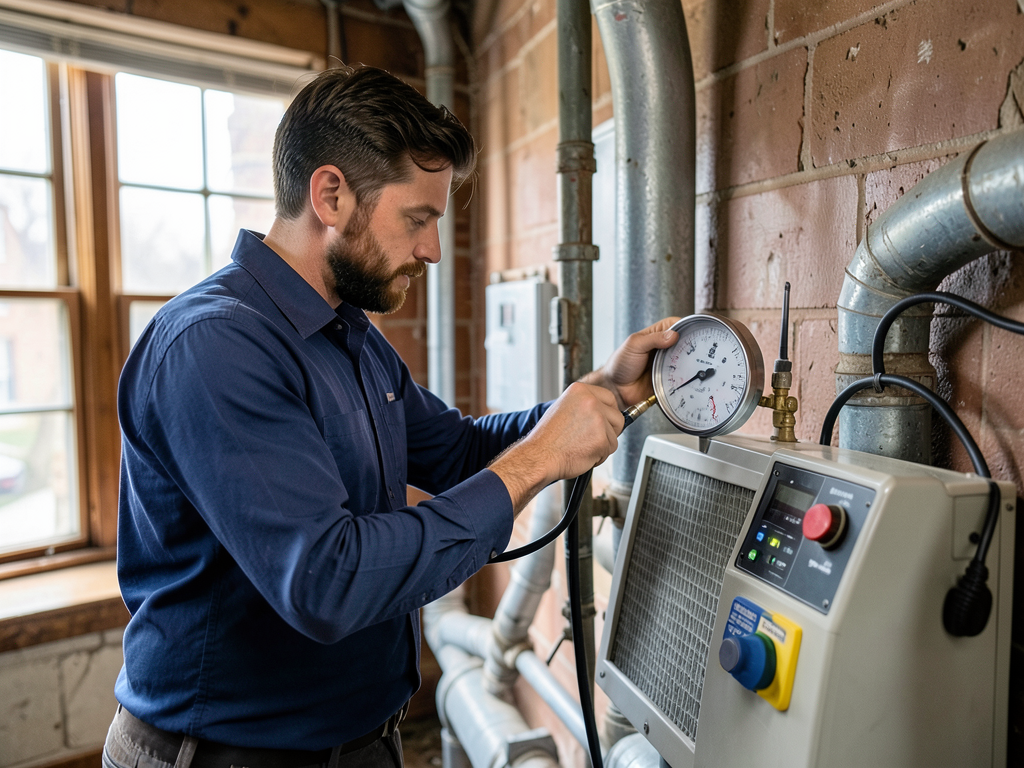
The Best Air Filter Upgrades for Georgetown Homes with Sensitive Historic Woodwork Georgetown's historic rowhouses feature irreplaceable wood trim, original hardwood floors, and intricate millwork that requires careful climate control. Standard air filters often create…
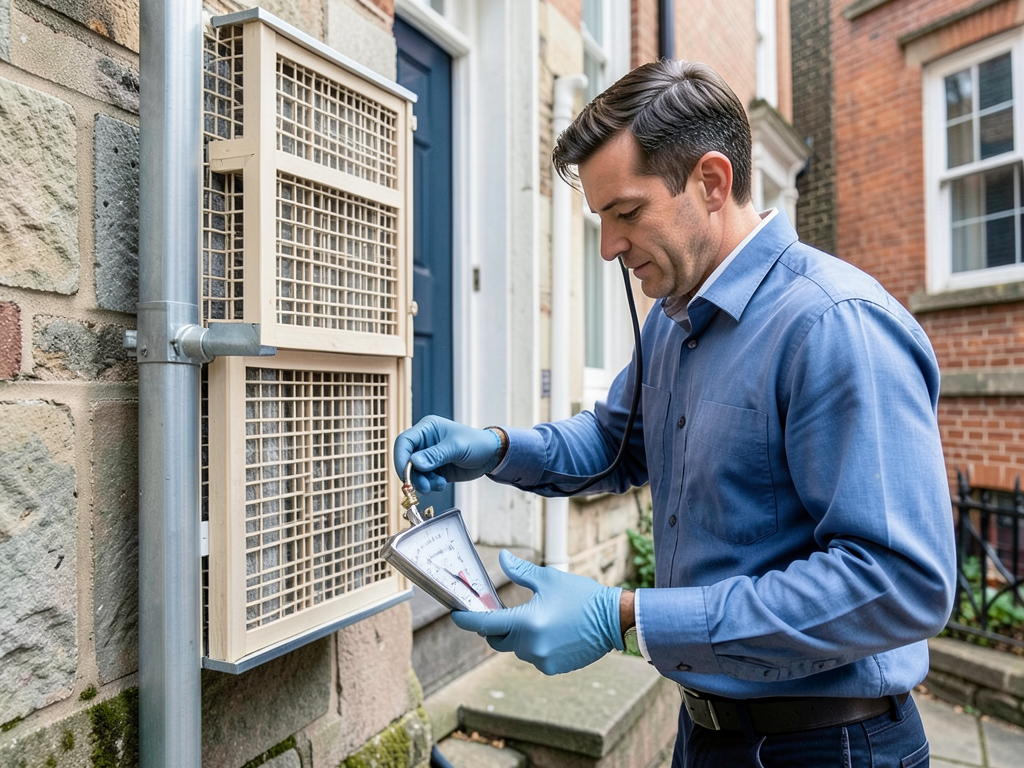
The Best Air Filter Upgrades for Georgetown Homes with Sensitive Historic Woodwork Georgetown's Federal-style rowhouses…
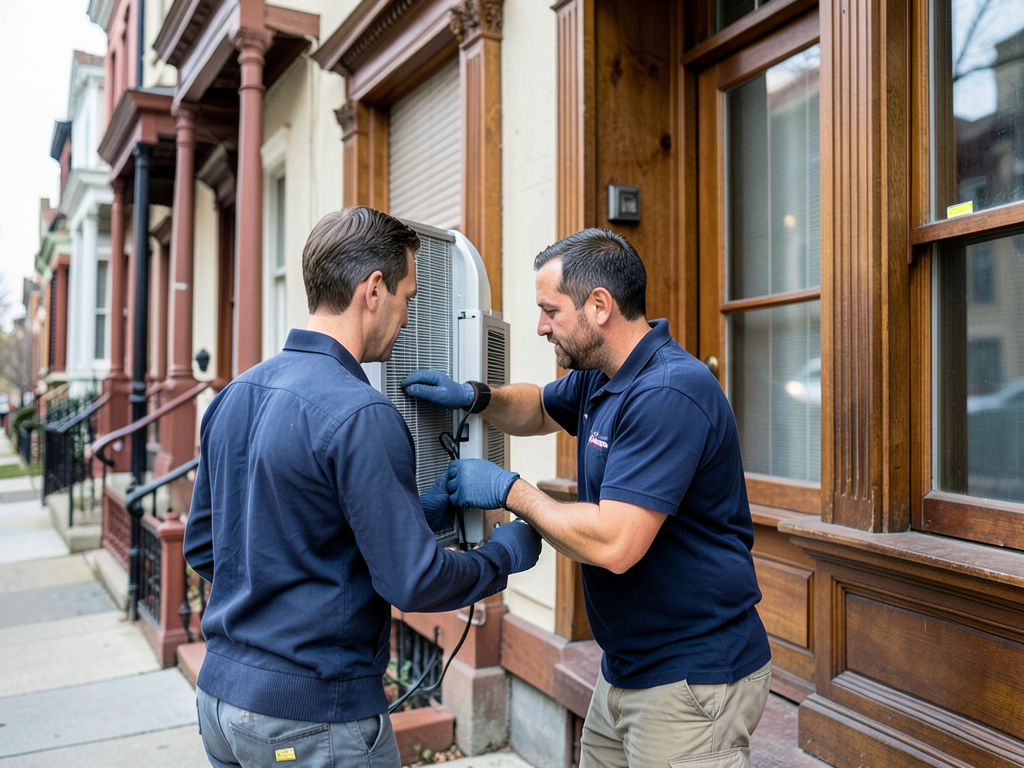
The Best Air Filter Upgrades for Georgetown Homes with Sensitive Historic Woodwork Georgetown's historic rowhouses…
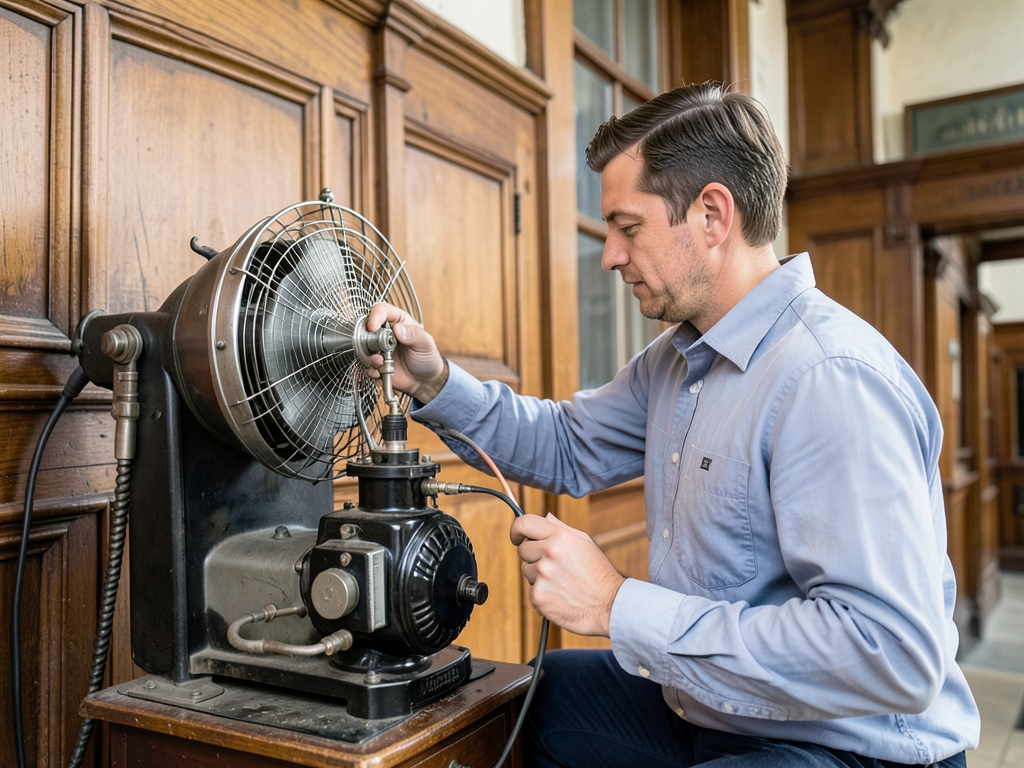
The Best Air Filter Upgrades for Georgetown Homes with Sensitive Historic Woodwork Georgetown's historic rowhouses…
Your comfort problem needs immediate attention. Call Patriot HVAC Washington DC at (771) 218-6322 for same-day emergency repair or schedule maintenance service that prevents expensive breakdowns. Our technicians are ready to restore your heating and cooling fast.