Menu

Furnace Pilot Light Issues in Washington, D.C. – Expert Diagnosis and Fast Repair When Your Heat Won't Stay On

When your pilot light keeps going out or won't stay lit, Patriot HVAC Washington DC delivers accurate diagnosis and permanent fixes for gas furnace pilot light malfunctions across the District.

Slider Image 1
Slider Image 2
Slider Image 3
Slider Image 4
Slider Image 5
Slider Image 7
Slider Image 8
Slider Image 9
Slider Image 10
Slider Image 11

Why Pilot Lights Fail More Often in Washington, D.C. Homes

You walk down to the basement and see that familiar yellow flame is gone again. The pilot light on your gas furnace refuses to stay lit, leaving you without heat in the middle of a cold snap. This is not random bad luck.

Washington, D.C.'s climate puts unique stress on furnace pilot assemblies. The District's high humidity year-round creates condensation inside gas lines and pilot orifices. When moisture mixes with natural gas combustion byproducts, you get corrosion. That corrosion blocks the tiny orifice opening, starving the pilot flame of gas. The flame sputters out.

The freeze-thaw cycles between November and March make it worse. Temperature swings cause expansion and contraction in the thermocouple, the safety device that senses pilot flame heat. A loose or failing thermocouple sends false shutdown signals to the gas valve. Your pilot lights, then dies minutes later.

Furnace pilot light problems escalate fast in older District rowhouses with original HVAC systems. Many Capitol Hill and Georgetown homes still run furnaces from the 1980s and 1990s. The pilot assemblies in these units were never designed for the humidity levels we see today. Rust builds up inside the pilot tube. Dirt accumulates on the thermocouple tip. The flame becomes unstable.

When your pilot light won't stay lit, you are dealing with one of five root causes. A clogged pilot orifice. A bent or corroded thermocouple. A failing gas valve. Insufficient gas pressure. Or a draft issue in the combustion chamber. You need someone who can diagnose the actual problem, not just relight the pilot and leave.

Why Pilot Lights Fail More Often in Washington, D.C. Homes
How We Fix Gas Furnace Pilot Light Malfunctions Permanently

How We Fix Gas Furnace Pilot Light Malfunctions Permanently

We do not just relight your pilot and hope it stays on. We diagnose why the flame keeps going out, then fix the root cause.

First, we test the thermocouple with a multimeter. A thermocouple generates millivoltage when heated by the pilot flame. If the reading is below 20 millivolts, the device is failing and cannot hold the gas valve open. We replace it with a heavy-duty universal thermocouple rated for high-humidity environments.

Next, we inspect the pilot orifice for blockage. We remove the pilot assembly and use compressed air and a fine wire to clear carbon deposits and rust particles. If the orifice is corroded or enlarged, we replace the entire pilot burner. An oversized orifice allows too much gas through, creating a lazy yellow flame that will not generate enough heat to keep the thermocouple energized.

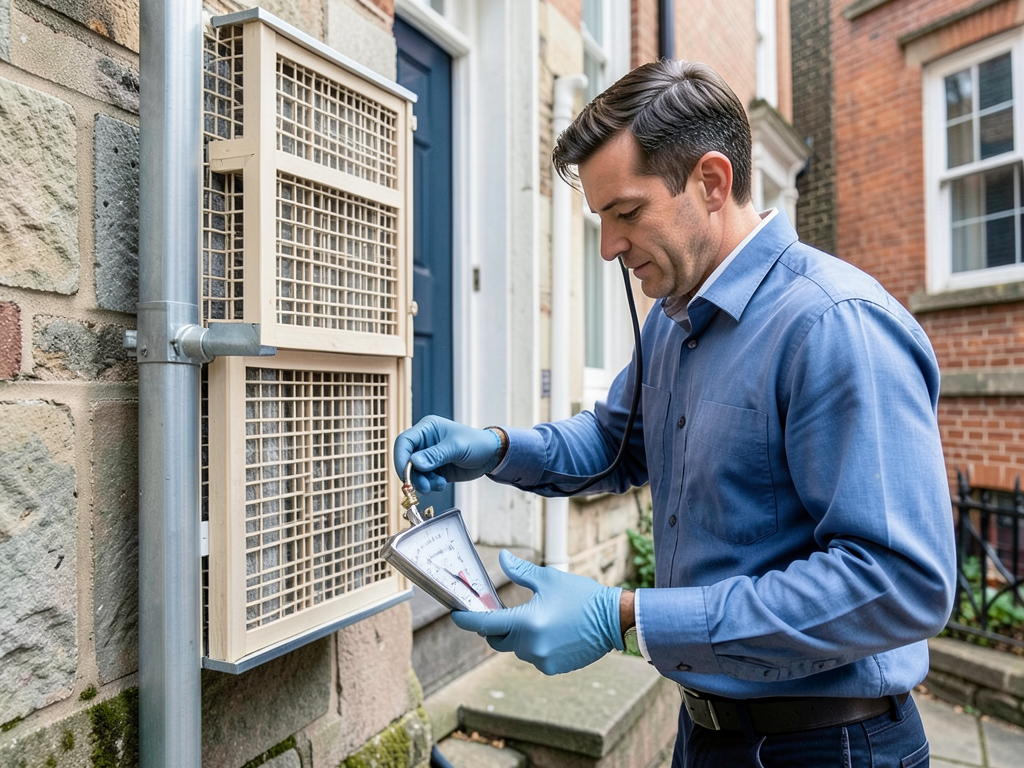
We check gas pressure at the manifold with a manometer. Natural gas pressure should read between 3.5 and 4 inches of water column for most residential furnaces. Low pressure means a problem upstream at the gas valve or the meter. High pressure creates an unstable flame. We adjust the gas valve regulator to manufacturer specifications.

We examine the combustion chamber for drafts. A cracked heat exchanger or a missing burner access panel allows air currents to blow out the pilot flame. We seal leaks and verify proper combustion airflow with a combustion analyzer.

Finally, we test the flame sensor and limit switches. A dirty flame sensor can prevent the main burners from lighting even when the pilot stays lit. We clean the sensor rod with fine-grit emery cloth and verify continuity. We replace faulty limit switches that shut down the system prematurely.

What Happens During a Pilot Light Service Call

Furnace Pilot Light Issues in Washington, D.C. – Expert Diagnosis and Fast Repair When Your Heat Won't Stay On
01

Initial Safety Assessment

We shut off the gas supply and verify the furnace is cool before opening the burner compartment. We check for gas odors and use a combustible gas detector to confirm no active leaks. We inspect the area around the furnace for stored chemicals or flammable materials that pose a safety risk during service. This takes five minutes but prevents dangerous conditions.
02

Component Testing and Diagnosis

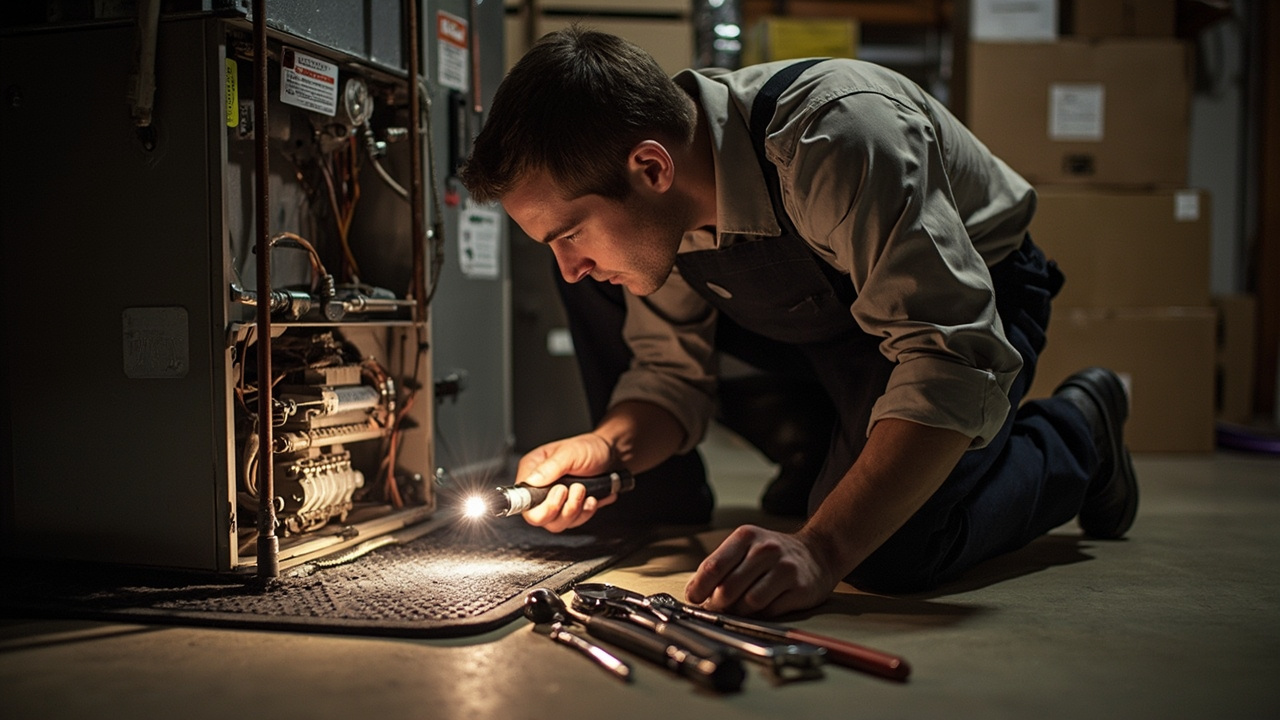
We remove the pilot assembly and test each component individually. The thermocouple gets a millivolt reading. The pilot orifice gets a visual inspection under magnification. The gas valve gets a continuity test. We measure gas pressure at the manifold. We check for proper draft in the flue. This systematic approach identifies the exact failure point instead of guessing.
03

Repair and Verification

We install replacement parts, restore gas flow, and relight the pilot using proper procedures. We let the pilot burn for ten minutes to verify the thermocouple heats up and the flame stays stable. We cycle the thermostat to confirm the main burners ignite properly. Before we leave, we give you a written summary of what failed and what we replaced.

Why District Homeowners Call Patriot HVAC Washington DC for Pilot Light Problems

You need someone who understands how Washington, D.C.'s building stock affects furnace performance. Many HVAC companies send technicians who treat every pilot light issue the same way. They relight it, collect a service fee, and leave. The problem returns within days.

We work in rowhouses built in the 1890s and condos built last year. We know the common furnace brands installed across the District. We carry thermocouples, pilot assemblies, and gas valves for Carrier, Trane, Lennox, Rheem, and Goodman units in our trucks. We do not need to order parts and come back next week.

Our technicians carry combustion analyzers and manometers, not just a lighter and a screwdriver. We measure carbon monoxide levels in the flue gas. We verify proper combustion efficiency. If your furnace is producing dangerous CO levels because of a pilot or burner issue, we catch it before it becomes a health hazard.

We follow D.C. mechanical code requirements for gas appliance service. We pull permits for gas valve replacements when required. We document our work with photos and test readings. If you are selling your home and the inspector flags a pilot light issue, we provide the documentation you need to close the deal.

We also explain what we find in plain language. If your furnace is 25 years old and the heat exchanger is cracked, we tell you. If the pilot light problem is a simple fix, we tell you that too. We do not upsell you on a new furnace when a thermocouple replacement solves the problem.

You get same-day service for pilot light issues. We dispatch technicians across Capitol Hill, Dupont Circle, Adams Morgan, and all eight wards. Call before noon and we arrive that afternoon.

What to Expect When You Schedule Pilot Light Repair

Response Time and Availability

We dispatch technicians seven days a week. You call in the morning, we arrive that afternoon. For pilot light issues during cold weather, we prioritize calls from homes with children, elderly residents, or medical equipment that requires climate control. Our trucks carry the most common pilot assembly parts, so we complete repairs on the first visit. You do not wait days for parts to ship. We also offer evening appointments for homeowners who work during the day and cannot take time off.

Diagnostic Process and Transparency

We start every service call with a visual inspection and safety check. You see what we see. We take photos of corroded components, clogged orifices, or damaged thermocouples. We explain the test results in language you understand, not HVAC jargon. Before we perform any repair, we give you a flat-rate price and explain what the repair accomplishes. You approve the work before we touch your furnace. No surprise charges. No diagnostic fees that get buried into the repair cost. Just transparent pricing and honest assessment.

Quality of Repair Work

We use OEM-equivalent or better replacement parts. Thermocouples get upgraded to heavy-duty models that resist corrosion in humid environments. Pilot assemblies get matched to your furnace's BTU rating and gas type. Gas valves meet or exceed original specifications. We torque all gas connections to manufacturer specs and leak-test every fitting with soap solution. After the repair, we run the furnace through multiple heat cycles to verify stable operation. You get a written summary of the repair with part numbers and test results.

Maintenance Recommendations and Follow-Up

If your pilot light failed because of lack of maintenance, we tell you how to prevent it. Clean the flame sensor annually. Replace the air filter every 90 days. Schedule a combustion analysis every fall. We offer annual maintenance agreements that include priority service, discounted repairs, and pre-season tune-ups. During maintenance visits, we clean the pilot assembly, test the thermocouple, and verify gas pressure. This catches small problems before they become service calls. If you need follow-up service within 30 days of our repair, we return at no additional diagnostic charge.

Frequently Asked Questions

You Have Questions,
We Have Answers

What are the common causes of pilot light issues? +

Pilot light issues stem from several culprits. A dirty or clogged pilot orifice restricts gas flow, preventing ignition. The thermocouple, which senses flame and allows gas flow, can wear out or shift position over time. Draft issues in older Washington, D.C. homes with aging ventilation systems can blow out the flame. Gas supply problems, including low pressure or valve issues, prevent the pilot from staying lit. High humidity in the D.C. metro area can corrode components, affecting performance. Dust and debris accumulation, common in our urban environment, also interfere with ignition. These issues require professional diagnosis for safe, effective repair.

Why is my furnace pilot light not igniting? +

A pilot light that will not ignite typically points to gas supply issues or component failure. Check if the gas valve is fully open and the main supply line is active. A faulty thermocouple fails to signal the gas valve to release fuel. Clogged pilot orifices, common in Washington, D.C. homes with older furnace systems, block gas flow entirely. The igniter itself may be broken or disconnected. Air in the gas line after service interruptions can prevent initial ignition. If you smell gas, leave immediately and call your utility company. Most ignition failures require a technician to safely diagnose and repair the root cause.

What are the symptoms of a bad igniter on a furnace? +

A failing igniter shows clear warning signs before complete failure. You will hear clicking sounds when the furnace tries to start, followed by shutdown without ignition. The igniter may glow orange but fail to light the gas. Your furnace cycles repeatedly without producing heat. You notice longer delays between thermostat activation and flame ignition. In Washington, D.C. homes with electronic ignition systems, a cracked igniter produces weak or no glow at all. The furnace displays error codes on digital controls. These symptoms worsen over time as the igniter degrades. Ignoring them leads to complete heating failure, often during the coldest nights.

Why do I have to keep relighting my pilot light? +

Frequent relighting signals a failing thermocouple or thermostat. The thermocouple senses flame and keeps the gas valve open. When it weakens or sits too far from the flame, it shuts off gas prematurely. Draft problems in Washington, D.C. row homes with shared walls or insufficient ventilation blow out pilots repeatedly. A dirty pilot orifice creates a weak, unstable flame that extinguishes easily. Gas pressure fluctuations in older neighborhoods can starve the pilot. Debris in the pilot assembly disrupts flame stability. This cycle damages components and wastes energy. A technician must identify whether you need thermocouple replacement, cleaning, or ventilation correction.

How District Humidity and Aging Housing Stock Accelerate Pilot Light Failures

Washington, D.C. sits in a humid subtropical climate zone. Summer dew points regularly hit 70 degrees. That moisture infiltrates your basement and condensates inside cold gas lines. When your furnace cycles off in spring and fall, the pilot assembly stays exposed to humid air for months. Rust forms on the thermocouple. Corrosion blocks the pilot orifice. By the time you need heat again in November, the pilot assembly is compromised. Add in the fact that 40 percent of District housing stock was built before 1940, and you see why pilot light problems are so common. Old furnaces in old basements with poor ventilation create the perfect conditions for pilot light malfunction.

Patriot HVAC Washington DC works exclusively in the District. We know which neighborhoods have older furnace installations. We know the common failure points for Carrier and Trane units installed during the 1990s construction boom. We carry the parts that fail most often in Capitol Hill rowhouses and Columbia Heights condos. When you call a national chain, you get a technician who may have never worked on a furnace in a 120-year-old basement with cast iron gas lines. When you call us, you get someone who understands District housing and the unique challenges it presents for gas furnace service.
HVAC Services in The Washington DC Area

Easily locate Patriot HVAC and explore our service area on the map below. We are strategically positioned to provide prompt and efficient heating, ventilation, and air conditioning services across Washington D.C. and its neighboring communities. Whether you're seeking a quick repair or a new installation, our team is ready to serve your comfort needs.

Address:
Patriot HVAC Washington DC, 20 F St NW, Washington, DC, 20001

Additional Services We Offer

Our news updates

Latest Articles & News from The Blogs

Meeting Friendship Heights Noise Rules with the Quietest New AC Units on the Market Friendship Heights homeowners know the struggle.…

Meeting Friendship Heights Noise Rules with the Quietest New AC Units on the Market

Meeting Friendship Heights Noise Rules with the Quietest New AC Units on the Market Friendship Heights homeowners know the struggle.…

Finding the right HVAC contractor for your LeDroit Park historic renovation

Finding the right HVAC contractor for your LeDroit Park historic renovation \n\n LeDroit Park’s Victorian rowhouses built in the 1870s…

How a Whole-House Dehumidifier Can Make Your Marshall Heights Home Feel 10 Degrees Cooler

How a Whole-House Dehumidifier Can Make Your Marshall Heights Home Feel 10 Degrees Cooler Washington DC's swampy summers make your…

Contact Us

Your furnace will not fix itself. Call Patriot HVAC Washington DC at (771) 218-6322 right now. We will diagnose the problem, explain the fix, and restore your heat today. No guesswork. No return trips. Just reliable repair.