Menu

Storm Damage HVAC Repair in Washington, D.C. – Emergency Restoration Within 2 Hours

When storms knock out your heating or cooling system, Patriot HVAC Washington DC deploys certified technicians to your property fast, minimizing damage and restoring comfort before secondary issues like water infiltration or refrigerant leaks escalate.

Slider Image 1
Slider Image 2
Slider Image 3
Slider Image 4
Slider Image 5
Slider Image 7
Slider Image 8
Slider Image 9
Slider Image 10
Slider Image 11

How Washington, D.C. Storm Patterns Leave HVAC Systems Vulnerable

Washington, D.C. sits in a humid subtropical climate zone where summer thunderstorms drop intense rainfall in short bursts, and winter weather swings between freezing rain and heavy snow. These patterns create three critical failure points for your HVAC system.

First, the heavy canopy cover throughout neighborhoods like Chevy Chase and Cleveland Park means falling branches frequently puncture condenser units and tear through refrigerant lines. Second, the city's older housing stock, especially in Capitol Hill and Georgetown, often features ground-level condensers in narrow side yards where poor drainage floods compressor housings during flash floods. Third, D.C.'s clay-heavy soil shifts during freeze-thaw cycles, cracking concrete pads and disconnecting electrical conduit between outdoor and indoor units.

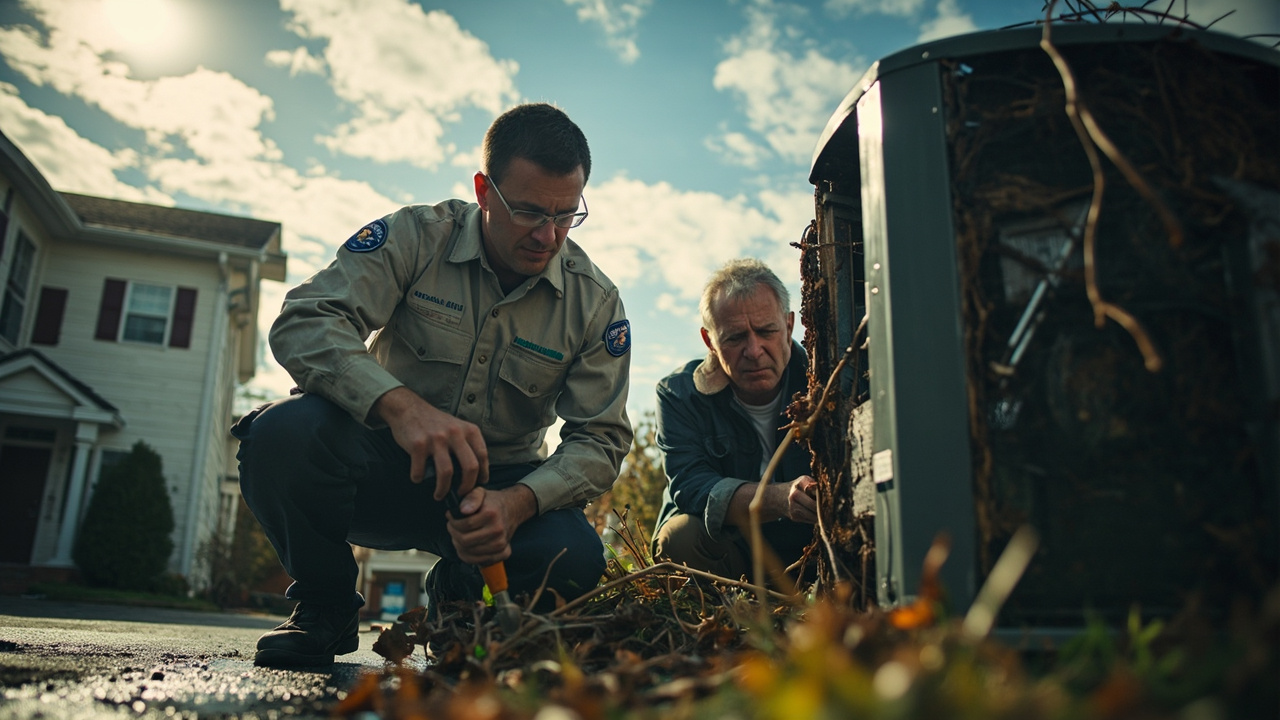
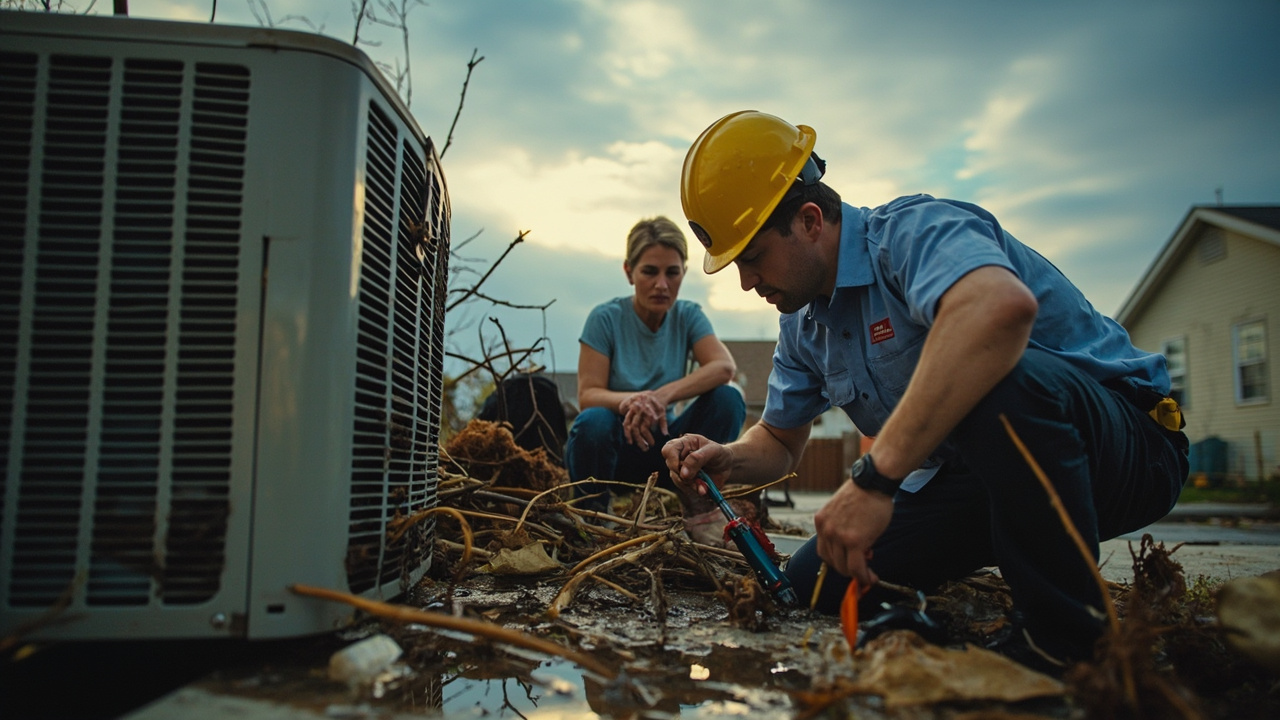
When you discover your AC unit crushed under a tree limb or your furnace flooded after a storm, the clock starts ticking. Water inside the cabinet corrodes control boards within hours. Refrigerant leaks allow moisture into the closed loop system, destroying compressors. Debris jams fan blades and bends condenser fins, strangling airflow. Emergency HVAC storm repair stops this cascade before a repairable unit becomes a total replacement.

Storm damaged AC unit repair demands immediate assessment. You need a technician who can differentiate between cosmetic dents and structural cabinet damage, identify compromised refrigerant circuits, and test electrical components for short circuits. Waiting until morning or next week turns a covered insurance claim into an out-of-pocket disaster.

How Washington, D.C. Storm Patterns Leave HVAC Systems Vulnerable
Our Emergency Storm Damage Assessment Protocol

Our Emergency Storm Damage Assessment Protocol

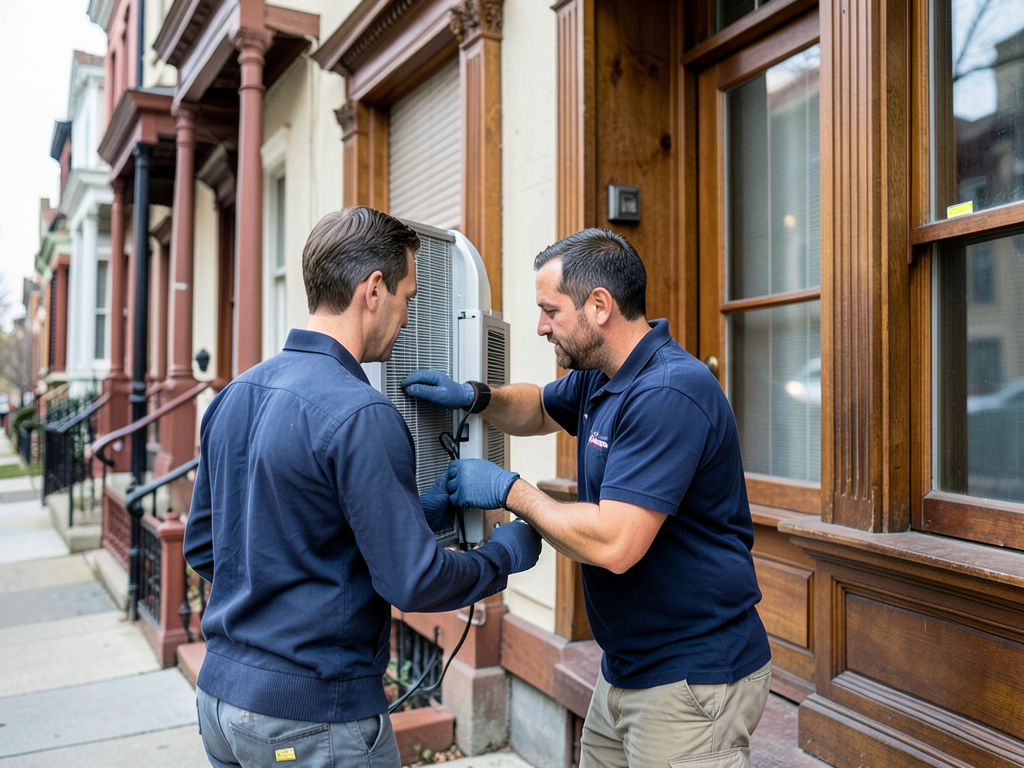
Patriot HVAC Washington DC runs HVAC storm restoration services differently than standard service calls. When you report storm damage, we dispatch with storm-specific diagnostic tools, not just standard gauges and meters.

Our technicians arrive with thermal imaging cameras to detect hidden water intrusion inside cabinet walls and ductwork. We use refrigerant leak detectors sensitive to 0.1 ounces per year to find punctures in line sets buried under debris. We carry portable borescopes to inspect internal compressor damage without full disassembly. This equipment matters because storm damage hides in places visual inspection misses.

The assessment follows a four-point inspection sequence. We start with electrical safety, testing voltage at the disconnect and inspecting the conduit for water infiltration that creates ground faults. Next, we examine the refrigerant circuit integrity, checking pressures against manufacturer specs and using nitrogen to pressure-test suspected leak points. Third, we assess mechanical damage to the compressor, blower motor, and fan assemblies, looking for bent shafts or debris impact. Finally, we inspect the control board and thermostat wiring for water damage or surge failures from lightning strikes.

For heating and cooling storm damage repair, we document everything with photos and notes formatted for insurance adjusters. We tag components as repairable, replace-recommended, or safety-critical. This documentation matters because insurance companies deny claims when contractors provide vague damage descriptions. We know what adjusters need to see, and we provide it in language they understand. You get a repair plan with clear options, not a sales pitch for a new system you might not need.

What Happens After Your Emergency Call

Storm Damage HVAC Repair in Washington, D.C. – Emergency Restoration Within 2 Hours
01

Immediate Dispatch and Safety Check

Within 15 minutes of your call to (771) 218-6322, we confirm your location and send the closest available technician with storm repair equipment. Upon arrival, the technician performs an electrical safety check, killing power at the breaker if water contacted any components. We secure loose panels, cover exposed refrigerant lines, and remove debris from around the unit to prevent additional damage before the full assessment begins.
02

Damage Documentation and Diagnosis

The technician photographs all visible damage from multiple angles, then runs diagnostic tests on the compressor, blower motor, control board, and refrigerant circuit. We measure voltage, check capacitor readings, and test for refrigerant leaks. You receive a written assessment within 30 minutes detailing what failed, what caused the failure, and whether the unit can be restored or requires replacement. This report includes part numbers and labor estimates formatted for insurance submission.
03

Repair Execution and System Testing

Once you approve the repair plan, we order priority parts and schedule the restoration work. For fix storm damaged HVAC system projects, we replace damaged components, evacuate and recharge refrigerant circuits to factory specifications, and run the system through a full heating and cooling cycle. We test airflow, measure temperature differentials, and verify electrical draws match manufacturer specs. You receive documentation showing the system operates within normal parameters before we leave the site.

Why D.C. Property Owners Choose Local Storm Damage Specialists

Storm damage HVAC repair in Washington, D.C. requires familiarity with how the city's infrastructure responds to weather events. Patriot HVAC Washington DC understands that Pepco's grid restoration priorities mean Georgetown and Dupont Circle get power back before neighborhoods east of the Anacostia River. We track outage maps and coordinate repairs with power restoration timelines so we arrive when you actually have electricity to test your system.

We know Washington's permitting requirements. If storm damage requires replacing a condenser or installing a new line set through your wall, D.C. Department of Consumer and Regulatory Affairs requires permits for refrigerant work on systems over five tons and any structural penetrations. We handle the permit filing and inspection scheduling. You avoid the code violation notices that come when unlicensed contractors skip this step.

Our technicians recognize the HVAC configurations common to D.C.'s building types. Capitol Hill rowhouses often have condensers tucked into rear courtyards with limited access, requiring specialized rigging to remove damaged units. Cleveland Park's early 20th century homes frequently have gravity furnaces in basements prone to flooding, demanding immediate water extraction and cabinet replacement to prevent mold. Tenleytown's mid-century split-levels typically have attic air handlers that suffer wind damage when shingles blow off and expose ductwork to rain.

We stock parts for the brands most common in D.C. housing stock. Trane, Carrier, and Lennox dominate residential installs here. We maintain inventory relationships that get critical components delivered same-day instead of waiting three days for a distributor shipment. When your compressor needs replacement during a heat wave, that speed difference matters.

What to Expect During Emergency Storm Restoration

Response Time and Availability

We answer emergency calls 24 hours a day, every day, including federal holidays when most D.C. contractors close. During active storm events, we prioritize calls by severity, addressing refrigerant leaks and electrical hazards before cosmetic damage. You receive a two-hour arrival window, and we text you when the technician is 15 minutes out. If multiple storms hit simultaneously and we face dispatch delays, we communicate realistic timelines instead of leaving you waiting. Our average emergency response time sits at 90 minutes from call to on-site arrival across all D.C. quadrants.

Insurance Coordination and Documentation

Storm damaged AC unit repair typically falls under your homeowner's policy, but insurers require specific documentation. We provide itemized estimates that separate labor, parts, and disposal fees. Our damage reports include photos with timestamps, written explanations of failure mechanisms, and refrigerant recovery certifications required by EPA regulations. We coordinate directly with adjusters when they request additional information or schedule site inspections. If your insurer lowballs the estimate, we provide supplemental documentation showing why our assessment stands. You handle the claim filing, but we give you everything needed to defend the repair costs.

Repair Quality and Component Standards

We install OEM replacement parts, not aftermarket substitutes that void manufacturer warranties. When storm damage destroys a compressor, we match the original tonnage and SEER rating. For refrigerant line repairs, we use ACR-grade copper, not hardware store tubing that fails leak tests. Control boards get programmed to your specific model's parameters. We follow manufacturer installation procedures exactly, including torque specs on refrigerant fittings and proper evacuation times before recharging the system. After repairs, your HVAC system performs identically to pre-storm operation, not as a cobbled-together compromise.

Post-Repair Monitoring and Follow-Up

Storm repairs face higher failure rates than standard service work because hidden damage emerges days after the initial fix. We schedule a follow-up inspection 72 hours after completing heating and cooling storm damage repair. The technician rechecks refrigerant pressures, measures electrical draws, and inspects for secondary leaks. If we replaced a compressor, we verify oil return and check for acid contamination in the refrigerant circuit. This second visit catches problems while our work warranty covers the repair, not weeks later when you face another service call charge. We provide written documentation of this follow-up inspection for your property records.

Frequently Asked Questions

You Have Questions,
We Have Answers

What is the $5000 rule for HVAC? +

The $5000 rule is a guideline for deciding whether to repair or replace your HVAC system. Multiply the age of your unit by the estimated repair cost. If the total exceeds $5000, replacement is usually smarter. For example, a 12-year-old system needing $500 in repairs equals $6000, suggesting replacement. After storm damage in Washington, D.C., this rule helps you avoid throwing money at an aging system already stressed by high humidity and temperature swings. A technician can assess whether your storm-damaged unit is worth saving or if you should invest in a new, efficient system.

Does insurance cover HVAC damage? +

Most homeowners insurance policies cover HVAC damage caused by sudden, unforeseen events like storms, fallen trees, or lightning strikes. If a severe thunderstorm or wind event damages your outdoor condenser or tears off ductwork in Washington, D.C., your policy typically covers repairs. However, insurance does not cover damage from neglect, normal wear, or lack of maintenance. Document everything immediately with photos and timestamps. Contact your insurer within 24 hours and get a professional inspection to confirm storm-related damage. Fast action strengthens your claim and speeds up the repair process.

How long after storm damage can I claim? +

File your storm damage claim immediately. Most insurance companies require notification within 48 to 72 hours of discovering damage. In Washington, D.C., where summer storms can strike fast, delaying puts your claim at risk. Insurers may deny late claims or question whether damage occurred during the reported event. Take photos of your damaged HVAC unit, any visible exterior damage, and the date of the storm. Contact a licensed technician to document the cause and extent of damage. Quick action protects your coverage and gets your system running again before the next heatwave or freeze.

What is the 3 minute rule for AC? +

The 3-minute rule protects your AC compressor from damage. After your system shuts off, wait at least 3 minutes before restarting it. This allows refrigerant pressure to equalize throughout the system. Restarting too quickly forces the compressor to work against high pressure, causing strain and potential failure. After storm damage in Washington, D.C., where power outages are common, this rule becomes critical. If your HVAC repeatedly trips breakers or power flickers during storms, the compressor faces extra stress. Give your system time to reset and avoid compounding storm-related damage with electrical issues.

What is the average lifespan of an HVAC? +

The average HVAC system lasts 15 to 20 years with proper maintenance. In Washington, D.C., where high humidity and temperature extremes stress equipment year-round, systems closer to 15 years are common. Storm damage can shorten this lifespan significantly. If your unit is over 12 years old and sustains storm damage, replacement often makes more financial sense than expensive repairs. Coastal moisture, freeze-thaw cycles, and summer heat all accelerate wear. Regular maintenance extends life, but after severe weather events, age becomes a key factor in your repair-versus-replace decision.

Is HVAC system cost tax deductible? +

HVAC system costs are generally not tax deductible for personal residences. However, if you install an energy-efficient system that qualifies under federal tax credits, you may receive a rebate. The Inflation Reduction Act offers credits for high-efficiency heat pumps and qualifying HVAC upgrades. After storm damage in Washington, D.C., replacing your system with an Energy Star certified unit might qualify. If you use part of your home as a business, a portion of HVAC costs may be deductible. Consult a tax professional to understand current credits and deductions specific to your situation and location.

What two events are not covered under homeowners insurance? +

Two events commonly excluded from homeowners insurance are flooding and earthquakes. Standard policies do not cover water damage from rising water or ground saturation. In Washington, D.C., where flash flooding from storms affects low-lying neighborhoods near the Anacostia or Potomac Rivers, this exclusion matters. You need separate flood insurance through FEMA. Similarly, earthquake damage requires additional coverage. If storm runoff floods your basement and damages your HVAC system, your standard policy likely will not cover it. Review your policy carefully and consider flood insurance if you live in a flood-prone zone.

How much does it cost to fix a leak in your AC system? +

AC leak repair costs vary based on location and severity. Refrigerant leaks in accessible lines may cost a few hundred dollars. Leaks in the evaporator coil or buried in walls run higher. After storm damage in Washington, D.C., leaks often result from shifted ductwork, crushed condenser coils, or vibration damage. Emergency repairs cost more. Do not ignore refrigerant leaks. They reduce cooling efficiency, increase energy bills, and harm the environment. A licensed technician will locate the leak, repair it, and recharge your system. Get a detailed estimate before authorizing work.

What is the most common damage to your home that insurance does not cover? +

The most common uninsured damage is flooding from ground water or sewer backups. Standard homeowners policies exclude damage from rising water, even if caused by heavy rain. In Washington, D.C., where sudden downpours overwhelm drainage systems, basement flooding is common. If water enters through the ground and damages your furnace or air handler, you face out-of-pocket costs unless you carry separate flood insurance. Other common exclusions include mold, termites, and normal wear. Always read your policy exclusions and consider additional riders for flood-prone areas or older homes.

When not to file a homeowners insurance claim? +

Avoid filing a claim when repair costs are close to or below your deductible. Small claims raise your premiums without financial benefit. If your storm-damaged HVAC repair costs $800 and your deductible is $1000, pay out of pocket. Also skip claims for damage you can prevent through maintenance, as insurers may deny them. In Washington, D.C., where minor storm damage is frequent, save claims for major losses. Multiple small claims can label you high-risk and increase rates or cause cancellation. Get a repair estimate first, compare it to your deductible, then decide strategically.

Why Washington, D.C.'s Derecho History Makes Storm HVAC Preparedness Critical

Washington, D.C. experiences derecho wind events that produce straight-line winds exceeding 80 mph, as seen in the June 2012 storm that knocked out power for 1.2 million residents and destroyed thousands of HVAC condensers. These sudden-onset weather events give property owners zero time to protect outdoor units. The combination of mature tree canopy throughout neighborhoods like Forest Hills and American University Park means falling limbs crush equipment, while wind-driven rain penetrates cabinet seams and floods electrical components. Emergency HVAC storm repair demand spikes 400 percent during these events, and contractors without pre-staged parts and 24-hour dispatch capacity leave customers waiting days for assessment. Understanding this pattern, Patriot HVAC Washington DC maintains storm response protocols year-round, not just during hurricane season.

Washington, D.C. enforces strict refrigerant handling regulations through both EPA federal oversight and local environmental codes. Any storm damaged AC unit repair involving refrigerant recovery requires EPA Section 608 certification, and contractors must document refrigerant quantities recovered and recharged. The city's Department of Energy and Environment audits these records and fines companies that vent refrigerants during repairs. Property owners who hire unlicensed contractors for storm damage face liability when inspectors discover improper refrigerant handling. Patriot HVAC Washington DC maintains full EPA certification, submits required documentation, and follows recovery procedures that protect you from regulatory penalties while restoring your system to operational status.
HVAC Services in The Washington DC Area

Easily locate Patriot HVAC and explore our service area on the map below. We are strategically positioned to provide prompt and efficient heating, ventilation, and air conditioning services across Washington D.C. and its neighboring communities. Whether you're seeking a quick repair or a new installation, our team is ready to serve your comfort needs.

Address:
Patriot HVAC Washington DC, 20 F St NW, Washington, DC, 20001

Additional Services We Offer

Our news updates

Latest Articles & News from The Blogs

The Best Air Filter Upgrades for Georgetown Homes with Sensitive Historic Woodwork Georgetown's Federal-style rowhouses and Victorian homes need special…

The Best Air Filter Upgrades for Georgetown Homes with Sensitive Historic Woodwork

The Best Air Filter Upgrades for Georgetown Homes with Sensitive Historic Woodwork Georgetown's Federal-style rowhouses and Victorian homes need special…

The Best Air Filter Upgrades for Georgetown Homes with Sensitive Historic Woodwork

The Best Air Filter Upgrades for Georgetown Homes with Sensitive Historic Woodwork Georgetown's historic rowhouses and Federal-style homes face a…

The Best Air Filter Upgrades for Georgetown Homes with Sensitive Historic Woodwork

The Best Air Filter Upgrades for Georgetown Homes with Sensitive Historic Woodwork Georgetown's historic rowhouses and Federal-style homes feature exquisite…

Contact Us

Storm damage worsens every hour you wait. Call (771) 218-6322 now for immediate dispatch. Our technicians arrive with diagnostic equipment and parts to assess your system and start repairs today, not next week.