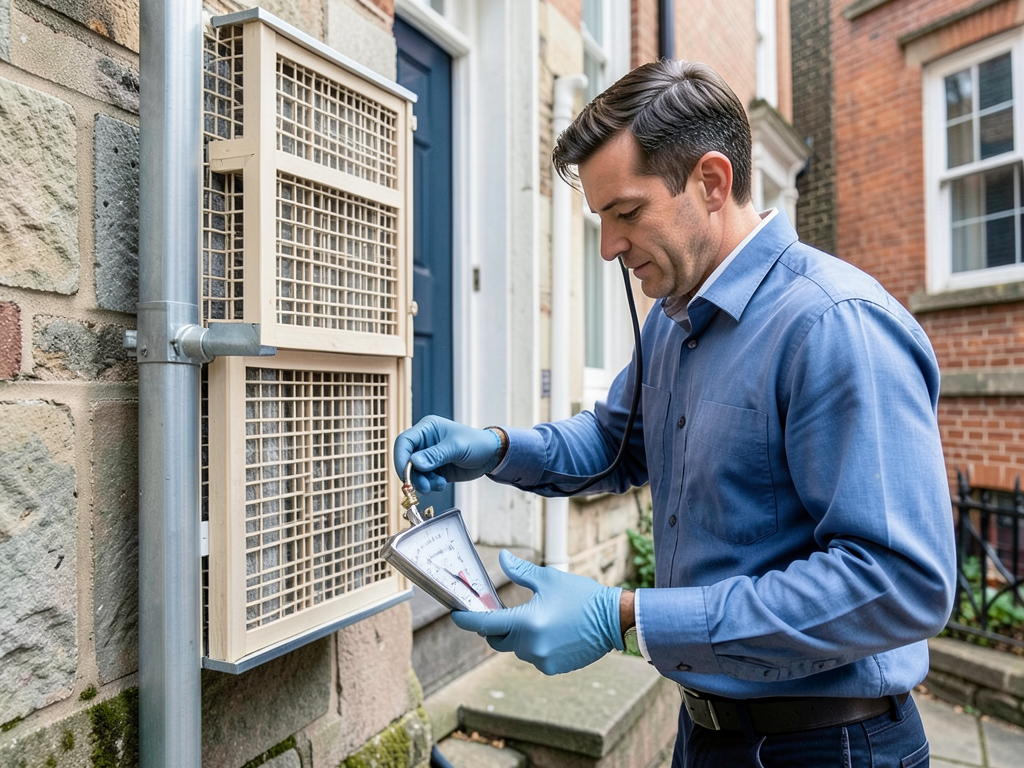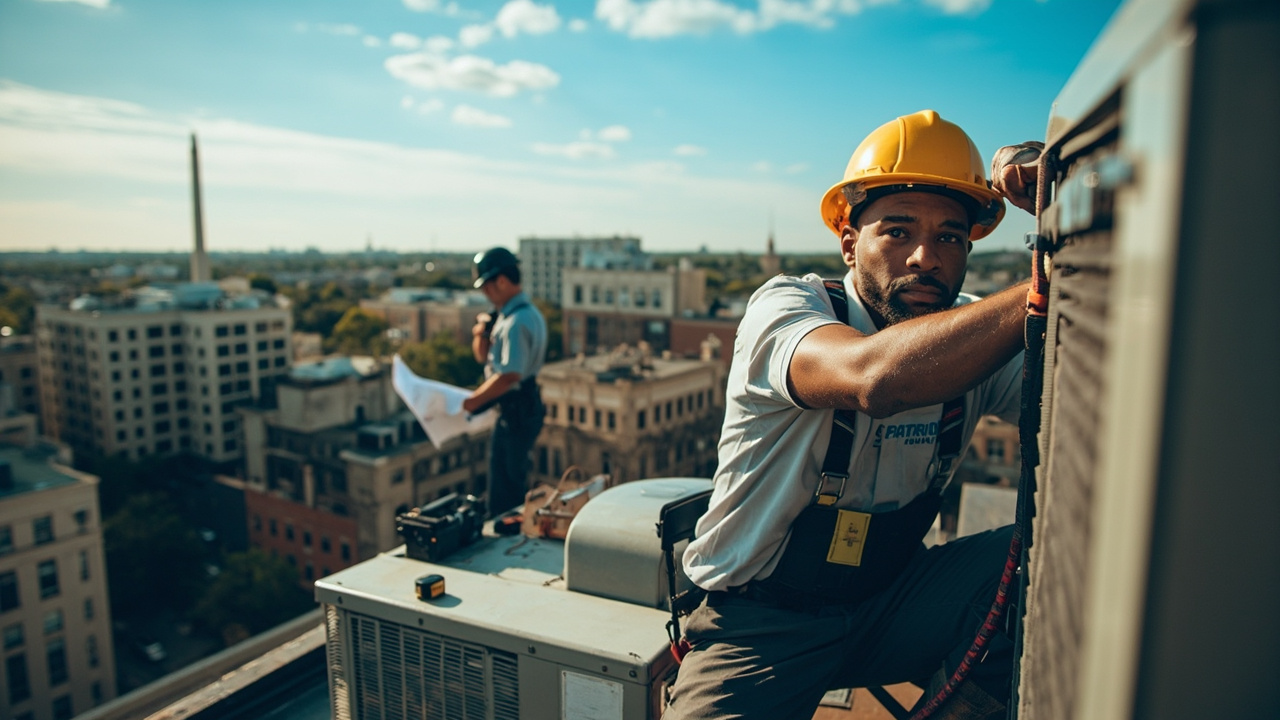
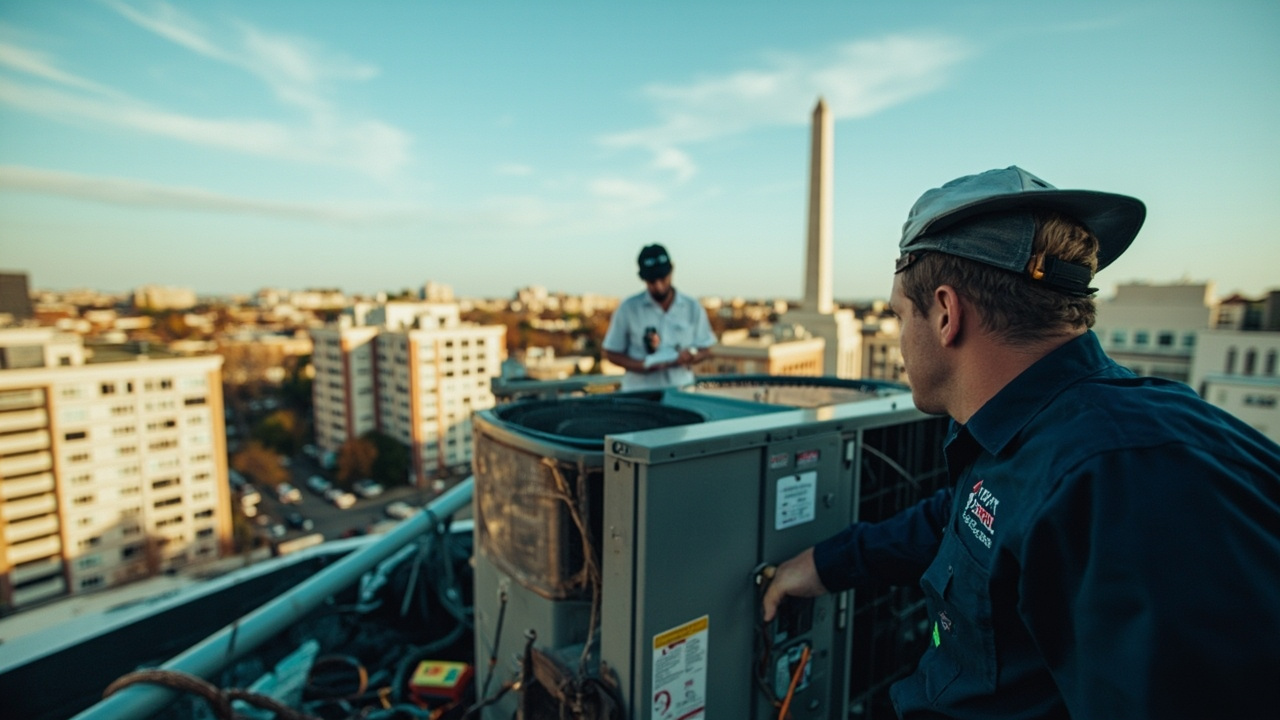
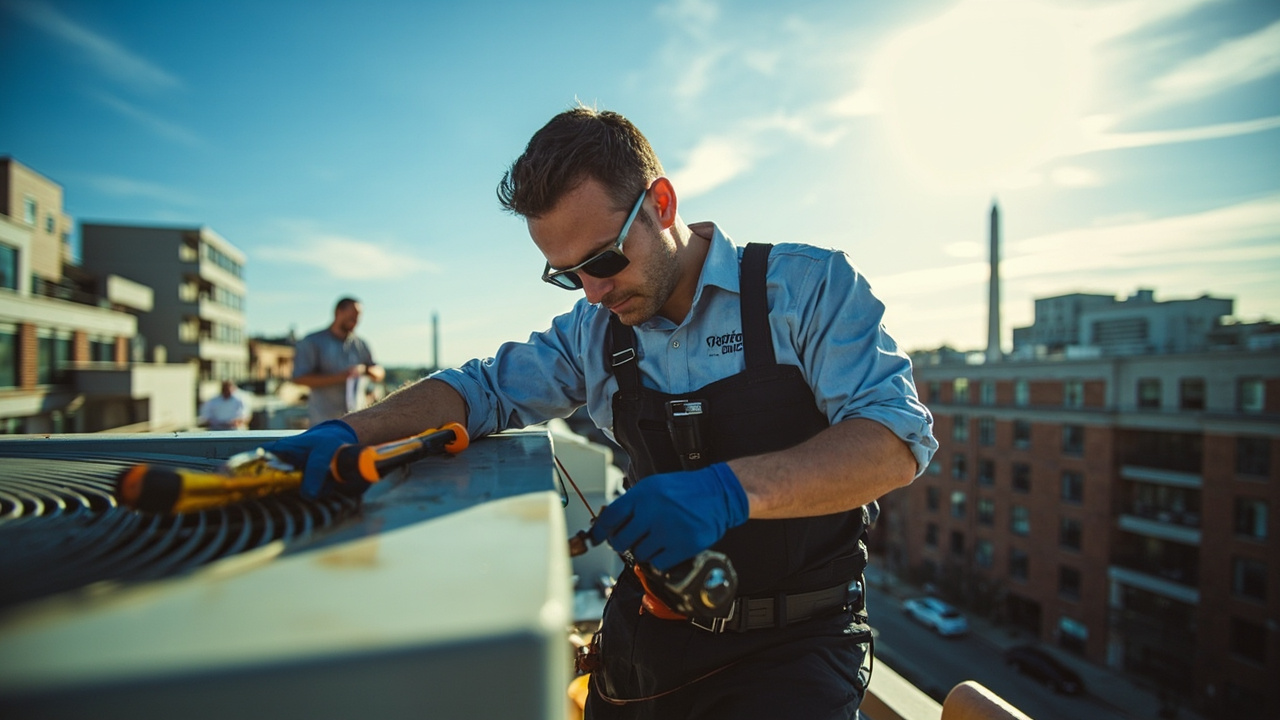
Washington, D.C. experiences urban heat island effects that make rooftop temperatures 15 to 20 degrees hotter than surrounding suburban areas. Rooftop HVAC equipment in dense neighborhoods like Logan Circle and Navy Yard operates in ambient conditions exceeding design parameters, forcing compressors to work against higher head pressures. This thermal stress reduces equipment lifespan and increases summer utility costs across entire apartment buildings. Multi-family properties with dark roofing membranes and no shade structures create environments where condensing units struggle to reject heat efficiently, leading to premature failures that impact multiple tenants simultaneously.
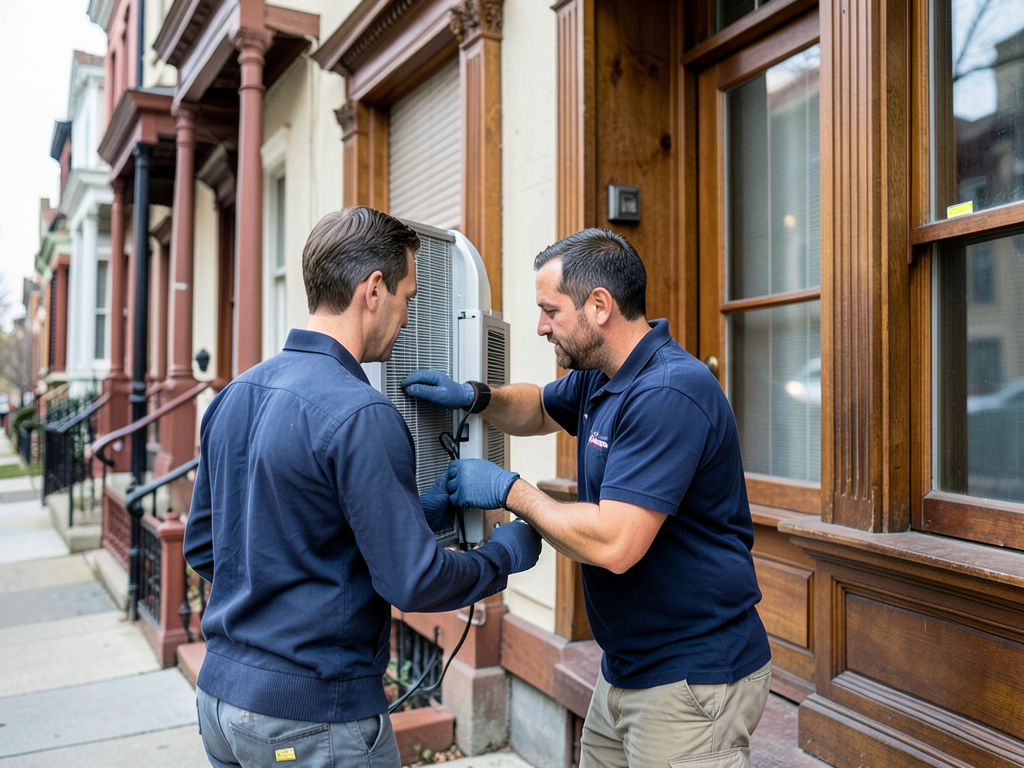
Property management HVAC contractors serving the District must understand local mechanical codes that differ from surrounding Maryland and Virginia jurisdictions. D.C. adopted amendments to the International Mechanical Code specific to urban density and historic preservation. Condominium associations in Capitol Hill historic districts face additional restrictions on exterior equipment placement and appearance. We maintain relationships with DCRA permit reviewers and understand which modifications trigger commercial permit requirements versus routine maintenance exemptions. This local expertise prevents project delays and compliance issues that cost property managers time and money.