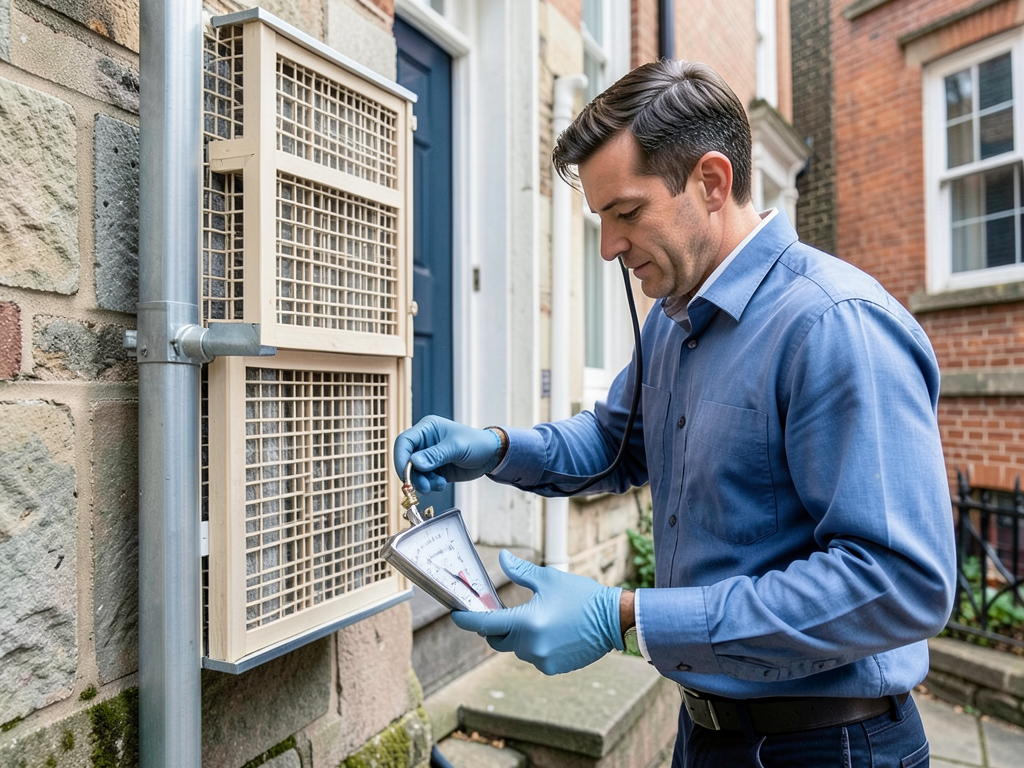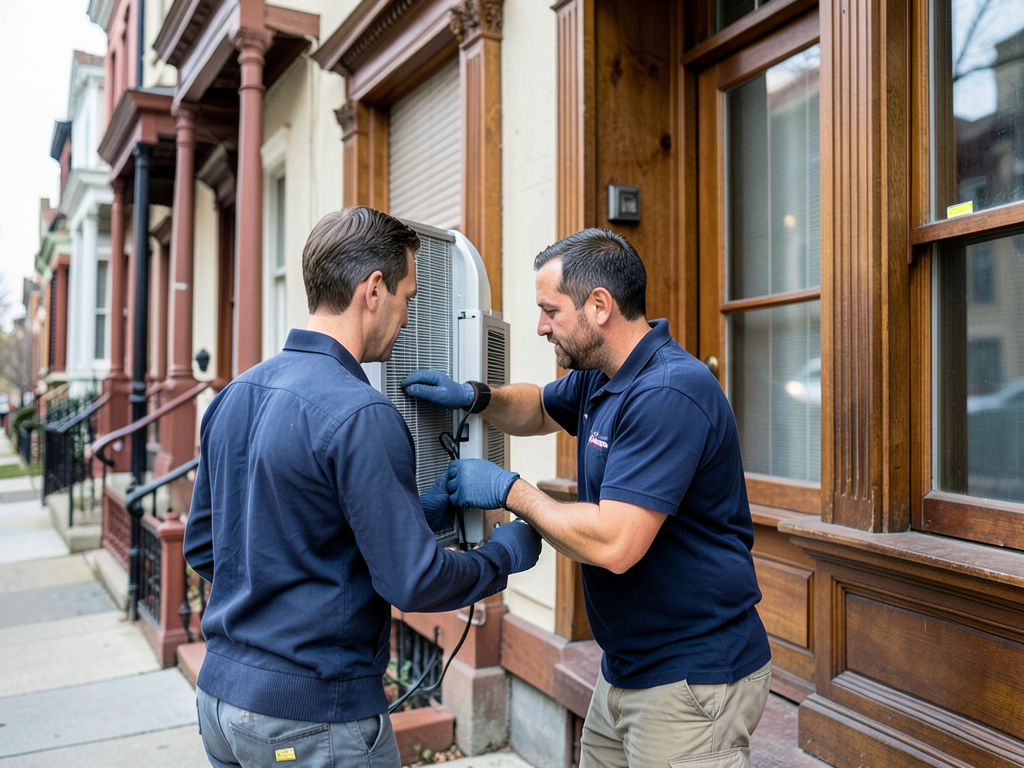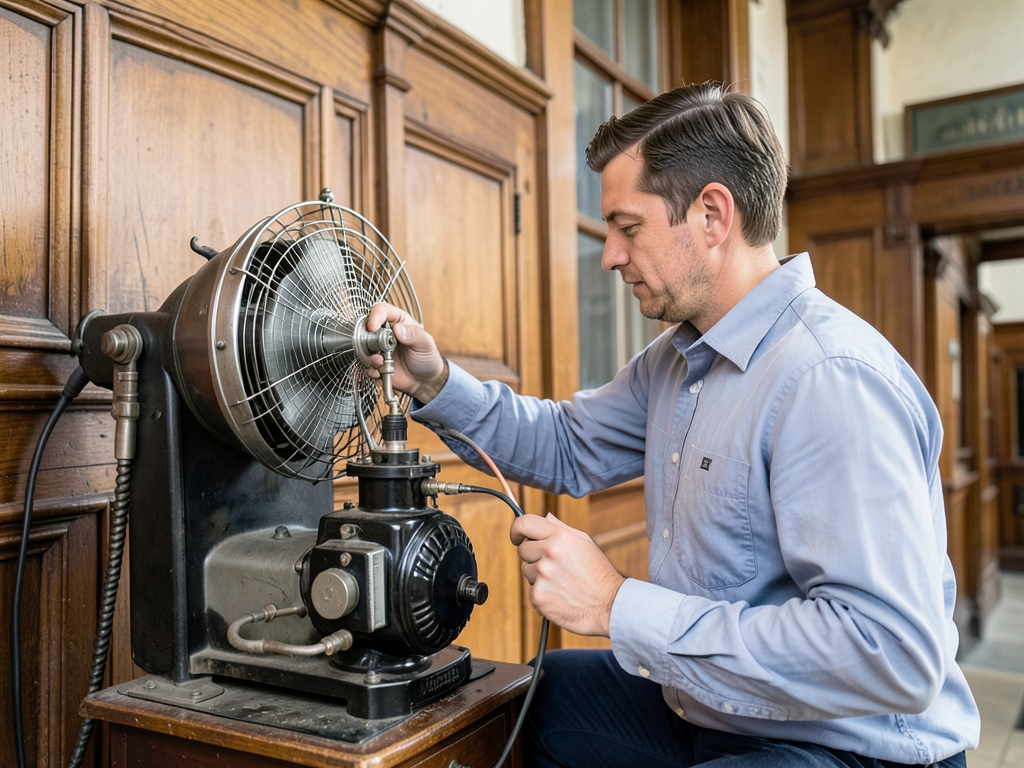


Washington, D.C.'s summer humidity levels regularly exceed 70 percent, forcing refrigeration compressors to reject more heat than in drier climates. Condensers work harder, and systems that are marginally sized in other regions become undersized here. Older buildings in the District often have electrical services designed for 1970s loads. When modern high-efficiency refrigeration equipment cycles on, voltage dips can damage compressors. The grid instability during summer peak demand periods adds another failure vector. Commercial refrigeration contractors who ignore these regional factors install systems that fail prematurely.
D.C. Health Department inspections require accurate temperature logs and functioning equipment. Inspectors know the signs of deferred maintenance, and violations carry financial penalties and reputational damage. We help businesses maintain compliant records and address minor issues before they become inspection failures. Our familiarity with D.C. health codes, building codes, and the permitting process for refrigeration installations means your project moves forward without delays. Local expertise matters when regulators and aging infrastructure intersect with your operation.