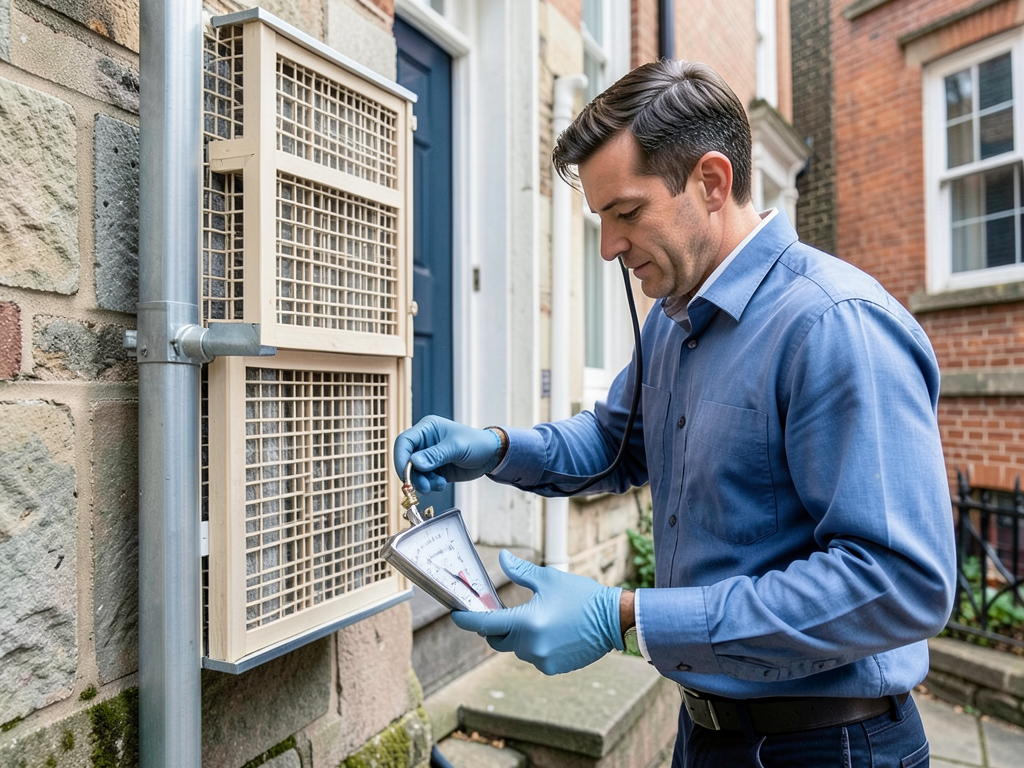


The district's position along the Potomac River creates persistently high humidity that compounds heat index values during summer months. When outdoor temperatures reach 95 degrees with 70 percent humidity, the heat index climbs past 110 degrees. These conditions mean indoor spaces without functioning air conditioning become dangerous within two hours, particularly in brick rowhouses and concrete buildings that absorb and retain heat. D.C.'s urban heat island effect adds another 5 to 7 degrees to nighttime temperatures compared to surrounding areas, preventing natural cooling after sunset. Your AC works harder here than in drier climates, which accelerates wear on compressors and increases refrigerant leak frequency.
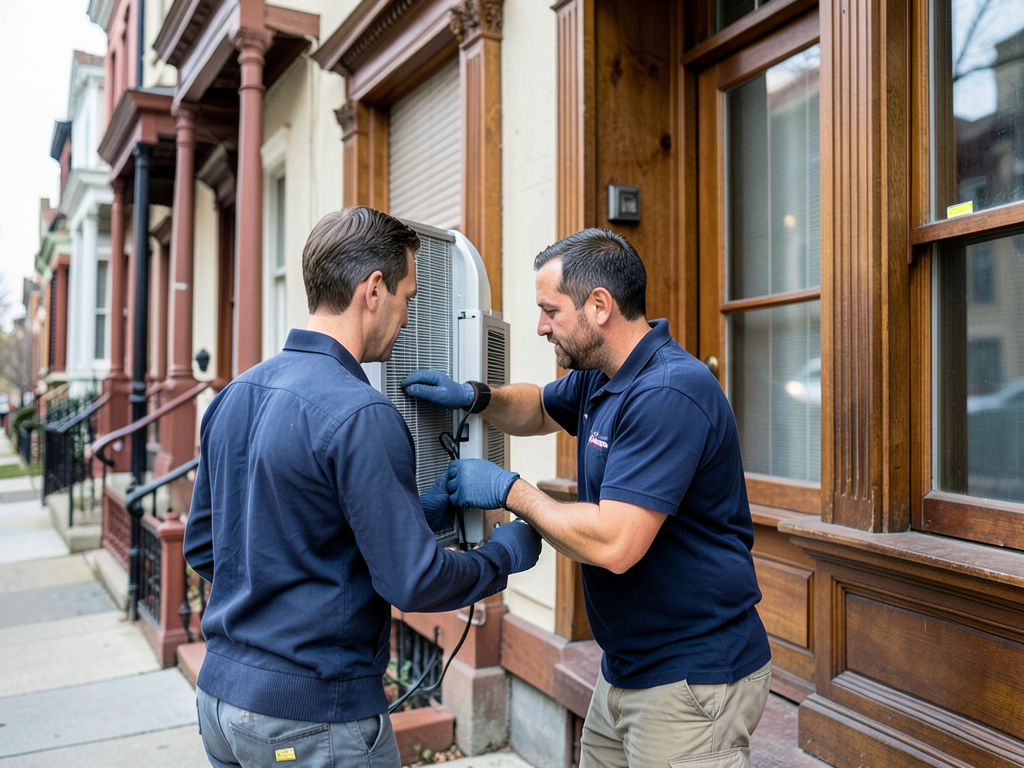
Our technicians carry licensing that meets D.C. Department of Energy and Environment requirements for refrigerant handling and HVAC work. We understand the district's building codes for mechanical systems and follow proper permitting procedures when emergency repairs require electrical modifications. Our familiarity with D.C.'s building stock means we navigate tight mechanical spaces in Capitol Hill basements and access rooftop units in mid-rise buildings efficiently. We work regularly with property managers in the district's large rental market and understand the urgent needs of both owners and tenants during cooling failures.