
Menu

24/7 Emergency AC Repair in Washington, D.C. – Technicians Dispatched in Under 60 Minutes

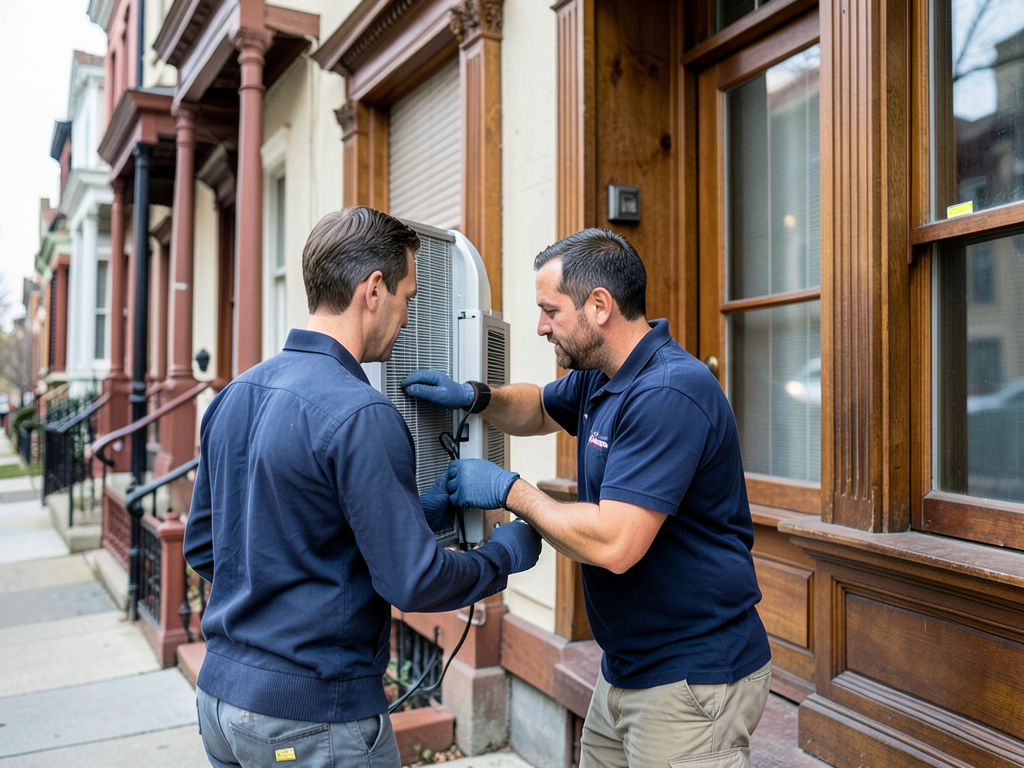
When your air conditioner fails during a D.C. heatwave or humid summer night, you need 24/7 emergency AC repair from technicians who arrive fast, diagnose accurately, and restore cooling before heat stress becomes dangerous.

Slider Image 1
Slider Image 2
Slider Image 3
Slider Image 4
Slider Image 5
Slider Image 7
Slider Image 8
Slider Image 9
Slider Image 10
Slider Image 11

Why Air Conditioners Fail Without Warning in Washington, D.C.

Washington, D.C. summers are brutal. When humidity climbs above 70 percent and temperatures spike into the mid-90s, your air conditioner works harder than in most other climates. The strain on compressors, evaporator coils, and refrigerant lines increases. Components that seemed fine yesterday can fail today.

The Potomac River basin creates localized moisture pockets that accelerate corrosion on outdoor condenser units. Salt from winter road treatments along Wisconsin Avenue and Connecticut Avenue drifts into condensers, corroding fins and reducing airflow. When your system fails at 2 a.m. on a Saturday, you cannot wait until Monday. Heat exhaustion starts within hours, especially for elderly residents in Capitol Hill rowhouses or families with young children in Georgetown.

Emergency air conditioning repair means stopping the damage before refrigerant leaks worsen, before a seized compressor destroys other components, and before indoor temperatures climb to unsafe levels. After hours ac repair is not a luxury in D.C. It is a health necessity. When your air conditioner quits during a Code Red heat advisory, you need 24 hour ac repair from technicians who understand how D.C.'s climate punishes HVAC systems and who carry the parts to fix them on the first visit.

Urgent air conditioner service is about speed and competence. You need someone who knows the difference between a failed capacitor and a refrigerant leak, who can diagnose a problem in the dark, and who can restore cooling before the sun rises. Emergency hvac repair in Washington, D.C. is not about convenience. It is about survival.

Why Air Conditioners Fail Without Warning in Washington, D.C.
How We Diagnose and Repair Failed Air Conditioners in the Middle of the Night

How We Diagnose and Repair Failed Air Conditioners in the Middle of the Night

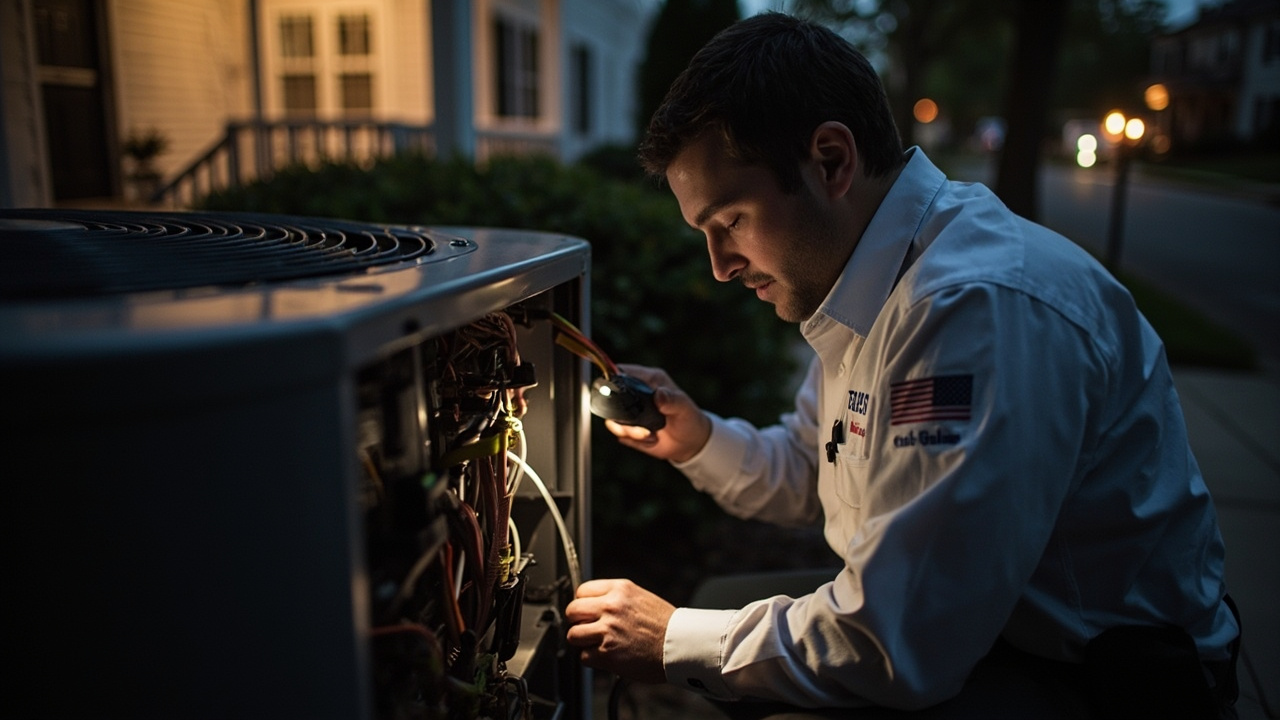
Most emergency AC failures fall into three categories. Electrical failures, refrigerant issues, and mechanical breakdowns. We diagnose all three in under 15 minutes using digital manifold gauges, thermal imaging cameras, and amperage clamp meters.

Electrical failures often stem from capacitor burnout or contactor welding. Capacitors store the electrical charge needed to start the compressor and fan motors. In high-humidity environments like D.C., capacitors degrade faster. We test capacitance with a multimeter and replace failed capacitors immediately. We carry 15 different capacitor ratings in our emergency vehicles because we know waiting for a part order is not an option.

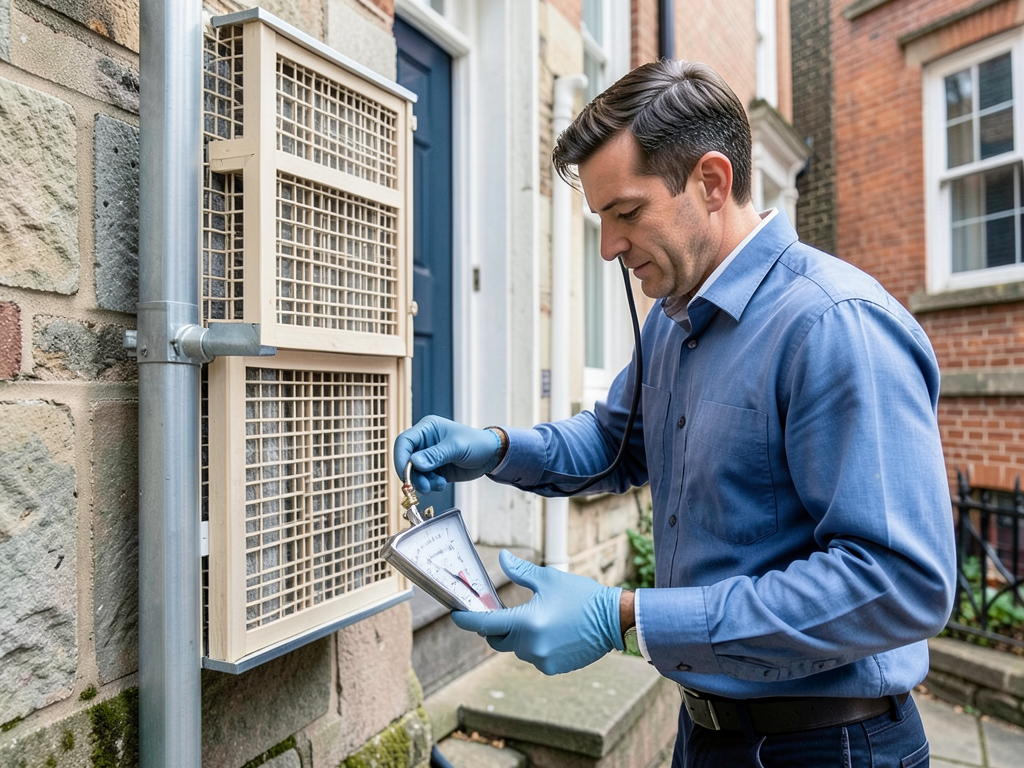
Refrigerant leaks require different tools. We use electronic leak detectors and nitrogen pressure tests to locate pinhole leaks in evaporator coils or condenser coil joints. If your system is low on refrigerant, it cannot absorb heat from your home. We recover remaining refrigerant, repair the leak with silver solder or epoxy depending on location and pressure, then recharge the system to manufacturer specifications. We do not guess at refrigerant levels. We weigh the charge to the ounce.

Mechanical failures include seized compressor bearings, failed blower motors, and broken fan blades. These require component replacement, not patchwork. We carry the most common residential compressor models for split systems and package units. If your blower motor burns out, we replace it with a direct-drive or belt-drive motor that matches your system's CFM requirements.

We do not leave until your system runs at full capacity, refrigerant pressures stabilize, and airflow meets design specifications. Emergency repairs are permanent repairs.

What Happens When You Call for Emergency AC Repair

24/7 Emergency AC Repair in Washington, D.C. – Technicians Dispatched in Under 60 Minutes
01

Immediate Dispatch and Arrival

You call our emergency line and speak to a live dispatcher, not an answering service. We collect your address, symptoms, and system type. A technician is dispatched within 10 minutes. We serve all quadrants of D.C., from Anacostia to Tenleytown. You receive a text with the technician's name, photo, and estimated arrival time. Most calls are answered within 60 minutes.
02

Diagnosis and Repair Plan

The technician arrives with a fully stocked truck and diagnostic equipment. They inspect the condenser, test electrical components, check refrigerant pressures, and measure airflow at the supply registers. You get a verbal explanation of the failure, the repair required, and the time to complete it. No hidden problems. No surprise costs. Just honest diagnostics.
03

System Restoration and Testing

After the repair, the technician runs the system through a full cooling cycle. They measure supply air temperature, verify refrigerant subcooling and superheat, and confirm proper amperage draw on the compressor. You feel cold air at the registers. The system runs quietly. The technician documents the repair and explains what caused the failure and how to prevent it.

Why Washington, D.C. Residents Call Patriot HVAC Washington DC for Emergency Repairs

Emergency HVAC repairs expose the difference between experienced technicians and parts changers. In D.C., where building codes require specific refrigerant handling procedures and where older homes have limited electrical service, experience matters.

We understand the quirks of D.C. housing stock. Georgetown rowhouses built in the 1920s often have undersized electrical panels that trip breakers when air conditioners start. We know how to install soft-start capacitors to reduce inrush current. Adams Morgan apartments frequently have rooftop package units accessed through narrow stairwells. We know how to transport compressors up four flights without damaging walls or equipment.

D.C. also has strict environmental regulations for refrigerant handling. We are EPA 608 certified for refrigerant recovery and disposal. We do not vent refrigerants into the atmosphere. We recover, recycle, and document every ounce. This compliance protects you from fines and protects the Chesapeake Bay watershed from contamination.

Our emergency trucks carry parts for the most common residential systems in D.C. We stock capacitors, contactors, fan motors, and TXV valves for Carrier, Trane, Lennox, Rheem, and Goodman systems. We carry R-410A and R-22 refrigerants. We carry copper fittings, brazing rods, and nitrogen tanks for leak repairs. This inventory means we fix your system on the first visit, not the third.

We also understand the urgency of heat-related illness. When indoor temperatures exceed 85 degrees, cognitive function declines. Elderly residents and infants are at risk for heat exhaustion within hours. We treat every emergency call as a health emergency, not a sales opportunity. You get a technician who fixes the problem, not a salesperson who upsells you on a new system.

What to Expect During an Emergency AC Repair

Response Time and Availability

We dispatch technicians 24 hours a day, 365 days a year. You call, we answer. No voicemail. No callback delays. Our average response time is under 60 minutes for most D.C. neighborhoods. We prioritize calls based on health risk, so homes with elderly residents or young children move to the front of the queue. We do not charge extra for nights, weekends, or holidays. Emergency pricing is transparent and explained before work begins. You get a technician when you need one, not when it is convenient for us.

Diagnostic Process and Transparency

The technician starts with a visual inspection of the condenser and air handler. They check for obvious issues like tripped breakers, frozen evaporator coils, or debris blocking the condenser. Then they use diagnostic tools to measure electrical voltage, amperage, and capacitance. They test refrigerant pressures with manifold gauges and check for leaks with electronic detectors. You watch the process. The technician explains what they find and what needs to be fixed. No jargon. No scare tactics. Just clear explanations of what failed and why.

Quality of Repair and Parts

We use OEM parts when possible and high-quality aftermarket parts when OEM is unavailable. Capacitors are rated for high-temperature environments. Contactors are heavy-duty models designed for frequent cycling. Fan motors are thermally protected to prevent burnout. Refrigerant repairs are brazed with silver solder, not epoxy patched. We do not use temporary fixes. Every repair is done as if we are working on our own system. You get a repair that lasts, not a Band-Aid that fails in three months.

Post-Repair Support and Maintenance

After the repair, you receive a detailed invoice that lists every part replaced and every test performed. The technician explains what caused the failure and how to prevent it. If the failure was caused by a dirty filter or blocked condenser, they show you how to maintain the system. We also offer optional maintenance plans that include biannual inspections, priority emergency service, and discounted repairs. These plans catch problems before they become emergencies. If you have questions after the repair, you call the same number and speak to someone who understands your system.

Frequently Asked Questions

You Have Questions,
We Have Answers

What is considered an emergency for AC? +

An AC emergency in Washington, D.C. means your health or safety is at risk. This includes complete system failure during high-humidity heat waves when indoor temps exceed 85 degrees, especially for elderly residents or families with infants. Electrical burning smells or sparking components require immediate shutdown and professional help. Refrigerant leaks pose chemical exposure risks. Water flooding from condensate line failures can damage historic rowhouse floors and cause mold growth in 24 hours. If you lose cooling during extreme heat advisories or notice smoke, strange odors, or electrical issues, call for emergency service immediately.

What is the $5000 AC rule? +

The 5000 dollar rule guides replacement decisions. If your AC repair cost multiplied by your system's age exceeds 5000, replacement makes better financial sense. For example, a 12-year-old system needing a 500 dollar compressor repair equals 6000, suggesting replacement. Given Washington, D.C.'s humid summers that stress systems year-round, older units lose efficiency fast. Factor in rising energy costs and frequent breakdowns. This rule helps you avoid throwing money at a dying system. A licensed technician can calculate this during emergency visits and provide honest guidance on repair versus replacement.

What to do while waiting for AC repair? +

Close all blinds and curtains, especially on south-facing windows in Washington, D.C.'s intense afternoon sun. Move to the lowest floor since heat rises in multi-story rowhouses. Run ceiling fans counterclockwise to push air down. Avoid using ovens or dryers that generate heat. Drink water constantly to prevent dehydration. Place ice packs on pulse points like wrists and neck. If you have a basement, move there temporarily. Elderly residents and children should relocate to cooling centers if indoor temps climb above 85 degrees. Never try DIY electrical repairs. Wait for the licensed technician.

Who do you call when your AC isn't working? +

Call a licensed HVAC contractor immediately. Avoid unlicensed handymen who lack proper EPA refrigerant certifications required in Washington, D.C.. Emergency AC failures need trained diagnostics for electrical issues, refrigerant systems, and compressor problems. Look for companies offering true 24/7 dispatch, not answering services that delay response until morning. Verify they pull proper permits for major repairs and carry liability insurance. If you smell gas or see sparking, shut off power at the breaker first, then call. For life-threatening heat situations with vulnerable family members, also contact 911 while waiting for HVAC help.

What qualifies as an emergency repair? +

Emergency AC repairs involve immediate threats to safety or property. Total cooling loss during heat advisories when indoor temps threaten heat exhaustion qualifies. Electrical issues like burning smells, sparking, or breaker trips require urgent response to prevent fires. Refrigerant leaks expose you to harmful chemicals. Major water leaks from clogged drain lines can flood basements or damage ceilings in older Washington, D.C. homes. Strange grinding or screeching noises indicate failing motors that could seize completely. If your system affects medical equipment or vulnerable residents, any malfunction becomes an emergency. Normal inefficiency or minor temperature fluctuations can wait for regular appointments.

What is the 3 minute rule for AC? +

The 3 minute rule prevents compressor damage. After your AC shuts off, wait 3 full minutes before restarting. This allows refrigerant pressure to equalize between the high and low sides of the system. Restarting too quickly forces the compressor to work against unbalanced pressure, causing stress and premature failure. In Washington, D.C.'s stop-start humidity cycles, this matters more than dry climates. If you lose power during summer storms, resist immediately turning the system back on. Short cycling from thermostat mistakes or power fluctuations reduces compressor lifespan significantly. Modern systems have built-in delays, but older units need manual patience.

Can I write off my new AC unit on my taxes? +

Possibly, under specific conditions. The Inflation Reduction Act offers tax credits up to 30 percent for high-efficiency systems meeting ENERGY STAR standards, capped at certain amounts. You must own your Washington, D.C. home and the unit must hit minimum SEER2 ratings. Emergency replacements qualify if you choose eligible equipment. Keep all receipts and manufacturer certifications. Medical necessity deductions might apply if your doctor prescribes AC for conditions like severe asthma or heat sensitivity. Consult a tax professional familiar with D.C. and federal codes. Installation costs sometimes qualify for energy credits separate from equipment costs.

What is the 20 rule for air conditioners? +

The 20 degree rule means your AC can cool indoor air about 20 degrees below outdoor temperature at peak capacity. When Washington, D.C. hits 95 degrees with high humidity, expect indoor temps around 75 degrees, not 68. Demanding lower settings overworks the system and causes freezing coils or compressor failure. This rule explains why your AC struggles during heat waves. Unrealistic thermostat settings during emergencies worsen problems. If your system cannot achieve a 15 to 20 degree split, you likely have refrigerant leaks, dirty coils, or failing compressors requiring immediate repair.

How much does it cost to replace an AC condenser? +

Condenser replacement in Washington, D.C. typically involves significant expense, though exact costs vary by system size, brand, refrigerant type, and access difficulty in tight rowhouse backyards. The condenser is the outdoor unit containing the compressor, the most expensive component. Older systems using phased-out refrigerants cost more due to limited parts availability. If your condenser fails and your system exceeds 10 years old, full replacement often makes better financial sense than isolated repairs. Emergency condenser failures require refrigerant recovery, electrical work, and sometimes concrete pad replacement. Always get written estimates before authorizing expensive emergency repairs.

How to cool a house when the AC is broken? +

Create cross-ventilation by opening windows on opposite sides of your Washington, D.C. home after sunset when outdoor temps drop. Use box fans in windows, blowing hot air out on one side and pulling cooler air in on the other. Hang damp sheets in front of fans for evaporative cooling. Avoid the top floors where heat concentrates. Sleep in the basement if possible. Wear lightweight cotton and use damp washcloths on pulse points. Run cold water over wrists periodically. Avoid alcohol and caffeine. If indoor temps stay above 85 degrees, relocate vulnerable family members to public libraries, malls, or designated cooling centers.

How D.C.'s Urban Heat Island Effect Makes Emergency AC Repair More Critical

Washington, D.C. experiences urban heat island effects that push temperatures 5 to 10 degrees higher than surrounding suburbs. Asphalt, concrete, and dense building construction trap heat in neighborhoods like Shaw, Columbia Heights, and Capitol Hill. Your air conditioner runs longer cycles to compensate, which accelerates wear on compressors and fan motors. When a component fails during a heat wave, indoor temperatures climb faster in D.C. than in less dense areas. Emergency air conditioning repair becomes a race against heat exhaustion. We prioritize calls from the hottest zip codes and from homes without backup cooling options.

D.C. building codes and energy regulations also affect emergency repairs. The District requires proper refrigerant recovery and disposal, which means we document every pound of refrigerant removed from your system. We understand D.C. permitting requirements for electrical work on HVAC systems. If your repair requires a new breaker or electrical panel upgrade, we know which repairs need permits and which do not. This local knowledge prevents code violations and protects you from fines. We work with D.C. inspectors regularly, so we know what they look for during inspections. Choosing a local HVAC company means choosing someone who understands D.C.'s regulatory environment.
HVAC Services in The Washington DC Area

Easily locate Patriot HVAC and explore our service area on the map below. We are strategically positioned to provide prompt and efficient heating, ventilation, and air conditioning services across Washington D.C. and its neighboring communities. Whether you're seeking a quick repair or a new installation, our team is ready to serve your comfort needs.

Address:
Patriot HVAC Washington DC, 20 F St NW, Washington, DC, 20001

Additional Services We Offer

Our news updates

Latest Articles & News from The Blogs

The Best Air Filter Upgrades for Georgetown Homes with Sensitive Historic Woodwork Georgetown's Federal-style rowhouses and Victorian homes need special…

The Best Air Filter Upgrades for Georgetown Homes with Sensitive Historic Woodwork

The Best Air Filter Upgrades for Georgetown Homes with Sensitive Historic Woodwork Georgetown's Federal-style rowhouses and Victorian homes need special…

The Best Air Filter Upgrades for Georgetown Homes with Sensitive Historic Woodwork

The Best Air Filter Upgrades for Georgetown Homes with Sensitive Historic Woodwork Georgetown's historic rowhouses and Federal-style homes face a…

The Best Air Filter Upgrades for Georgetown Homes with Sensitive Historic Woodwork

The Best Air Filter Upgrades for Georgetown Homes with Sensitive Historic Woodwork Georgetown's historic rowhouses and Federal-style homes feature exquisite…

Contact Us

Your air conditioner will not fix itself. Call (771) 218-6322 now and speak to a live dispatcher. A technician will be on the way in minutes. We answer 24 hours a day, every day. Stop sweating and start cooling.