
A seasonal guide to the best day to switch from cooling to heating in Washington DC
Washington DC homeowners face a unique challenge each fall. The city’s humid subtropical climate means temperatures swing wildly from sweltering summer highs to winter lows that can dip below freezing. Knowing exactly when to make the switch from cooling to heating isn’t just about comfort—it’s about energy efficiency, system longevity, and compliance with local regulations. DC Municipal Regulations.
The answer is straightforward: most DC residents should switch to heating when outdoor temperatures consistently fall below 60°F, typically between late October and early November. However, several factors specific to Washington DC’s climate and building stock influence this decision. Let’s break down everything you need to know to make the right call for your home. The Best Heating and Cooling Solutions for Adams Morgan Condos.
DC Heat Season Laws: What You Must Know
Washington DC enforces strict heat season requirements through the District of Columbia Municipal Regulations (DCMR). From October 1 through May 1, all rental properties must maintain minimum temperatures. During the day, landlords must keep indoor temperatures at 68°F when outdoor temperatures fall below 55°F. At night, from 10 PM to 6 AM, the minimum drops to 62°F.
These regulations exist to protect vulnerable residents during DC’s coldest months. The District’s Department of Consumer and Regulatory Affairs (DCRA) enforces these standards, and violations can result in fines or legal action against property owners.
The 60-Degree Rule: When Most Homeowners Should Switch
While DC law mandates heating in rental properties starting October 1, most homeowners should wait until outdoor temperatures consistently stay below 60°F before switching to heating. This temperature threshold balances several factors:
- Energy efficiency: Running heating systems when outdoor temperatures are still mild wastes energy and increases utility bills
- System longevity: Frequent cycling between heating and cooling modes can stress HVAC components
- Humidity control: Air conditioning systems also dehumidify, which is crucial in DC’s humid climate
Most years, this 60-degree threshold occurs between October 15 and November 1 in the DC metro area. However, recent climate patterns show later first freezes, with the average first freeze now occurring around November 18 in the District.
DC Weather Patterns and First Freeze Dates
Washington DC’s location in the Mid-Atlantic creates unique weather challenges. The city sits in USDA Plant Hardiness Zone 7a, meaning winter temperatures can drop to 0-5°F. However, the urban heat island effect—caused by concrete, asphalt, and buildings—often keeps downtown areas 3-5°F warmer than surrounding suburbs.
Here’s a breakdown of typical first freeze dates across the DMV area:
| Location | Average First Freeze | Earliest Recorded | Latest Recorded |
|---|---|---|---|
| Washington DC (downtown) | November 18 | October 10 (1979) | December 22 (2016) |
| Arlington, VA | November 15 | October 8 (1993) | December 20 (2020) |
| Bethesda, MD | November 12 | October 5 (1985) | December 28 (2015) |
Pre-Season HVAC Preparation Checklist
Before you flip that switch, your HVAC system needs attention. The transition period between cooling and heating seasons is the perfect time for maintenance. Here’s what every DC homeowner should do:
- Change Air Filters
Replace all air filters with new ones rated MERV 8-13 for optimal filtration and airflow. DC’s high pollen counts mean filters clog faster than in many other regions.
- Test Carbon Monoxide Detectors
Press the test button on all CO detectors. Replace batteries if needed. Carbon monoxide poisoning risk increases when heating systems first start up.
- Clear Outdoor Units
Remove leaves, twigs, and debris from around outdoor AC units. Ensure at least 2 feet of clearance on all sides for proper airflow.
- Check Thermostat Operation
Switch your thermostat to heating mode and set it to 70°F. Listen for the system to kick on within 3-5 minutes. If it doesn’t, call a professional.
- Inspect Vents and Registers
Walk through your home and ensure all supply and return vents are open and unobstructed by furniture or curtains.
Common First-Start Issues and Solutions
When you finally switch on your heating system after months of dormancy, several issues can arise. Here’s what to expect and how to handle it:
The Burning Dust Smell
When you first turn on your furnace, you might notice a burning smell. This is normal and occurs when dust accumulated on heating elements burns off. The smell should dissipate within 24 hours. If it persists, turn off the system and call a technician. Fast Furnace Repair Services for Families in Chevy Chase DC.
Pilot Light Problems
Older gas furnaces with pilot lights may fail to ignite after sitting idle. This often happens due to thermocouple issues or gas valve problems. Modern furnaces with electronic ignition rarely have this issue but may need a system reset.
Uneven Heating
DC’s diverse housing stock—from historic rowhouses to modern condos—experiences different heating challenges. Older homes often have poor insulation, leading to cold spots. Consider zone heating or supplemental electric heaters for problem areas.
Energy Efficiency Strategies for DC Winters
Washington DC residents pay some of the highest electricity rates in the nation. PEPCO’s winter rates can reach $0.13-$0.16 per kWh, making energy efficiency crucial. Here are strategies specific to DC’s climate:
| Strategy | DC-Specific Benefit | Estimated Savings |
|---|---|---|
| Programmable Thermostat | Adjusts for DC’s temperature swings | 10-15% annually |
| Window Film Installation | Reduces heat loss in historic windows | 5-10% annually |
| Attic Insulation Upgrade | Critical for DC’s older housing stock | 15-25% annually |
Heat Pump vs. Furnace Considerations
DC’s climate sits in a transition zone where both heat pumps and furnaces can work effectively. Heat pumps extract heat from outdoor air, making them highly efficient until temperatures drop below 35°F. Most modern heat pumps include auxiliary heating elements for extreme cold.
Furnaces, particularly high-efficiency models at 90% AFUE or higher, provide consistent heat regardless of outdoor temperature. However, they consume more energy than heat pumps in mild conditions.
For DC homes, heat pumps often make sense because:
- DC’s relatively mild winters (compared to New England) allow heat pumps to operate efficiently most of the season
- Heat pumps provide both heating and cooling, eliminating the need for separate systems
- Modern heat pumps handle DC’s humidity better than older models
Special Considerations for Different DC Housing Types
Washington DC’s architectural diversity means different homes face different heating challenges:
Historic Rowhouses (Capitol Hill, Georgetown)
These homes often have original radiators or outdated forced-air systems. The District’s Historic Preservation Office restricts exterior modifications, making ductless mini-splits an attractive option for heating upgrades.
Mid-Century Ranches (Chevy Chase, Bethesda)
These homes typically have forced-air systems but may suffer from inadequate insulation. Focus on sealing ductwork and adding insulation before upgrading heating equipment.
High-Rise Condos (Navy Yard, Foggy Bottom)
Many newer buildings use electric heat pumps. These systems work well in DC’s climate but may struggle during polar vortex events. Consider a backup electric space heater for extreme cold.
2026 Weather Forecast and Heating Season Outlook
The National Weather Service’s long-range forecast for the 2026 DC winter predicts slightly above-average temperatures but increased precipitation. This means more freeze-thaw cycles, which can stress heating systems and plumbing. National Weather Service.
Key dates to watch:
- October 15: Historical average for first 50°F day
- November 1: Typical date for consistent 40°F overnight lows
- November 18: Average first freeze date
Emergency Heating Services: When to Call for Help
Sometimes, despite preparation, heating systems fail when you need them most. Here are signs you need professional help immediately:
- No heat after 30 minutes of system operation
- Strange noises (banging, screeching, or rattling)
- Carbon monoxide detector alarms
- Gas smells near furnace
- System cycling on and off rapidly
Washington Gas and local utilities recommend having emergency contact numbers programmed into your phone before heating season begins.
Frequently Asked Questions
When should I turn on my heat in Washington DC?
Most homeowners should switch to heating when outdoor temperatures consistently fall below 60°F, typically between October 15 and November 1. However, DC rental properties must provide heat by October 1 under local law.
What temperature should I set my thermostat to in winter?
For comfort and efficiency, set your thermostat to 68°F during the day and 62-65°F at night. Each degree lower can save 3-5% on heating costs.
How can I prepare my HVAC system for winter?
Change filters, test carbon monoxide detectors, clear outdoor units, check thermostat operation, and inspect vents. Consider professional maintenance if your system is over 5 years old.
Is it better to use a heat pump or furnace in DC?
Heat pumps work well in DC’s climate, offering both heating and cooling efficiency. However, homes with existing ductwork may benefit from high-efficiency furnaces, especially if natural gas is available.
What should I do if my heating system smells when I first turn it on?
A slight burning smell is normal as dust burns off heating elements. If the smell persists beyond 24 hours or is accompanied by smoke, turn off the system and call a professional immediately.
[IMAGE_PLACEHOVER_1]
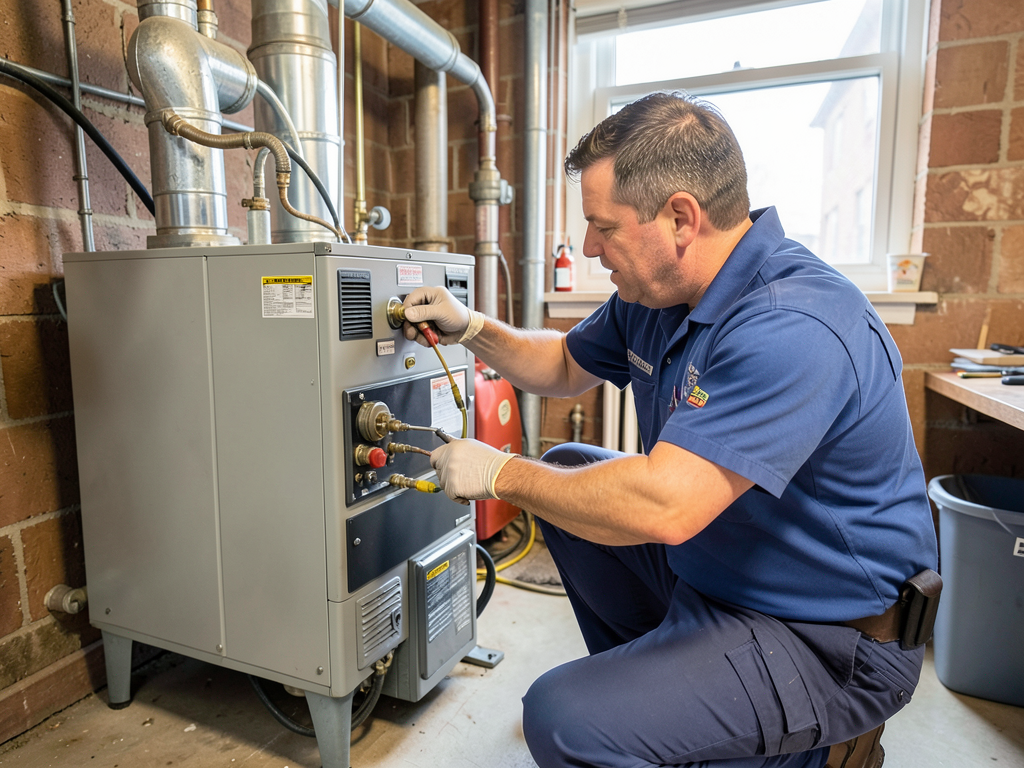
Technician inspecting furnace components during pre-season maintenance check in a Washington DC rowhouse basement.

Close-up of programmable thermostat display showing optimal winter temperature settings for energy efficiency.
Diagram illustrating proper air filter replacement technique and MERV rating selection for DC’s high-pollen environment.
Ready for Winter? Call the DC Heating Experts
Don’t wait until the first cold snap to discover heating problems. Call (771) 218-6322 today to schedule your professional HVAC inspection. Our NATE-certified technicians understand Washington DC’s unique heating challenges and can ensure your system is ready for whatever winter brings.
Whether you need a pre-season tune-up, emergency repairs, or advice on upgrading to a more efficient system, we’re here to help. Pick up the phone and call (771) 218-6322 before the next storm hits. Your comfort and safety are our top priority.
{
“@context”: “https://schema.org”,
“@type”: “BlogPosting”,
“headline”: “A seasonal guide to the best day to switch from cooling to heating in Washington DC”,
“description”: “Discover when to switch from cooling to heating in Washington DC based on local laws, weather patterns, and HVAC best practices for 2026.”,
“wordCount”: 1596,
“datePublished”: “2026-05-30T10:53:00.000Z”,
“dateModified”: “2026-05-30T10:53:00.000Z”,
“inLanguage”: “en-US”,
“mainEntityOfPage”: {
“@type”: “WebPage”,
“@id”: “https://patriothvacwashingtondc.com”
},
“publisher”: {
“@type”: “LocalBusiness”,
“name”: “Patriot HVAC Washington DC”,
“url”: “https://patriothvacwashingtondc.com”
},
“author”: {
“@type”: “Organization”,
“name”: “Patriot HVAC Washington DC”,
“url”: “https://patriothvacwashingtondc.com”
},
“image”: {
“@type”: “ImageObject”,
“url”: “https://patriothvacwashingtondc.com/wp-content/uploads/2026/03/a-seasonal-guide-to-the-best-day-to-switch-from-co-1.png”
}
}
{
“@context”: “https://schema.org”,
“@type”: “HVACBusiness”,
“name”: “Patriot HVAC Washington DC”,
“url”: “https://patriothvacwashingtondc.com”,
“address”: {
“@type”: “PostalAddress”,
“addressLocality”: “Washington DC”
},
“areaServed”: {
“@type”: “City”,
“name”: “Washington DC”
}
}
{
“@context”: “https://schema.org”,
“@type”: “FAQPage”,
“mainEntity”: [
{
“@type”: “Question”,
“name”: “When should I turn on my heat in Washington DC?”,
“acceptedAnswer”: {
“@type”: “Answer”,
“text”: “Most homeowners should switch to heating when outdoor temperatures consistently fall below 60°F, typically between October 15 and November 1. However, DC rental properties must provide heat by October 1 under local law.”
}
},
{
“@type”: “Question”,
“name”: “What temperature should I set my thermostat to in winter?”,
“acceptedAnswer”: {
“@type”: “Answer”,
“text”: “For comfort and efficiency, set your thermostat to 68°F during the day and 62-65°F at night. Each degree lower can save 3-5% on heating costs.”
}
},
{
“@type”: “Question”,
“name”: “How can I prepare my HVAC system for winter?”,
“acceptedAnswer”: {
“@type”: “Answer”,
“text”: “Change filters, test carbon monoxide detectors, clear outdoor units, check thermostat operation, and inspect vents. Consider professional maintenance if your system is over 5 years old.”
}
},
{
“@type”: “Question”,
“name”: “Is it better to use a heat pump or furnace in DC?”,
“acceptedAnswer”: {
“@type”: “Answer”,
“text”: “Heat pumps work well in DC’s climate, offering both heating and cooling efficiency. However, homes with existing ductwork may benefit from high-efficiency furnaces, especially if natural gas is available.”
}
},
{
“@type”: “Question”,
“name”: “What should I do if my heating system smells when I first turn it on?”,
“acceptedAnswer”: {
“@type”: “Answer”,
“text”: “A slight burning smell is normal as dust burns off heating elements. If the smell persists beyond 24 hours or is accompanied by smoke, turn off the system and call a professional immediately.”
}
}
]
}
{
“@context”: “https://schema.org”,
“@type”: “HowTo”,
“name”: “HVAC Pre-Season Preparation”,
“step”: [
{
“@type”: “HowToStep”,
“position”: 1,
“name”: “Change Air Filters”,
“text”: “Replace all air filters with new ones rated MERV 8-13 for optimal filtration and airflow. DC’s high pollen counts mean filters clog faster than in many other regions.”
},
{
“@type”: “HowToStep”,
“position”: 2,
“name”: “Test Carbon Monoxide Detectors”,
“text”: “Press the test button on all CO detectors. Replace batteries if needed. Carbon monoxide poisoning risk increases when heating systems first start up.”
},
{
“@type”: “HowToStep”,
“position”: 3,
“name”: “Clear Outdoor Units”,
“text”: “Remove leaves, twigs, and debris from around outdoor AC units. Ensure at least 2 feet of clearance on all sides for proper airflow.”
},
{
“@type”: “HowToStep”,
“position”: 4,
“name”: “Check Thermostat Operation”,
“text”: “Switch your thermostat to heating mode and set it to 70°F. Listen for the system to kick on within 3-5 minutes. If it doesn’t, call a professional.”
},
{
“@type”: “HowToStep”,
“position”: 5,
“name”: “Inspect Vents and Registers”,
“text”: “Walk through your home and ensure all supply and return vents are open and unobstructed by furniture or curtains.”
}
],
“image”: “https://patriothvacwashingtondc.com/wp-content/uploads/2026/03/a-seasonal-guide-to-the-best-day-to-switch-from-co-1.png”
}
{
“@context”: “https://schema.org”,
“@type”: “BreadcrumbList”,
“itemListElement”: [
{
“@type”: “ListItem”,
“position”: 1,
“name”: “Home”,
“item”: “https://patriothvacwashingtondc.com”
},
{
“@type”: “ListItem”,
“position”: 2,
“name”: “Blog”,
“item”: “https://patriothvacwashingtondc.com/blog”
},
{
“@type”: “ListItem”,
“position”: 3,
“name”: “A seasonal guide to the best day to switch from cooling to heating in Washington DC”
}
]
}
{
“@context”: “https://schema.org”,
“@type”: “Service”,
“serviceType”: “HVAC”,
“provider”: {
“@type”: “LocalBusiness”,
“name”: “Patriot HVAC Washington DC”,
“url”: “https://patriothvacwashingtondc.com”
},
“areaServed”: {
“@type”: “City”,
“name”: “Washington DC”
},
“description”: “Discover when to switch from cooling to heating in Washington DC based on local laws, weather patterns, and HVAC best practices for 2026.”
}