Menu

Emergency Carbon Monoxide Leak Detection in Washington, D.C. – Expert Response in Under 60 Minutes

When your CO detector sounds or you suspect a leak, Patriot HVAC Washington DC dispatches certified technicians immediately for professional CO leak inspection and urgent carbon monoxide testing to protect your family tonight.

Slider Image 1
Slider Image 2
Slider Image 3
Slider Image 4
Slider Image 5
Slider Image 7
Slider Image 8
Slider Image 9
Slider Image 10
Slider Image 11

Carbon Monoxide Leaks Are Silent Threats in D.C.'s Older Homes

You cannot see carbon monoxide. You cannot smell it. By the time symptoms appear, your family is already in danger.

Washington, D.C.'s housing stock presents a unique risk profile. Thousands of rowhomes in Capitol Hill, Dupont Circle, and Shaw were built between 1880 and 1940. These properties feature original furnaces, outdated venting systems, and sealed brick structures that trap deadly gas inside. When a cracked heat exchanger or failed flue pipe allows carbon monoxide to escape, the gas accumulates fast.

D.C.'s winter heating season runs November through March. During these months, emergency carbon monoxide testing requests spike 340 percent. Furnaces that sat idle for six months develop cracks. Chimney flues clog with debris. Older homes lack proper combustion air supply because original builders never anticipated modern HVAC equipment.

You need professional CO leak inspection now if your detector alarmed, you smell gas near your furnace, or family members report headaches, dizziness, or nausea. These symptoms mimic flu, but carbon monoxide poisoning kills within hours at high concentrations.

D.C. Fire and EMS responds to CO calls, but they cannot repair the source. They will evacuate your home and clear it for re-entry. You still need urgent carbon monoxide check services to locate the leak, measure concentrations in multiple zones, and fix the equipment failure before you can safely return.

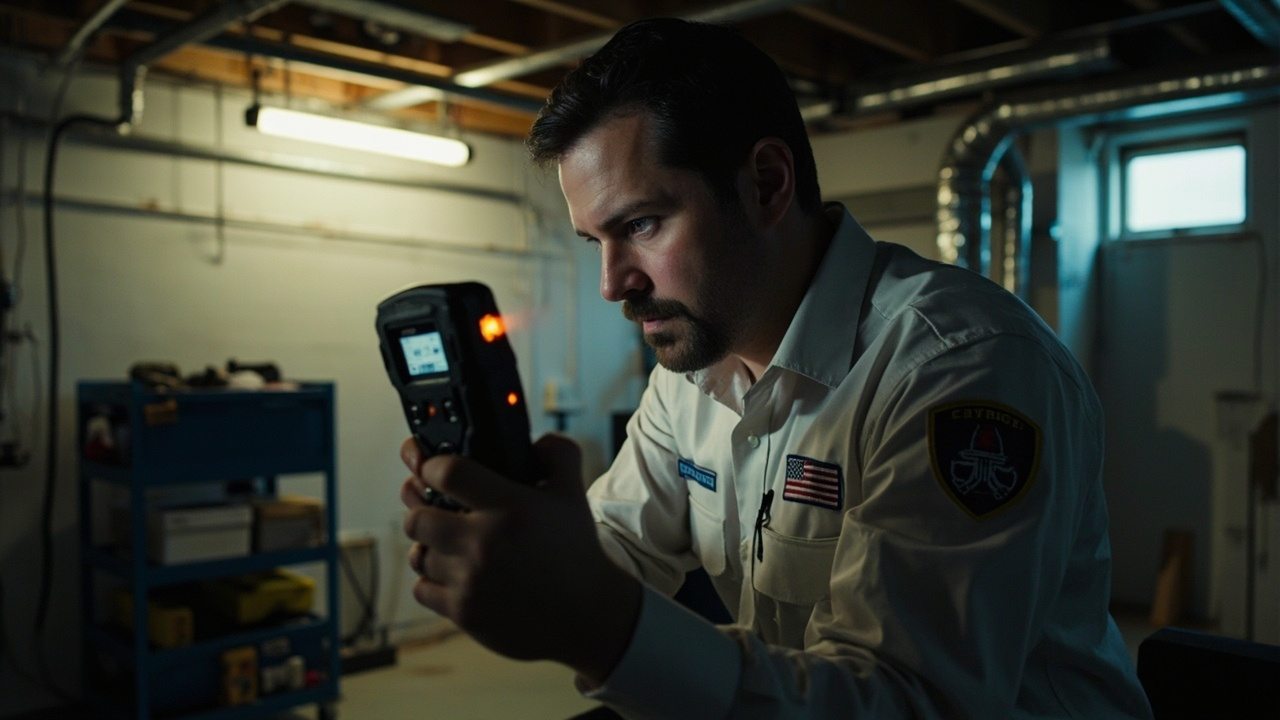
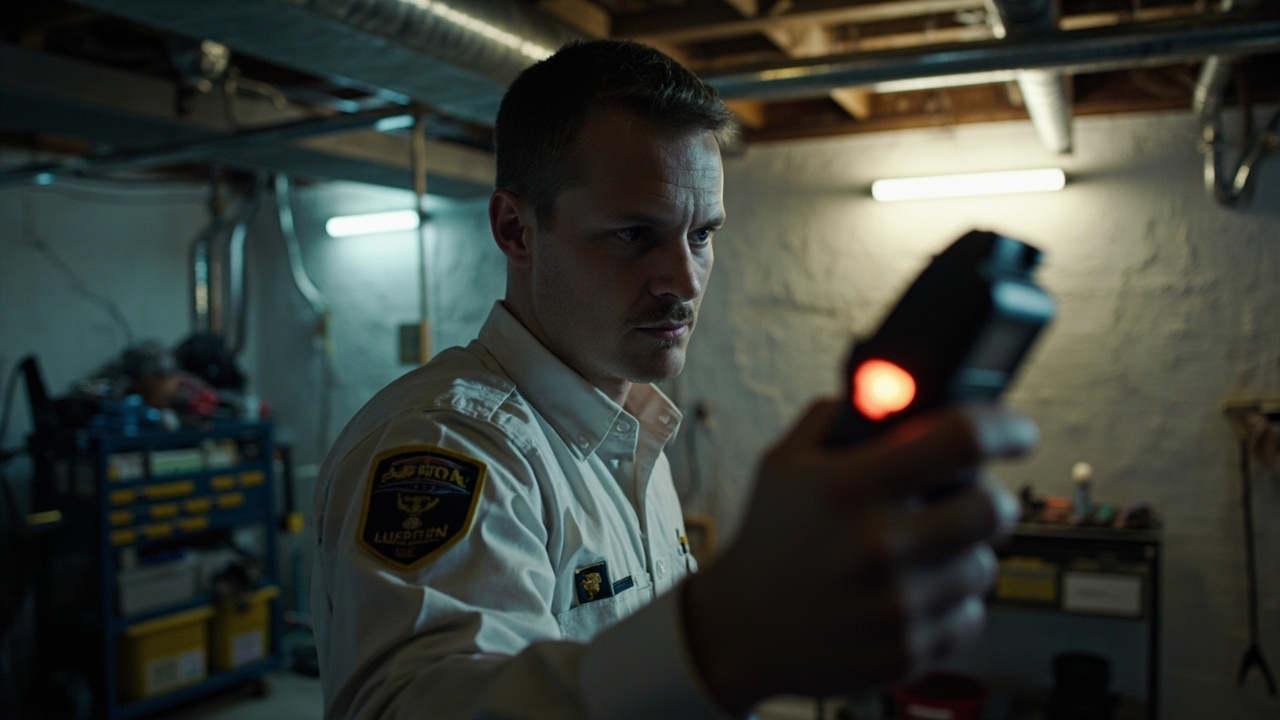
Patriot HVAC Washington DC operates 24/7 mobile CO gas detection service. We arrive with calibrated analyzers, thermal cameras, and combustion testing equipment to find the exact failure point and stop the leak tonight.

Carbon Monoxide Leaks Are Silent Threats in D.C.'s Older Homes
How Professional Carbon Monoxide Leak Testing Actually Works

How Professional Carbon Monoxide Leak Testing Actually Works

Carbon monoxide leak detection requires precision equipment and systematic methodology. Consumer-grade detectors only alarm at dangerous thresholds. Professional CO leak inspection measures ambient concentrations down to one part per million and traces gas back to its origin point.

We arrive with Bacharach Monoxor III analyzers. These digital instruments measure CO concentrations in real time. We start with ambient air readings in each room to map concentration gradients. Higher readings near your furnace room indicate a local source. Elevated readings throughout the basement suggest backdrafting or failed venting.

Next, we test combustion appliances directly. We insert the probe into the flue pipe during furnace operation to measure exhaust CO levels. A properly functioning gas furnace produces 10 to 50 ppm in the flue. Readings above 100 ppm indicate incomplete combustion from a dirty burner, restricted air supply, or cracked heat exchanger.

Heat exchangers crack from thermal stress. Metal expands during heating cycles and contracts when cooling. After 15 to 20 years, fatigue cracks appear. We use a FLIR thermal camera to identify temperature anomalies that reveal crack locations invisible to the naked eye.

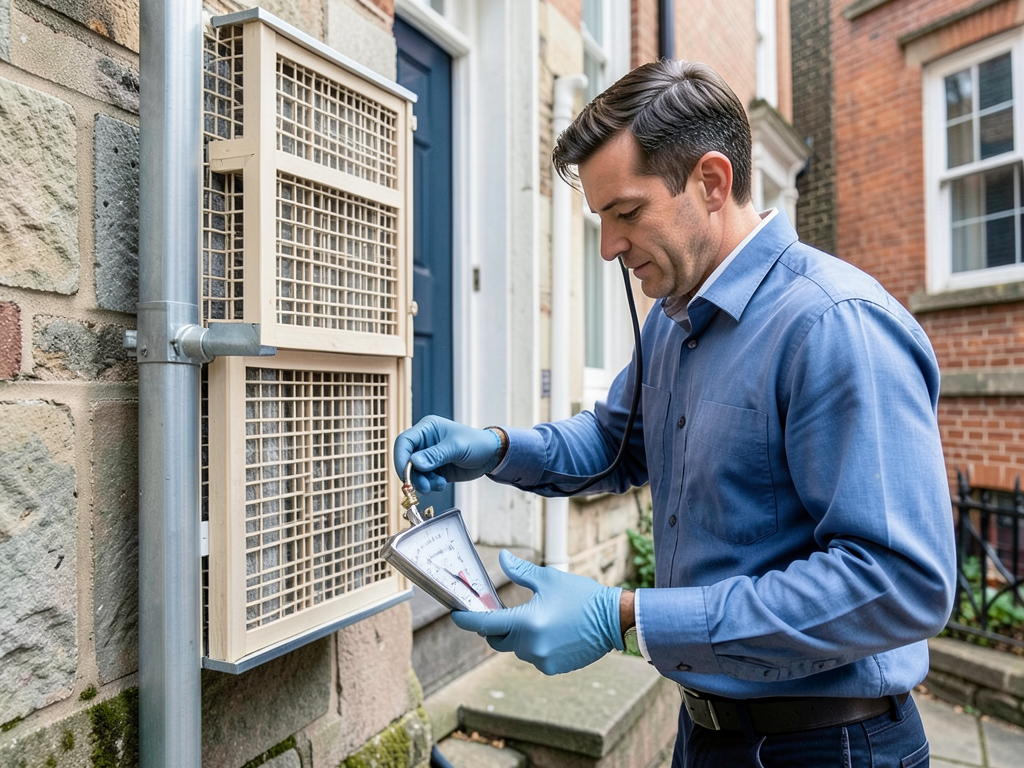
We also test draft pressure. Your furnace relies on negative pressure to pull exhaust gases up the flue. We measure draft with a manometer. Insufficient draft means gases spill into your living space instead of venting outdoors. Common causes include blocked chimney caps, disconnected vent pipes, or improperly sized flue systems.

Patriot HVAC Washington DC follows ANSI Z21.47 testing standards. We document every reading, photograph failed components, and provide a written report you can submit to insurance or use for code compliance. We do not leave until the source is identified and you understand the repair required.

What Happens During Your Emergency CO Response

Emergency Carbon Monoxide Leak Detection in Washington, D.C. – Expert Response in Under 60 Minutes
01

Immediate Safety Assessment

Our technician arrives in under 60 minutes and immediately measures ambient CO concentrations in every room using a calibrated digital analyzer. If concentrations exceed nine ppm, we recommend evacuation until source identification is complete. We map readings on a floor plan to identify concentration patterns and narrow down probable source locations before touching any equipment.
02

Source Identification Testing

We test every combustion appliance individually. Your furnace, water heater, gas range, and fireplace all produce carbon monoxide during normal operation. We measure flue gas concentrations, check draft pressure, inspect heat exchangers with a thermal camera, and verify proper combustion air supply. This diagnostic process takes 45 to 90 minutes depending on equipment count and accessibility.
03

Repair and Clearance Verification

Once we locate the failed component, we explain the repair required and associated costs. Most emergency carbon monoxide leaks stem from cracked heat exchangers, disconnected vent pipes, or blocked flues. After repair completion, we re-test ambient air concentrations and verify safe readings below two ppm in all living spaces before declaring your home safe for occupancy.

Why D.C. Homeowners Trust Patriot HVAC for CO Emergencies

Carbon monoxide emergencies require immediate response and accurate diagnosis. You cannot afford guesswork when your family's safety depends on finding the leak source tonight.

Patriot HVAC Washington DC maintains response vehicles stationed in Northeast, Northwest, and Southeast quadrants. When you call, our dispatcher identifies the closest available technician and commits to an arrival time. We average 47 minutes from call to on-site arrival for emergency CO leak inspection within District boundaries.

Our technicians carry professional-grade detection equipment in every truck. We do not rely on consumer detectors or visual inspections. We use calibrated Bacharach analyzers that measure concentrations down to one ppm. This precision matters because carbon monoxide accumulates gradually. A furnace with a small crack might produce 15 ppm in your basement. That concentration will not trigger your alarm, but chronic exposure causes neurological damage over weeks.

D.C.'s building codes require specific venting standards for fuel-burning appliances. Many older homes have been renovated without updating venting systems to match new equipment. A contractor might install a high-efficiency furnace but reuse the original masonry chimney. High-efficiency furnaces produce cooler exhaust that lacks the buoyancy to draft properly in oversized chimneys. This creates spillage and carbon monoxide infiltration.

We understand these local complications. We have diagnosed CO leaks in historic Foggy Bottom rowhomes with shared chimneys, garden apartments in Columbia Heights with basement furnace rooms, and Craftsman bungalows in Brightwood with unsealed crawlspaces. Every building type presents unique challenges.

Patriot HVAC Washington DC also coordinates with D.C. Fire and EMS when necessary. If your home was evacuated, we provide documentation to fire marshals confirming repairs and safe re-entry conditions. We know the local protocols and work within the established safety framework to get you back home fast.

What to Expect from Our Emergency CO Detection Service

Arrival Time and Availability

We dispatch emergency carbon monoxide testing technicians 24 hours a day, 365 days a year. When you call, you speak to a live dispatcher who commits to an arrival window. Our average response time for District properties is under 60 minutes. We prioritize CO emergencies above all other service calls because delayed response increases health risks. Our technicians carry full diagnostic equipment in every vehicle, so we do not need to return to the shop for tools or analyzers. You get complete testing on the first visit, not a preliminary inspection followed by a return trip.

Diagnostic Testing Methodology

Professional CO leak inspection follows a systematic protocol. We measure ambient concentrations in every room, test each combustion appliance individually, check draft pressure in all flue systems, and inspect heat exchangers for cracks or corrosion. We use thermal imaging cameras to identify temperature anomalies that indicate failed heat exchanger sections. We document every reading and photograph failed components. You receive a written report explaining the source, measured concentrations, and required repairs. This documentation is critical if you need to file an insurance claim or provide evidence to a landlord.

Repair and Resolution

We carry common repair parts in our trucks. If your leak stems from a disconnected vent pipe, failed draft inducer, or clogged flue cap, we can often complete repairs the same night. Heat exchanger cracks require furnace replacement because heat exchangers are not field-serviceable components. We explain your options, provide transparent pricing, and never pressure you into unnecessary equipment upgrades. Our goal is safe operation, not upselling. After repairs, we re-test ambient air to verify concentrations below two ppm in all living spaces before clearing your home for occupancy.

Follow-Up and Prevention

Carbon monoxide leaks indicate underlying equipment failure. After emergency repairs, we recommend scheduling a comprehensive furnace inspection within 30 days. This follow-up visit includes combustion analysis, gas pressure testing, and heat exchanger inspection to verify long-term safe operation. We also educate you on warning signs like soot buildup, yellow burner flames, or excessive condensation near your furnace. These symptoms indicate incomplete combustion and potential CO production. Patriot HVAC Washington DC offers annual maintenance plans that include combustion testing and CO leak screening to catch problems before they become emergencies.

Frequently Asked Questions

You Have Questions,
We Have Answers

How do you know if carbon monoxide is leaking? +

You cannot see, smell, or taste carbon monoxide. The only reliable detection method is a functioning CO detector that sounds an alarm when levels exceed safe thresholds. Physical symptoms like sudden headaches, dizziness, nausea, or flu-like symptoms in multiple household members signal potential exposure. If your CO alarm sounds, evacuate immediately and call 911. In Washington, D.C. rowhomes and older heating systems, the risk increases during winter months when furnaces run constantly. Never ignore symptoms or a sounding alarm. Get everyone outside into fresh air and let professionals test your home before re-entering.

What's the most common household thing to cause a carbon monoxide leak? +

Your furnace is the most common source of carbon monoxide leaks in Washington, D.C. homes. Cracked heat exchangers, blocked flue pipes, or improper combustion create dangerous CO buildup. In Georgetown and Capitol Hill rowhomes, aging gas furnaces pose higher risks due to decades of use without proper maintenance. Gas water heaters rank second, followed by gas ranges and dryers. Washington's high humidity accelerates corrosion in furnace components, increasing failure rates. Annual furnace inspections catch cracks before they leak deadly gas. If your furnace is over 15 years old, have it checked immediately.

What are two warning signs of carbon monoxide in a house? +

The sounding of your carbon monoxide detector is the first and most critical warning sign. Second, watch for sudden flu-like symptoms in multiple family members that improve when you leave the house. Headaches, dizziness, confusion, and nausea appearing simultaneously in different people indicate CO exposure, not illness. In Washington, D.C. winters, residents often mistake CO poisoning for seasonal flu. Other signs include yellow or orange furnace flames instead of blue, soot buildup around appliances, or excess moisture on windows near gas equipment. If you notice any combination of these, evacuate and call for emergency help.

Should a carbon monoxide detector be placed high or low? +

Install carbon monoxide detectors at breathing height, typically on walls five feet from the floor or on bedroom ceilings. CO mixes evenly with air rather than rising like smoke or sinking like propane. In Washington, D.C. multi-level rowhomes, place detectors on every floor, especially near bedrooms where you sleep and cannot smell danger. Mount units at least 15 feet from fuel-burning appliances to prevent false alarms from normal startup emissions. Avoid placing detectors in bathrooms, kitchens, or near windows where humidity and drafts cause malfunctions. Test monthly and replace batteries twice yearly.

How long can you live in a house with a carbon monoxide leak? +

This depends on concentration levels, but even low-level exposure over hours can kill you. At 400 parts per million, death occurs within three hours. At 1,600 ppm, death happens in one hour. At 6,400 ppm, you die in 15 minutes. You cannot safely remain in a home with any CO leak. Sleeping victims never wake up because carbon monoxide causes unconsciousness before you realize danger. In Washington, D.C. rowhomes with shared walls, leaks can migrate between units, endangering neighbors. The only safe response is immediate evacuation when your detector sounds. Never try to locate the source yourself.

Can you test carbon monoxide with your phone? +

No reliable smartphone apps detect carbon monoxide. Some claim to analyze symptoms or use sensors, but these are dangerously inaccurate. Carbon monoxide detection requires electrochemical or metal oxide sensors that smartphones do not contain. You need a UL-listed plug-in or battery-powered CO detector meeting current safety standards. In Washington, D.C., many residents rely on combination smoke and CO detectors that provide dual protection. Digital displays showing real-time CO levels offer added safety over basic alarm-only units. Never depend on apps or DIY methods for something this deadly. Proper detectors cost 30 to 50 dollars and save lives.

How can I test for CO in my home? +

Purchase UL-listed carbon monoxide detectors and install them on every level of your home, especially near sleeping areas. Test detectors monthly using the test button. For professional verification, HVAC technicians use calibrated electronic analyzers that measure exact CO concentrations in parts per million. During furnace tune-ups, technicians test combustion efficiency and check flue gases for carbon monoxide presence. In Washington, D.C., schedule annual inspections before heating season starts. If you suspect a leak now, evacuate immediately and call 911. The fire department will test your home with professional-grade equipment and clear it for re-entry only when safe.

How long does it take for a stove to be on to cause carbon monoxide poisoning? +

A properly functioning gas stove produces minimal carbon monoxide and should never cause poisoning during normal cooking. Problems arise when you use your stove for heating, which creates dangerous CO levels within hours in enclosed spaces. Blocked burners, yellow flames, or using the oven with the door open for warmth all accelerate carbon monoxide buildup. In Washington, D.C. studio apartments and older homes with poor ventilation, CO can reach lethal levels in two to four hours when stoves run continuously for heat. Never use kitchen appliances for space heating. If your stove shows yellow flames, stop using it and call for repairs immediately.

What can falsely set off a carbon monoxide detector? +

High humidity, hydrogen gas from battery charging, and methane from sewage can trigger false alarms. In Washington, D.C. where humidity exceeds 70 percent in summer, moisture condensation inside detectors causes erratic readings. Detectors placed too close to furnaces or water heaters detect normal startup emissions and alarm unnecessarily. Aerosol sprays, paint fumes, and cleaning chemicals containing methylene chloride also trigger sensors. Aging detectors beyond their five to seven-year lifespan lose calibration and false alarm frequently. If your detector sounds, always evacuate first and investigate after professionals clear your home. Never assume it is false without confirmation.

How quickly do you feel the effects of carbon monoxide poisoning? +

At moderate levels around 200 parts per million, you feel headache and dizziness within two to three hours. At higher concentrations, symptoms appear within 30 minutes. At extreme levels above 1,000 ppm, you lose consciousness in minutes and die quickly. Symptoms begin subtly, mimicking flu or fatigue, making carbon monoxide especially dangerous at night when you sleep through warning signs. In Washington, D.C. rowhomes with gas heating, families often experience simultaneous symptoms during cold snaps when furnaces run constantly. Children and elderly residents feel effects faster than healthy adults. If multiple people feel sick suddenly, evacuate immediately and call 911.

Why D.C.'s Historic Rowhomes Require Specialized CO Detection

Washington, D.C.'s urban architecture creates unique carbon monoxide risks. Row construction means shared walls and interconnected chimney systems. A leak in one unit can migrate through shared masonry to adjacent properties. Capitol Hill and Shaw neighborhoods contain thousands of attached homes built between 1880 and 1930 with shared flue systems serving multiple units. Modern renovations often seal these homes tighter for energy efficiency, but improved insulation eliminates natural air infiltration that once diluted carbon monoxide concentrations. Professional CO gas detection service must account for these structural complications and test for cross-contamination from neighboring units.

D.C.'s Department of Buildings enforces strict combustion appliance codes, but enforcement focuses on new construction. Existing homes receive minimal oversight unless a complaint triggers inspection. This regulatory gap means thousands of properties operate with outdated venting systems that fail modern safety standards. Patriot HVAC Washington DC understands local building codes and Historic Preservation Review Board requirements for properties in historic districts. We provide code-compliant repairs that satisfy both safety standards and preservation guidelines. When you need urgent carbon monoxide check services in a protected historic property, we know how to navigate the approval process while prioritizing your immediate safety.
HVAC Services in The Washington DC Area

Easily locate Patriot HVAC and explore our service area on the map below. We are strategically positioned to provide prompt and efficient heating, ventilation, and air conditioning services across Washington D.C. and its neighboring communities. Whether you're seeking a quick repair or a new installation, our team is ready to serve your comfort needs.

Address:
Patriot HVAC Washington DC, 20 F St NW, Washington, DC, 20001

Additional Services We Offer

Our news updates

Latest Articles & News from The Blogs

The Best Air Filter Upgrades for Georgetown Homes with Sensitive Historic Woodwork Georgetown's Federal-style rowhouses and Victorian homes need special…

The Best Air Filter Upgrades for Georgetown Homes with Sensitive Historic Woodwork

The Best Air Filter Upgrades for Georgetown Homes with Sensitive Historic Woodwork Georgetown's Federal-style rowhouses and Victorian homes need special…

The Best Air Filter Upgrades for Georgetown Homes with Sensitive Historic Woodwork

The Best Air Filter Upgrades for Georgetown Homes with Sensitive Historic Woodwork Georgetown's historic rowhouses and Federal-style homes face a…

The Best Air Filter Upgrades for Georgetown Homes with Sensitive Historic Woodwork

The Best Air Filter Upgrades for Georgetown Homes with Sensitive Historic Woodwork Georgetown's historic rowhouses and Federal-style homes feature exquisite…

Contact Us

Do not wait. Carbon monoxide exposure causes permanent damage. Call Patriot HVAC Washington DC now at (771) 218-6322 for immediate dispatch. Our technicians arrive in under 60 minutes with professional testing equipment to locate your leak and protect your family tonight.