


Alexandria sits in a brutal climate zone for heating and cooling equipment. Summer humidity off the Potomac River pushes air conditioners into overtime, forcing compressors to cycle constantly and drain lines to clog with condensation. Winter freezing rains create ice damage on outdoor units, while the mid-Atlantic freeze-thaw cycle stresses ductwork in older homes throughout Old Town and Del Ray.
Historic Alexandria properties built before modern HVAC standards often have undersized ductwork, inadequate insulation in crawl spaces near the waterfront, and aging systems jury-rigged into century-old rowhouses. Newer construction in Carlyle and Eisenhower East demands high-efficiency systems to meet Virginia energy codes, but these advanced units require technicians who understand variable-speed compressors and smart thermostats.
The city's mix of federal workers, military families from Fort Belvoir, and long-term residents means HVAC needs range from quick fixes on rental properties to full system upgrades in forever homes. Summer storms knock out power across Alexandria, causing surge damage to circuit boards and capacitors. Spring pollen clogs outdoor coils. Fall leaves block condensate drains. Your system never gets a break, which is why emergency calls spike here harder than surrounding areas.
Patriot HVAC Washington DC operates with one rule: tell the truth about what's broken and fix it fast. We dispatch technicians to Alexandria homes within two hours of your call because we know a broken air conditioner in July or a dead furnace in January is not something you can wait on. Our trucks carry the parts that fail most often in this region, which means we complete most repairs on the first visit without return trips or delays.
We price every job upfront before work starts. No hidden fees. No surprise charges after we finish. You know the cost, you approve it, and we get to work. If we find something during the repair that changes the scope, we stop and discuss it with you first. Our technicians are paid salary, not commission, so they have zero incentive to upsell you on equipment you do not need.
Alexandria homeowners call us back because we show up when we say we will, we explain what failed and why, and we stand behind our work with real guarantees. We have repaired systems in Victorian homes in Old Town, replaced ductwork in Parker Gray bungalows, and installed new heat pumps in Rosemont condos. Every neighborhood in Alexandria has different challenges, and we have seen them all. Our team knows which brands hold up in this climate, which shortcuts previous contractors took that will cause you problems later, and how to work within the constraints of older homes without tearing apart your walls.

We answer our phones 24 hours a day, every day. No answering service. No waiting until Monday. When your system fails at midnight or on a holiday, we dispatch a technician immediately. Most Alexandria homes get service within two hours of calling because we keep crews ready across the metro area.

We diagnose the problem, tell you exactly what it will cost to fix, and wait for your approval before starting work. No hourly rates that climb while we work. No surprise bills. You know the price before we touch your system, and that price does not change unless you ask for additional work.
Our trucks carry the components that fail most often in Alexandria systems. Capacitors, contactors, thermostats, circuit boards, drain pumps, and blower motors are already on the truck when we arrive. We complete most repairs the same day without ordering parts or making you wait in the heat or cold for days.
We work in every Alexandria neighborhood regularly and understand the specific challenges each area presents. Historic home constraints, waterfront humidity issues, newer construction code requirements, and the quirks of every major system brand installed across the city. Local knowledge means faster diagnosis and better solutions for your home.
Patriot HVAC Washington DC handles every type of heating and cooling need in Alexandria homes, from middle-of-the-night emergency breakdowns to planned system replacements and seasonal maintenance. We repair all major brands including Carrier, Trane, Lennox, Rheem, Goodman, and York. Our technicians diagnose central air systems, heat pumps, gas furnaces, electric heating, ductless mini-splits, and hybrid systems.
Whether you need emergency AC service on a summer weekend, a furnace repair before a winter storm, or a full HVAC installation in a home renovation, we handle it with the same focus on speed and quality. We break our services into three main areas based on urgency and scope. Emergency repairs get same-day response because your comfort and safety cannot wait. Planned installations and replacements get scheduled at your convenience with detailed proposals. Maintenance and tune-ups prevent breakdowns before they happen and extend equipment life in Alexandria's demanding climate.
Your air conditioner stopped cooling in July. Your heat died at midnight in January. Your system is making a grinding noise that woke you up. We dispatch immediately for same-day emergency AC repair, furnace repair, heat pump service, and system diagnostics. Our technicians arrive with parts already on the truck to fix failed compressors, broken blower motors, tripped circuit breakers, frozen coils, and clogged drain lines. We restore your comfort fast with upfront pricing and repairs that last.
Your system is beyond repair, wildly inefficient, or you are renovating your Alexandria home. We design and install complete central air systems, heat pumps, gas furnaces, ductless mini-splits, and hybrid heating solutions sized correctly for your home. Every installation includes load calculations, ductwork inspection, permits, and warranty registration. We handle Old Town historic homes requiring special considerations and new construction demanding high-efficiency equipment. You get honest recommendations on brands and models that perform well in this climate without overselling.
Regular maintenance stops problems before they strand you without heating or cooling. Our tune-ups include cleaning outdoor coils clogged with pollen and debris, checking refrigerant levels, testing capacitors and contactors that fail frequently, inspecting ductwork for leaks, replacing filters, and calibrating thermostats. Spring AC tune-ups prepare your system for Alexandria's humid summers. Fall furnace maintenance ensures your heat works when temperatures drop. Planned service costs far less than emergency repairs and extends your equipment lifespan by years.
Alexandria's climate and housing stock create specific patterns of HVAC failure. Humidity from the Potomac River accelerates corrosion on outdoor condensing units, particularly in waterfront neighborhoods like Old Town and along the George Washington Parkway. Summer heat waves push air conditioners past their design limits, causing compressor failures and capacitor burnouts across the city.
Older homes in Del Ray, Rosemont, and Parker Gray have undersized ductwork installed decades ago for smaller, less powerful equipment. When homeowners upgrade to modern high-efficiency systems without upgrading ducts, airflow restrictions cause premature equipment failure and uneven cooling. Historic properties often lack proper insulation and air sealing, forcing HVAC systems to run constantly and wear out faster.
Power surges from summer thunderstorms damage circuit boards and control modules. Clogged condensate drains from humid conditions cause water damage and emergency shutdowns. Frozen coils from dirty filters or low refrigerant leave homes without cooling during heat waves. These issues spike during extreme weather when you need your system most, which is why fast diagnosis and having the right parts on hand matters in Alexandria.
Your AC runs constantly but the house stays hot. Low refrigerant from leaks, failed compressors, frozen evaporator coils, or dirty outdoor condensers cause this. Alexandria heat waves push systems hard, and weak components fail fast. We diagnose the root cause, not just add refrigerant and leave. Proper repairs restore cooling capacity and prevent repeat failures.
Your furnace clicks but will not start, or it runs but produces weak heat. Failed igniters, dirty flame sensors, cracked heat exchangers, or gas valve problems cause heating failures. Older furnaces in Alexandria homes often have rust and corrosion from years of humid summers sitting idle. We test all safety systems during repair because a cracked heat exchanger poses carbon monoxide risk.
Water drips from your indoor air handler or pools around the furnace. Clogged condensate drain lines from Alexandria humidity, failed drain pumps, or frozen evaporator coils cause water damage fast. We clear blockages, replace pumps, and fix the airflow or refrigerant issues that cause coils to freeze. Ignoring leaks leads to ceiling damage, mold growth, and ruined drywall.
Grinding, squealing, banging, or clicking sounds mean something is failing now. Worn blower bearings, loose fan blades, failing compressors, or bad capacitors make noise before they die completely. We diagnose the sound source and fix it before minor problems become major failures. Waiting turns a cheap repair into an expensive emergency replacement when components seize or break apart.
When you call Patriot HVAC Washington DC for service in Alexandria, you talk to someone immediately who can help. No phone trees. No waiting for callbacks. We ask what is wrong, when it happened, and what type of system you have. If it is an emergency, we dispatch a technician right away. If you want to schedule service, we offer same-day or next-day appointments that fit your schedule.
Our technician arrives in a marked truck with diagnostic equipment and common repair parts already loaded. We do not show up empty-handed and use your problem as an excuse to drive back to the shop for parts. The technician introduces themselves, listens to what you have experienced, and begins systematic diagnosis. We test components, check refrigerant levels, inspect electrical connections, and measure airflow. When we find the problem, we explain what failed, why it happened, and what it will cost to fix before touching anything. You approve the work, we complete it, and we test the system to confirm it operates correctly. You get a detailed invoice showing exactly what we did and a warranty on parts and labor.
Our technicians use testing equipment to identify the exact failure, not guess. We measure voltages, test capacitors, check refrigerant pressures, and inspect components systematically. Once we find the problem, we explain it in plain language without technical jargon. You understand what broke, why it matters, and what happens if you delay the repair. We answer questions directly and show you the failed part when possible.
You get the total cost in writing before we start the repair. This price includes labor, parts, testing, and cleanup. No surprise charges. No hidden fees. If you approve the price, we proceed immediately. If the price does not work for you, we explain your options including temporary fixes or payment plans. You never feel pressured or rushed into a decision about your Alexandria home.
After we replace the failed component, we test your entire system to confirm proper operation. We check temperatures, airflow, electrical draw, and safety controls. You see the system running correctly before we leave. We clean up our work area completely and haul away any old parts. Your invoice details the work completed, parts installed with model numbers, and the warranty covering the repair.
We keep HVAC service straightforward because you have better things to do than manage contractors. Three clear steps from your call to restored comfort.
Contact Patriot HVAC Washington DC at (771) 218-6322 anytime, day or night. Describe your HVAC problem, and we dispatch a technician to your Alexandria home immediately for emergencies or schedule a convenient appointment for planned service. We confirm arrival time and send technician details before they head your way. You know exactly when to expect us.
Our technician arrives, examines your system, and identifies the problem using diagnostic testing. We explain what failed, show you the issue when possible, and provide a fixed price for the repair. You approve the work, and we complete it immediately using parts already on our truck. Most Alexandria repairs finish the same day without waiting for parts orders or return visits.
We complete the repair, test your system thoroughly to confirm proper operation, and verify you have heating or cooling restored. You receive a detailed invoice and warranty information. We answer any questions about maintaining your system or preventing future problems. Your comfort is back, and you know exactly what we did and why it works.
HVAC work in Alexandria falls under Virginia Uniform Statewide Building Code enforcement by the city's Code Administration Bureau. All system replacements and substantial alterations require mechanical permits, load calculations per ACCA Manual J standards, and final inspection before you can legally operate new equipment. Refrigerant handling requires EPA Section 608 certification, and technicians must recover existing refrigerant before opening any sealed system.
Alexandria adopted energy efficiency requirements that exceed federal minimums. New air conditioning installations must meet 14 SEER minimum ratings, while heat pumps require 8.2 HSPF for heating efficiency. Gas furnaces must achieve 80 percent AFUE or higher. These standards affect equipment selection and installation methods, particularly in historic properties where meeting code while preserving architectural features requires careful planning.
Ductwork installations and modifications must meet ACCA Manual D sizing protocols and Virginia amendments to IMC duct construction standards. Proper duct sizing prevents the airflow restrictions that plague many Alexandria homes where previous contractors installed undersized returns or used flex duct incorrectly. Supply registers must deliver conditioned air to all occupied spaces, and return air pathways must provide adequate circulation without creating pressure imbalances.
Safety codes require carbon monoxide detectors within 10 feet of sleeping areas in homes with fuel-burning appliances. Condensate drain lines must terminate properly outside the building envelope with appropriate traps and cleanouts. Electrical disconnects must be installed within sight of outdoor condensing units. These requirements exist because improper HVAC work causes house fires, carbon monoxide poisoning, water damage, and premature equipment failure.
Proper HVAC sizing requires Manual J load calculations accounting for Alexandria climate zone, home square footage, insulation levels, window types, occupancy, and internal heat gains. Oversized equipment cycles frequently and fails early. Undersized systems run constantly and never reach comfort. We calculate loads before recommending equipment to ensure your system matches your home's actual needs.
System replacement costs vary based on equipment efficiency ratings, capacity requirements, existing ductwork condition, electrical service adequacy, refrigerant line lengths, and installation complexity. Historic Alexandria homes often need ductwork modifications, electrical upgrades, or creative equipment placement. Higher efficiency equipment costs more upfront but reduces operating costs long-term through lower utility bills and fewer repairs.
Emergency repairs typically complete within two to four hours once our technician arrives with parts. Complete system replacements take one to three days depending on ductwork modifications, electrical work, and permit inspections. Historic home installations take longer due to access constraints and preservation requirements. We provide accurate timelines upfront and communicate any delays immediately if unexpected conditions arise.
Alexandria requires mechanical permits for system replacements, substantial ductwork modifications, and fuel gas line work. We pull permits, schedule inspections, and ensure work meets Virginia Uniform Statewide Building Code and local amendments. Unpermitted HVAC work creates liability issues during home sales and may void equipment warranties. Proper permitting protects your investment and ensures safety code compliance.
Educational video explaining common HVAC problems in Alexandria, Virginia homes including air conditioner failures, furnace issues, and humidity-related damage. Covers emergency AC repair costs, heating system diagnosis, and how to choose qualified HVAC contractors. Provides Alexandria homeowners with practical information about system maintenance, repair versus replacement decisions, and local climate factors affecting heating and cooling equipment performance.
Patriot HVAC Washington DC provides heating and air conditioning service throughout Alexandria, from the historic waterfront to suburban neighborhoods west of Route 1. We respond to emergency calls in Old Town's Federal-style rowhouses where tight quarters and preservation rules complicate equipment access. These homes often have window units or undersized central systems struggling to cool third-floor bedrooms during summer heat waves. We design creative ductwork solutions that deliver adequate airflow without damaging historic plaster or exposed brick.
Del Ray's Craftsman bungalows and Cape Cod homes frequently need ductwork upgrades when homeowners replace old furnaces with modern high-efficiency equipment. We have replaced systems in dozens of Del Ray properties and understand the common challenges: crawl space ductwork damaged by moisture, undersized return air paths, and inadequate insulation that wastes energy. Our installations account for these older home quirks while meeting current efficiency standards.
Rosemont and Beverley Hills feature mid-century homes with original HVAC systems reaching end of life. We handle complete system replacements in these neighborhoods regularly, upgrading from inefficient single-stage equipment to variable-speed systems that reduce energy bills substantially. Parker Gray's mix of historic and renovated properties demands flexibility in equipment selection and installation approaches. We have worked on everything from shotgun houses to modern infill construction.
Carlyle and Eisenhower East represent Alexandria's newer construction where builders sometimes cut corners on ductwork or install minimum-efficiency equipment. We upgrade these systems when homeowners want better performance and lower utility costs. Seminary Hill and upper King Street neighborhoods have larger homes requiring zoned HVAC systems for comfort control. We design and install multi-zone solutions that heat and cool different areas independently.
Waterfront areas near Potomac Yard and along the George Washington Parkway face humidity challenges that accelerate corrosion and mold growth. We recommend dehumidification solutions and corrosion-resistant components for these locations. Across all Alexandria neighborhoods, we understand local building constraints, architectural styles, and common HVAC problems specific to each area.
The $5000 rule helps you decide between repair and replacement. If your system age multiplied by repair cost exceeds $5000, replace it. For example, a 15-year-old unit needing a $400 repair equals $6000, suggesting replacement makes financial sense. Alexandria homeowners face high humidity and temperature swings that stress aging systems. This rule considers efficiency losses over time. Older units consume more energy and struggle with our muggy summers. A new system offers better humidity control and lower utility bills. Factor in local energy costs when making your decision. The rule provides a quick calculation, but duct condition and refrigerant type also matter.
Alexandria HVAC jobs vary widely based on scope. Simple repairs like thermostat replacement or capacitor fixes run lower, while compressor replacement or refrigerant leak repairs cost more. Full system replacements depend on tonnage, efficiency rating, ductwork condition, and home size. Most residential installs fall in the mid-range, but older Alexandria homes with outdated ductwork require additional work. Energy-efficient models cost more upfront but reduce utility bills in our humid climate. Commercial jobs run higher due to larger equipment and zoning requirements. Get multiple quotes that include labor, equipment, permits, and disposal fees. Avoid companies that provide estimates without inspecting your property.
A new HVAC system price depends on capacity, efficiency, and installation complexity. Alexandria homes require proper sizing due to our climate extremes. Higher SEER ratings cost more but deliver better humidity control and lower operating costs. Two-stage or variable-speed systems provide superior comfort in our muggy summers. Factor in ductwork modifications if your home has older metal ducts or poor insulation. Historic district homes may need custom solutions to preserve architectural integrity. Brand selection affects price, but installation quality matters more than equipment alone. Request itemized quotes covering equipment, labor, permits, disposal, and startup. Spring and fall typically offer better pricing than peak summer demand.
The $5000 rule helps you decide between repair and replacement. If your system age multiplied by repair cost exceeds $5000, replace it. For example, a 15-year-old unit needing a $400 repair equals $6000, suggesting replacement makes financial sense. Alexandria homeowners face high humidity and temperature swings that stress aging systems. This rule considers efficiency losses over time. Older units consume more energy and struggle with our muggy summers. A new system offers better humidity control and lower utility bills. Factor in local energy costs when making your decision. The rule provides a quick calculation, but duct condition and refrigerant type also matter.
Alexandria HVAC jobs vary widely based on scope. Simple repairs like thermostat replacement or capacitor fixes run lower, while compressor replacement or refrigerant leak repairs cost more. Full system replacements depend on tonnage, efficiency rating, ductwork condition, and home size. Most residential installs fall in the mid-range, but older Alexandria homes with outdated ductwork require additional work. Energy-efficient models cost more upfront but reduce utility bills in our humid climate. Commercial jobs run higher due to larger equipment and zoning requirements. Get multiple quotes that include labor, equipment, permits, and disposal fees. Avoid companies that provide estimates without inspecting your property.
A new HVAC system price depends on capacity, efficiency, and installation complexity. Alexandria homes require proper sizing due to our climate extremes. Higher SEER ratings cost more but deliver better humidity control and lower operating costs. Two-stage or variable-speed systems provide superior comfort in our muggy summers. Factor in ductwork modifications if your home has older metal ducts or poor insulation. Historic district homes may need custom solutions to preserve architectural integrity. Brand selection affects price, but installation quality matters more than equipment alone. Request itemized quotes covering equipment, labor, permits, disposal, and startup. Spring and fall typically offer better pricing than peak summer demand.
A 2000 square-foot house in Alexandria typically needs a three to four-ton system. Total project cost depends on existing ductwork condition, insulation levels, and efficiency selection. Older Alexandria homes with single-pane windows or poor insulation may need higher capacity. Two-story layouts require careful sizing to balance airflow between levels. Higher SEER ratings reduce summer cooling costs but increase upfront investment. Variable-speed systems handle humidity better than single-stage units. Factor in electrical panel upgrades if your home has older wiring. Ductwork sealing and insulation improve performance. Get a Manual J load calculation to confirm proper sizing for your specific home layout and orientation.
The Energy Efficient Home Improvement Credit allows deductions for qualifying HVAC systems in 2025. You can claim up to 30 percent of equipment and installation costs, with annual limits applying. The system must meet specific efficiency thresholds. Heat pumps, central air conditioners, and furnaces qualify if they exceed minimum SEER2 or HSPF2 ratings. Keep all receipts and manufacturer certification statements. Alexandria homeowners replacing older systems benefit most. The credit phases out after 2032, so timing matters. Consult a tax professional familiar with Virginia filing requirements. Combining this credit with utility rebates from your energy provider maximizes savings. Check manufacturer specifications before purchasing to confirm eligibility.
The three-minute rule protects your compressor from damage. After your air conditioner shuts off, wait at least three minutes before restarting it. This allows refrigerant pressure to equalize throughout the system. Starting too soon forces the compressor to work against high pressure, causing strain and potential failure. Alexandria homeowners cycling their thermostats frequently risk premature wear. Most modern systems have built-in delay timers, but older units lack this protection. If you lose power during summer storms, wait before restarting. Frequent short cycling indicates deeper problems like refrigerant leaks, faulty thermostats, or oversized equipment. This simple pause extends compressor life significantly.
A 1200 square-foot house in Alexandria needs a two to two-and-a-half-ton system. Total cost depends on ductwork condition, insulation quality, and equipment efficiency. Smaller homes allow more flexibility in equipment selection. Single-story layouts simplify installation compared to split levels. Higher SEER ratings reduce operating costs in our humid climate. Consider your ceiling height and window quality when sizing. Older Alexandria bungalows may have undersized ductwork requiring upgrades. Mini-split systems work well for historic homes without existing ducts. Proper sizing prevents short cycling and humidity problems. Get a load calculation specific to your home before purchasing. Installation quality affects comfort more than equipment brand alone.
Most HVAC systems last 15 to 20 years with proper maintenance. Alexandria humidity accelerates wear on outdoor units. Coastal proximity and temperature extremes stress components faster than moderate climates. Heat pumps typically wear sooner than traditional split systems because they run year-round. Furnaces last longer than air conditioners. Annual maintenance extends lifespan by catching problems early. Dirty filters force systems to work harder, reducing longevity. Quality installation matters more than brand name. Systems installed without proper refrigerant charge or airflow fail prematurely. Replace your system when repairs exceed half the replacement cost or efficiency drops below 10 SEER. Newer units offer better humidity control and lower bills.
Alexandria HVAC systems most commonly need refrigerant leak repairs, capacitor replacements, and thermostat fixes. High humidity corrodes electrical connections and damages capacitors. Drain line clogs cause water damage in summer. Dirty evaporator coils reduce efficiency and freeze up. Compressor failures happen in older units pushed hard by our climate. Blower motor issues reduce airflow. Contactor wear causes starting problems. Outdoor units collect debris and restrict airflow. Ductwork leaks waste conditioned air in attics. Thermostat calibration drift affects comfort. Annual maintenance catches these problems before they cause breakdowns. Filter changes every month during peak season prevent most airflow issues. Address strange noises immediately before minor problems become major failures.
October and November offer the best HVAC pricing in Alexandria. Contractors have lighter schedules after summer demand drops and before winter heating needs spike. You get better attention to installation details when crews are not rushed. Spring months also work well before cooling season starts. Avoid buying during July and August when demand peaks and prices rise. Emergency replacements during heat waves cost more due to limited availability. Planning ahead allows proper sizing calculations and multiple quotes. Off-season purchases give you leverage for better terms. Some manufacturers offer rebates during slower months. Book installation before peak season but take delivery during shoulder months. This strategy maximizes savings while ensuring your system works when you need it most.
A 2000 square-foot house in Alexandria typically needs a three to four-ton system. Total project cost depends on existing ductwork condition, insulation levels, and efficiency selection. Older Alexandria homes with single-pane windows or poor insulation may need higher capacity. Two-story layouts require careful sizing to balance airflow between levels. Higher SEER ratings reduce summer cooling costs but increase upfront investment. Variable-speed systems handle humidity better than single-stage units. Factor in electrical panel upgrades if your home has older wiring. Ductwork sealing and insulation improve performance. Get a Manual J load calculation to confirm proper sizing for your specific home layout and orientation.
The Energy Efficient Home Improvement Credit allows deductions for qualifying HVAC systems in 2025. You can claim up to 30 percent of equipment and installation costs, with annual limits applying. The system must meet specific efficiency thresholds. Heat pumps, central air conditioners, and furnaces qualify if they exceed minimum SEER2 or HSPF2 ratings. Keep all receipts and manufacturer certification statements. Alexandria homeowners replacing older systems benefit most. The credit phases out after 2032, so timing matters. Consult a tax professional familiar with Virginia filing requirements. Combining this credit with utility rebates from your energy provider maximizes savings. Check manufacturer specifications before purchasing to confirm eligibility.
The three-minute rule protects your compressor from damage. After your air conditioner shuts off, wait at least three minutes before restarting it. This allows refrigerant pressure to equalize throughout the system. Starting too soon forces the compressor to work against high pressure, causing strain and potential failure. Alexandria homeowners cycling their thermostats frequently risk premature wear. Most modern systems have built-in delay timers, but older units lack this protection. If you lose power during summer storms, wait before restarting. Frequent short cycling indicates deeper problems like refrigerant leaks, faulty thermostats, or oversized equipment. This simple pause extends compressor life significantly.
A 1200 square-foot house in Alexandria needs a two to two-and-a-half-ton system. Total cost depends on ductwork condition, insulation quality, and equipment efficiency. Smaller homes allow more flexibility in equipment selection. Single-story layouts simplify installation compared to split levels. Higher SEER ratings reduce operating costs in our humid climate. Consider your ceiling height and window quality when sizing. Older Alexandria bungalows may have undersized ductwork requiring upgrades. Mini-split systems work well for historic homes without existing ducts. Proper sizing prevents short cycling and humidity problems. Get a load calculation specific to your home before purchasing. Installation quality affects comfort more than equipment brand alone.
Most HVAC systems last 15 to 20 years with proper maintenance. Alexandria humidity accelerates wear on outdoor units. Coastal proximity and temperature extremes stress components faster than moderate climates. Heat pumps typically wear sooner than traditional split systems because they run year-round. Furnaces last longer than air conditioners. Annual maintenance extends lifespan by catching problems early. Dirty filters force systems to work harder, reducing longevity. Quality installation matters more than brand name. Systems installed without proper refrigerant charge or airflow fail prematurely. Replace your system when repairs exceed half the replacement cost or efficiency drops below 10 SEER. Newer units offer better humidity control and lower bills.
Alexandria HVAC systems most commonly need refrigerant leak repairs, capacitor replacements, and thermostat fixes. High humidity corrodes electrical connections and damages capacitors. Drain line clogs cause water damage in summer. Dirty evaporator coils reduce efficiency and freeze up. Compressor failures happen in older units pushed hard by our climate. Blower motor issues reduce airflow. Contactor wear causes starting problems. Outdoor units collect debris and restrict airflow. Ductwork leaks waste conditioned air in attics. Thermostat calibration drift affects comfort. Annual maintenance catches these problems before they cause breakdowns. Filter changes every month during peak season prevent most airflow issues. Address strange noises immediately before minor problems become major failures.
October and November offer the best HVAC pricing in Alexandria. Contractors have lighter schedules after summer demand drops and before winter heating needs spike. You get better attention to installation details when crews are not rushed. Spring months also work well before cooling season starts. Avoid buying during July and August when demand peaks and prices rise. Emergency replacements during heat waves cost more due to limited availability. Planning ahead allows proper sizing calculations and multiple quotes. Off-season purchases give you leverage for better terms. Some manufacturers offer rebates during slower months. Book installation before peak season but take delivery during shoulder months. This strategy maximizes savings while ensuring your system works when you need it most.
Easily locate Patriot HVAC and explore our service area on the map below. We are strategically positioned to provide prompt and efficient heating, ventilation, and air conditioning services across Washington D.C. and its neighboring communities. Whether you're seeking a quick repair or a new installation, our team is ready to serve your comfort needs.
Address:
Alexandria, DC, 22314
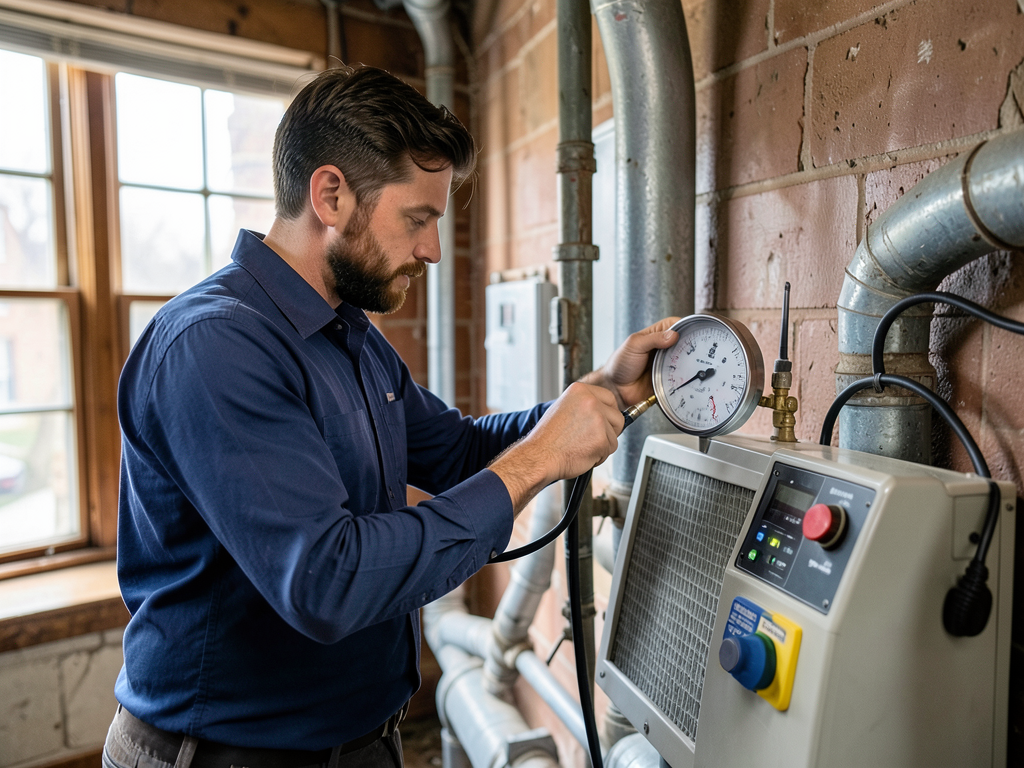
The Best Air Filter Upgrades for Georgetown Homes with Sensitive Historic Woodwork Georgetown's historic rowhouses feature irreplaceable wood trim, original hardwood floors, and intricate millwork that requires careful climate control. Standard air filters often create…
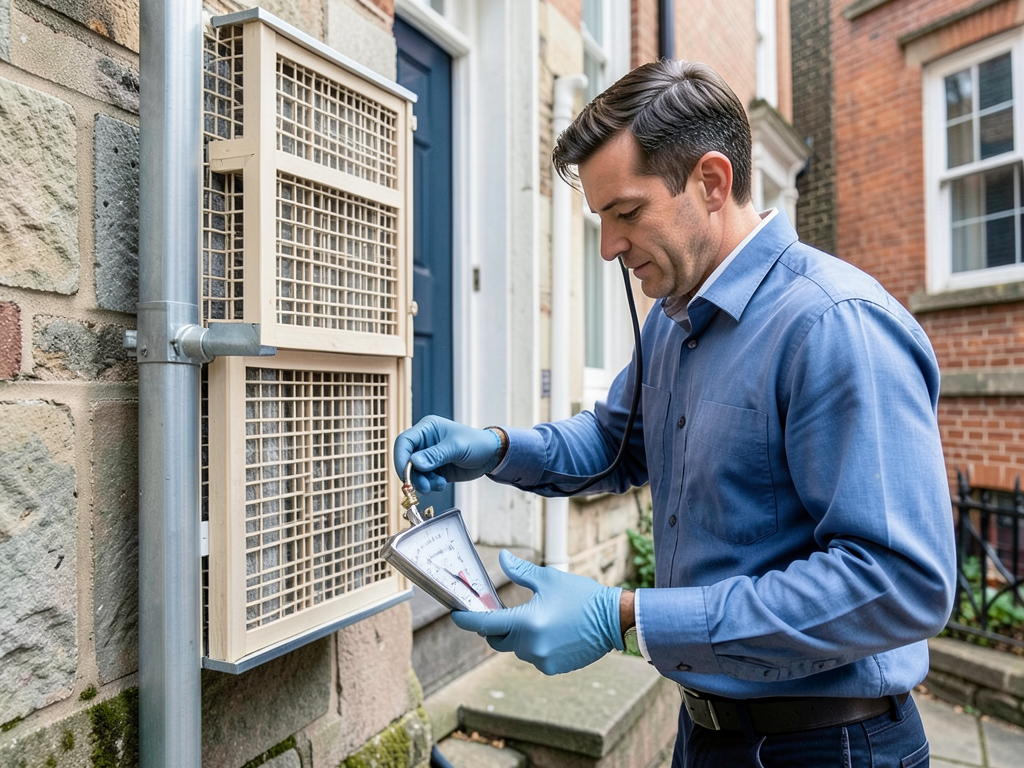
The Best Air Filter Upgrades for Georgetown Homes with Sensitive Historic Woodwork Georgetown's Federal-style rowhouses…
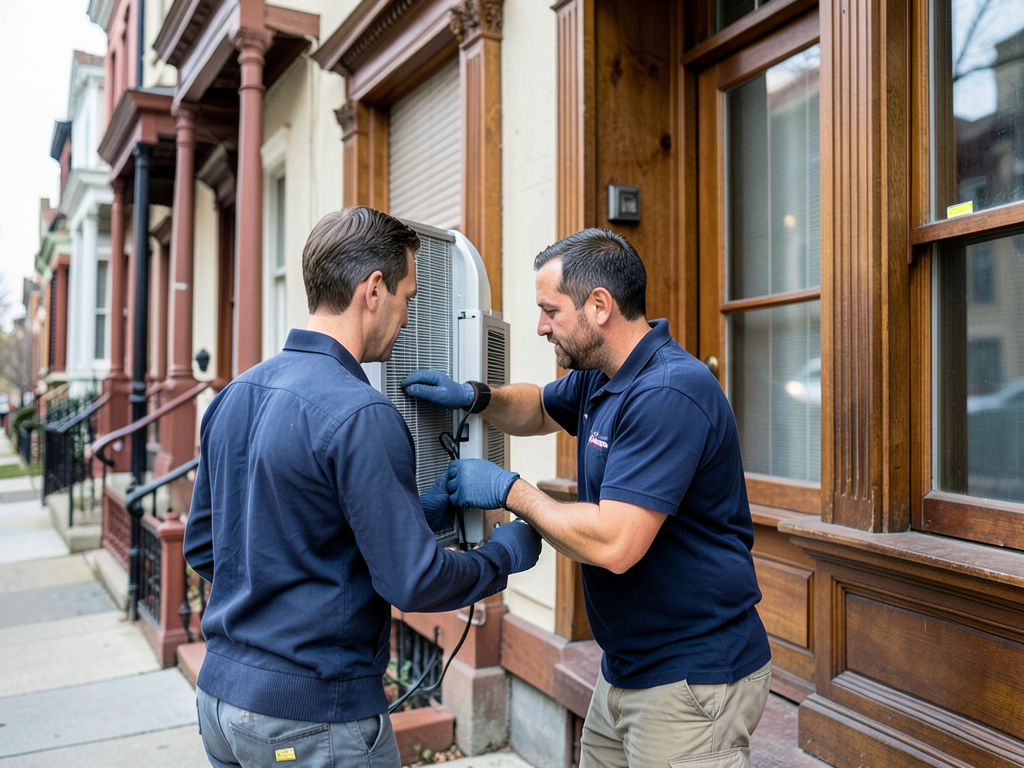
The Best Air Filter Upgrades for Georgetown Homes with Sensitive Historic Woodwork Georgetown's historic rowhouses…
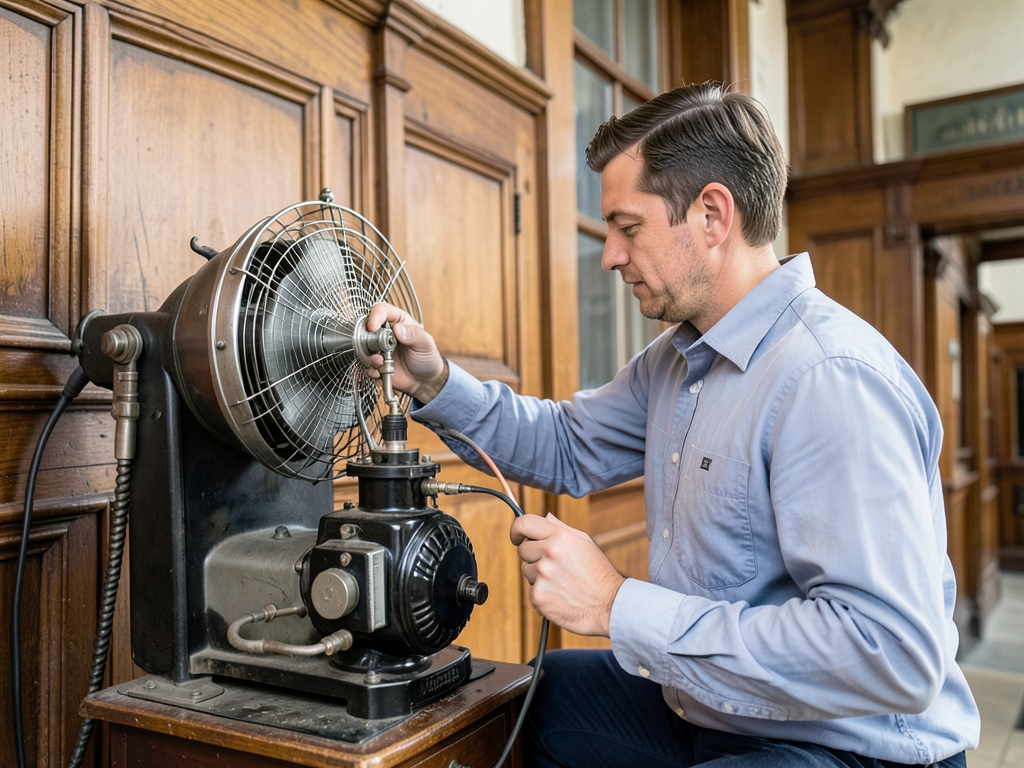
The Best Air Filter Upgrades for Georgetown Homes with Sensitive Historic Woodwork Georgetown's historic rowhouses…
Your comfort cannot wait. Call Patriot HVAC Washington DC now at (771) 218-6322 for immediate dispatch to your Alexandria home. We answer 24/7, provide upfront pricing, and complete most repairs the same day. Fast service, honest answers, and reliable repairs.