Menu

Weak Airflow from Vents in Washington, D.C. – Expert Diagnosis and Permanent Repair for Poor AC Performance

Our diagnostic process identifies the exact cause of reduced airflow from registers, whether it's a clogged filter, duct leak, blower failure, or undersized equipment, and we fix it right the first time for Washington, D.C. homes and businesses.

Slider Image 1
Slider Image 2
Slider Image 3
Slider Image 4
Slider Image 5
Slider Image 7
Slider Image 8
Slider Image 9
Slider Image 10
Slider Image 11

Why Your Vents Are Barely Blowing Air in Washington, D.C.

You walk up to a register expecting cold air and get a whisper. Low air pressure from vents is not just annoying. It's a symptom of a system failure.

Washington, D.C.'s humid summers push air conditioning systems to their limits. When you notice poor airflow from AC, the problem is usually hiding upstream. It could be a choked air filter starving the blower. It could be a refrigerant leak causing the evaporator coil to freeze and block airflow. It could be ductwork that was never sealed properly during installation, leaking conditioned air into your attic or crawlspace before it reaches the living space.

Little air coming out of vents also happens when the blower motor is failing or when the capacitor that powers it starts to weaken. In older D.C. rowhouses and multi-story buildings, undersized ductwork is common. The system runs, but the air never makes it through restrictive ducts. Reduced airflow from registers can also signal a closed or blocked damper, a crushed flexible duct in the attic, or a return air imbalance that prevents the system from pulling enough air to distribute.

If your AC is blowing weakly, you are wasting energy and losing comfort. The compressor works harder to cool the space, the system runs longer, and your electric bill climbs. Meanwhile, rooms stay warm and humidity builds. This is not something you wait out. Weak airflow accelerates wear on the entire system and shortens its lifespan.

Patriot HVAC Washington DC has seen every variation of this problem across Capitol Hill, Georgetown, Dupont Circle, and beyond. We know the difference between a simple fix and a system design flaw.

Why Your Vents Are Barely Blowing Air in Washington, D.C.
How We Diagnose and Restore Full Airflow

How We Diagnose and Restore Full Airflow

We do not guess. We measure.

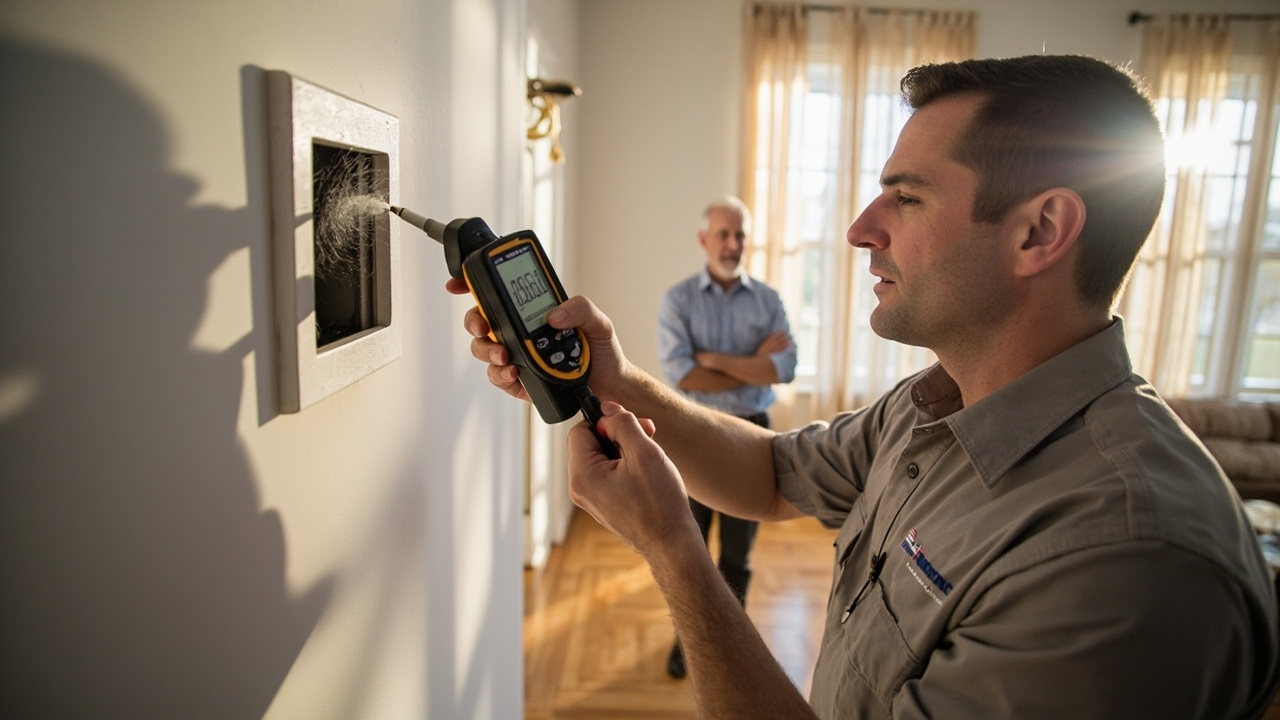
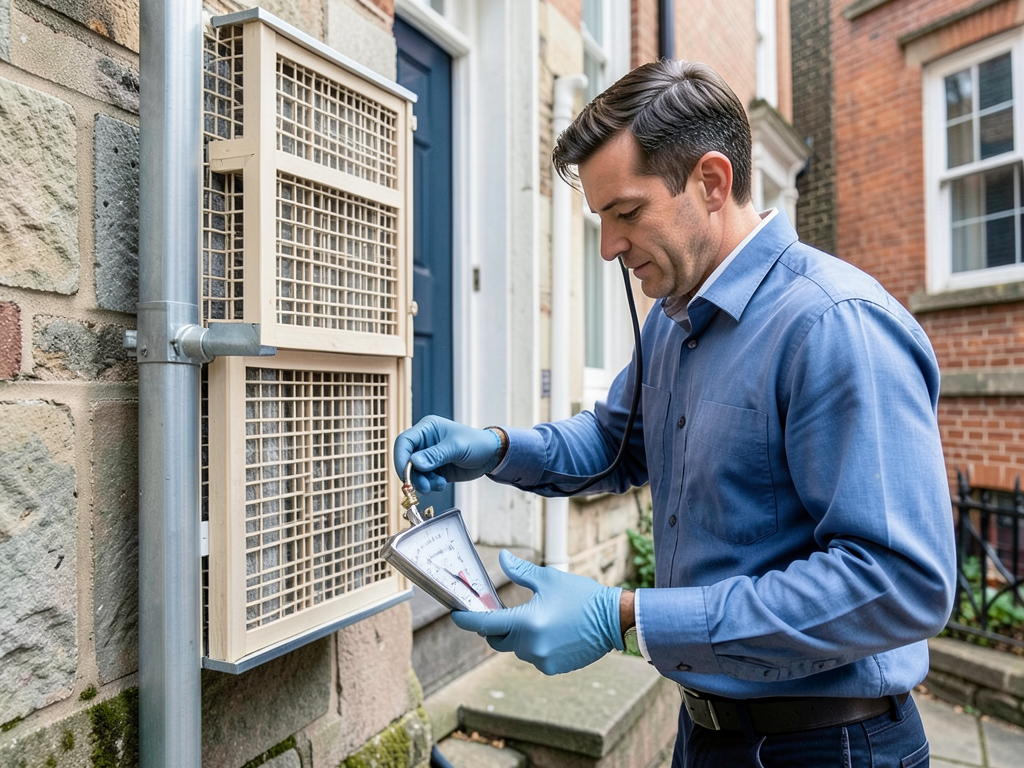
When you call us for weak airflow, we start with a static pressure test. This tells us if your ducts are restricting airflow, if the filter is clogged, or if the blower is undersized. We use a manometer to measure pressure drop across the filter, the coil, and the supply plenum. If static pressure is too high, we know the system is choking.

Next, we inspect the blower assembly. We check the blower wheel for dirt buildup, which reduces RPM and airflow. We test the capacitor with a multimeter to confirm it is delivering the correct microfarads. A weak capacitor causes the blower to spin slower, which directly reduces air velocity at the registers.

We also check the evaporator coil for ice. If the coil is frozen, airflow stops. We identify why it froze, whether it's low refrigerant, a dirty coil, or a failing expansion valve. We do not just thaw it and leave. We fix the root cause.

Ductwork inspection is critical in D.C. homes. We check for disconnected boots, torn flex duct, and open seams in the basement or attic. We use a duct blaster test to quantify leakage. If 30 percent of your conditioned air is leaking into unconditioned space, no amount of compressor capacity will fix your comfort problem.

We also verify damper positions and check for blockages in the return air path. If the system cannot pull enough air in, it cannot push enough air out. We balance the system by adjusting dampers and ensuring proper air distribution across all zones.

Our repairs are specific. If the blower motor is failing, we replace it with the correct horsepower and RPM rating. If ducts are leaking, we seal them with mastic and foil tape, not duct tape. If the system is undersized, we tell you.

What Happens During Our Airflow Restoration Service

Weak Airflow from Vents in Washington, D.C. – Expert Diagnosis and Permanent Repair for Poor AC Performance
01

System Performance Testing

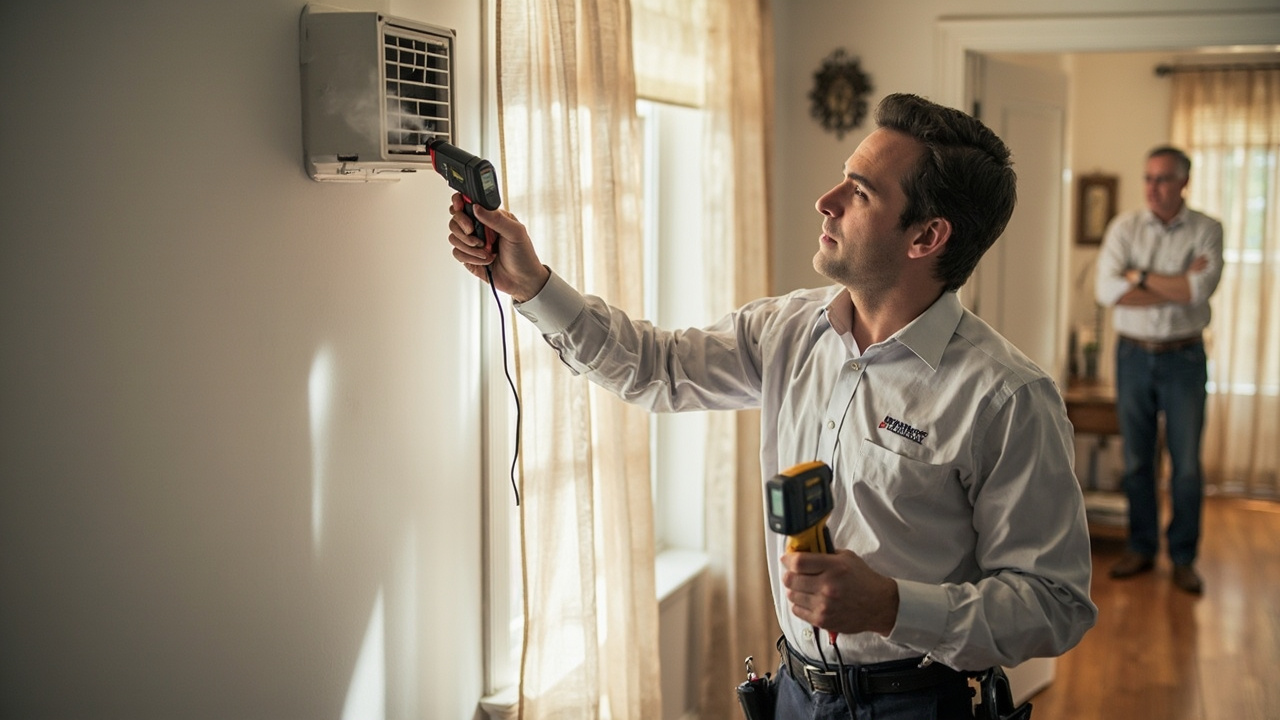
We arrive with diagnostic tools and start by measuring airflow at each register using a flow hood. We compare actual CFM to design specs. We test static pressure across the system to identify restrictions. We inspect the air filter, blower assembly, and evaporator coil for obstructions or wear. This data tells us exactly where the system is failing.
02

Root Cause Identification

Once we have the data, we trace the problem to its source. We check for duct leaks using visual inspection and pressure testing. We test the blower motor and capacitor with electrical meters. We verify refrigerant charge and inspect the coil for blockages or ice. We check damper positions and confirm the system is pulling adequate return air. We identify every bottleneck.
03

Repair and Verification

We make the necessary repairs, whether that means replacing a failed capacitor, sealing duct leaks, cleaning the blower wheel, or recharging refrigerant. After the repair, we retest airflow and static pressure to confirm the system is operating within manufacturer specifications. You feel the difference immediately. The air moves. The temperature drops. The system runs efficiently.

Why D.C. Homeowners Trust Us with Airflow Problems

Washington, D.C. has a unique housing stock. You have century-old rowhouses with retrofitted ductwork, mid-century split-levels with outdated air handlers, and modern condos with oversized equipment crammed into tight mechanical closets. Each building type presents different airflow challenges.

Patriot HVAC Washington DC has worked in all of them. We understand how older homes were adapted for central air, often with undersized ducts or poor layout. We know how newer construction sometimes sacrifices proper duct design for speed. We know the difference between a fixable problem and a design flaw that requires a system upgrade.

We also understand D.C.'s climate demands. Summers are humid, and the cooling season is long. If your system is not moving enough air, it cannot dehumidify effectively. You end up with a cold, damp house that feels worse than a warm one. Our fixes restore both temperature control and humidity management.

We do not sell unnecessary equipment. If your airflow problem is a clogged filter or a failed capacitor, we tell you that. If your ducts are undersized and the only real solution is a redesign, we tell you that too. We give you the information you need to make the right decision.

Our technicians are experienced with the building codes and mechanical requirements specific to the District. We pull permits when required, and we ensure all work meets current standards. We also understand the logistics of working in dense urban neighborhoods where access is tight and noise restrictions apply.

You are not getting a national chain. You are getting local technicians who have fixed airflow problems in Adams Morgan, Navy Yard, Foggy Bottom, and every other neighborhood in the city. We know the buildings. We know the systems. We know how to fix them.

What to Expect When You Call Us

Fast Scheduling and Response

We understand weak airflow impacts your comfort immediately. We offer same-day and next-day service appointments for most calls. When you contact us, we schedule a diagnostic visit at a time that works for you. Our technicians arrive on time with the tools needed to diagnose and repair most airflow problems in a single visit. We do not drag out the process. We diagnose, explain, and fix the problem quickly.

Thorough Diagnostic Process

Our diagnostic process is comprehensive. We test static pressure, measure airflow at the registers, inspect the blower assembly, check refrigerant levels, and examine ductwork for leaks or obstructions. We use calibrated instruments to gather objective data. After the assessment, we explain what we found in plain language. We show you the problem and explain the fix. You get a clear picture of what is wrong and what it will take to correct it.

Reliable and Lasting Repairs

We use quality parts and proven repair methods. When we replace a blower motor or capacitor, we use components that match or exceed OEM specifications. When we seal ducts, we use mastic and foil tape that lasts. Our goal is a permanent fix, not a temporary patch. After we complete the repair, we test the system to confirm airflow is restored and the equipment is operating correctly. You notice the difference immediately.

Ongoing Support and Maintenance

We offer maintenance plans that include filter changes, blower cleaning, and airflow checks to prevent future problems. Regular maintenance catches issues before they become failures. We also provide follow-up support if you have questions or concerns after the repair. Our goal is to keep your system running efficiently for years. If you need us, we are available. Preventive care is the best way to avoid weak airflow and extend the life of your equipment.

Frequently Asked Questions

You Have Questions,
We Have Answers

Why do I barely feel air coming out of my vents? +

Weak airflow from vents in Washington, D.C. homes stems from a few common culprits. A clogged air filter is the most frequent cause, restricting air movement through your system. Ductwork leaks are also common in older D.C. rowhouses and historic properties, where air escapes before reaching your vents. Closed or blocked supply registers, failed blower motors, or undersized ductwork can also starve rooms of conditioned air. In neighborhoods like Capitol Hill or Georgetown, aging duct systems often develop disconnections or collapses that cut airflow. Check your filter first, then inspect all vents. If the problem persists, you need a diagnostic from a technician who can measure static pressure and identify hidden duct issues.

Why is my AC not blowing hard through the vents? +

When your AC runs but airflow feels weak, you are dealing with either a restriction or a mechanical failure. Start with your air filter. Washington, D.C.'s high humidity and urban particulates clog filters faster than drier climates. A dirty filter chokes your blower, reducing velocity. Next, check your blower motor and capacitor. Capacitors fail frequently in D.C.'s hot summers, causing the blower to spin slowly or not at all. Duct leaks also rob pressure, especially in older homes with flex duct in crawlspaces. Closed dampers or collapsed ductwork in attics can block entire zones. If your filter is clean and registers are open, you need professional diagnostics to pinpoint the blockage or motor issue.

How to increase air flow in vents? +

Start by replacing your air filter. A clean filter improves airflow immediately. Open all supply registers fully, even in unused rooms, to balance system pressure. Remove furniture, drapes, or rugs blocking vents. Check your return air grilles for obstructions like dust buildup or closed dampers. In D.C. homes, especially older row houses, inspect accessible ductwork for disconnections or crushed flex duct. Seal visible duct leaks with mastic. If your blower speed is adjustable, increase it, but this can raise energy costs. Cleaning your evaporator coil and ductwork removes buildup that restricts flow. For persistent issues, a duct inspection with airflow testing identifies hidden restrictions or undersized ducts that need professional correction.

What is the $5000 AC rule? +

The 5000 dollar AC rule is a guideline for deciding whether to repair or replace your air conditioner. Multiply the age of your unit by the repair cost. If the result exceeds 5000, replacement is smarter financially. For example, if your 12-year-old system needs a 500 dollar compressor repair, that equals 6000, so replacement makes sense. In Washington, D.C., where high humidity taxes older units and efficiency standards have jumped, this rule helps you avoid throwing money at a dying system. Repairs on units over 10 years old often cascade into more failures. A new system offers better efficiency, lower humidity control, and reliability during brutal D.C. summers when breakdowns happen most.

What is the 3 minute rule for AC? +

The 3 minute rule prevents short cycling and compressor damage. After your AC shuts off, wait at least 3 minutes before restarting it. This delay allows refrigerant pressures to equalize between the high and low sides of your system. Restarting too quickly forces your compressor to start against high head pressure, which can trip breakers, blow fuses, or damage the compressor itself. In Washington, D.C.'s stop-and-go cooling demands, especially during muggy spring and fall days, thermostats may cycle frequently. If your system short cycles, check your thermostat placement, clean your filter, and ensure your evaporator coil is not frozen. Persistent short cycling needs professional diagnosis to prevent compressor failure.

How to tell if a house has poor ventilation? +

Poor ventilation shows up in several ways. You notice persistent stuffiness or stale odors that do not clear. Condensation forms on windows, especially in D.C.'s humid summers. Mold or mildew appears in bathrooms, basements, or closets. You experience headaches, fatigue, or respiratory irritation indoors. Hot and cold spots develop across rooms, indicating inadequate air circulation. In older D.C. rowhouses and historic homes, original ductwork may be undersized or deteriorated. Check if your bathroom and kitchen exhaust fans work. Inspect return air vents for blockages. If you lack adequate return air pathways, conditioned air cannot circulate properly. A blower door test or duct inspection reveals air leaks and ventilation deficiencies that compromise indoor air quality.

How do you fix a weak AC airflow? +

First, replace your air filter and ensure all vents are open. Check your outdoor unit. A dirty condenser coil reduces system efficiency and airflow. In Washington, D.C., pollen, cottonwood seeds, and urban debris coat coils quickly. Rinse it gently with a hose. Inspect your blower motor and capacitor. A failing capacitor causes weak blower performance. Look for duct disconnections or crushed flex duct in your attic or crawlspace. Seal visible leaks with mastic. If your evaporator coil is frozen, turn off the AC and let it thaw. Frozen coils indicate low refrigerant or airflow restrictions. For persistent weak airflow, a technician should measure static pressure and inspect the full duct system for hidden blockages or sizing issues.

Why is my AC set to 72 but reads 78? +

When your thermostat reads 78 but is set to 72, your AC cannot keep up with heat gain. In Washington, D.C., this happens when outdoor temps spike above 95 and your system is undersized or aging. Check your air filter first. A clogged filter chokes airflow and kills efficiency. Ensure your outdoor unit is not blocked by debris or vegetation. Low refrigerant from a leak prevents proper cooling. Duct leaks in attics or crawlspaces dump cold air before it reaches your rooms. Poor insulation or air sealing allows heat infiltration. If your system is over 12 years old, it may lack capacity for modern cooling loads. A load calculation determines if your equipment matches your home's needs.

What should my AC be set at if it's 100 degrees outside? +

Set your thermostat to 78 degrees when outdoor temps hit 100 in Washington, D.C. Your AC can maintain a 15 to 20 degree temperature difference between indoor and outdoor air. Setting it lower forces your system to run continuously without reaching the setpoint, wasting energy and stressing components. On extreme heat days, close blinds, run ceiling fans, and avoid heat-generating activities. If your home cannot reach 78, your system may be undersized, low on refrigerant, or suffering from duct losses. D.C.'s humidity compounds the cooling load. A properly sized, maintained system should hold 78 degrees comfortably even during heat waves. Persistent struggles indicate you need a system evaluation.

What is the 2 foot rule in HVAC? +

The 2 foot rule requires at least 2 feet of clearance around your outdoor condenser unit. This space allows proper airflow across the coil, preventing recirculation of hot exhaust air. In tight D.C. yards and rowhouse alleys, homeowners often plant shrubs or stack items too close, choking the unit. Blocked airflow raises head pressure, reducing efficiency and shortening compressor life. Keep grass clippings, leaves, and debris clear. Trim back vegetation seasonally. In urban areas like Shaw or Dupont Circle, fencing and trash bins often crowd condensers. Ensure the top discharge area has at least 5 feet of clearance. Poor airflow around the condenser directly impacts indoor comfort and system longevity. Maintain clearance year-round.

How D.C.'s Humidity and Housing Stock Create Airflow Challenges

Washington, D.C.'s high summer humidity puts extra demand on air conditioning systems. When airflow is reduced, the evaporator coil cannot remove moisture effectively, leaving homes clammy even when the thermostat reads cool. Many D.C. homes were built before central air became standard, and ductwork was added later. These retrofitted systems often have undersized ducts, tight bends, and poor sealing. The result is weak airflow, hot spots, and inefficient operation. Older rowhouses with narrow floor plans and limited attic access make duct repairs difficult, but not impossible. The combination of aging equipment and suboptimal duct design makes airflow problems more common here than in newer suburbs.

Patriot HVAC Washington DC has worked in every type of D.C. building, from historic Georgetown townhomes to modern high-rises in NoMa. We understand the unique constraints of urban HVAC work, including limited mechanical room access, shared wall construction, and strict noise ordinances. Our technicians are trained to work in tight spaces and adapt repairs to the realities of older construction. We also stay current with D.C. building codes and permitting requirements to ensure all work is compliant. Choosing a local contractor means working with someone who understands the challenges specific to this city and has the experience to solve them correctly.
HVAC Services in The Washington DC Area

Easily locate Patriot HVAC and explore our service area on the map below. We are strategically positioned to provide prompt and efficient heating, ventilation, and air conditioning services across Washington D.C. and its neighboring communities. Whether you're seeking a quick repair or a new installation, our team is ready to serve your comfort needs.

Address:
Patriot HVAC Washington DC, 20 F St NW, Washington, DC, 20001

Additional Services We Offer

Our news updates

Latest Articles & News from The Blogs

The Best Air Filter Upgrades for Georgetown Homes with Sensitive Historic Woodwork Georgetown's Federal-style rowhouses and Victorian homes need special…

The Best Air Filter Upgrades for Georgetown Homes with Sensitive Historic Woodwork

The Best Air Filter Upgrades for Georgetown Homes with Sensitive Historic Woodwork Georgetown's Federal-style rowhouses and Victorian homes need special…

The Best Air Filter Upgrades for Georgetown Homes with Sensitive Historic Woodwork

The Best Air Filter Upgrades for Georgetown Homes with Sensitive Historic Woodwork Georgetown's historic rowhouses and Federal-style homes face a…

The Best Air Filter Upgrades for Georgetown Homes with Sensitive Historic Woodwork

The Best Air Filter Upgrades for Georgetown Homes with Sensitive Historic Woodwork Georgetown's historic rowhouses and Federal-style homes feature exquisite…

Contact Us

Stop sweating in a home with weak airflow. Call Patriot HVAC Washington DC at (771) 218-6322 to schedule a diagnostic visit. We will find the problem and fix it right.