Menu

Air Duct Cleaning in Washington, D.C. | Expert HVAC Ductwork Cleaning for Healthier Indoor Air

Professional air duct cleaning removes years of allergens, mold spores, and particulate buildup from your ductwork, improving airflow efficiency and reducing respiratory triggers throughout your Washington, D.C. home or business.

Slider Image 1
Slider Image 2
Slider Image 3
Slider Image 4
Slider Image 5
Slider Image 7
Slider Image 8
Slider Image 9
Slider Image 10
Slider Image 11

Why Washington, D.C.'s Climate Makes Duct Cleaning Essential

Washington, D.C.'s humid subtropical climate creates the perfect breeding ground for mold, mildew, and biological growth inside your HVAC ductwork. Summer humidity levels regularly exceed 70 percent, and when your air conditioning system pulls that moisture-laden air through your ducts, condensation forms on interior surfaces. Over months and years, this trapped moisture allows mold colonies to establish themselves deep in your duct system, circulating spores every time your HVAC system runs.

The city's seasonal temperature swings make the problem worse. When you switch from heating to cooling, or vice versa, temperature differentials create additional condensation points. Dust from the constant construction around Capitol Hill, Georgetown, and the developing Navy Yard neighborhoods gets pulled into your return vents and accumulates on duct walls. Pollen from the Tidal Basin's cherry blossoms, ragweed from Rock Creek Park, and urban particulates settle into every bend and junction of your ductwork.

You notice the symptoms first as reduced airflow from your vents, uneven temperatures between rooms, or a musty odor when the system kicks on. Your energy bills creep higher because your HVAC system works harder to push conditioned air through clogged passages. Family members develop unexplained allergies, persistent coughs, or sinus issues that worsen indoors. Professional AC duct cleaning addresses these problems by removing the contaminant load that accumulates in residential and commercial duct systems. Air vent cleaning restores your system to proper function, eliminating the hidden reservoir of allergens and irritants that compromise your indoor air quality every single day.

Why Washington, D.C.'s Climate Makes Duct Cleaning Essential
Our HVAC Duct Cleaning Methodology

Our HVAC Duct Cleaning Methodology

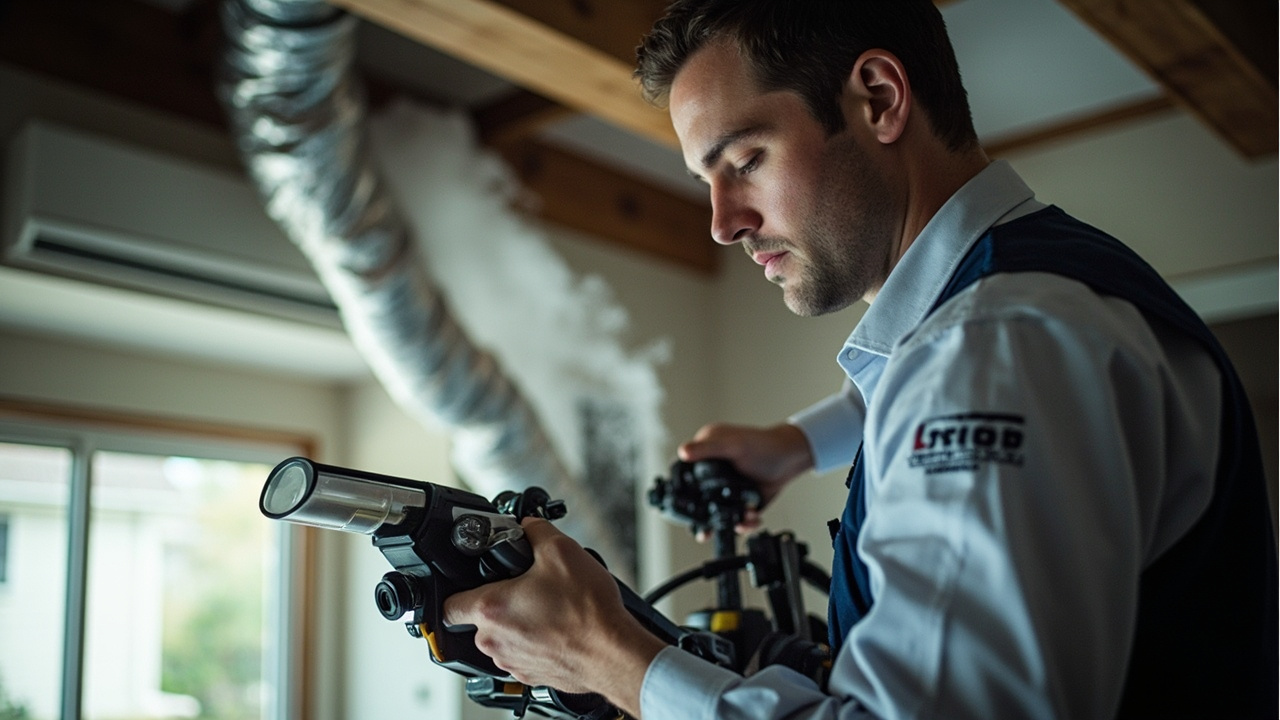
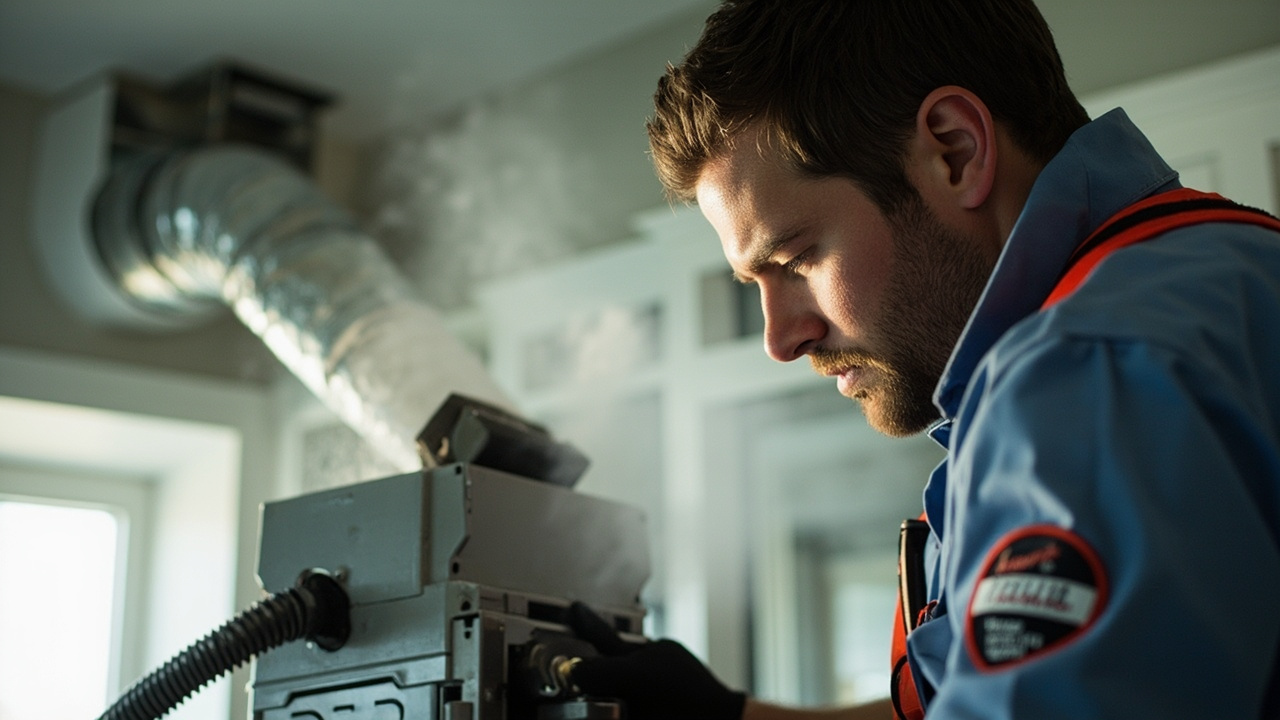
Effective ductwork cleaning requires negative air pressure technology paired with mechanical agitation, not the half-measure approaches that only clean accessible sections. We use truck-mounted vacuum systems that create sustained negative pressure throughout your entire duct network, pulling contaminants toward collection points instead of just stirring them up and redistributing them.

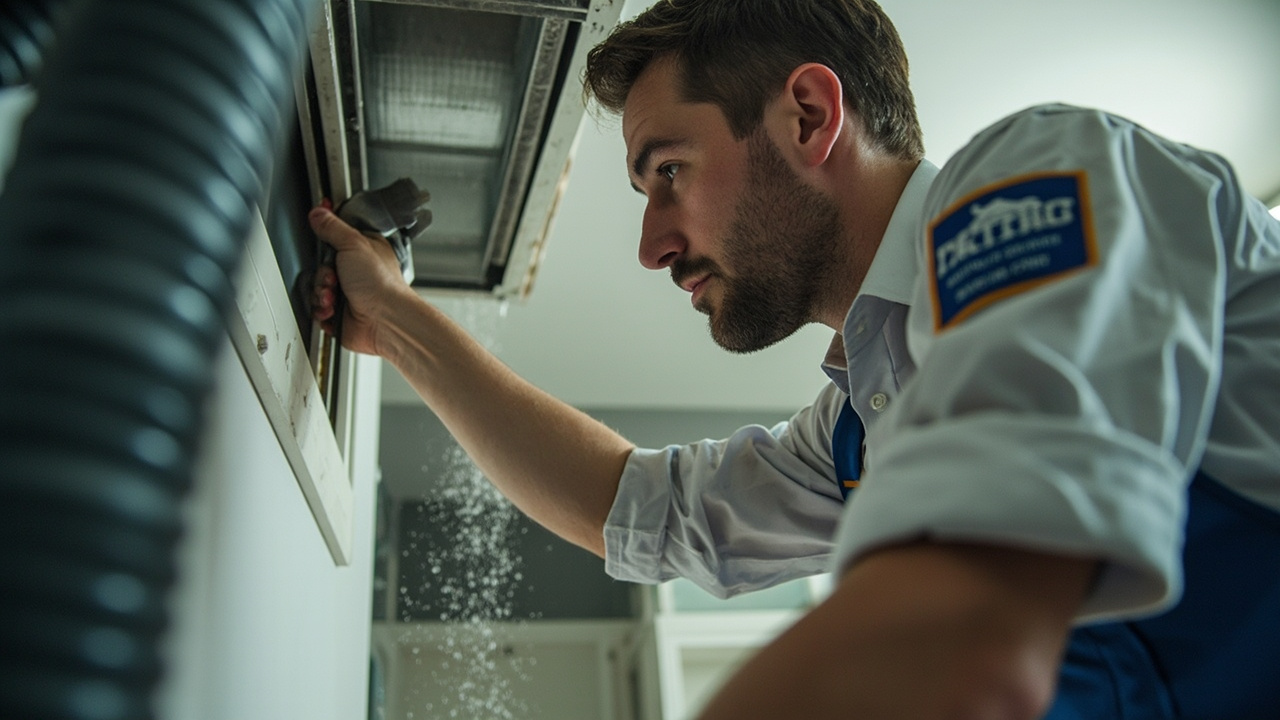
Before we start extraction, we seal off your supply and return registers with expandable blockers, then create access points at your main trunk lines. We insert rotating brush systems and compressed air whips that physically dislodge caked-on debris from duct walls, breaking the grip of years of accumulation. The negative pressure system captures everything, from construction debris and insulation fibers to pet dander and mold fragments. For systems with visible mold growth, we apply EPA-registered antimicrobial treatments to interior duct surfaces after the mechanical cleaning phase.

We clean the entire air pathway, including your return plenum, supply trunk lines, branch ducts, and the interior cabinet of your air handler. Most companies ignore the evaporator coil and blower assembly, but these components harbor significant contamination. We disassemble and clean blower wheels, which often carry pounds of caked dust that throws the fan assembly out of balance and reduces airflow by 30 percent or more.

Our technicians document the process with before and after video inspection using fiber-optic cameras. You see exactly what was hiding in your ductwork and verify the thoroughness of the cleaning. We check for duct leaks during the process, sealing gaps with mastic or metal-backed tape to prevent conditioned air loss and stop unfiltered air from entering your system through gaps in crawlspace or attic duct runs.

What Happens During Your Duct Cleaning Appointment

Air Duct Cleaning in Washington, D.C. | Expert HVAC Ductwork Cleaning for Healthier Indoor Air
01

System Assessment and Access

We start by inspecting your entire HVAC system, counting registers, checking duct accessibility, and identifying the optimal points for vacuum collection and agitation tool insertion. We map your duct layout, note any disconnected sections or damage, and explain what we find before beginning mechanical cleaning. This assessment determines the right equipment configuration and identifies any repairs needed for maximum cleaning effectiveness.
02

Negative Pressure Extraction

We connect our truck-mounted vacuum to your main trunk line and create powerful negative pressure throughout your duct network. As we move through each section with rotating brushes and compressed air tools, dislodged contaminants are immediately pulled toward the collection system. We work methodically through supply ducts, return ducts, and the air handler, ensuring every surface gets mechanical agitation and extraction. You hear the system working, and you see the debris coming out.
03

Verification and System Restoration

After extraction, we perform video inspection of cleaned sections to verify removal of contaminants and check for any underlying duct damage. We clean or replace your air filter, reassemble any components we removed for access, and restore your system to normal operation. We test airflow at each register to confirm improved performance and provide documentation of the cleaning process, including recommendations for optimal filter maintenance schedules based on your specific environment.

Why Choose Patriot HVAC Washington DC for Air Duct Cleaning

You need a company that understands the specific challenges of HVAC systems in the District. We work daily with the duct configurations common to Washington, D.C.'s housing stock, from the flex duct runs in 1960s split-levels in Spring Valley to the sheet metal trunk systems in Capitol Hill rowhouses. We know which systems are prone to disconnection at boot connections, where insulation deterioration causes the most problems, and how to access ductwork in the tight crawlspaces typical of older D.C. construction.

Our technicians understand the relationship between duct cleanliness and system efficiency in our climate. When humidity stays high from May through September, any restriction in airflow forces your air conditioner to run longer cycles, driving up electricity costs and stressing compressor components. Clean ducts mean better airflow, shorter run times, and lower utility bills. For commercial properties in business districts like Dupont Circle or Foggy Bottom, this translates to measurable cost savings and improved comfort for tenants and employees.

We use NADCA-compliant cleaning methods, not the cheap vacuum-only approaches that leave most contaminants in place. Our equipment investment reflects our commitment to actual cleaning results. Truck-mounted systems cost significantly more than portable units, but they deliver the sustained vacuum power required to extract debris from every branch of your duct network. We do not cross-contaminate between jobs because we dispose of collected debris completely between each service call.

You get transparent pricing before we start work, detailed documentation of what we find and remove, and straightforward answers about what your system needs. We do not upsell unnecessary services, and we do not claim duct cleaning solves problems that require different solutions. If your indoor air quality issues stem from inadequate filtration, undersized returns, or a failing air handler, we tell you directly instead of just cleaning ducts and hoping you do not notice the lack of improvement.

What to Expect from Professional Ductwork Cleaning

Service Timeline and Scheduling

Most residential duct cleaning takes three to five hours, depending on system size and contamination levels. We schedule appointments that work around your availability, including weekend slots for busy professionals. Our trucks arrive with everything needed to complete the job in a single visit. You do not wait days or weeks for an opening. We typically have availability within one week of your call, and we provide a two-hour arrival window so you do not waste your entire day waiting. For commercial properties, we coordinate after-hours or weekend service to avoid disrupting business operations.

Pre-Service Inspection and Assessment

Before we connect equipment, you get a complete walk-through of what we will do and why. We show you video footage from inside your ducts so you understand the contamination level and see exactly what needs attention. We identify any structural issues with your ductwork, such as disconnected sections, damaged insulation, or improper installations that compromise efficiency. This inspection is included in your service cost, and we never pressure you to authorize repairs on the spot. You get written documentation of findings and time to make informed decisions about any additional work your system may need.

Cleaning Results and Performance

You notice improved airflow immediately after service. Registers that barely moved air before now deliver strong, consistent flow. Rooms that stayed warmer or cooler than the rest of your home reach comfortable temperatures faster. Musty odors disappear because we removed the source instead of just masking it with deodorizers. Your HVAC system runs quieter because the blower no longer struggles against restricted airflow. Energy consumption drops as your equipment achieves proper air circulation without extended run times. For households with allergy sufferers, respiratory symptoms often improve within days as airborne particulate counts drop significantly.

Maintenance and Follow-Up

After your duct cleaning, we provide specific guidance on filter maintenance for your system and environment. You learn which filter MERV ratings work best for your configuration without restricting airflow. We explain warning signs that indicate your ducts need attention again, such as reduced airflow or returning odors. Most residential systems benefit from professional duct cleaning every three to five years, but this varies based on factors like pets, construction activity, and local pollen loads. We keep service records so you can track when your next cleaning makes sense, and we send reminders when you approach typical service intervals.

Frequently Asked Questions

You Have Questions,
We Have Answers

What is the average cost to have ductwork cleaned? +

Duct cleaning costs in Washington, D.C. typically range based on system size, contamination level, and accessibility. Most homes pay between $300 and $700 for a thorough cleaning. Larger properties with multiple HVAC systems or severe buildup face higher costs. The District's older housing stock, especially in neighborhoods like Capitol Hill and Georgetown, often requires more intensive work due to decades of accumulated dust and debris. Costs increase if mold remediation or ductwork repairs are needed. Get quotes from multiple contractors who inspect your system first. Avoid flat-rate deals under $200 as they often signal rushed work or hidden fees.

Is it worth having air ducts cleaned? +

Duct cleaning is worth it when you have visible mold growth, pest infestations, or substantial dust buildup causing poor airflow. Washington, D.C. homes benefit particularly due to high humidity levels that encourage mold and the urban environment that introduces construction dust and vehicle emissions into systems. If family members have allergies or respiratory issues, cleaning removes allergens and improves indoor air quality. However, if your system is relatively new and well-maintained, frequent cleaning offers little benefit. Focus on changing filters regularly and having your HVAC system inspected annually. Cleaning makes sense every 3 to 5 years for most District residents.

How often should air ducts be cleaned? +

Most Washington, D.C. homes need duct cleaning every 3 to 5 years under normal conditions. Clean more frequently if you have pets, smokers, recent renovations, or family members with asthma or allergies. The District's humid summers promote mold growth in ductwork, making inspection important. Older row homes in neighborhoods like Shaw or Dupont Circle with original ductwork may need more frequent attention. After major construction or if you notice musty odors, schedule an inspection immediately. Check your system annually and watch for dust accumulation around registers. Frequency depends on your specific situation, not a universal schedule.

What are the signs of dirty air ducts? +

Dirty ducts show several warning signs. You will notice dust blowing from registers when the system starts or excessive dust accumulation on furniture despite regular cleaning. Musty or stale odors when the HVAC runs indicate mold or mildew growth, common in Washington, D.C.'s humid climate. Visible mold around vents or on duct surfaces requires immediate attention. Uneven heating or cooling between rooms suggests blockages. Family members may experience increased allergy symptoms or respiratory irritation. Check registers for visible debris, cobwebs, or rodent droppings. If your energy bills spike without explanation, restricted airflow from dirty ducts could be the cause.

Does homeowners insurance cover air duct cleaning? +

Standard homeowners insurance does not cover routine duct cleaning as it falls under regular maintenance. However, if duct contamination results from a covered peril like a burst pipe, sewage backup, or fire, your policy may cover cleaning costs. Washington, D.C. homes experiencing flooding from heavy rainfall or plumbing failures might qualify for coverage if mold develops in ductwork. Document damage immediately with photos and contact your insurance adjuster before starting work. Review your policy for specific exclusions. Preventive cleaning to avoid future problems remains your responsibility. Keep maintenance records as proof of proper care if you file future claims.

Can I clean my air ducts myself? +

You can perform basic register cleaning, but whole-system cleaning requires professional equipment. Remove and wash floor and wall registers with soap and water. Vacuum visible debris from accessible duct openings. However, reaching deep into ductwork demands specialized negative air machines, rotary brushes, and inspection cameras that homeowners do not own. Washington, D.C.'s older homes often have complex duct configurations that make DIY attempts ineffective or damaging. You risk pushing contaminants deeper into the system or puncturing flexible ductwork. Professionals also identify mold, asbestos in older homes, or structural issues you might miss. Save DIY efforts for filter changes and register cleaning.

Is it okay to never clean air ducts? +

Never cleaning ducts causes gradual problems. Dust and allergen accumulation worsens indoor air quality, affecting family health. Washington, D.C.'s humidity promotes mold growth in neglected systems, spreading spores throughout your home. Buildup restricts airflow, forcing your HVAC system to work harder and increasing energy costs. Your system's lifespan shortens due to strain on components. Pest droppings and decomposing matter create health hazards. While not every home needs frequent cleaning, inspection every few years prevents major issues. Older District homes, particularly those built before 1980, risk more serious contamination without periodic attention. Maintenance protects your investment and health.

What is the 2 foot rule for ductwork? +

The 2-foot rule requires HVAC systems to maintain 2 feet of clearance from combustible materials where ductwork connects to furnaces or other heat-producing equipment. This fire safety standard appears in the International Residential Code and prevents ignition risks. In Washington, D.C., where row homes and older properties have tight mechanical spaces, maintaining this clearance challenges some installations. Inspectors check this during home sales and code compliance reviews. The rule applies to supply plenums and ductwork within 2 feet of heating equipment. Flexible ductwork or insulation too close to furnaces violates code and creates fire hazards requiring immediate correction.

How long does air duct cleaning take? +

Professional duct cleaning takes 2 to 4 hours for most Washington, D.C. homes. Smaller apartments or condos may finish in 2 hours, while larger single-family homes or properties with multiple HVAC systems need 4 to 6 hours. Time increases if technicians find mold requiring treatment or damaged ductwork needing repair. Older District homes with complex layouts or accessibility issues take longer. The process includes inspection, negative pressure setup, mechanical agitation of duct surfaces, and final sanitization. Crews typically need access to every room with registers. Plan to be home during service and keep pets secured in separate areas away from work zones.

What time of the year is best for duct cleaning? +

Late spring or early fall offers the best timing for duct cleaning in Washington, D.C. Schedule cleaning before heavy cooling season begins in June or after summer ends in September. You avoid peak HVAC demand periods when contractors are busiest and your system gets cleaned before maximum use. Spring cleaning removes winter dust and prepares your system for humid summer months when mold risk increases. Fall cleaning removes summer allergens before heating season. Avoid cleaning during temperature extremes when you cannot temporarily shut down your system. Schedule 2 to 3 weeks ahead during these periods as contractors book quickly.

How District Humidity and Historic Construction Create Duct Contamination

Washington, D.C.'s location at the confluence of the Potomac and Anacostia rivers creates persistent humidity that saturates the air, especially during summer months when dew points regularly hit 70 degrees or higher. This moisture infiltrates HVAC systems through return air vents and condenses on cool duct surfaces whenever your air conditioning runs. Older homes in neighborhoods like Cleveland Park, Chevy Chase, and Kalorama often have undersized return ducts and minimal vapor barriers, allowing humid attic and crawlspace air to enter the system. The result is mold growth on interior duct surfaces and deteriorating duct insulation that sheds fibers into your airstream. Combined with pollen from the city's extensive tree canopy and construction dust from constant renovation activity, your ductwork accumulates contamination faster than systems in drier climates.

District building codes have evolved significantly over the decades, and older properties often have duct systems that were never designed for modern air filtration standards or sealed to prevent air leakage. We work extensively with the mixed construction types throughout D.C., from pre-war brick rowhouses with retrofitted ductwork to mid-century suburban homes with original sheet metal installations. This experience means we know how to access difficult duct runs, identify common failure points specific to local construction methods, and recognize when duct modifications violated code requirements. When you choose a company with deep roots in the D.C. market, you get technicians who understand your specific system configuration without a learning curve that wastes your time and money.
HVAC Services in The Washington DC Area

Easily locate Patriot HVAC and explore our service area on the map below. We are strategically positioned to provide prompt and efficient heating, ventilation, and air conditioning services across Washington D.C. and its neighboring communities. Whether you're seeking a quick repair or a new installation, our team is ready to serve your comfort needs.

Address:
Patriot HVAC Washington DC, 20 F St NW, Washington, DC, 20001

Additional Services We Offer

Our news updates

Latest Articles & News from The Blogs

The Best Air Filter Upgrades for Georgetown Homes with Sensitive Historic Woodwork Georgetown's Federal-style rowhouses and Victorian homes need special…

The Best Air Filter Upgrades for Georgetown Homes with Sensitive Historic Woodwork

The Best Air Filter Upgrades for Georgetown Homes with Sensitive Historic Woodwork Georgetown's Federal-style rowhouses and Victorian homes need special…

The Best Air Filter Upgrades for Georgetown Homes with Sensitive Historic Woodwork

The Best Air Filter Upgrades for Georgetown Homes with Sensitive Historic Woodwork Georgetown's historic rowhouses and Federal-style homes face a…

The Best Air Filter Upgrades for Georgetown Homes with Sensitive Historic Woodwork

The Best Air Filter Upgrades for Georgetown Homes with Sensitive Historic Woodwork Georgetown's historic rowhouses and Federal-style homes feature exquisite…

Contact Us

Stop circulating contaminated air through your home or business. Call (771) 218-6322 now to schedule your professional duct cleaning service. Our technicians are ready to restore your indoor air quality and improve your HVAC system efficiency with thorough, documented cleaning that delivers measurable results.