Menu

Furnace Repair & Heating Service in Washington, D.C. – Expert Diagnosis and Same-Day Solutions

When your heating system fails during a D.C. winter, you need technicians who understand gas furnaces, heat pumps, and boiler systems inside and out. We diagnose the root cause fast and restore warmth to your home without guesswork or repeat visits.

Slider Image 1
Slider Image 2
Slider Image 3
Slider Image 4
Slider Image 5
Slider Image 7
Slider Image 8
Slider Image 9
Slider Image 10
Slider Image 11

Why Washington, D.C. Furnaces Face Unique Stress

Washington, D.C. sits in a humid subtropical climate zone where winters swing between freezing sleet and 50-degree thaw cycles. Your furnace does not just heat your home. It battles condensation, cycling stress, and aggressive stop-start patterns that wear down heat exchangers and ignition systems faster than in stable climates.

Clay soil across Georgetown, Capitol Hill, and Anacostia shifts with freeze-thaw cycles. This movement can crack ductwork connections and misalign exhaust vents, causing carbon monoxide leaks or backdrafting. Older rowhouses in Shaw and Dupont Circle often have original cast-iron radiators fed by boilers that have not been serviced in years. When these systems fail, you lose heat fast.

Gas furnaces dominate residential heating in D.C., but many homeowners also rely on heat pumps for dual heating and cooling. When a heat pump's reversing valve sticks or refrigerant leaks during winter, the auxiliary electric heat strips kick in and drive your utility bill through the roof. You need heating system repair that addresses the actual failure point, not a bandaid fix.

Central heating maintenance matters here because your system runs harder than it does in milder climates. A dirty flame sensor or cracked heat exchanger is not just an inconvenience. It shuts down your home's only heat source when temperatures drop into the teens. Residential furnace repair in D.C. means understanding how humidity, freeze-thaw cycles, and building age create compounding stress on your equipment.

Why Washington, D.C. Furnaces Face Unique Stress
How We Diagnose and Fix Heating Failures

How We Diagnose and Fix Heating Failures

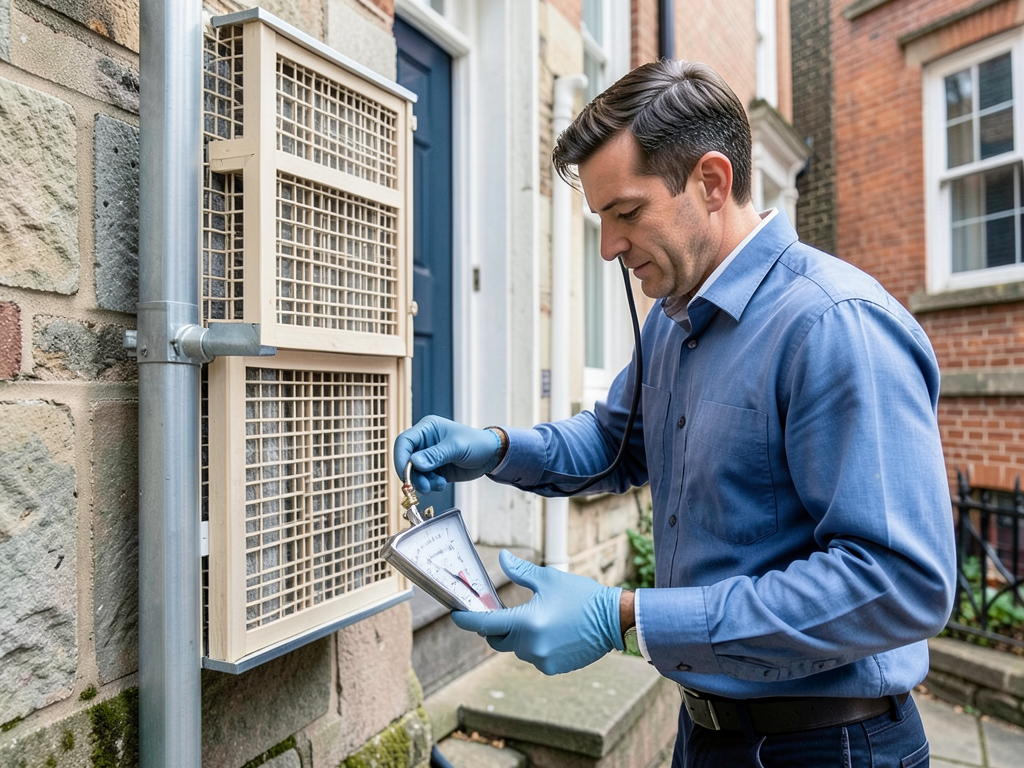
We start every home heating service call with a full system diagnostic, not a surface-level inspection. Our technicians test gas pressure at the manifold, measure amperage draw on the blower motor, and check static pressure across the ductwork. If your furnace is short-cycling, we do not guess. We test the flame sensor microamp reading and inspect the heat exchanger for cracks with a borescope camera.

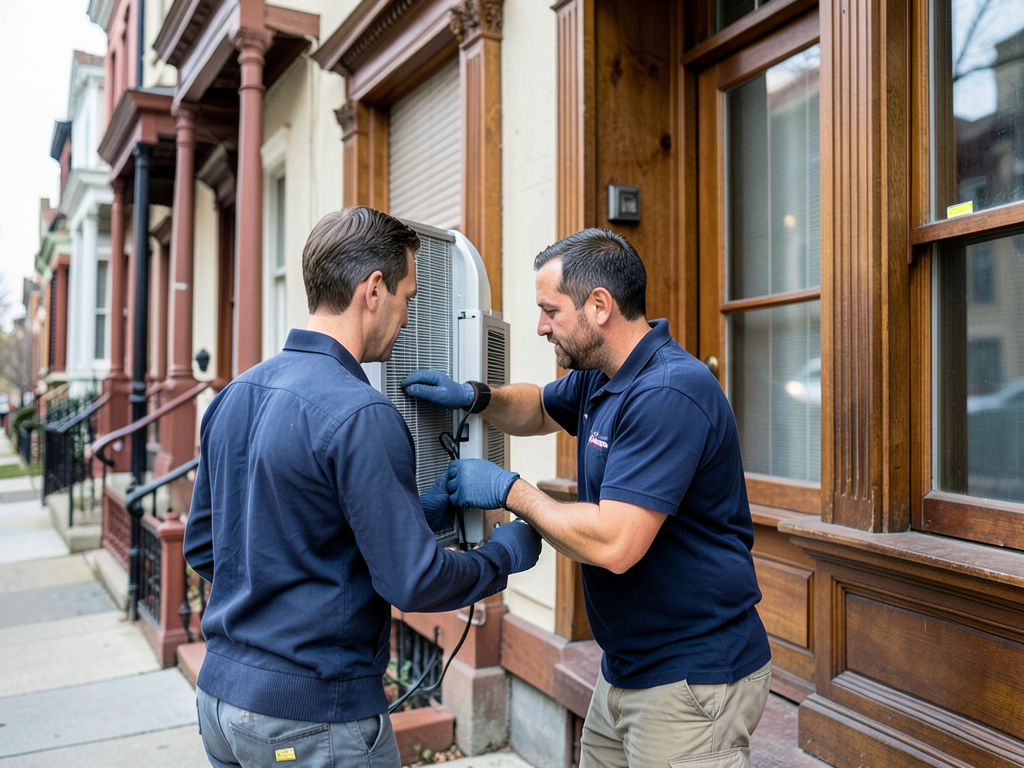
Heat pump failures require refrigerant analysis. We measure subcooling and superheat at the outdoor unit and test the reversing valve for electrical continuity. If your system is stuck in cooling mode during winter, we know whether the problem is mechanical or electrical before we touch a wrench.

Boiler systems get even more scrutiny. We test water pressure, inspect the circulator pump for bearing wear, and examine the expansion tank for waterlogging. A failing pressure relief valve or corroded zone valve can flood your basement or leave entire floors without heat. We catch these issues before they escalate.

Ductwork inspection is non-negotiable in older D.C. homes. We pressurize the system and measure leakage rates with a duct blaster. If you are losing 30 percent of your heated air to gaps and disconnected joints, no furnace repair will fix your comfort problem. We seal leaks with mastic and metal-backed tape, not duct tape.

Heater repair services here also mean understanding gas code compliance. If your furnace vents into an unlined chimney or lacks proper combustion air intake, we red-tag the system and explain why. Your safety is not negotiable.

What Happens During Your Furnace Repair Appointment

Furnace Repair & Heating Service in Washington, D.C. – Expert Diagnosis and Same-Day Solutions
01

System Diagnostic and Testing

We arrive with diagnostic equipment and test your furnace or heat pump under load. This means running the system through a full heating cycle while measuring voltage, amperage, gas pressure, and airflow. We document the flame pattern, inspect the igniter for cracks, and test the limit switches for proper cutoff function. You get a written report of what we find, not verbal guesses.
02

Repair and Component Replacement

Once we identify the failure, we explain your options clearly. If you need a new inducer motor or gas valve, we source OEM parts when possible to maintain factory tolerances. We replace components following manufacturer torque specs and test the system again before we leave. If ductwork or venting needs correction, we handle that too. No shortcuts.
03

Verification and Safety Check

After the repair, we run a full combustion analysis on gas furnaces and boilers. We measure carbon monoxide levels in the flue and check for spillage at the draft hood. Heat pumps get refrigerant charge verification and airflow testing. You get documentation showing your system is safe and operating at spec. We clean up completely and walk you through what we did.

Why D.C. Homeowners Choose Patriot HVAC Washington DC

We operate in a city where building inspectors enforce International Mechanical Code standards and legacy homes present unique challenges. Our technicians know the difference between servicing a modern Carrier furnace and diagnosing a 1970s Lennox Pulse system. We understand how to navigate D.C. permit requirements when furnace replacement involves venting changes or gas line modifications.

Capitol Hill rowhouses often share common walls and chimneys, which complicates venting and combustion air supply. We have retrofitted hundreds of these systems to meet current code without tearing apart historic plaster walls. In Northwest D.C. neighborhoods like Cleveland Park and Spring Valley, we service high-efficiency condensing furnaces that require proper drainage and freeze protection for the condensate lines.

Our familiarity with D.C. Building Code Title 12 means we know when a repair requires a permit and when it does not. If your heat exchanger is cracked, we explain why a patch job is dangerous and illegal. If your system lacks proper clearances or has been vented incorrectly, we bring it up to code during the repair.

We also understand the cost sensitivity in a city with high property taxes and rising utility bills. When a repair approaches 50 percent of replacement cost, we explain your options honestly. You decide whether to repair or replace. We do not upsell. We educate.

Patriot HVAC Washington DC operates with transparency. You get itemized pricing before we start work. You get photos of damaged components. You get explanations in plain language, not HVAC jargon designed to confuse. We have built our reputation by solving problems correctly the first time.

What to Expect When You Call for Furnace Repair

Fast Response When You Need Heat

We dispatch technicians within hours for heating emergencies, not days. When your furnace quits on a 20-degree night, you cannot wait. We stock common parts on our trucks so most repairs finish in one visit. If we need to order a component, we explain the timeline and offer temporary heating solutions when possible. Our goal is to restore your heat the same day you call, especially during extreme cold snaps that hit D.C. every winter.

Thorough Diagnostic Process

We do not guess what is wrong with your heating system. Our technicians use multimeters, manometers, and combustion analyzers to measure what is actually happening inside your furnace or heat pump. You get a written diagnostic report that explains the problem in clear terms. If multiple issues exist, we prioritize them by safety and impact. You decide what gets fixed first. This approach prevents surprise failures and gives you control over your repair budget.

Reliable Repairs That Last

We repair heating systems to manufacturer specifications using proper procedures and quality parts. Gas valves get calibrated. Refrigerant charges get measured by weight, not guesswork. Electrical connections get torqued to spec. We test the system under load before we leave and verify safe operation. You get documentation of what we repaired and how your system performed after the fix. Our repairs hold up because we do not cut corners on labor or materials.

Maintenance Plans to Prevent Future Failures

After we fix your heating system, we offer maintenance plans that keep it running efficiently. Annual furnace tune-ups include cleaning the flame sensor, testing the igniter, inspecting the heat exchanger, and measuring combustion efficiency. For heat pumps, we check refrigerant charge, test the reversing valve, and inspect electrical connections. Regular maintenance catches small problems before they become expensive emergencies. We remind you when service is due and schedule around your availability.

Frequently Asked Questions

You Have Questions,
We Have Answers

What is the average cost to have your furnace serviced? +

Furnace servicing in the Washington, D.C. metro typically runs between $80 and $200 for a standard annual tune-up. Costs vary based on furnace type, age, and accessibility. Gas furnaces often cost less to service than oil systems. If your technician finds worn parts during inspection, expect additional charges for replacements like filters, igniters, or flame sensors. Washington, D.C.'s humid climate and fluctuating winter temperatures put extra strain on heating systems, making annual service essential. Regular maintenance catches small problems before they become expensive emergency repairs during those bitter January cold snaps.

What is the $5000 rule for HVAC? +

The $5,000 rule helps you decide between repair and replacement. Multiply your furnace's age by the repair cost. If the result exceeds $5,000, replace the unit. For example, a 12-year-old furnace needing $450 in repairs equals $5,400, suggesting replacement makes financial sense. This rule accounts for efficiency losses over time and the likelihood of future breakdowns. Washington, D.C. homes with furnaces over 15 years old often face escalating repair costs and higher utility bills. Newer systems offer better energy efficiency, which matters during D.C.'s cold winters when your furnace runs constantly.

What is the most common furnace failure? +

Igniter failure tops the list of furnace breakdowns. Modern furnaces use hot surface igniters or electronic ignition systems that crack or fail after years of heating cycles. Washington, D.C.'s humidity accelerates corrosion on electrical components. Dirty flame sensors rank second, causing furnaces to light briefly then shut down. Limit switches fail when airflow restrictions from clogged filters force the unit to overheat. Blower motor capacitors also fail frequently in older systems. Most igniter replacements take under an hour and cost significantly less than emergency service calls during a winter freeze.

Is it cheaper to fix a furnace or replace it? +

Repair costs less upfront, but replacement often saves money long-term. Simple fixes like replacing a thermostat, flame sensor, or blower capacitor make financial sense. Major repairs involving heat exchangers, blower motors, or control boards on furnaces over 12 years old often signal it's time to replace. Washington, D.C. homes with aging furnaces see 20-30% higher heating bills due to efficiency loss. New furnaces carry warranties and meet current efficiency standards, reducing your winter energy costs. Calculate the payback period by comparing repair costs against potential energy savings from a new system.

What is the most expensive part to fix on a furnace? +

Heat exchanger replacement ranks as the most expensive furnace repair, often costing nearly as much as a new furnace. This component transfers heat from combustion gases to your home's air. Cracks develop from thermal stress and corrosion over time. Control boards and variable-speed blower motors also carry high price tags. In Washington, D.C., cracked heat exchangers can release carbon monoxide, creating serious safety risks. Most technicians recommend replacement rather than heat exchanger repair on furnaces over 10 years old. The labor intensity and part cost make this repair economically impractical in most situations.

What does a furnace service include? +

Professional furnace service includes a multi-point inspection of all system components. Technicians clean or replace air filters, inspect the heat exchanger for cracks, test ignition systems, and verify proper combustion. They check electrical connections, measure gas pressure, lubricate moving parts, and test safety controls like limit switches. Carbon monoxide testing protects Washington, D.C. families from dangerous leaks. Technicians also inspect ductwork connections and verify proper airflow. They calibrate thermostats and measure temperature rise across the heat exchanger. Annual service catches wear before breakdowns occur and maintains manufacturer warranties on newer systems.

Is HVAC system cost tax deductible? +

HVAC system costs are generally not tax deductible for residential properties. However, energy-efficient upgrades may qualify for federal tax credits under the Inflation Reduction Act. High-efficiency furnaces meeting specific ENERGY STAR criteria could be eligible. Washington, D.C. also offers rebates through DC Sustainable Energy Utility for qualifying system upgrades. Business owners can deduct HVAC expenses as business costs or depreciate systems over time. Consult a tax professional familiar with D.C. regulations to understand current deduction opportunities. Keep all receipts and manufacturer certifications documenting efficiency ratings if you plan to claim any credits.

What are signs my HVAC needs replacing? +

Age over 15 years signals potential replacement, especially if repairs become frequent. Rising energy bills indicate efficiency loss from worn components. Uneven heating between rooms suggests ductwork issues or failing blower capacity. Strange noises like banging, screeching, or rumbling point to mechanical problems. Yellow pilot light flames instead of blue indicate combustion issues requiring immediate attention. Excessive dust or dry air means your system struggles with circulation. In Washington, D.C., rust around the furnace base from humidity damage signals serious deterioration. If your system runs constantly but fails to maintain comfortable temperatures, replacement likely makes more sense than continued repairs.

Do HVAC companies give free quotes? +

Most reputable HVAC companies in Washington, D.C. provide free quotes for system replacement or major repairs. Simple service calls or diagnostic visits typically carry trip fees that apply toward repair costs if you proceed with the work. Companies absorb quote costs into their overall pricing structure. Free quotes let you compare options, financing terms, and equipment recommendations without financial commitment. Be cautious of companies charging excessive diagnostic fees or pressuring immediate decisions. Request multiple quotes for replacement projects. Ensure quotes include specific equipment models, warranty details, and installation scope. Free quotes are standard practice for competitive HVAC contractors throughout the D.C. metro area.

Which brand of furnace is most reliable? +

Carrier, Trane, and Lennox consistently rank as the most reliable furnace brands based on industry data and technician surveys. These manufacturers build durable heat exchangers and back products with strong warranties. Rheem and American Standard also deliver solid performance in the mid-price range. Brand reliability matters less than proper installation and regular maintenance. A premium furnace installed incorrectly will fail faster than a budget model installed properly. Washington, D.C.'s climate demands furnaces that handle humidity and temperature swings. Choose brands with strong local dealer networks for reliable service. Your installer's expertise often determines long-term performance more than brand name alone.

How D.C.'s Humid Winters Accelerate Furnace Corrosion and Failures

Washington, D.C. averages 60 to 70 percent relative humidity even in winter. When your furnace shuts down between heating cycles, moisture condenses inside the heat exchanger and flue pipes. This constant wet-dry cycling accelerates rust and corrosion, especially in older furnaces without stainless steel components. You will see this in homes near the Potomac River and Anacostia River where humidity stays higher year-round. Cracked heat exchangers and rusted burners fail faster here than in dry climates, making regular heating system repair and inspection critical for safety.

D.C. mechanical contractors must follow strict permitting and inspection requirements for gas appliance work. When you hire Patriot HVAC Washington DC, you get technicians who understand local code enforcement and work with D.C. Department of Consumer and Regulatory Affairs inspectors regularly. We pull permits when required and document our work to pass inspection the first time. This matters for your safety and your home's resale value. Choosing a local provider who knows D.C. regulations protects you from liability and ensures your repairs meet legal standards.
HVAC Services in The Washington DC Area

Easily locate Patriot HVAC and explore our service area on the map below. We are strategically positioned to provide prompt and efficient heating, ventilation, and air conditioning services across Washington D.C. and its neighboring communities. Whether you're seeking a quick repair or a new installation, our team is ready to serve your comfort needs.

Address:
Patriot HVAC Washington DC, 20 F St NW, Washington, DC, 20001

Additional Services We Offer

Our news updates

Latest Articles & News from The Blogs

A seasonal guide to the best day to switch from cooling to heating in Washington DC Washington DC homeowners face…

A seasonal guide to the best day to switch from cooling to heating in Washington DC

A seasonal guide to the best day to switch from cooling to heating in Washington DC Washington DC homeowners face…

The Ultimate Spring HVAC Checklist for Large Family Homes in Crestwood

The Ultimate Spring HVAC Checklist for Large Family Homes in Crestwood Spring in Washington DC means the humid summer heat…

Keeping construction dust out of your Buzzard Point apartment during nearby building projects

Keeping construction dust out of your Buzzard Point apartment during nearby building projects Construction dust from new developments along the…

Contact Us

If your furnace is not heating, call (771) 218-6322 now. We diagnose the problem accurately and fix it right the first time. No guessing. No upselling. Just reliable heating repair for Washington, D.C. homes.