


McLean sits in the humid subtropical zone where summers push heat indexes past 100 degrees and winters drop below freezing for extended stretches. The Potomac River valley creates microclimates that trap humidity, forcing air conditioning systems to work overtime removing moisture while cooling. Spring and fall bring rapid temperature swings that stress HVAC equipment with constant cycling between heating and cooling modes.
Homes in neighborhoods like Langley, Chesterbrook, and Old Dominion face additional challenges from mature tree canopies that shade outdoor units in summer but drop debris into coils and fans. The clay-heavy soil common throughout McLean holds moisture that can affect ground-level condensers and cause drainage issues for HVAC systems. Northern Virginia building codes require specific SEER ratings and load calculations that impact system sizing and efficiency requirements.
Your HVAC system isn't just about comfort in McLean. It protects your home from humidity damage, controls indoor air quality during high pollen seasons, and maintains consistent temperatures across multi-level homes common in areas near Georgetown Pike and Dolley Madison Boulevard. When your system fails, every hour without climate control affects your property and peace of mind.
We built our reputation in McLean by showing up when other companies couldn't or wouldn't. Our service area covers every neighborhood from Chain Bridge to Tysons, and we maintain response times that reflect your urgency. When you call with a broken air conditioner on a 95-degree afternoon or a failing furnace at midnight, our dispatch system routes the nearest available technician to your location within the hour.
Our trucks carry extensive parts inventory for residential and commercial systems. We stock components for Carrier, Trane, Lennox, Rheem, Goodman, and other major brands, which means we complete most repairs without return trips for parts. Our technicians receive ongoing training on new refrigerants, smart thermostats, variable-speed systems, and zoning controls that are becoming standard in McLean's newer construction and renovation projects.
We price our work clearly before starting repairs. You receive a diagnostic assessment that explains what failed, why it failed, and what it costs to fix. No surprises when the work is done. We also provide honest assessments about repair versus replacement decisions. If your 18-year-old system needs a $2,000 compressor, we'll tell you whether that repair makes financial sense or if replacement serves you better.
Our relationship with McLean doesn't end when the repair is complete. We offer maintenance agreements that include priority scheduling, discounted service calls, and seasonal tune-ups that catch small problems before they become expensive failures. Many of our customers have worked with the same technician for years, building trust through consistent, reliable service.

Our dispatch system prioritizes emergency calls based on location and urgency. Most McLean service calls receive a technician response within 60 to 90 minutes. We staff our trucks seven days a week, including holidays, because HVAC emergencies don't wait for business hours. When your comfort and property are at risk, we move fast.

Our service vehicles stock the components needed for most residential and commercial HVAC repairs. Capacitors, contactors, thermostats, fan motors, circuit boards, and refrigerant stay on every truck. This means we fix your system on the first visit instead of ordering parts and scheduling return appointments. Your downtime stays minimal.
Before we touch your system, we explain what we found, what caused the failure, and what the repair costs. You receive written estimates for any work beyond basic diagnostics. No hidden fees or surprise charges. If multiple repair options exist, we present them with honest guidance about which approach makes the most sense for your situation.
We've worked in McLean long enough to know which HVAC issues show up repeatedly in specific neighborhoods. Homes near the Potomac deal with humidity problems. Properties with mature landscaping face airflow restrictions. Our experience with local housing stock, building practices, and climate conditions means faster diagnostics and more accurate solutions.
HVAC problems range from simple thermostat glitches to complete system failures. We handle the full spectrum of heating and cooling service for McLean residential and commercial properties. Our work includes emergency repairs when systems quit working, routine maintenance that prevents breakdowns, and complete system replacements when repair costs exceed replacement value.
Central air conditioning, heat pumps, gas furnaces, electric heating systems, ductless mini-splits, and commercial rooftop units all fall within our service capabilities. We diagnose refrigerant leaks, electrical failures, mechanical breakdowns, and control system problems. Our technicians carry diagnostic equipment that measures airflow, refrigerant charge, electrical draw, and combustion efficiency to pinpoint problems fast.
The services below represent how we organize our work based on what McLean customers need most. Whether you're dealing with an immediate crisis, planning seasonal maintenance, or considering a full system upgrade, we have the experience and equipment to handle it right.
When your air conditioning fails during a heat wave or your heat goes out in freezing weather, you need immediate response. We dispatch technicians around the clock for no-heat and no-cool emergencies throughout McLean. Our trucks carry the parts needed to restore comfort fast. We diagnose compressor failures, refrigerant leaks, blower motor problems, electrical issues, and thermostat malfunctions on-site, then complete repairs the same day whenever possible. Priority service gets your system running before temperature extremes damage your property or compromise your family's safety.
Regular maintenance extends equipment life and prevents unexpected breakdowns. Our seasonal tune-ups include cleaning coils, checking refrigerant charge, testing electrical connections, lubricating moving parts, inspecting ductwork, and replacing filters. We measure system performance against manufacturer specifications to catch efficiency drops early. McLean's humidity and temperature extremes stress HVAC equipment more than moderate climates, making preventive service crucial. Maintenance customers receive priority scheduling for repairs and discounted service calls. Most maintenance visits take 60 to 90 minutes and identify small problems before they become expensive failures.
Old systems eventually cost more to repair than replace. We perform load calculations based on your home's square footage, insulation, window area, and orientation to size new equipment correctly. Oversized systems waste energy and create humidity problems. Undersized systems run constantly without reaching comfortable temperatures. We install high-efficiency heat pumps, central air conditioners, gas furnaces, and ductless systems with warranties that protect your investment. Our installations meet Virginia building codes and manufacturer specifications for proper refrigerant charge, airflow, and electrical connections. We also modify ductwork when needed to improve comfort and efficiency.
McLean's location in the Potomac River valley creates specific HVAC challenges that show up repeatedly across different neighborhoods. The combination of high summer humidity, winter temperature swings, and dense tree cover affects how systems perform and what components fail most often. Understanding these common issues helps you recognize problems early and prevents minor malfunctions from becoming major expenses.
Humidity control ranks as the most frequent complaint we hear from McLean residents. Air conditioners cool air but must also remove moisture to feel comfortable. When systems can't handle humidity loads, homes feel clammy even at lower temperatures. This forces occupants to overcool, wasting energy while never achieving real comfort. Refrigerant leaks, undersized equipment, and dirty coils all contribute to poor dehumidification.
The homes in established neighborhoods like Lewinsville and Franklin Park often have HVAC systems installed 15 to 20 years ago when efficiency standards were lower and climate patterns were different. These aging systems struggle to maintain comfort while energy bills climb. Component failures increase as equipment ages, leading to more frequent repairs until replacement becomes the practical choice.
McLean's summer humidity regularly exceeds 70 percent, forcing air conditioners to remove moisture and cool simultaneously. When systems can't dehumidify effectively, indoor spaces feel sticky and uncomfortable regardless of temperature settings. Low refrigerant charge, dirty evaporator coils, and oversized equipment all reduce moisture removal capacity. Proper diagnosis identifies whether your system needs repair, adjustment, or replacement to handle local humidity levels effectively.
Many McLean homes have multiple levels where upper floors overheat in summer while basements stay cool. Poor ductwork design, insufficient insulation, and single-zone systems create these temperature imbalances. Zoning controls, duct modifications, and proper airflow balancing can solve distribution problems. Some cases require additional equipment or system upgrades to achieve consistent comfort throughout the house, particularly in older homes with additions.
Equipment that runs briefly then shuts off repeatedly wastes energy and fails to remove humidity effectively. Short-cycling indicates oversized equipment, refrigerant problems, dirty filters, or thermostat malfunctions. This pattern stresses components and shortens equipment life while increasing utility costs. Correct diagnosis determines whether the issue stems from mechanical failure, improper installation, or equipment sizing errors that require different solutions to fix permanently.
When monthly utility costs increase while indoor comfort decreases, your HVAC system is losing efficiency. Refrigerant leaks, dirty coils, failing capacitors, and worn blower motors all force systems to work harder while producing less cooling or heating. Age degrades performance gradually until problems become obvious. Diagnostic testing measures actual system performance against design specifications to identify whether repairs restore efficiency or replacement makes better financial sense.
We know HVAC emergencies create stress. Your house is too hot or too cold. You're worried about repair costs. You need someone competent who shows up when promised and fixes the problem right. Our process focuses on clear communication, fast response, and honest service that prioritizes your comfort and budget.
When you call, our dispatcher collects basic information about your problem and schedules the fastest available appointment. Emergency calls receive same-day response. Routine maintenance and non-emergency repairs typically schedule within 24 to 48 hours. We provide arrival windows and call ahead when the technician is on the way.
Your technician arrives in a marked vehicle with visible company identification. We verify the problem you described, then perform diagnostic testing to identify the root cause. This might involve checking refrigerant pressures, measuring electrical current, testing airflow, or inspecting mechanical components. Once we know what failed and why, we explain the problem in plain language and provide a written estimate before starting any repair work beyond basic diagnostics.
You talk to real people, not automated systems. Our dispatchers explain pricing structure, estimate arrival times, and answer questions about what to expect. Your technician walks you through diagnostic findings and explains repair options in terms you understand. We don't use technical jargon to confuse or pressure you. Before work begins, you receive written estimates showing parts and labor costs. After repairs finish, we test system operation and confirm you're satisfied with results.
Emergency calls receive priority dispatch, usually within 60 to 90 minutes anywhere in McLean. Our trucks carry extensive parts inventory to complete repairs on the first visit. When we need to order components, we explain lead times honestly and offer temporary solutions when possible. We respect your schedule by showing up during promised time windows. If delays occur, we call ahead rather than leaving you waiting and wondering.
Our work meets manufacturer specifications and Virginia building codes. We warranty labor on repairs and pass through manufacturer warranties on parts. If a repair fails prematurely, we return to fix it right. We also provide honest guidance about whether aging equipment deserves expensive repairs or if replacement makes better financial sense. Our goal is your long-term satisfaction, not maximizing today's invoice.
HVAC repair shouldn't feel complicated. We've streamlined our process to get your system running again with minimum hassle and maximum transparency about what's happening.
Call our office or request service online. Our dispatcher logs your problem, schedules the fastest available appointment, and provides an estimated arrival window. Emergency calls receive same-day response. We collect basic information about your system and symptoms to help the technician prepare. You receive a confirmation call before the technician departs for your location. Most McLean service calls happen within hours of first contact.
Your technician inspects the system, performs diagnostic tests, and identifies what failed. You receive a clear explanation of the problem and a written estimate for repairs. Once you approve the work, we complete repairs using quality parts from our truck inventory. Most repairs finish the same day. We test system operation thoroughly before leaving to confirm everything works correctly and meets performance standards.
Before the technician leaves, we verify you're satisfied with the repair and comfortable operation. You receive documentation showing work completed, parts installed, and warranty information. We clean up any mess created during repairs. Our office follows up within a few days to confirm your system continues operating properly. If problems persist or new issues arise, we return promptly to make it right.
HVAC work requires more than basic mechanical skills. Proper diagnostics and repairs demand understanding of thermodynamics, refrigeration cycles, electrical systems, building science, and local code requirements. Our technicians maintain EPA Section 608 certification for refrigerant handling, complete ongoing manufacturer training, and stay current with Virginia building code updates that affect HVAC installations and modifications.
McLean falls under Fairfax County jurisdiction, which enforces the Virginia Uniform Statewide Building Code with local amendments. This affects everything from minimum SEER ratings for replacement equipment to combustion air requirements for gas furnaces in basements. We pull permits when code requires them and schedule inspections to ensure work meets legal standards. Skipping this process creates liability issues and can affect home insurance coverage or future sale complications.
Modern HVAC systems use variable-speed components, electronic controls, and sophisticated diagnostics that require different approaches than older single-stage equipment. Heat pumps with auxiliary heat strips demand understanding of balance points and defrost cycles specific to McLean's winter temperature patterns. Zoning systems need airflow calculations that account for duct static pressure and fan curves. Our diagnostic equipment includes digital manifolds, amp meters, airflow hoods, and combustion analyzers that provide accurate measurements rather than guesswork.
Refrigerant regulations continue evolving as older compounds phase out. R-22 production ended in 2020, forcing repairs on older systems to use reclaimed refrigerant at higher costs. R-410A systems dominate current installations but face future phase-down pressures. We stay ahead of these transitions, understanding which systems deserve repairs and which need replacement based on refrigerant availability and cost projections. This knowledge protects customers from investing heavily in obsolete technology.
Proper equipment sizing requires Manual J load calculations that account for square footage, insulation levels, window area and orientation, infiltration rates, and internal heat gains. Rules of thumb like "400 square feet per ton" create oversized systems that short-cycle, waste energy, and fail to dehumidify. We perform accurate load calculations for every installation, ensuring equipment matches your home's actual heating and cooling requirements under McLean climate conditions.
Repair costs depend on which component failed and whether the system uses common or specialized parts. Capacitors and contactors cost less than compressors or heat exchangers. Equipment age affects parts availability and repair value. Installation costs reflect equipment efficiency ratings, system complexity, necessary duct modifications, electrical upgrades, and permit requirements. We provide clear estimates showing equipment and labor costs separately so you understand exactly what you're paying for.
Most repairs complete within two to four hours once the technician arrives. Complex diagnostics or major component replacements take longer. Complete system replacements typically require one to two days depending on equipment complexity and necessary modifications. We schedule installation work to minimize disruption and avoid leaving your home without climate control overnight during extreme weather. Custom fabrication or special-order equipment extends timelines, which we communicate upfront.
Fairfax County enforces permit requirements for HVAC replacements, major repairs, and ductwork modifications. Permitted work receives inspection to verify code compliance for safety and efficiency standards. This documentation protects you during home sales and insurance claims. We handle permit applications and schedule required inspections as part of our installation service. Work performed without proper permits creates legal and financial risks that far exceed permit costs.
Expert guidance on HVAC repair and service in McLean, Virginia. Learn about common heating and air conditioning problems caused by local climate conditions, humidity control challenges, and system maintenance requirements. The video explains diagnostic procedures, repair versus replacement decisions, load calculation importance, and Fairfax County code compliance for HVAC installations. Covers emergency repair response, preventive maintenance benefits, and what McLean homeowners should expect from professional HVAC service providers.
Our service area covers all of McLean from the Potomac River east to Tysons Corner and from the Capital Beltway north into the areas bordering Great Falls. We know these neighborhoods because we've worked in them for years, understanding how location affects HVAC performance and what problems show up repeatedly in different areas.
Homes in Langley and the neighborhoods along Georgetown Pike often sit on larger lots with mature landscaping that affects outdoor unit placement and airflow. These properties frequently have additions or renovations that created zoning challenges requiring more sophisticated comfort solutions. The tree canopy provides natural cooling but drops debris that clogs condenser coils if maintenance gets neglected. We've worked with enough Langley homes to recognize these patterns and diagnose problems faster.
The Chesterbrook area near McLean High School includes a mix of housing ages and styles. Older split-level homes present ductwork challenges different from newer construction. Many properties have basements that stay naturally cool but create distribution problems for upper floors during summer. We've modified countless systems in this neighborhood to balance airflow and improve comfort without complete duct replacement.
Old Dominion and the neighborhoods near Chain Bridge Road feature some of McLean's oldest homes, many with HVAC systems installed decades ago. These properties often need system replacements rather than repairs, but they also present opportunities for dramatic efficiency improvements and better comfort through modern equipment and proper design. Historic home constraints sometimes require creative solutions for equipment placement and duct routing.
The residential areas near Dolley Madison Boulevard and toward Tysons include newer construction with more advanced HVAC systems. These homes often have zoning controls, high-efficiency heat pumps, and smart thermostats that require different diagnostic approaches. We service these modern systems with the same expertise we bring to older equipment, staying current with technology changes across all brands and models.
West McLean toward the Fairfax County line includes properties on varying terrain where elevation changes affect system sizing and performance. Homes on slopes may have walkout basements creating unique heating and cooling zones. We account for these geographic factors when diagnosing problems or designing replacements.
The $5000 rule helps you decide whether to repair or replace your HVAC system. Multiply the age of your unit by the repair cost. If the total exceeds $5000, replacement makes more financial sense. For example, a 12-year-old system needing a $500 repair equals $6000, so replace it. A 7-year-old unit with the same $500 repair equals $3500, so repair it. This guideline works well in McLean, where high humidity and freeze-thaw cycles stress systems. Your contractor should evaluate efficiency ratings and refrigerant type before making final recommendations.
HVAC jobs vary widely based on scope. Annual maintenance runs a few hundred dollars. Duct cleaning costs more but extends system life. Repair jobs depend on the component, labor intensity, and refrigerant type. Full system replacements represent the biggest investment, influenced by home size, efficiency ratings, and ductwork condition. McLean homes with older ductwork or multiple zones increase project costs. Financing options help spread payments. Get multiple quotes from licensed contractors who understand local building codes and humidity management requirements specific to the DC metro area.
A 1200 square foot home usually needs a 1.5 to 2.5-ton system. Costs depend on efficiency rating, brand, ductwork condition, and installation complexity. Higher SEER ratings reduce monthly bills but increase upfront investment. McLean homes built before 1990 may need duct modifications or insulation upgrades. Multi-story layouts require zoning considerations. Your contractor should perform a Manual J load calculation, accounting for window placement, insulation levels, and local climate factors. Get itemized quotes that separate equipment from labor and permit fees to compare accurately.
The $5000 rule helps you decide whether to repair or replace your HVAC system. Multiply the age of your unit by the repair cost. If the total exceeds $5000, replacement makes more financial sense. For example, a 12-year-old system needing a $500 repair equals $6000, so replace it. A 7-year-old unit with the same $500 repair equals $3500, so repair it. This guideline works well in McLean, where high humidity and freeze-thaw cycles stress systems. Your contractor should evaluate efficiency ratings and refrigerant type before making final recommendations.
HVAC jobs vary widely based on scope. Annual maintenance runs a few hundred dollars. Duct cleaning costs more but extends system life. Repair jobs depend on the component, labor intensity, and refrigerant type. Full system replacements represent the biggest investment, influenced by home size, efficiency ratings, and ductwork condition. McLean homes with older ductwork or multiple zones increase project costs. Financing options help spread payments. Get multiple quotes from licensed contractors who understand local building codes and humidity management requirements specific to the DC metro area.
A 1200 square foot home usually needs a 1.5 to 2.5-ton system. Costs depend on efficiency rating, brand, ductwork condition, and installation complexity. Higher SEER ratings reduce monthly bills but increase upfront investment. McLean homes built before 1990 may need duct modifications or insulation upgrades. Multi-story layouts require zoning considerations. Your contractor should perform a Manual J load calculation, accounting for window placement, insulation levels, and local climate factors. Get itemized quotes that separate equipment from labor and permit fees to compare accurately.
Replacing an AC system depends on tonnage, SEER rating, brand, and installation difficulty. A standard 2.5 to 3-ton unit for most McLean homes falls in the mid-range. Higher efficiency models cost more upfront but lower utility bills over time. Costs increase if you need ductwork repairs, electrical upgrades, or refrigerant line replacements. The condensate drain setup matters in humid climates like McLean. Spring and fall offer better scheduling flexibility and sometimes promotional pricing. Always verify your contractor pulls proper permits and follows local building codes.
Yes, qualifying HVAC systems are tax deductible in 2025 under the Energy Efficient Home Improvement Credit. The system must meet minimum efficiency standards: split systems need 16 SEER2 and 13 EER2, package systems need 16 SEER2 and 13 EER2. The credit covers 30% of costs up to $1200 for qualified equipment. Save your receipts and manufacturer certification statements. Consult a tax professional familiar with current IRS guidelines, as requirements change. McLean homeowners should verify their contractor provides documentation proving the equipment meets federal efficiency thresholds before installation.
The 3-minute rule prevents compressor damage by waiting three minutes between shutdowns and startups. When you turn your system off, refrigerant pressure needs time to equalize between the high and low sides. Restarting too quickly forces the compressor to work against unbalanced pressure, causing strain and potential failure. Modern thermostats include built-in delay timers. Power outages can disrupt this protection. If your breaker trips repeatedly, call a technician immediately. McLean's humid summers mean frequent cycling, making this rule critical for system longevity and avoiding expensive compressor replacements.
A 2000 square foot home typically needs a 3 to 4-ton AC system. Costs vary based on SEER rating, brand, and installation factors. Two-story McLean homes may need zoning for comfort and efficiency. Your actual size depends on insulation, window quality, ceiling height, and sun exposure. Southern exposures and large windows increase cooling loads. Ductwork condition affects final pricing. Contractors should perform load calculations rather than estimate by square footage alone. Higher efficiency units cost more upfront but significantly reduce summer electric bills in the humid DC climate.
Your HVAC system qualifies for federal tax credits if it meets 2025 efficiency standards. Split systems must achieve 16 SEER2 and 13 EER2 minimums. Package units need identical ratings. The credit covers 30% of equipment and installation costs, capped at $1200. You need manufacturer certification and proof of installation. Heat pumps have separate requirements and potentially higher credit limits. Check the IRS Energy Star website for updated equipment lists. McLean homeowners should request certification documents from their contractor before finalizing installation to ensure credit eligibility and proper documentation.
HVAC systems last 15 to 20 years with proper maintenance. Lifespan depends on usage patterns, maintenance quality, installation precision, and local climate stress. McLean's humid summers and cold winters work systems harder than moderate climates. Furnaces often outlast AC units by several years. Coastal proximity increases corrosion risk on outdoor components. Annual maintenance catches problems early and extends equipment life. Poor installation cuts lifespan significantly. Replace your system when repairs become frequent, efficiency drops noticeably, or refrigerant type becomes obsolete. Plan replacement around year 12 to avoid emergency failures.
The compressor represents the most expensive HVAC component. This motorized pump circulates refrigerant through the system, creating the cooling effect. Compressor failure often means replacement makes more sense than repair, especially in older units. Heat exchangers in furnaces run a close second for cost. These components fail from stress, poor maintenance, or manufacturing defects. McLean's temperature extremes and high humidity accelerate wear. Annual maintenance checks refrigerant levels, electrical connections, and compressor function. Catching problems early prevents catastrophic failure. Quality installation and proper sizing reduce stress on expensive components.
Replacing an AC system depends on tonnage, SEER rating, brand, and installation difficulty. A standard 2.5 to 3-ton unit for most McLean homes falls in the mid-range. Higher efficiency models cost more upfront but lower utility bills over time. Costs increase if you need ductwork repairs, electrical upgrades, or refrigerant line replacements. The condensate drain setup matters in humid climates like McLean. Spring and fall offer better scheduling flexibility and sometimes promotional pricing. Always verify your contractor pulls proper permits and follows local building codes.
Yes, qualifying HVAC systems are tax deductible in 2025 under the Energy Efficient Home Improvement Credit. The system must meet minimum efficiency standards: split systems need 16 SEER2 and 13 EER2, package systems need 16 SEER2 and 13 EER2. The credit covers 30% of costs up to $1200 for qualified equipment. Save your receipts and manufacturer certification statements. Consult a tax professional familiar with current IRS guidelines, as requirements change. McLean homeowners should verify their contractor provides documentation proving the equipment meets federal efficiency thresholds before installation.
The 3-minute rule prevents compressor damage by waiting three minutes between shutdowns and startups. When you turn your system off, refrigerant pressure needs time to equalize between the high and low sides. Restarting too quickly forces the compressor to work against unbalanced pressure, causing strain and potential failure. Modern thermostats include built-in delay timers. Power outages can disrupt this protection. If your breaker trips repeatedly, call a technician immediately. McLean's humid summers mean frequent cycling, making this rule critical for system longevity and avoiding expensive compressor replacements.
A 2000 square foot home typically needs a 3 to 4-ton AC system. Costs vary based on SEER rating, brand, and installation factors. Two-story McLean homes may need zoning for comfort and efficiency. Your actual size depends on insulation, window quality, ceiling height, and sun exposure. Southern exposures and large windows increase cooling loads. Ductwork condition affects final pricing. Contractors should perform load calculations rather than estimate by square footage alone. Higher efficiency units cost more upfront but significantly reduce summer electric bills in the humid DC climate.
Your HVAC system qualifies for federal tax credits if it meets 2025 efficiency standards. Split systems must achieve 16 SEER2 and 13 EER2 minimums. Package units need identical ratings. The credit covers 30% of equipment and installation costs, capped at $1200. You need manufacturer certification and proof of installation. Heat pumps have separate requirements and potentially higher credit limits. Check the IRS Energy Star website for updated equipment lists. McLean homeowners should request certification documents from their contractor before finalizing installation to ensure credit eligibility and proper documentation.
HVAC systems last 15 to 20 years with proper maintenance. Lifespan depends on usage patterns, maintenance quality, installation precision, and local climate stress. McLean's humid summers and cold winters work systems harder than moderate climates. Furnaces often outlast AC units by several years. Coastal proximity increases corrosion risk on outdoor components. Annual maintenance catches problems early and extends equipment life. Poor installation cuts lifespan significantly. Replace your system when repairs become frequent, efficiency drops noticeably, or refrigerant type becomes obsolete. Plan replacement around year 12 to avoid emergency failures.
The compressor represents the most expensive HVAC component. This motorized pump circulates refrigerant through the system, creating the cooling effect. Compressor failure often means replacement makes more sense than repair, especially in older units. Heat exchangers in furnaces run a close second for cost. These components fail from stress, poor maintenance, or manufacturing defects. McLean's temperature extremes and high humidity accelerate wear. Annual maintenance checks refrigerant levels, electrical connections, and compressor function. Catching problems early prevents catastrophic failure. Quality installation and proper sizing reduce stress on expensive components.
Easily locate Patriot HVAC and explore our service area on the map below. We are strategically positioned to provide prompt and efficient heating, ventilation, and air conditioning services across Washington D.C. and its neighboring communities. Whether you're seeking a quick repair or a new installation, our team is ready to serve your comfort needs.
Address:
McLean, DC, 22101
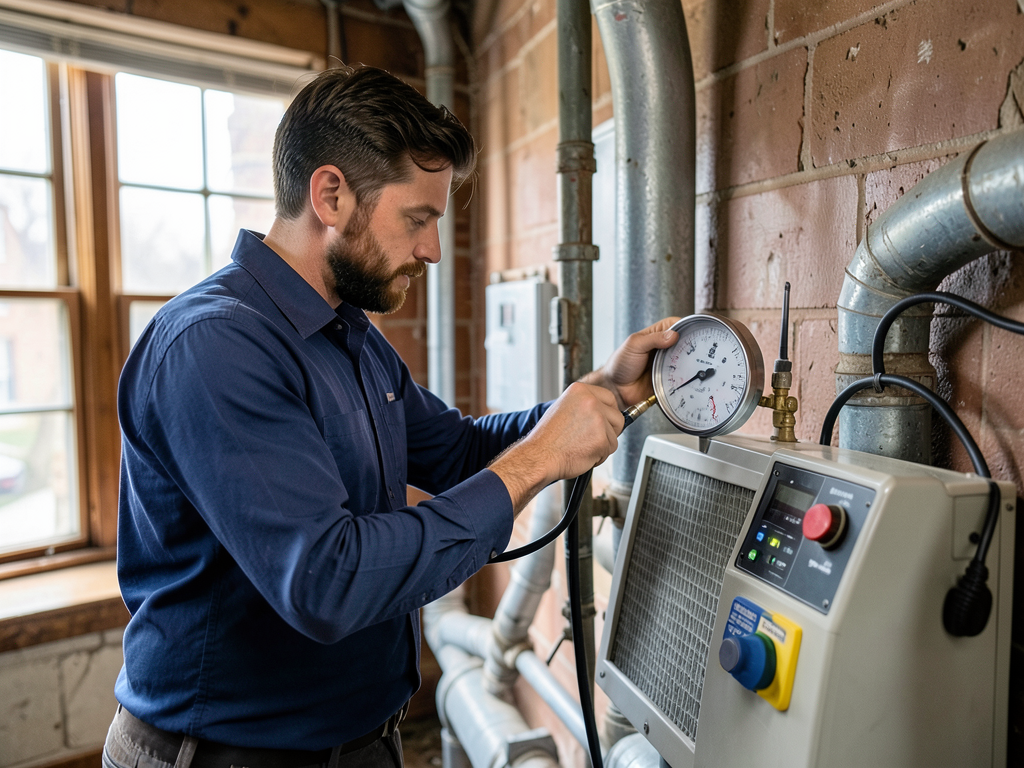
The Best Air Filter Upgrades for Georgetown Homes with Sensitive Historic Woodwork Georgetown's historic rowhouses feature irreplaceable wood trim, original hardwood floors, and intricate millwork that requires careful climate control. Standard air filters often create…
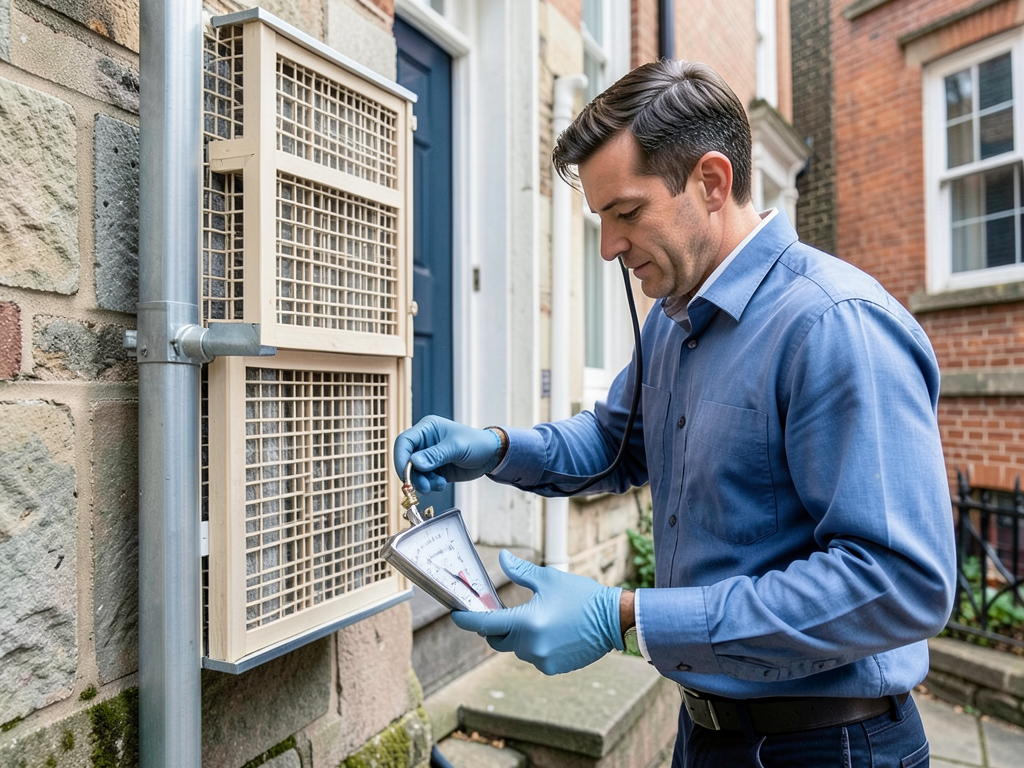
The Best Air Filter Upgrades for Georgetown Homes with Sensitive Historic Woodwork Georgetown's Federal-style rowhouses…
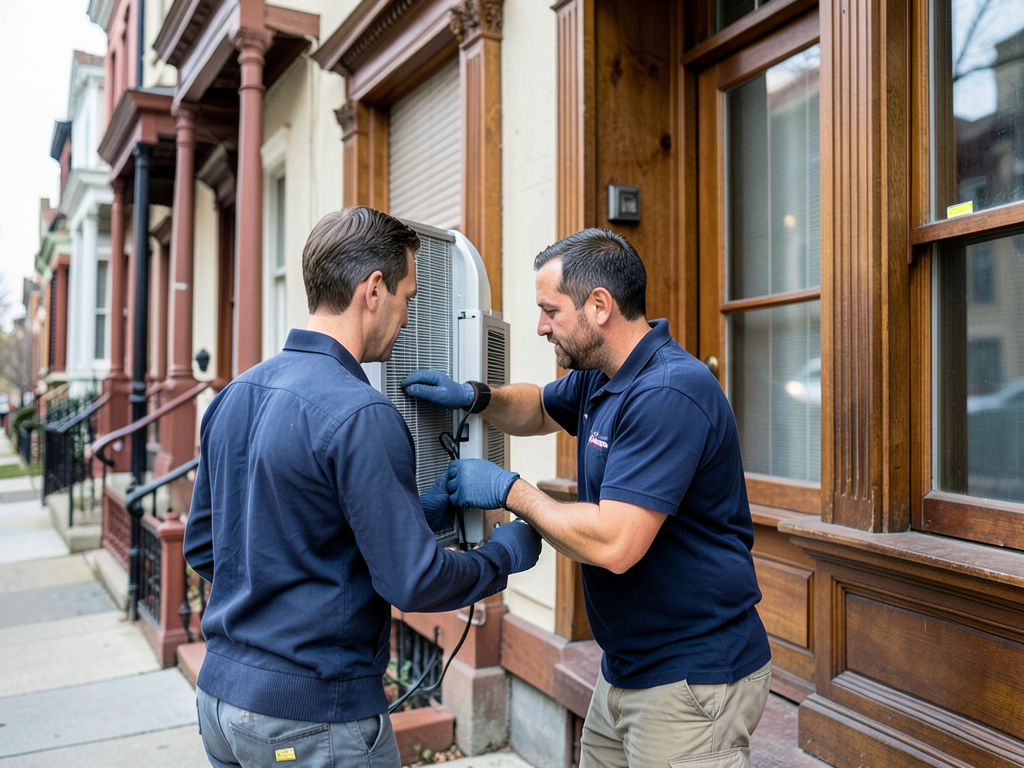
The Best Air Filter Upgrades for Georgetown Homes with Sensitive Historic Woodwork Georgetown's historic rowhouses…
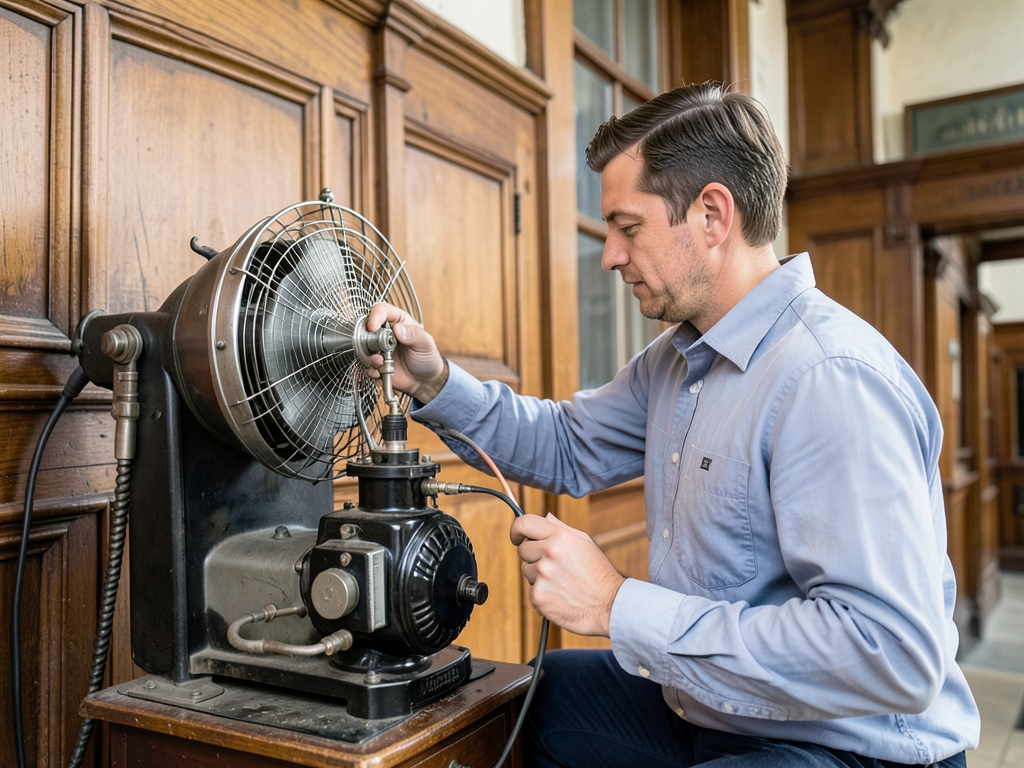
The Best Air Filter Upgrades for Georgetown Homes with Sensitive Historic Woodwork Georgetown's historic rowhouses…
Your comfort matters. Whether you need emergency repair, routine maintenance, or a new system, we respond fast with solutions that work. Call Patriot HVAC Washington DC now at (771) 218-6322 for same-day service throughout McLean. Our experienced technicians are ready to restore your comfort.