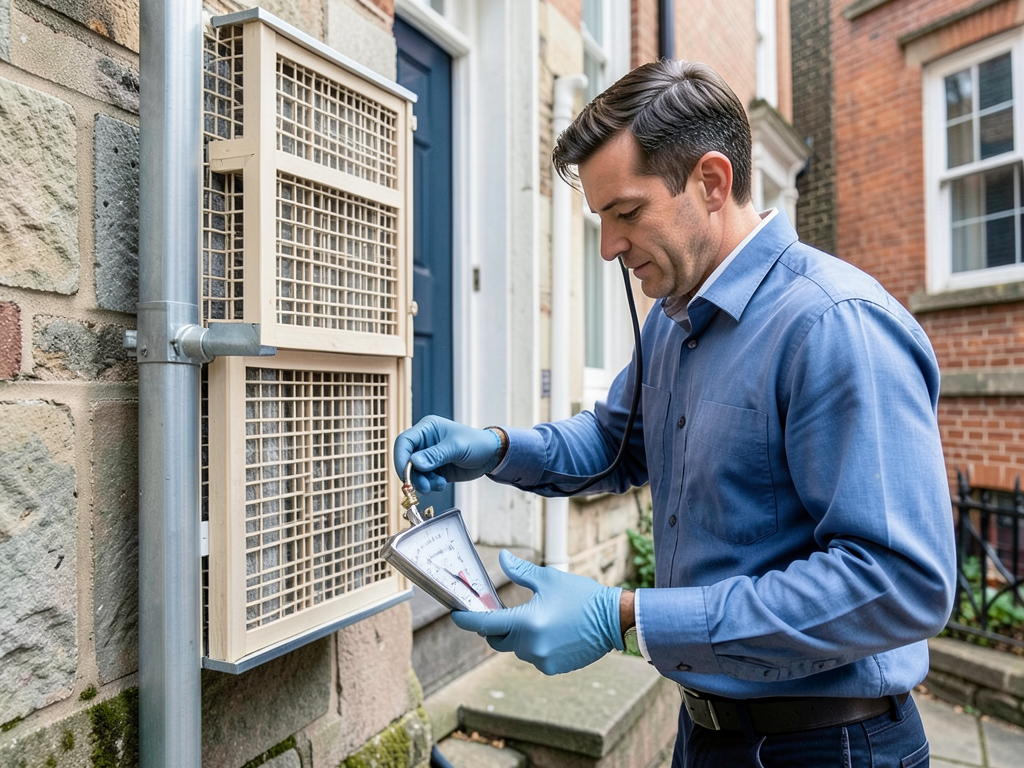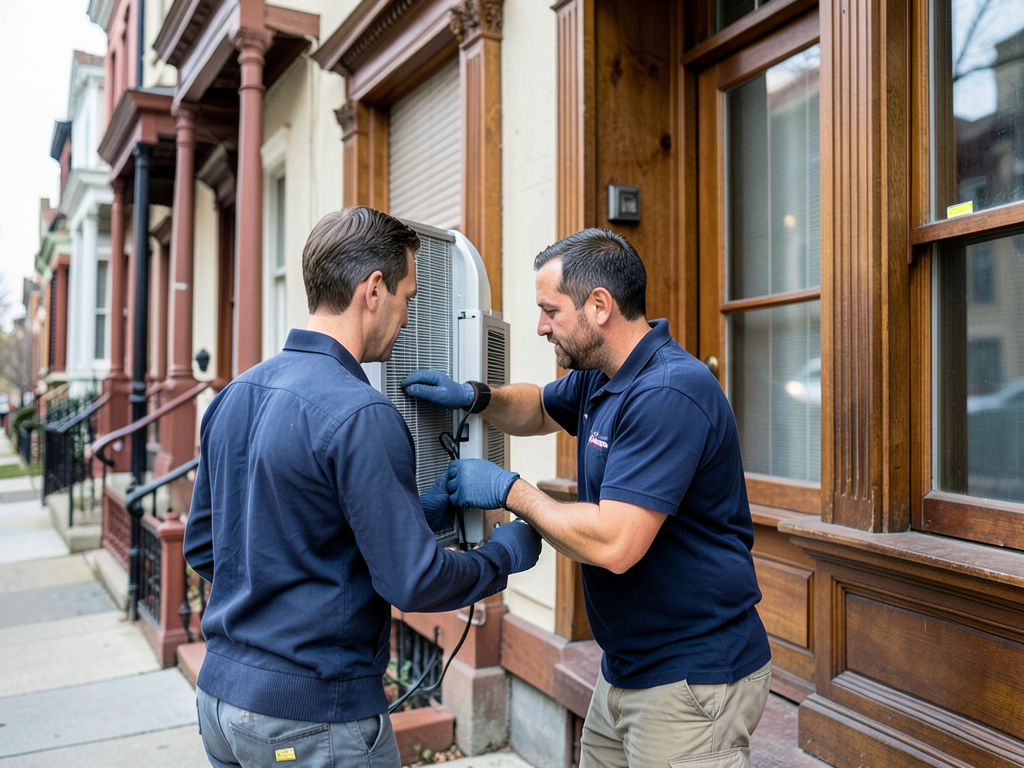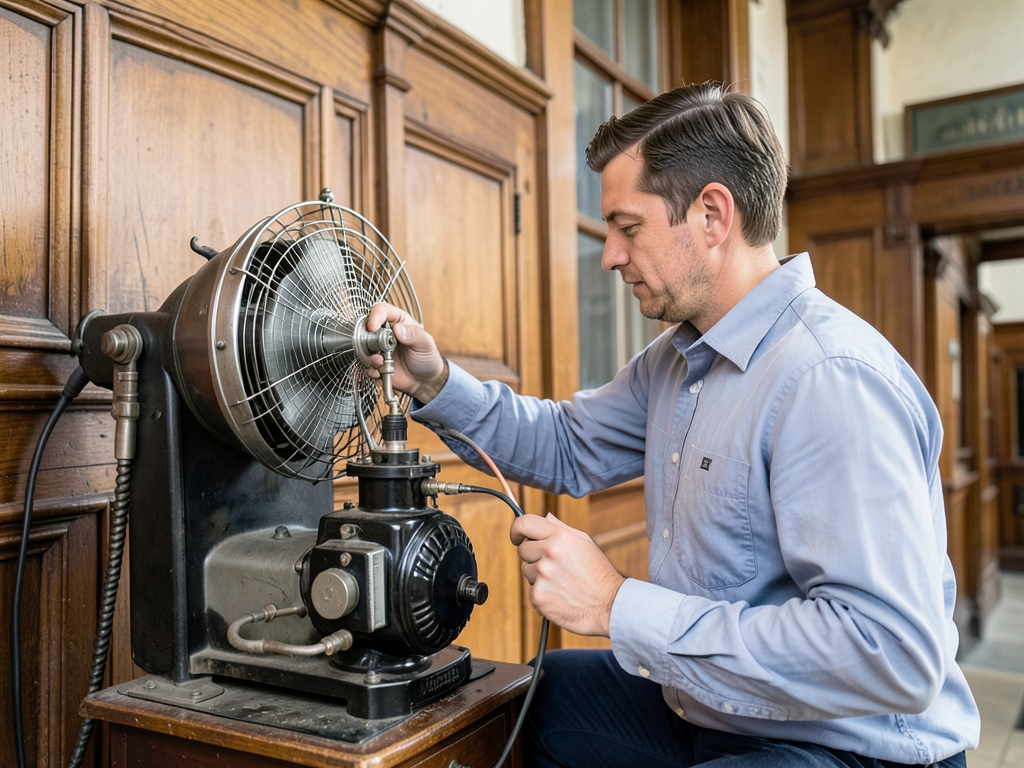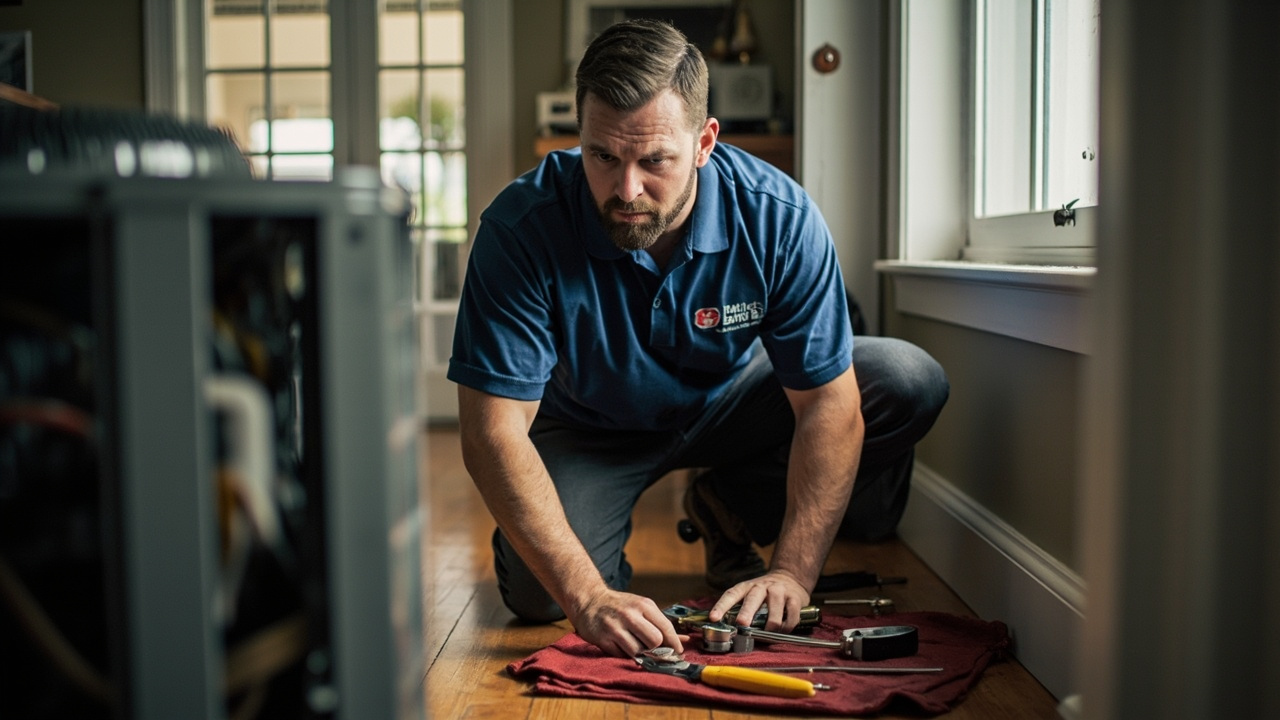

Washington, D.C. sits in ASHRAE climate zone 4A, characterized by hot, humid summers and cold, damp winters. This combination creates constant thermal expansion and contraction that loosens mounting hardware, cracks refrigerant line insulation, and fatigues motor mounts. The humidity variation, from 30% in January to 90% in July, causes duct liner to absorb and release moisture, changing acoustic properties and creating condensation that rusts sheet metal screws. The freeze-thaw cycles along the Potomac River corridor, averaging six per winter, cause ground heave that shifts ductwork in crawlspaces, breaking support hangers and creating vibration pathways. A noisy hvac system here deteriorates faster than in Phoenix or Seattle because the equipment never gets a break. It runs hard in summer, hard in winter, and cycles rapidly in spring and fall. That stress shows up as noise long before the system stops working.
Washington, D.C. requires mechanical permits for HVAC replacements and modifications. Section 106.3 of the DC Construction Code mandates inspection of all ductwork modifications, which means any noise-related duct reinforcement or resizing triggers a permit requirement. We pull permits when required and coordinate inspections with the Department of Consumer and Regulatory Affairs. We also understand the noise ordinance. Title 20 DCMR Chapter 27 limits mechanical equipment noise to 55 decibels during daytime and 50 decibels at night, measured at the property line. If your loud air conditioner violates that standard, you risk fines. We measure compliance and install sound attenuation when needed. Our familiarity with District regulations means your repair is code-compliant and legally defensible, not just mechanically sound.