Menu

Indoor Air Quality Solutions in Washington, D.C. – Combat Allergens, Mold, and Pollutants Year-Round

Advanced IAQ improvement services backed by diagnostic testing and engineered filtration systems to eliminate indoor pollutants, control humidity levels, and protect respiratory health across residential and commercial properties in the District.

Slider Image 1
Slider Image 2
Slider Image 3
Slider Image 4
Slider Image 5
Slider Image 7
Slider Image 8
Slider Image 9
Slider Image 10
Slider Image 11

Why Washington, D.C. Indoor Air Poses Hidden Health Risks

Washington, D.C.'s climate creates a perfect storm for poor indoor air quality. The District experiences humid summers with temperatures regularly exceeding 90 degrees and moisture levels above 70 percent. This humidity breeds mold, amplifies dust mite populations, and accelerates VOC off-gassing from building materials common in Georgetown rowhouses and Capitol Hill brownstones.

The Potomac River floodplain geography traps allergens and pollutants. Pollen from oak, maple, and sweetgum trees saturates the air from March through October. Diesel exhaust from Metro buses and construction equipment in rapidly developing neighborhoods like Navy Yard and NoMa infiltrates HVAC systems through inadequate filtration.

Older homes in historic districts often have outdated ventilation systems that recirculate stale air contaminated with cooking fumes, pet dander, and cleaning product residues. Modern energy-efficient buildings in Penn Quarter and Dupont Circle create tight building envelopes that trap pollutants without proper mechanical ventilation.

Residents experience chronic symptoms they attribute to seasonal allergies when the actual culprit is indoor air pollution. Persistent coughing, headaches, fatigue, and respiratory irritation signal that your HVAC air quality control system is failing to filter particulates and manage humidity effectively.

Home air quality systems must address multiple contamination sources simultaneously. Biological pollutants thrive in ductwork. Chemical pollutants accumulate in carpets and upholstery. Particulate matter circulates through poorly maintained air handlers. Addressing one problem while ignoring others leaves your family exposed to indoor air pollution solutions that fall short of comprehensive protection.

Why Washington, D.C. Indoor Air Poses Hidden Health Risks
How Professional IAQ Improvement Services Restore Clean Air

How Professional IAQ Improvement Services Restore Clean Air

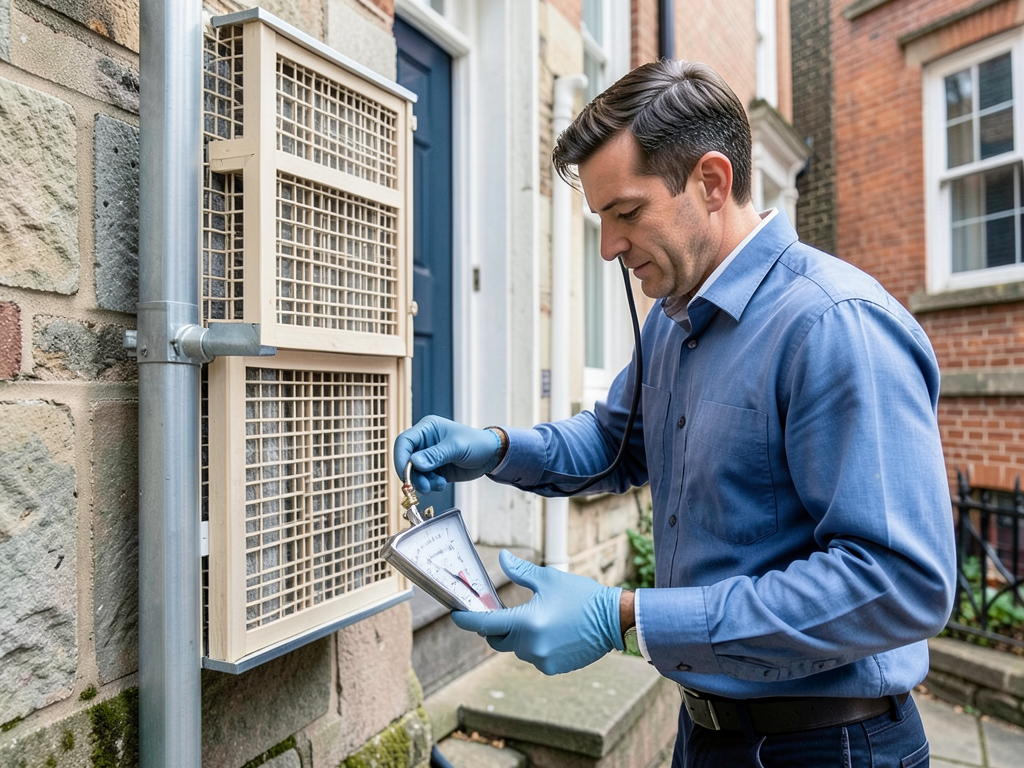
Effective residential air quality services start with diagnostic testing, not guesswork. We deploy calibrated IAQ monitors that measure PM2.5 and PM10 particulate concentrations, VOC levels, carbon dioxide accumulation, relative humidity, and airborne mold spore counts. This data reveals which pollutants compromise your indoor environment and where they originate.

Once we identify contamination sources, we engineer multi-layer filtration strategies. MERV-rated filters capture particles based on size. A MERV 13 filter removes 90 percent of particles between 1 and 3 microns, including mold spores, pollen, and bacteria. For homes with severe allergies or immunocompromised occupants, we install HEPA filtration systems that capture 99.97 percent of particles as small as 0.3 microns.

Mechanical ventilation solves the stale air problem in tightly sealed buildings. Energy recovery ventilators exchange indoor air with filtered outdoor air while transferring heat and humidity to minimize energy loss. This constant air exchange dilutes chemical pollutants and prevents carbon dioxide buildup without sacrificing comfort or efficiency.

Humidity control prevents mold growth and dust mite reproduction. Whole-home dehumidifiers maintain relative humidity between 30 and 50 percent, the range where biological pollutants cannot thrive. In winter, humidifiers prevent dryness that aggravates respiratory irritation and increases susceptibility to airborne viruses.

UV-C germicidal lamps installed in air handlers sterilize surfaces where mold and bacteria colonize. The 254-nanometer wavelength disrupts microbial DNA, preventing reproduction. Combined with regular coil cleaning and drain pan treatment, UV-C systems eliminate biological contamination at the source before pollutants enter your breathing space.

Our Proven IAQ Assessment and Remediation Process

Indoor Air Quality Solutions in Washington, D.C. – Combat Allergens, Mold, and Pollutants Year-Round
01

Comprehensive Air Quality Testing

We begin with a room-by-room assessment using professional-grade IAQ monitors that measure particulate matter, VOCs, carbon dioxide, carbon monoxide, humidity, and temperature. This baseline data identifies specific pollutants and concentration levels. We inspect ductwork for mold growth, test supply registers for adequate airflow, and evaluate filter condition. The diagnostic report pinpoints contamination sources and quantifies health risks, creating an evidence-based foundation for your customized air quality improvement plan.
02

Engineered System Installation

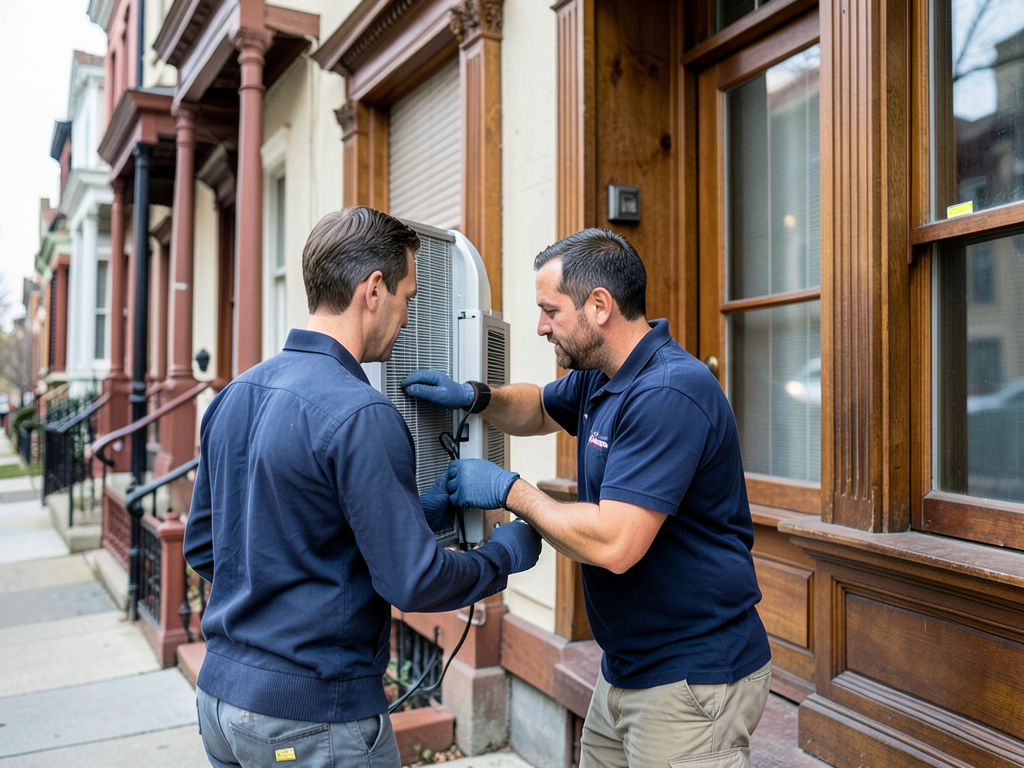
Based on testing results, we design a multi-component IAQ system tailored to your home's specific pollutant profile. Installation includes high-efficiency filtration, mechanical ventilation equipment, humidity control devices, and UV-C germicidal lamps where needed. We integrate these components with your existing HVAC system, ensuring proper airflow calculations and electrical requirements are met. All equipment is sized according to ACCA Manual D protocols to prevent short-cycling and maintain optimal performance without compromising heating and cooling capacity.
03

Verification and Ongoing Monitoring

After installation, we conduct follow-up testing to verify pollutant reduction and system effectiveness. Post-installation IAQ measurements document improvement in particulate counts, VOC levels, and humidity control. You receive a detailed report comparing before and after conditions. We establish a maintenance schedule for filter changes, UV lamp replacement, and annual system inspections. Quarterly check-ins track long-term performance and address any emerging air quality concerns before they compromise your health or comfort.

Why Washington, D.C. Properties Require Local IAQ Expertise

Washington, D.C. presents unique challenges that national HVAC chains cannot address with cookie-cutter solutions. Historic preservation requirements in neighborhoods like Old Town Alexandria and Capitol Hill restrict exterior modifications, requiring creative solutions for fresh air intake and exhaust venting that comply with preservation guidelines while meeting modern ventilation standards.

The District's building stock spans three centuries. Federal-era townhouses have gravity heating systems with minimal ductwork. Mid-century apartments use through-wall units with zero central air distribution. Modern condos in Wharf and City Center feature advanced building automation but suffer from construction defects that compromise air barriers. We adapt IAQ strategies to match each building type and construction era.

Local building codes require specific ventilation rates based on the DC Construction Codes, which incorporate ASHRAE Standard 62.2 requirements for residential buildings. Commercial properties must meet even stricter standards. We design systems that satisfy code requirements during inspections and deliver measurable health benefits, not minimum compliance solutions that look good on paper but fail in practice.

Patriot HVAC Washington DC maintains relationships with local suppliers who stock specialized equipment for the District's demanding applications. When you need a low-profile ERV for a rowhouse with limited attic access or a commercial-grade air purifier for a Shaw restaurant, we source and install it without the delays that plague out-of-area contractors waiting on shipments.

Our technicians live and work in the neighborhoods we serve. We understand that Foggy Bottom residents face different challenges than those in Anacostia or Chevy Chase. This local knowledge informs system design, equipment selection, and maintenance scheduling. You get solutions engineered for your specific microclimate and building conditions, not generic recommendations from a call center in another state.

What to Expect from Professional Air Quality Services

Rapid Response and Flexible Scheduling

Initial consultations typically occur within 48 hours of contact. The diagnostic phase takes two to four hours depending on property size and complexity. We schedule testing during occupied hours to measure real-world conditions, not empty-building baselines that underestimate actual pollutant exposure. Installation timelines vary based on system complexity. Simple filter upgrades and portable air purifiers deploy within days. Whole-home ventilation systems and UV-C installations require one to three days. We coordinate work around your schedule to minimize disruption, with evening and weekend appointments available for occupied commercial spaces and busy households.

Transparent Diagnostic Process

You receive detailed reports with actual measurements, not subjective assessments. IAQ monitors generate timestamped data showing pollutant concentrations in each room. We photograph contamination sources like moldy ductwork or clogged filters. Visual evidence and quantitative data eliminate guesswork and upselling. You see exactly what problems exist and understand how proposed solutions address specific pollutants. The assessment includes a prioritized action plan ranking improvements by health impact and urgency. This transparency allows you to make informed decisions about which upgrades to implement immediately and which to phase in over time.

Measurable Indoor Air Improvement

Post-installation testing documents actual pollutant reduction, not theoretical performance claims. You receive side-by-side comparisons showing before and after measurements for each contaminant category. Particulate matter reductions typically exceed 70 percent with properly specified filtration. VOC levels drop as ventilation dilutes chemical concentrations. Humidity stabilizes within the target range, eliminating the conditions that support mold growth and dust mite populations. The evidence-based approach proves system effectiveness and justifies your investment with objective health improvements. You will notice reduced allergy symptoms, better sleep quality, and fewer respiratory irritations within the first two weeks.

Comprehensive Maintenance Support

IAQ systems require ongoing maintenance to sustain performance. We provide detailed maintenance schedules specifying filter change intervals, UV lamp replacement timing, and system inspection frequencies. Automatic reminders ensure you never miss critical service dates. Annual inspections include cleaning coils, checking drain pans, testing sensors, and verifying airflow rates. We monitor equipment performance trends to identify degradation before it impacts air quality. Maintenance plans include priority scheduling and discounted service rates. For commercial clients managing multiple properties, we coordinate service across all locations and provide consolidated reporting to facility managers tracking compliance and performance metrics.

Frequently Asked Questions

You Have Questions,
We Have Answers

How do you fix poor indoor air quality? +

Fix poor indoor air quality by upgrading your HVAC filtration to MERV 11 or higher, scheduling duct cleaning to remove accumulated dust and mold, and installing a whole-home air purifier with HEPA capability. In Washington, D.C., high humidity from the Potomac River area demands adding a dehumidifier to prevent mold growth. Seal duct leaks to stop unfiltered air from entering your system. Replace filters every 30-60 days, especially during high pollen seasons. Consider UV light systems to kill bacteria and mold spores circulating through your ductwork. Professional HVAC assessment identifies specific contaminants affecting your home.

Do indoor air quality monitors actually work? +

Yes, indoor air quality monitors work by measuring particulate matter, volatile organic compounds, carbon dioxide, humidity, and temperature in real time. Consumer-grade monitors provide reliable data for common pollutants like dust, pollen, and VOCs. They help you identify when air quality drops and need ventilation or filtration adjustments. In Washington, D.C., monitors detect seasonal pollen spikes and humidity problems common to mid-Atlantic climates. However, they cannot replace professional testing for specific threats like radon, asbestos, or mold spores. Use monitors as early warning tools, not diagnostic equipment. Calibration matters, so choose EPA-recognized brands.

What are signs of poor indoor air? +

Signs of poor indoor air include persistent coughing, headaches, eye irritation, and unexplained fatigue that improves when you leave home. You may notice excessive dust accumulation on surfaces within days of cleaning, musty odors from vents, or visible mold growth near windows and bathrooms. Allergy symptoms that worsen indoors signal elevated pollen, dust mites, or pet dander. In Washington, D.C., humidity above 60 percent creates condensation on windows, promoting mold. Increased asthma attacks, sinus congestion, and dry throat also indicate contaminated air. Stale air that feels stuffy suggests inadequate ventilation through your HVAC system.

How much does indoor air quality testing cost? +

Professional indoor air quality testing in Washington, D.C. varies by scope. Basic particulate and VOC screening starts around $200 to $400. Comprehensive testing that includes mold spore analysis, radon measurement, carbon monoxide detection, and allergen identification typically ranges from $400 to $800. Specialized testing for formaldehyde, asbestos, or lead requires separate sampling and increases costs. HVAC contractors often bundle air quality assessments with duct inspections at reduced rates. Testing takes two to four hours, with lab results available within one week. Factors affecting price include home size, number of test locations, and specific contaminants requiring analysis.

How do I detox the air in my house? +

Detox indoor air by increasing ventilation through open windows during low-pollen mornings, running exhaust fans in kitchens and bathrooms, and upgrading to HEPA air purifiers. Remove VOC sources like synthetic air fresheners, scented candles, and chemical cleaners. Wash curtains, bedding, and upholstery to eliminate trapped allergens. Schedule HVAC duct cleaning to remove years of accumulated dust and mold. In Washington, D.C., use dehumidifiers to maintain 30-50 percent humidity and prevent mold growth. Add houseplants like spider plants or peace lilies for natural air filtration. Replace HVAC filters immediately and consider activated carbon filters for chemical removal.

What are the major causes of poor indoor air quality? +

Major causes of poor indoor air quality include inadequate ventilation that traps pollutants, dirty HVAC ductwork circulating dust and mold, high humidity promoting microbial growth, and VOCs from paints, furniture, and cleaning products. Pet dander, dust mites, and pollen enter through leaky ducts and windows. Combustion appliances like gas stoves release nitrogen dioxide and carbon monoxide. In Washington, D.C., seasonal humidity from the Chesapeake Bay watershed creates ideal mold conditions. Older homes near Capitol Hill may contain lead dust or asbestos. Smoking indoors and poor exhaust ventilation in kitchens and bathrooms concentrate contaminants throughout your home.

Is there a downside to air purifiers? +

Air purifiers have few downsides when used correctly, but ozone-generating models damage lungs and should be avoided. HEPA purifiers require regular filter replacements, adding ongoing costs. Units sized incorrectly for your room provide inadequate filtration. Noise from high fan speeds disrupts sleep in bedrooms. Air purifiers cannot replace proper ventilation or fix underlying moisture problems causing mold. In Washington, D.C., running purifiers during high-humidity months without dehumidifiers wastes energy. Portable units only clean single rooms, not whole homes. They also do not remove gases like carbon monoxide or radon, which require different mitigation strategies and professional HVAC intervention.

How to detect poor air quality in a house? +

Detect poor air quality by monitoring physical symptoms like persistent coughing, headaches, and allergy flare-ups that improve outdoors. Check for visible mold near windows, bathrooms, and basements. Inspect HVAC filters monthly. Dirty filters clogged within weeks signal excessive particulates. Use an indoor air quality monitor to measure particulate matter, VOCs, and humidity levels. In Washington, D.C., humidity above 60 percent indicates ventilation problems. Smell for musty, chemical, or stale odors from vents. Test for radon using DIY kits available at hardware stores. Professional HVAC inspections with airflow analysis and duct cameras reveal hidden contamination sources your system circulates daily.

Can my phone measure air quality? +

Your phone cannot directly measure air quality, but external sensors that connect via Bluetooth or WiFi provide accurate readings through companion apps. These devices measure particulate matter, VOCs, carbon dioxide, temperature, and humidity. Popular models sync with iOS and Android phones for real-time monitoring and alerts. However, phone apps claiming to measure air quality without hardware lack sensors and provide only outdoor AQI data from government monitoring stations. In Washington, D.C., outdoor AQI differs significantly from indoor conditions. For reliable indoor measurements, invest in dedicated monitors rather than relying on smartphone apps alone. Professional HVAC assessment remains most accurate.

How to tell if your house is toxic? +

Your house is toxic if you experience persistent respiratory symptoms, headaches, dizziness, or nausea that improve when away from home. Check for visible mold growth, peeling paint in pre-1978 homes that may contain lead, musty odors, or excessive condensation. Test for radon using DIY kits, as Washington, D.C. sits in EPA Zone 2 with moderate radon potential. Monitor for carbon monoxide with detectors near gas appliances. High VOC levels from new furniture, carpets, or renovations cause chemical sensitivity. Professional indoor air quality testing identifies specific toxins like formaldehyde, asbestos fibers, or mold spores requiring targeted remediation through HVAC improvements.

How Washington, D.C.'s Humid Subtropical Climate Demands Year-Round IAQ Management

The District sits at the intersection of humid subtropical and continental climate zones, creating seasonal extremes that stress indoor air quality systems. Summer humidity regularly exceeds 70 percent, creating ideal conditions for mold proliferation in ductwork and on air handler coils. Without aggressive dehumidification, condensation accumulates in crawl spaces under Capitol Hill rowhouses and basement mechanical rooms across Dupont Circle. Winter heating cycles drop indoor humidity below 20 percent, desiccating mucous membranes and increasing susceptibility to respiratory infections. This annual humidity swing demands active year-round control, not passive seasonal adjustments. Properties near the Potomac River and Anacostia River face elevated moisture intrusion, requiring supplemental dehumidification beyond standard HVAC capacity to prevent biological contamination.

Washington, D.C. enforces building codes that incorporate ASHRAE ventilation standards, requiring specific fresh air exchange rates based on occupancy and building use. Historic preservation districts impose additional constraints on exterior modifications, challenging contractors to meet modern IAQ requirements while respecting architectural integrity. We navigate DC construction code requirements and preservation guidelines daily, designing compliant systems that satisfy both inspectors and occupants. Our relationships with District building officials streamline permitting for complex installations. When you work with local HVAC professionals who understand DC-specific regulations, you avoid costly redesigns and inspection failures that delay projects and inflate budgets. The combination of technical expertise and regulatory knowledge ensures your IAQ investment delivers lasting health benefits without compliance headaches.
HVAC Services in The Washington DC Area

Easily locate Patriot HVAC and explore our service area on the map below. We are strategically positioned to provide prompt and efficient heating, ventilation, and air conditioning services across Washington D.C. and its neighboring communities. Whether you're seeking a quick repair or a new installation, our team is ready to serve your comfort needs.

Address:
Patriot HVAC Washington DC, 20 F St NW, Washington, DC, 20001

Additional Services We Offer

Our news updates

Latest Articles & News from The Blogs

A seasonal guide to the best day to switch from cooling to heating in Washington DC Washington DC homeowners face…

A seasonal guide to the best day to switch from cooling to heating in Washington DC

A seasonal guide to the best day to switch from cooling to heating in Washington DC Washington DC homeowners face…

The Ultimate Spring HVAC Checklist for Large Family Homes in Crestwood

The Ultimate Spring HVAC Checklist for Large Family Homes in Crestwood Spring in Washington DC means the humid summer heat…

Keeping construction dust out of your Buzzard Point apartment during nearby building projects

Keeping construction dust out of your Buzzard Point apartment during nearby building projects Construction dust from new developments along the…

Contact Us

Stop living with allergies, headaches, and respiratory irritation caused by contaminated indoor air. Call (771) 218-6322 now to schedule diagnostic testing. Our team will identify your specific pollutants and design a custom solution that protects your health and comfort.