Menu

No Heat Emergency Service in Washington, D.C. – Technicians Dispatched in Under 60 Minutes

When your heating system fails during a DC winter night, you need a technician at your door fast. We dispatch certified HVAC specialists to Georgetown, Capitol Hill, and every DC neighborhood within the hour, restoring warmth before frozen pipes become your next crisis.

Slider Image 1
Slider Image 2
Slider Image 3
Slider Image 4
Slider Image 5
Slider Image 7
Slider Image 8
Slider Image 9
Slider Image 10
Slider Image 11

Why No Heat Emergencies Escalate Fast in Washington, D.C.

You wake up at 3 AM and see your breath. The thermostat shows 48 degrees and dropping. In Washington, D.C., where winter temperatures regularly dip into the teens and moisture from the Potomac and Anacostia rivers creates persistent humidity, a failed heating system becomes dangerous in hours, not days.

DC's brick rowhomes and historic properties lose heat rapidly through uninsulated party walls and century-old windows. Your furnace quits, and within four hours, your pipes risk freezing. By morning, you face burst lines, water damage, and a cascading repair bill that turns a heating failure into a structural nightmare.

The District's mix of aging infrastructure and modern forced-air systems creates unique vulnerabilities. Many Capitol Hill brownstones still run original cast iron radiators fed by basement boilers. Adams Morgan condos rely on heat pumps that struggle when overnight lows hit single digits. When these systems fail after hours, you need 24 hour heating repair that understands DC's architectural complexity.

Every hour without heat increases risk. Frozen pipes crack behind walls. Humidity condenses and soaks drywall. Elderly residents and young children face hypothermia risk. You need urgent heater service that stops the cascade before your emergency becomes a catastrophe. Waiting until morning is not an option. You need a technician diagnosing your dead furnace now, not when the sun comes up and the damage is done.

Why No Heat Emergencies Escalate Fast in Washington, D.C.
How Patriot HVAC Washington DC Restores Heat Under Pressure

How Patriot HVAC Washington DC Restores Heat Under Pressure

Emergency furnace repair starts the moment you call. Our dispatch system routes your address to the closest available technician, who arrives with a fully stocked van containing igniters, flame sensors, pressure switches, gas valves, and blower motors for every major furnace brand installed in DC homes.

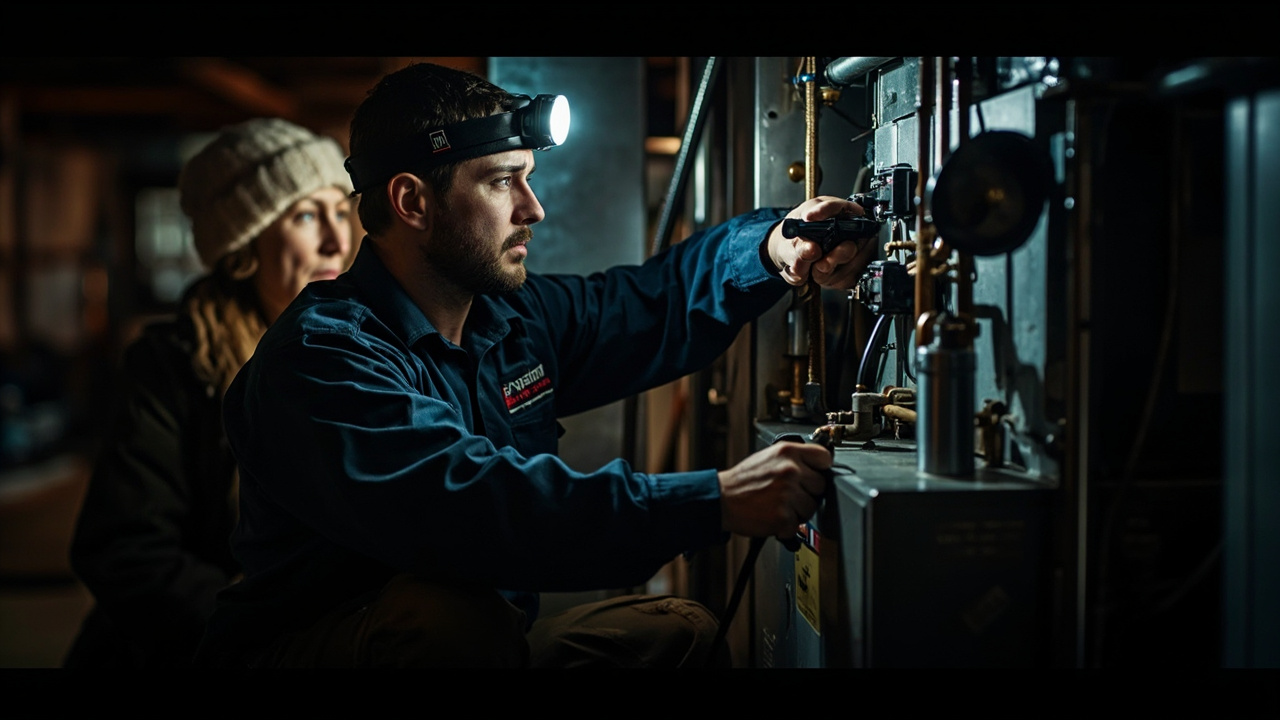
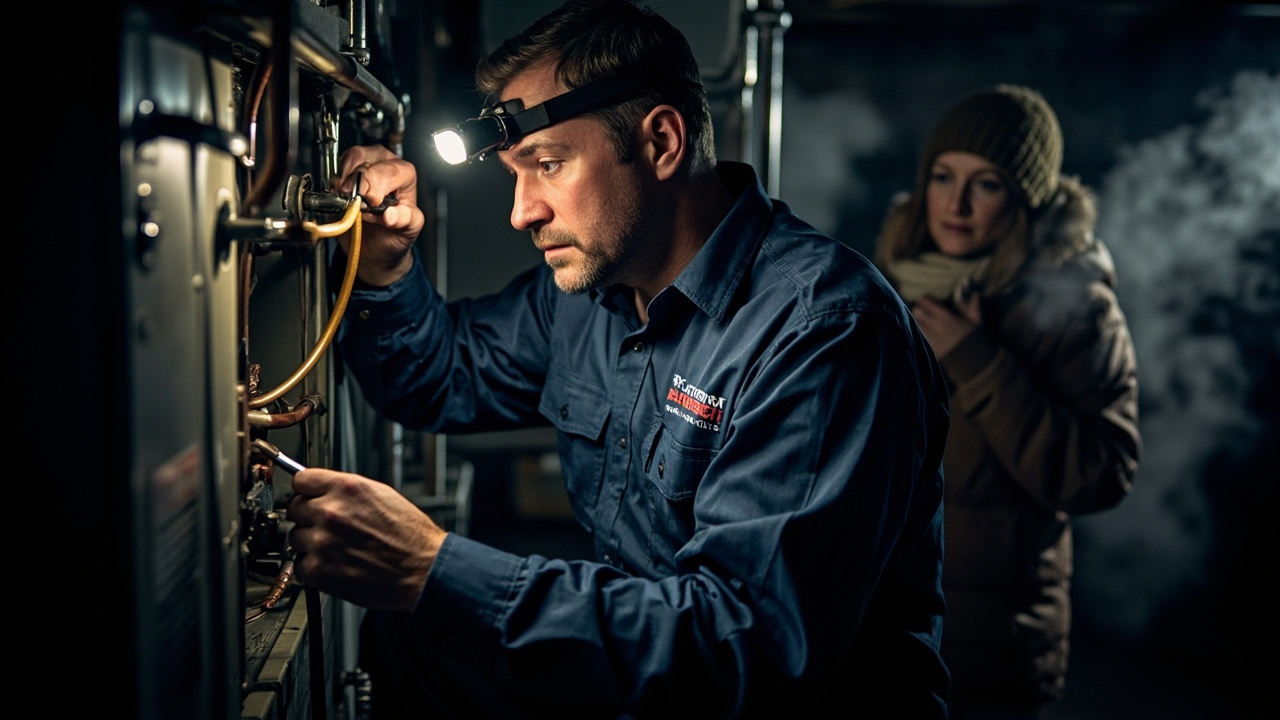
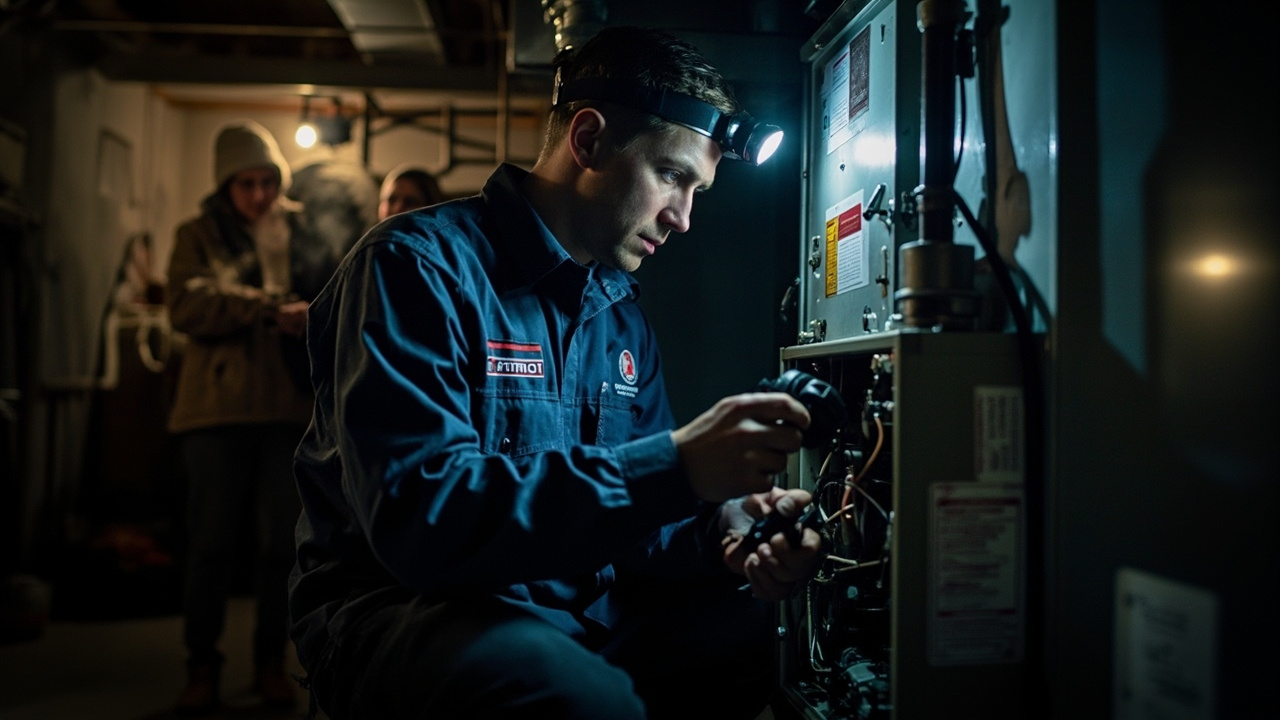
We do not troubleshoot over the phone or schedule you for tomorrow. You get a certified technician at your door within 60 minutes, carrying diagnostic tools and replacement parts. The technician immediately checks your thermostat, inspects your circuit breaker, and opens your furnace cabinet to assess the heat exchanger, ignition system, and blower assembly.

Most no heat calls trace to five failures. A dirty flame sensor prevents ignition. A tripped pressure switch shuts down airflow safety protocols. A failed igniter cannot light the gas. A cracked heat exchanger triggers the rollout switch. A dead blower motor stops air circulation. Our technicians diagnose which component failed, explain the failure mode, and present repair options on the spot.

For boiler systems common in DC rowhomes, we check water pressure, circulator pumps, zone valves, and expansion tanks. Radiator systems require different diagnostics than forced air. We inspect aquastats, check for air locks in the lines, and verify proper flow through each zone.

After hours heating repair means working efficiently under stress. We restore heat first, then address underlying issues. If your igniter failed, we replace it and verify combustion. If your blower motor seized, we install a new motor and test airflow. You get warmth restored tonight and a clear explanation of what failed and why.

What Happens When You Call for 24/7 Furnace Repair

No Heat Emergency Service in Washington, D.C. – Technicians Dispatched in Under 60 Minutes
01

Immediate Dispatch and Arrival

You call our emergency line and speak directly to dispatch, not an answering service. We log your address, confirm your heating system type, and route the nearest available technician to your location. You receive a text with the technician's name, photo, and estimated arrival time. Our average response time from call to doorstep is 52 minutes across all DC neighborhoods, including after midnight calls to Petworth, Anacostia, and Foggy Bottom.
02

On-Site Diagnosis and Repair

The technician performs a full system diagnostic, testing voltage at the transformer, checking gas pressure at the manifold, and inspecting the combustion chamber for cracks or soot buildup. We identify the failed component, explain the failure in plain terms, and provide upfront pricing before starting repairs. Most emergency repairs complete within 90 minutes of arrival. You approve the work, we execute the fix, and your system returns to operation before you lose another degree of indoor temperature.
03

System Testing and Monitoring

After the repair, we run your furnace through three full heating cycles to verify ignition consistency, monitor temperature rise across the heat exchanger, and confirm proper blower operation. We check airflow at your vents, verify your thermostat accurately controls the system, and inspect for gas leaks with electronic detection equipment. You receive a written report detailing what failed, what we replaced, and what to watch for. We do not leave until your home reaches your set temperature.

Why DC Homeowners Trust Patriot HVAC Washington DC for No Heat Crises

Washington, D.C. is not a generic city with generic heating systems. Your rowhome in Shaw has a different system than a high-rise condo in Navy Yard. Historic homes in Dupont Circle run hydronic heating with radiators installed in 1920. New construction in Capitol Riverfront uses variable-speed heat pumps. Emergency heating repair requires familiarity with this range.

We service every system type installed across the District. Our technicians carry parts for Carrier, Trane, Lennox, Rheem, Bryant, and Goodman furnaces. We stock igniters for American Standard gas valves and blower motors for York air handlers. When you call at 2 AM with no heat, we do not tell you we need to order parts. We fix it tonight with what is already in the van.

DC building codes require compliance with Title 12 of the DC Municipal Regulations, which governs HVAC installations and repairs. Our technicians maintain DC Master HVAC licenses and pull permits when required. Emergency repairs that involve gas line modifications or electrical upgrades meet District code, which matters when you sell your home or file an insurance claim.

We also understand the practical challenges of DC service. Parking restrictions in Georgetown mean technicians sometimes hand-carry equipment two blocks. Narrow basement stairs in Capitol Hill rowhomes require specific equipment configurations. Condo board rules in Penn Quarter buildings dictate after-hours access protocols. We navigate these variables daily.

You are not hiring a national franchise with a call center in another state. You are hiring DC technicians who know the mechanical systems, architectural quirks, and permitting requirements specific to this city.

What You Can Expect During an Emergency Heating Call

Response Time and Availability

We answer emergency calls 24 hours a day, 365 days a year, including holidays. You call, we dispatch. Our average arrival time is under 60 minutes from initial contact to technician at your door. We do not put you on a waiting list or tell you we can squeeze you in tomorrow morning. No heat emergencies require immediate response. You get a technician tonight, whether you call at 9 PM on a Wednesday or 4 AM on Christmas morning. We service every DC neighborhood from Capitol Hill to Friendship Heights, Brookland to Southwest Waterfront.

Diagnostic Process and Transparency

Emergency diagnostics begin with safety checks for carbon monoxide, gas leaks, and electrical hazards. The technician then isolates the failure point through systematic testing. You see the failed component, understand why it failed, and receive clear pricing before any repair begins. We do not start work without your approval. If your furnace needs a simple igniter replacement, we tell you that. If your heat exchanger cracked and you need a full furnace replacement, we explain why. You make informed decisions based on facts, not fear.

Repair Quality and Parts

We use OEM (original equipment manufacturer) parts whenever possible, which means your Carrier furnace gets a Carrier igniter, not a generic substitute. OEM parts fit correctly, maintain manufacturer specifications, and perform reliably. Our vans stock high-failure components for every major brand, which allows us to complete most repairs in a single visit. When we replace a part, we test it under load, verify proper operation, and confirm your system meets manufacturer performance standards. Your heating system runs correctly when we leave.

Post-Repair Support and Prevention

After restoring heat, we provide written documentation of the repair, including the failed component, replacement part number, and system performance metrics. You also receive guidance on preventing future failures, which often involves simple maintenance like changing filters or scheduling annual tune-ups before winter. If you experience issues after the repair, you call us back. We stand behind our emergency work. Many customers transition from emergency clients to maintenance plan members, which prevents future middle-of-the-night heating failures through proactive seasonal inspections.

Frequently Asked Questions

You Have Questions,
We Have Answers

Is having no heat an emergency? +

Yes. When outdoor temperatures drop below freezing in Washington, D.C., no heat becomes an emergency. Pipes can freeze and burst within hours, causing thousands in water damage. Vulnerable residents face hypothermia risk. Washington, D.C. winters routinely hit the 20s and teens, making indoor heat critical for safety. If your furnace fails, do not wait. Call a 24/7 emergency HVAC service immediately. Freezing pipes, health risks, and system damage escalate fast. Washington, D.C. building codes require landlords to maintain heat, and homeowners should treat system failure with urgency to prevent catastrophic damage.

How long can a house go without heat? +

In Washington, D.C. winters, a house should not go more than a few hours without heat when temperatures drop below freezing. Pipes begin freezing at 32 degrees, but interior walls and crawl spaces often freeze faster. Within 6 to 12 hours, you risk burst pipes, especially in older homes common in neighborhoods like Capitol Hill or Dupont Circle. Vulnerable residents, children, and elderly face hypothermia risk within hours. Do not gamble with time. Contact emergency HVAC repair immediately. The freeze-thaw cycles common in Washington, D.C. accelerate structural damage.

Who to call when heat doesn't work? +

Call a licensed emergency HVAC company immediately. Look for 24/7 availability and fast response times. If you smell gas, hear strange noises, or see flames, shut off your system and call 911 first, then an HVAC technician. Washington, D.C. residents should keep a trusted HVAC contractor's number saved before winter hits. Check the thermostat, air filter, and circuit breaker first, but do not attempt complex repairs yourself. Furnace malfunctions involve gas lines, electrical systems, and carbon monoxide risk. Emergency service prioritizes your safety and gets heat restored fast.

What to do if there is no heat? +

First, check your thermostat settings and replace the air filter. Verify the circuit breaker has not tripped. If these steps fail, call emergency HVAC service immediately. Do not use open flames, gas ovens, or portable heaters as primary heat sources. These create carbon monoxide and fire hazards. Move vulnerable family members to a warmer location if possible. Close off unused rooms to conserve warmth. In Washington, D.C., freezing pipes are a serious concern, so act within hours, not days. Emergency technicians diagnose and repair furnace failures fast, restoring safe heat.

How long can you leave a tenant without heat? +

In Washington, D.C., landlords must restore heat within 24 hours under emergency repair laws. The D.C. Housing Code mandates landlords maintain functional heating systems capable of reaching 68 degrees from October through April. Leaving a tenant without heat longer than 24 hours exposes landlords to legal liability, fines, and tenant remedies like rent withholding or repair-and-deduct. Washington, D.C. winters are not mild. Frozen pipes and tenant health risks escalate fast. If your landlord fails to act, document the issue, contact D.C. housing authorities, and seek legal advice immediately.

What is the $5000 rule? +

The $5000 rule is an IRS guideline for capitalizing versus expensing repairs. If a repair costs less than $5000, you may expense it immediately. If it exceeds $5000 or substantially improves the system, you must capitalize and depreciate it over time. This applies to HVAC replacements, not emergency repairs. Washington, D.C. homeowners replacing furnaces should consult a tax professional to determine classification. Emergency no-heat repairs typically fall below this threshold and qualify as deductible maintenance expenses. The rule helps you plan tax strategy around major HVAC investments or emergency replacements.

Is it safe to sleep in a house with no heat? +

No, sleeping in a house without heat is not safe during Washington, D.C. winters. Indoor temperatures can drop into the 30s or 40s overnight, increasing hypothermia risk, especially for children, elderly, and those with health conditions. Frozen pipes can burst while you sleep, flooding your home. Carbon monoxide from faulty heating attempts creates silent, deadly risk. If your heat fails, seek temporary shelter with family or friends, or use a hotel. Do not tough it out. Call emergency HVAC service immediately. Your safety and your home's integrity depend on fast action.

At what temperature will pipes freeze without heat? +

Pipes freeze when exposed to temperatures of 32 degrees or below, but interior pipes often freeze between 20 and 32 degrees depending on insulation and airflow. In Washington, D.C., older homes in neighborhoods like Georgetown or Shaw have exposed pipes in crawl spaces, basements, and exterior walls. Pipes can freeze within 6 hours when heat fails. Once frozen, they expand and burst, causing severe water damage. Keep your thermostat at 55 degrees minimum if you leave town. If heat fails, call emergency HVAC repair immediately to prevent costly pipe damage.

What temperature is dangerously cold for a house? +

Indoor temperatures below 50 degrees are dangerously cold for a house. At this point, pipes risk freezing, vulnerable residents face hypothermia, and structural damage begins. Washington, D.C. winters demand indoor temps stay above 55 degrees minimum to protect plumbing and health. Temperatures in the 40s overnight can freeze pipes in uninsulated areas like crawl spaces or attics. If your home drops below 55 degrees, you have an emergency. Call 24/7 HVAC service immediately. Do not wait for temperatures to drop further. Damage escalates fast in freezing conditions.

How to heat up a house when heat isn't working? +

Use safe temporary methods only. Space heaters with automatic shutoffs can warm one room, but never leave them unattended or near flammable materials. Close doors to unused rooms and use towels to block drafts. Layer clothing and use blankets. Do not use gas ovens, open flames, or outdoor heaters indoors. These create carbon monoxide and fire hazards. In Washington, D.C., where winter temps drop into the teens, temporary measures buy you hours, not days. Call emergency HVAC service immediately. Professional repair is the only safe, permanent solution to restore heat.

How DC's Freeze-Thaw Cycles and Historic Housing Stock Create Heating Vulnerabilities

Washington, D.C. experiences 20 to 30 freeze-thaw cycles each winter, where temperatures drop below 32 degrees at night and rise above freezing during the day. This cycling stresses furnaces and boilers that ramp up and down repeatedly. Historic rowhomes built between 1880 and 1940 across Capitol Hill, Dupont Circle, and Shaw often lack proper insulation in exterior walls, forcing heating systems to work harder than designed capacity. When a furnace runs continuous heating cycles for days during cold snaps, components like igniters, gas valves, and blower motors fail from overuse. DC homes also face high indoor humidity from the Potomac River basin, which causes condensation in flue pipes and accelerates corrosion in heat exchangers.

Emergency heating repair in DC requires familiarity with both modern forced-air systems and legacy hydronic heating common in pre-war construction. Patriot HVAC Washington DC technicians train specifically on the cast iron boilers, steam radiators, and gravity furnaces still operating in historic districts. We also navigate DC Department of Buildings permitting requirements for gas line work and maintain compliance with local mechanical codes. When you hire a company that serves the entire DC metro, you get technicians who understand the specific heating challenges of this region. National chains send generalists. You need specialists who have diagnosed thousands of no heat calls in homes exactly like yours.
HVAC Services in The Washington DC Area

Easily locate Patriot HVAC and explore our service area on the map below. We are strategically positioned to provide prompt and efficient heating, ventilation, and air conditioning services across Washington D.C. and its neighboring communities. Whether you're seeking a quick repair or a new installation, our team is ready to serve your comfort needs.

Address:
Patriot HVAC Washington DC, 20 F St NW, Washington, DC, 20001

Additional Services We Offer

Our news updates

Latest Articles & News from The Blogs

The Best Air Filter Upgrades for Georgetown Homes with Sensitive Historic Woodwork Georgetown's Federal-style rowhouses and Victorian homes need special…

The Best Air Filter Upgrades for Georgetown Homes with Sensitive Historic Woodwork

The Best Air Filter Upgrades for Georgetown Homes with Sensitive Historic Woodwork Georgetown's Federal-style rowhouses and Victorian homes need special…

The Best Air Filter Upgrades for Georgetown Homes with Sensitive Historic Woodwork

The Best Air Filter Upgrades for Georgetown Homes with Sensitive Historic Woodwork Georgetown's historic rowhouses and Federal-style homes face a…

The Best Air Filter Upgrades for Georgetown Homes with Sensitive Historic Woodwork

The Best Air Filter Upgrades for Georgetown Homes with Sensitive Historic Woodwork Georgetown's historic rowhouses and Federal-style homes feature exquisite…

Contact Us

Your furnace will not fix itself. Every hour without heat increases damage risk and discomfort. Call Patriot HVAC Washington DC at (771) 218-6322 right now. We dispatch a certified technician to your location within the hour and restore heat tonight.