
How to Choose the Right Air Conditioning Replacement for Your Foggy Bottom Townhouse
Replacing your air conditioning system in Foggy Bottom requires understanding the unique challenges of DC rowhouses and condo buildings. With summer humidity pushing 85% and historic preservation rules limiting exterior modifications, the right choice depends on your building’s age, layout, and energy goals. DC Sustainable Energy Utility rebates.
Understanding Foggy Bottom’s AC Replacement Needs
Foggy Bottom’s mix of historic rowhouses and high-rise condos creates distinct HVAC challenges. Rowhouses built before 1950 often lack ductwork, while modern condos face space constraints for outdoor units. The area’s clay-heavy soil can cause foundation settling that affects ductwork alignment, and the urban heat island effect means rooftop units work harder than in suburban areas.. Read more about How to Install Modern Air Conditioning in a Historic Georgetown Rowhome.
DC building codes require compliance with Title 24 energy standards, and the Historic Preservation Office (HPO) must approve any exterior modifications visible from public rights-of-way. This means condenser placement on narrow Foggy Bottom alleys requires careful planning to avoid blocking emergency access routes. DC Historic Preservation Office guidelines.
System Types for Foggy Bottom Properties
Choosing between central air, ductless mini-splits, and high-velocity systems depends on your building’s structure. Central air works best for townhouses with existing ductwork, while ductless systems excel in rowhouses where running ducts through historic walls would damage plaster or compromise structural integrity.
High-velocity HVAC systems use small-diameter ducts that fit within 2×4 wall cavities, making them ideal for Foggy Bottom’s narrow rowhouse walls. These systems operate at higher pressures, delivering cool air through 2-inch flexible tubing rather than traditional 6-inch ducts.
| System Type | Best For | Installation Time | Energy Efficiency |
|---|---|---|---|
| Central Air | Existing ductwork | 2-4 days | SEER2 16-21 |
| Ductless Mini-Split | Historic rowhouses | 1-2 days | SEER2 20-25 |
| High-Velocity | Narrow walls | 3-5 days | SEER2 18-22 |
DC Building Codes and Permit Requirements
DC Department of Buildings (DOB) requires permits for all AC replacements, with processing times averaging 5-7 business days for standard residential installations. Historic District properties need additional HPO review, extending timelines to 2-3 weeks. The DOB mandates that all new systems meet minimum SEER2 14.3 efficiency standards.
Condenser units must maintain specific clearances from property lines and cannot obstruct alley access. The DC Green Building Code requires that replacement systems include programmable thermostats and meet minimum sound level requirements of 70 decibels at the property line.. Read more about Finding the Quietest AC Units for Your Forest Hills Backyard.
Energy Efficiency and Cost Considerations
DC’s humid summers make proper sizing critical. An oversized unit short cycles, failing to dehumidify properly and wasting energy. A Manual J load calculation determines the exact cooling capacity needed based on your townhouse’s square footage, insulation levels, and window orientation. Short Cycling.
DCSEU (DC Sustainable Energy Utility) offers rebates up to $300 for high-efficiency AC replacements meeting SEER2 16+ standards. Federal tax credits through 2026 provide additional savings of up to $300 for qualifying systems. These incentives can offset 15-20% of total replacement costs.. Read more about How to Save Thousands on a New Heat Pump with DCSEU Rebates.
Common Foggy Bottom AC Problems
Many Foggy Bottom rowhouses suffer from poor attic ventilation, causing attic temperatures to exceed 130°F in summer. This heat radiates downward, forcing AC systems to work 30-40% harder. Adding proper ridge vents and soffit ventilation can reduce cooling costs by 15-20%. Ventilation & Exhaust Systems.
Historic buildings often have single-pane windows that leak cool air. Before replacing your AC, consider adding weatherstripping or upgrading to double-pane windows. This combination can reduce cooling loads by 25% or more, allowing you to install a smaller, more efficient system.
Installation Timeline and Process
A typical AC replacement in Foggy Bottom follows this sequence: permit acquisition (1 week), equipment delivery (1-2 days), old unit removal (1 day), new installation (2-3 days), final inspection (1 day). Total timeline: 2-3 weeks from contract signing to final approval.
Summer months see higher demand, extending lead times to 4-6 weeks. Scheduling during spring or fall can reduce wait times and often costs 5-10% less due to seasonal pricing.
Choosing the Right Contractor
Look for NATE-certified technicians with DC Master Mechanic licenses. Ask for references from other Foggy Bottom properties and verify insurance coverage specifically for work in historic districts. A reputable contractor will perform a detailed load calculation and explain all permit requirements before signing any agreement.
Avoid contractors who quote prices without inspecting your property. Every Foggy Bottom townhouse has unique challenges—from basement moisture affecting ductwork to roofline constraints for outdoor units. Generic quotes often miss critical factors that affect both performance and code compliance.. Read more about Why Every Petworth Row Home Should Consider a Heat Pump Conversion.
Maintenance for Long-Term Performance
DC’s humidity and pollution create specific maintenance needs. Air filters should be changed every 30-45 days during cooling season, not the standard 90 days recommended elsewhere. Condenser coils in urban areas collect more debris and require cleaning twice yearly instead of annually. Air Duct Cleaning.
Check refrigerant levels annually, as urban heat islands can cause slightly higher operating pressures. Listen for unusual noises—grinding sounds often indicate failing bearings, while hissing may signal refrigerant leaks that reduce efficiency by 15-20%.
Financing Your AC Replacement
Many Foggy Bottom homeowners spread costs over 12-60 months through HVAC-specific financing programs. These often feature 0% introductory rates for 12 months or fixed rates as low as 5.99% for qualified buyers. Some programs allow you to roll in related improvements like attic insulation or window upgrades.. Read more about High-Efficiency HVAC Upgrades That Save Money on DC Utility Bills.
Consider energy savings when evaluating financing options. A new SEER2 18 system might save $500-700 annually compared to a 15-year-old unit, potentially covering a significant portion of monthly payments.
Frequently Asked Questions
How long does an AC replacement take in Foggy Bottom?
Physical installation takes 2-3 days, but the full process including permits and inspections typically requires 2-3 weeks. Historic District properties may need 4-5 weeks total.
Do I need permits for AC replacement in DC?
Yes. DC DOB requires permits for all AC replacements. Historic District properties need additional HPO approval. Permit fees range from $250-500 depending on system size.
What size AC do I need for my townhouse?
Size depends on square footage, insulation, windows, and local climate factors. A Manual J calculation by a licensed contractor determines the exact tonnage needed, typically 1.5-3 tons for Foggy Bottom townhouses.
Are there rebates available for AC replacement in DC?
Yes. DCSEU offers rebates up to $300 for high-efficiency systems. Federal tax credits through 2026 provide additional savings. Total incentives can offset 15-20% of replacement costs.
How much does AC replacement cost in Foggy Bottom?
Costs vary by system type and property specifics. Central air replacement typically ranges $5,000-9,000, while ductless systems run $4,000-8,000. Historic properties may cost 10-15% more due to permitting and preservation requirements.
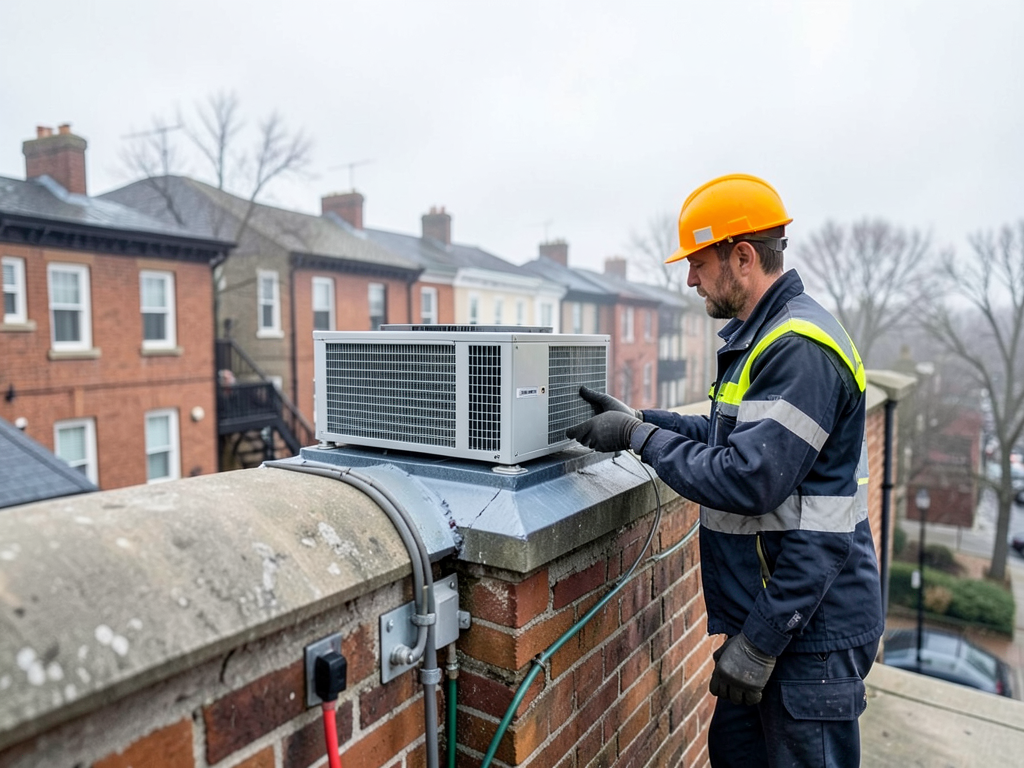
Technician inspecting a condenser unit on a Foggy Bottom rowhouse rooftop, showing proper clearance from parapet walls and electrical connections.
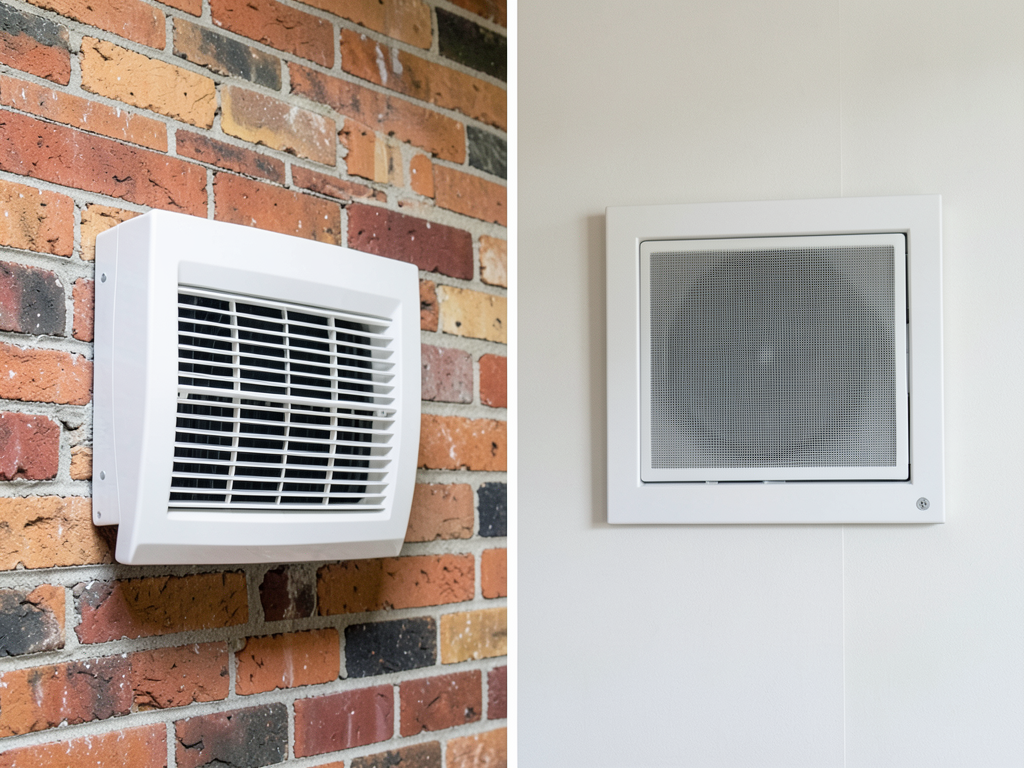
Diagram comparing ductless mini-split head units mounted on historic brick walls versus traditional central air registers in modern drywall.
Close-up of a Manual J load calculation report showing cooling load calculations for a typical 1,800 sq ft Foggy Bottom townhouse.
Ready to Replace Your AC?
Don’t wait until your old system fails during a July heatwave. The right AC replacement improves comfort, reduces energy bills, and increases your property value. With proper sizing, code compliance, and professional installation, your new system will provide reliable cooling for 15-20 years. Finding Reliable Emergency AC Repair in Capitol Hill DC During a Heatwave.
Call (771) 218-6322 today to schedule your free consultation. We’ll assess your specific needs, explain all options, and handle every permit and inspection required for your Foggy Bottom townhouse.
Pick up the phone and call (771) 218-6322 before the next heat wave hits. Your comfort can’t wait, and neither should you.
You may also find this helpful. Keeping Your Columbia Heights Rental Property Cool All Summer Long.
You may also find this helpful. The Best Air Quality Solutions for Allergy Season in Washington DC.
{
“@context”: “https://schema.org”,
“@type”: “BlogPosting”,
“headline”: “How to Choose the Right Air Conditioning Replacement for Your Foggy Bottom Townhouse”,
“description”: “Find the perfect AC replacement for your Foggy Bottom townhouse. Learn about system types, DC building codes, and local rebates to make the right choice.”,
“wordCount”: 1251,
“datePublished”: “2026-02-20T16:40:00.000Z”,
“dateModified”: “2026-02-20T16:40:00.000Z”,
“inLanguage”: “en-US”,
“mainEntityOfPage”: {
“@type”: “WebPage”,
“@id”: “https://patriothvacwashingtondc.com”
},
“publisher”: {
“@type”: “LocalBusiness”,
“name”: “Patriot HVAC Washington DC”,
“url”: “https://patriothvacwashingtondc.com”
},
“author”: {
“@type”: “Organization”,
“name”: “Patriot HVAC Washington DC”,
“url”: “https://patriothvacwashingtondc.com”
},
“image”: {
“@type”: “ImageObject”,
“url”: “https://patriothvacwashingtondc.com/wp-content/uploads/2026/03/how-to-choose-the-right-air-conditioning-replaceme-1.png”
}
}
{
“@context”: “https://schema.org”,
“@type”: “HVACBusiness”,
“name”: “Patriot HVAC Washington DC”,
“url”: “https://patriothvacwashingtondc.com”,
“address”: {
“@type”: “PostalAddress”,
“addressLocality”: “Washington DC”
},
“areaServed”: {
“@type”: “City”,
“name”: “Washington DC”
}
}
{
“@context”: “https://schema.org”,
“@type”: “FAQPage”,
“mainEntity”: [
{
“@type”: “Question”,
“name”: “How long does an AC replacement take in Foggy Bottom?”,
“acceptedAnswer”: {
“@type”: “Answer”,
“text”: “Physical installation takes 2-3 days, but the full process including permits and inspections typically requires 2-3 weeks. Historic District properties may need 4-5 weeks total.”
}
},
{
“@type”: “Question”,
“name”: “Do I need permits for AC replacement in DC?”,
“acceptedAnswer”: {
“@type”: “Answer”,
“text”: “Yes. DC DOB requires permits for all AC replacements. Historic District properties need additional HPO approval. Permit fees range from $250-500 depending on system size.”
}
},
{
“@type”: “Question”,
“name”: “What size AC do I need for my townhouse?”,
“acceptedAnswer”: {
“@type”: “Answer”,
“text”: “Size depends on square footage, insulation, windows, and local climate factors. A Manual J calculation by a licensed contractor determines the exact tonnage needed, typically 1.5-3 tons for Foggy Bottom townhouses.”
}
},
{
“@type”: “Question”,
“name”: “Are there rebates available for AC replacement in DC?”,
“acceptedAnswer”: {
“@type”: “Answer”,
“text”: “Yes. DCSEU offers rebates up to $300 for high-efficiency systems. Federal tax credits through 2026 provide additional savings. Total incentives can offset 15-20% of replacement costs.”
}
},
{
“@type”: “Question”,
“name”: “How much does AC replacement cost in Foggy Bottom?”,
“acceptedAnswer”: {
“@type”: “Answer”,
“text”: “Costs vary by system type and property specifics. Central air replacement typically ranges $5,000-9,000, while ductless systems run $4,000-8,000. Historic properties may cost 10-15% more due to permitting and preservation requirements.”
}
},
{
“@type”: “Question”,
“name”: “Ready to Replace Your AC?”,
“acceptedAnswer”: {
“@type”: “Answer”,
“text”: “Don’t wait until your old system fails during a July heatwave. The right AC replacement improves comfort, reduces energy bills, and increases your property value. With proper sizing, code compliance, and professional installation, your new system will provide reliable cooling for 15-20 years. Finding Reliable Emergency AC Repair in Capitol Hill DC During a Heatwave.”
}
}
]
}
{
“@context”: “https://schema.org”,
“@type”: “BreadcrumbList”,
“itemListElement”: [
{
“@type”: “ListItem”,
“position”: 1,
“name”: “Home”,
“item”: “https://patriothvacwashingtondc.com”
},
{
“@type”: “ListItem”,
“position”: 2,
“name”: “Blog”,
“item”: “https://patriothvacwashingtondc.com/blog”
},
{
“@type”: “ListItem”,
“position”: 3,
“name”: “How to Choose the Right Air Conditioning Replacement for Your Foggy Bottom Townhouse”
}
]
}
{
“@context”: “https://schema.org”,
“@type”: “Service”,
“serviceType”: “HVAC”,
“provider”: {
“@type”: “LocalBusiness”,
“name”: “Patriot HVAC Washington DC”,
“url”: “https://patriothvacwashingtondc.com”
},
“areaServed”: {
“@type”: “City”,
“name”: “Washington DC”
},
“description”: “Find the perfect AC replacement for your Foggy Bottom townhouse. Learn about system types, DC building codes, and local rebates to make the right choice.”
}