
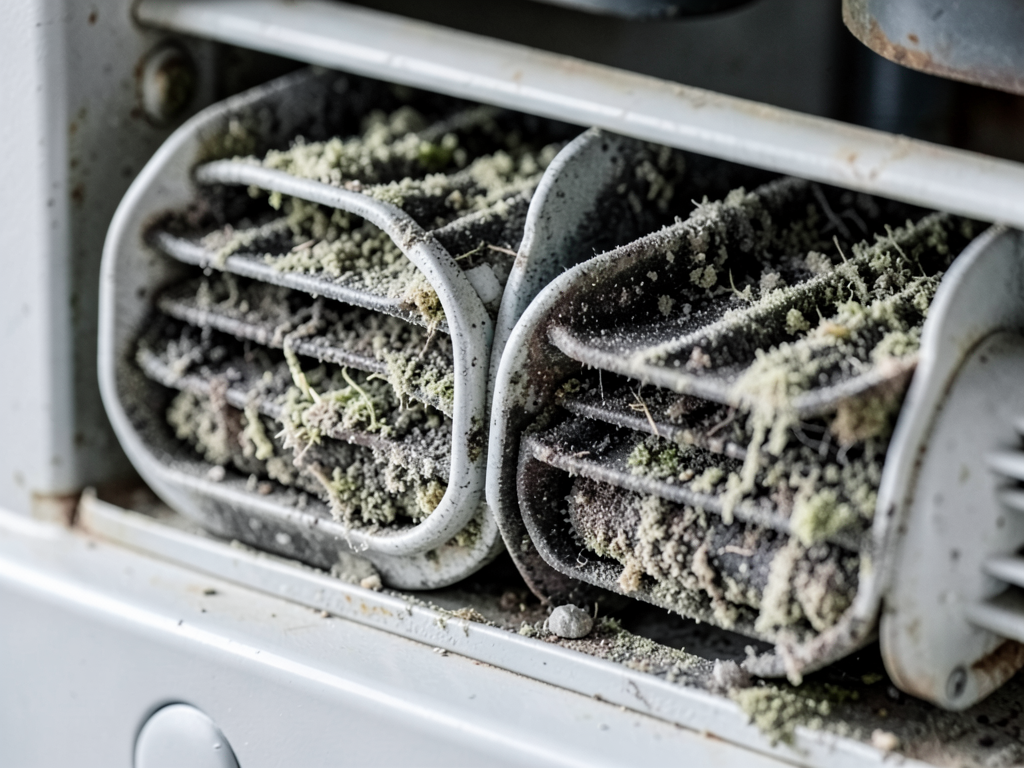
How Dirty Evaporator Coils Are Quietly Killing Your AC Efficiency in Stronghold
Your AC’s evaporator coil is the heart of heat transfer but when coated with grime it becomes a silent efficiency killer. In Stronghold’s humid summers that buildup happens faster than you think. A fouled coil can reduce cooling capacity by up to 30% forcing your system to run longer and drive up utility bills. The good news is you can spot the warning signs early and take action before costly damage occurs. The Best Heating and Cooling Solutions for Adams Morgan Condos.
7 Warning Signs Your Evaporator Coil Needs Cleaning in Stronghold
Before your AC fails completely it sends subtle distress signals. Here’s what to watch for in your Stronghold home:
- Warm air from vents – Even when the thermostat is set low the air feels lukewarm
- Longer cooling cycles – Your system runs for extended periods without reaching the set temperature
- Higher electric bills – Unexplained spikes in summer cooling costs
- Unusual odors – Musty or dirty sock smells when the AC starts
- Visible frost – Ice forming on refrigerant lines or the coil itself
- Water leaks – Excess condensation around the air handler
- Poor airflow – Weak air movement from vents even with clean filters
The Science Behind Coil Fouling and Efficiency Loss
Evaporator coils work by absorbing heat from indoor air. When dust pollen and biological growth coat the aluminum fins they create an insulating barrier. This forces the refrigerant to work harder to extract the same amount of heat. The result is higher head pressure on the compressor and reduced BTU output. In Stronghold’s climate where summer humidity often exceeds 70% that biological growth accelerates. Mold and mildew thrive in the dark moist environment of the air handler creating that signature dirty sock odor and further restricting airflow.
Why Stronghold Homes Are Especially Vulnerable
Stronghold’s mix of historic brick rowhouses and mid-century construction creates unique HVAC challenges. Many homes have original ductwork with leaks that draw in basement dust and pollen. The neighborhood’s mature tree canopy contributes to higher pollen counts particularly from oak and maple trees. When that pollen combines with Stronghold’s summer humidity it forms a sticky film on coils within weeks. Additionally the area’s proximity to Rock Creek Park means more organic debris entering outdoor condenser units which eventually makes its way indoors.
DIY Cleaning vs Professional Service: The Hidden Risks
Store-bought coil cleaners and garden hose rinsing might seem like quick fixes but they often cause more harm than good. High-pressure water can bend the delicate aluminum fins reducing airflow by up to 40%. Household cleaners leave residues that attract more dirt. Professional cleaning uses specialized foaming agents that lift grime without damaging fins followed by fin combing to restore proper spacing. Technicians also check for refrigerant leaks and proper drainage which DIY methods miss entirely.
The Cost of Ignoring Dirty Coils
A neglected coil doesn’t just waste energy. The added strain on your compressor can shorten its lifespan by 2-3 years. In severe cases the compressor overheats and fails completely requiring a $2000+ replacement. Frozen coils can crack refrigerant lines leading to expensive repairs. The EPA estimates that dirty coils account for 20-40% of all HVAC service calls during peak summer months. EPA.
Prevention Strategies for Stronghold Residents
Protecting your coil starts with prevention. Use MERV 8-11 filters and change them every 60 days during cooling season. Keep vegetation at least 2 feet from outdoor units to prevent debris buildup. Schedule professional coil cleaning every 18-24 months or annually if you have pets or live near heavy vegetation. Consider installing UV light systems in the air handler to prevent biological growth on coils.
Professional Coil Cleaning Process
When you call for professional service here’s what happens. Technicians first inspect the coil using a borescope to assess contamination level. They then apply a non-acidic foaming cleaner that penetrates deep into fin spacing. After dwell time they rinse thoroughly and use a fin comb to straighten any bent areas. The condensate drain pan and line get cleaned to prevent clogs. Finally they test system pressures and airflow to verify restored efficiency.
Energy Savings You Can Expect
Clean coils restore your system to near-original efficiency. Most Stronghold homeowners report 15-25% lower cooling costs after professional cleaning. A 2-ton system running at peak efficiency can save $30-50 per month during summer. Those savings typically offset the cleaning cost within one cooling season while extending equipment life.
When to Call for Emergency Service
Certain symptoms indicate immediate attention is needed. If you see ice on refrigerant lines or the coil shuts down the system completely. Water pooling around the air handler suggests a clogged drain that could cause ceiling damage. Burning smells or system short cycling require immediate shutdown and professional diagnosis. These situations often indicate compressor damage is imminent. Short Cycling.
Frequently Asked Questions
How often should evaporator coils be cleaned?
Most systems need cleaning every 18-24 months. Homes with pets smokers or near heavy vegetation may need annual service.
Can I clean coils myself?
Basic surface cleaning is possible but professional service is recommended. DIY methods risk damaging fins and missing underlying issues like refrigerant leaks.
What causes that dirty sock smell?
That odor comes from mold and bacteria growing on the damp coil surface. It’s common in humid climates and requires professional cleaning with antimicrobial treatment.
Will cleaning coils lower my electric bill?
Yes. Clean coils restore efficiency reducing run time and energy consumption by 15-30% in severely fouled systems.
How long does professional cleaning take?
Most residential coil cleaning takes 1-2 hours including inspection testing and cleanup.
Take Action Before Your System Fails
Don’t wait for complete system failure. If you’re experiencing any warning signs or it’s been over two years since your last cleaning call Patriot HVAC at (771) 218-6322. Our NATE-certified technicians serve Stronghold and all of Washington DC with same-day emergency service. We’ll restore your AC’s efficiency and help you avoid costly repairs this summer. NATE-certified.
Local Service Areas
We proudly serve Stronghold 20001 along with nearby neighborhoods including Columbia Heights 20010 Petworth 20011 and Mount Pleasant 20010. Our technicians understand the unique HVAC challenges of DC’s historic and modern homes.
{
“@context”: “https://schema.org”,
“@type”: “BlogPosting”,
“headline”: “How Dirty Evaporator Coils Are Quietly Killing Your AC Efficiency in Stronghold”,
“description”: “Dirty evaporator coils can slash your AC efficiency by 30% in Stronghold’s humid climate. Learn warning signs, costs, and local solutions from Patriot HVAC.”,
“wordCount”: 1038,
“datePublished”: “2026-05-19T10:17:00.000Z”,
“dateModified”: “2026-05-19T10:17:00.000Z”,
“inLanguage”: “en-US”,
“mainEntityOfPage”: {
“@type”: “WebPage”,
“@id”: “https://patriothvacwashingtondc.com”
},
“publisher”: {
“@type”: “LocalBusiness”,
“name”: “Patriot HVAC Washington DC”,
“url”: “https://patriothvacwashingtondc.com”
},
“author”: {
“@type”: “Organization”,
“name”: “Patriot HVAC Washington DC”,
“url”: “https://patriothvacwashingtondc.com”
},
“image”: {
“@type”: “ImageObject”,
“url”: “https://patriothvacwashingtondc.com/wp-content/uploads/2026/03/how-dirty-evaporator-coils-are-quietly-killing-you-1.png”
}
}
{
“@context”: “https://schema.org”,
“@type”: “HVACBusiness”,
“name”: “Patriot HVAC Washington DC”,
“url”: “https://patriothvacwashingtondc.com”,
“address”: {
“@type”: “PostalAddress”,
“addressLocality”: “Washington DC”
},
“areaServed”: {
“@type”: “City”,
“name”: “Washington DC”
}
}
{
“@context”: “https://schema.org”,
“@type”: “FAQPage”,
“mainEntity”: [
{
“@type”: “Question”,
“name”: “How often should evaporator coils be cleaned?”,
“acceptedAnswer”: {
“@type”: “Answer”,
“text”: “Most systems need cleaning every 18-24 months. Homes with pets smokers or near heavy vegetation may need annual service.”
}
},
{
“@type”: “Question”,
“name”: “Can I clean coils myself?”,
“acceptedAnswer”: {
“@type”: “Answer”,
“text”: “Basic surface cleaning is possible but professional service is recommended. DIY methods risk damaging fins and missing underlying issues like refrigerant leaks.”
}
},
{
“@type”: “Question”,
“name”: “What causes that dirty sock smell?”,
“acceptedAnswer”: {
“@type”: “Answer”,
“text”: “That odor comes from mold and bacteria growing on the damp coil surface. It’s common in humid climates and requires professional cleaning with antimicrobial treatment.”
}
},
{
“@type”: “Question”,
“name”: “Will cleaning coils lower my electric bill?”,
“acceptedAnswer”: {
“@type”: “Answer”,
“text”: “Yes. Clean coils restore efficiency reducing run time and energy consumption by 15-30% in severely fouled systems.”
}
},
{
“@type”: “Question”,
“name”: “How long does professional cleaning take?”,
“acceptedAnswer”: {
“@type”: “Answer”,
“text”: “Most residential coil cleaning takes 1-2 hours including inspection testing and cleanup.”
}
}
]
}
{
“@context”: “https://schema.org”,
“@type”: “BreadcrumbList”,
“itemListElement”: [
{
“@type”: “ListItem”,
“position”: 1,
“name”: “Home”,
“item”: “https://patriothvacwashingtondc.com”
},
{
“@type”: “ListItem”,
“position”: 2,
“name”: “Blog”,
“item”: “https://patriothvacwashingtondc.com/blog”
},
{
“@type”: “ListItem”,
“position”: 3,
“name”: “How Dirty Evaporator Coils Are Quietly Killing Your AC Efficiency in Stronghold”
}
]
}
{
“@context”: “https://schema.org”,
“@type”: “Service”,
“serviceType”: “HVAC”,
“provider”: {
“@type”: “LocalBusiness”,
“name”: “Patriot HVAC Washington DC”,
“url”: “https://patriothvacwashingtondc.com”
},
“areaServed”: {
“@type”: “City”,
“name”: “Washington DC”
},
“description”: “Dirty evaporator coils can slash your AC efficiency by 30% in Stronghold’s humid climate. Learn warning signs, costs, and local solutions from Patriot HVAC.”
}