
Can Your Woodridge HVAC Upgrade Qualify for Historic Preservation Tax Credits?
Woodridge homeowners with historic properties face a unique challenge when upgrading HVAC systems. Modern comfort and efficiency must coexist with architectural preservation. Federal and DC tax credits can offset these costs when done correctly. DC Department of Energy and Environment.
Federal tax credits through the Inflation Reduction Act and DC-specific incentives can cover up to 30% of your HVAC upgrade costs. Historic preservation rules require careful planning to ensure your project qualifies while maintaining your home’s character. DC Historic Preservation Review Board.
The process involves navigating DC’s Historic Preservation Office requirements alongside federal energy efficiency standards. Understanding these overlapping regulations proves crucial for Woodridge residents who want to improve their homes without sacrificing historical value. Energy Efficient Home Improvement Credit.
Understanding Federal Tax Credits for Historic HVAC Upgrades
The federal Energy Efficient Home Improvement Credit (Section 25C) offers significant savings for qualifying HVAC systems in historic homes. This credit provides up to $2,000 for heat pumps and $600 for central air conditioners or furnaces that meet specific efficiency standards. Fast Furnace Repair Services for Families in Chevy Chase DC.
To qualify your new system must meet SEER2 and HSPF2 ratings established by the Department of Energy. Heat pumps require a minimum HSPF2 of 8.5 and SEER2 of 16. These efficiency standards ensure you get modern technology while qualifying for maximum tax benefits.. Read more about Dealing with construction dust in your HVAC system during a home remodel in Kent.
The credit applies to both equipment and installation costs making it particularly valuable for historic homes where installation may prove more complex. You can claim this credit when filing your federal taxes for the year the work is completed.. Read more about Making the Switch from Gas to Electric Heating in Your Barney Circle Home.
DC-Specific Incentives and the Sustainable Energy Utility
Beyond federal credits the DC Sustainable Energy Utility (DC SEU) offers additional rebates for energy-efficient HVAC installations. These rebates can stack with federal credits potentially covering 40-50% of your total project costs.
DC SEU rebates vary by system type and efficiency level. High-efficiency heat pumps can qualify for rebates ranging from $300 to $1,500 depending on their performance ratings. The program specifically targets historic district homes to encourage energy efficiency improvements.
The DC Department of Energy and Environment (DOEE) also administers energy efficiency grants for historic properties. These grants can provide upfront funding for HVAC upgrades that meet both energy and preservation standards.
Navigating DC’s Historic Preservation Review Board Requirements
The DC Historic Preservation Review Board (HPRB) oversees all exterior modifications in historic districts including HVAC equipment placement. Woodridge with its mix of historic and newer homes has specific guidelines that affect where and how you can install outdoor units.
HPRB approval proves required for any visible HVAC components. This means your condenser placement ductwork routing and even vent locations must be reviewed and approved before installation begins. The process typically takes 4-6 weeks and requires detailed architectural drawings.
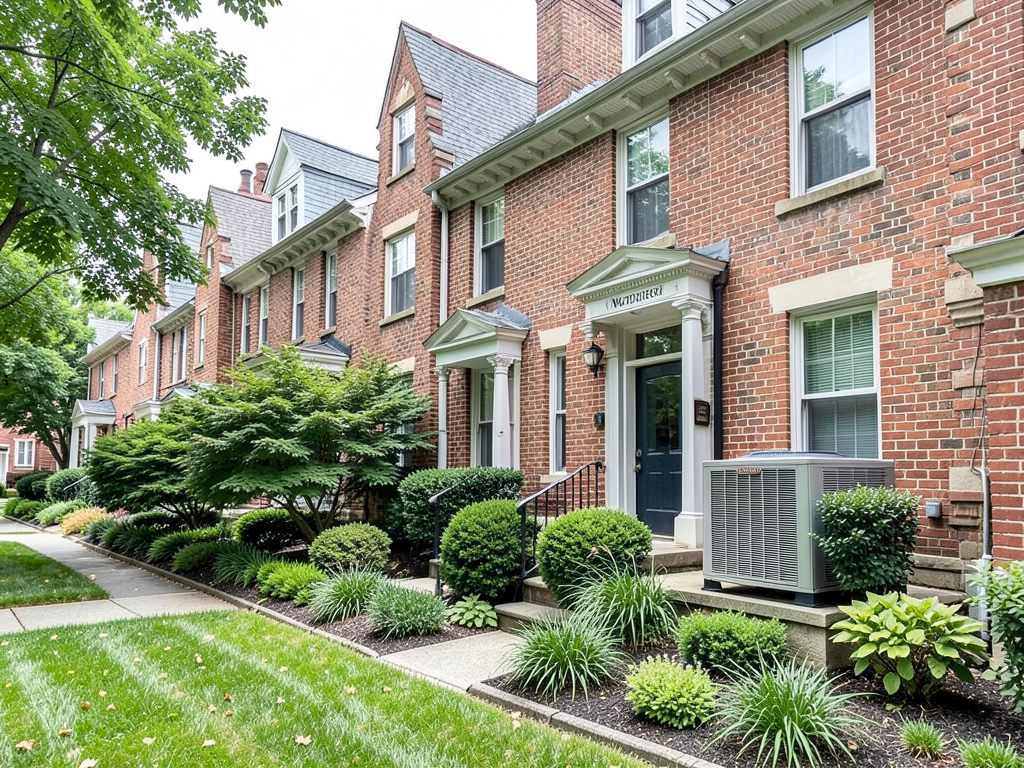
For historic Woodridge properties HPRB often requires that outdoor units be placed in side yards or rear areas where they prove not visible from the street. Some properties may need screening or landscaping to conceal equipment while maintaining historical character.
Eligible HVAC Systems for Historic DC Row Houses
Not all modern HVAC systems work well in historic homes. High-velocity systems offer a solution for Woodridge’s older properties where traditional ductwork would require extensive structural modifications.
High-velocity systems use small flexible ducts that can be routed through existing wall cavities without major demolition. These systems provide both heating and cooling through small round outlets that blend with historic interiors. They prove particularly effective in Woodridge’s brick rowhouses where space proves limited. The Best Heating and Cooling Solutions for Adams Morgan Condos.
Ductless mini-split systems represent another option for historic preservation. These systems require only small wall-mounted indoor units connected to outdoor compressors via narrow refrigerant lines. They eliminate the need for ductwork entirely while providing zoned temperature control.
Step-by-Step Application Process for Tax Credits and Permits
Successfully combining tax credits with historic preservation approval requires careful planning. Here’s the process we follow for Woodridge homeowners:
- Energy Audit and System Assessment
We conduct a comprehensive home energy audit to identify efficiency opportunities and determine the best HVAC solution for your historic property.
- HPRB Pre-Application Consultation
Before selecting equipment we consult with HPRB staff to understand specific requirements for your property and neighborhood.
- Permit Preparation and Submission
We prepare detailed drawings showing equipment locations ductwork routes and any required screening or landscaping.
- Installation with Preservation in Mind
Our technicians use preservation-friendly installation techniques to minimize impact on historic materials.
- Tax Credit Documentation
We provide all necessary documentation for federal and DC tax credits including efficiency certifications and itemized receipts.
Cost Considerations and ROI for Historic HVAC Projects
Historic HVAC projects typically cost 15-30% more than standard installations due to specialized equipment and preservation requirements. However tax credits and rebates can significantly offset these premium costs.
The total investment for a complete high-velocity HVAC system in a historic Woodridge home ranges from $15,000 to $25,000 before incentives. After applying federal credits and DC rebates the net cost often falls between $8,000 and $15,000.
Energy savings provide additional ROI over time. Historic homes often see 30-40% reductions in heating and cooling costs after installing modern efficient systems. These savings combined with tax incentives can make the investment pay for itself within 5-7 years.
Common Challenges and Solutions in Historic HVAC Installation
Historic homes present unique installation challenges that require creative solutions. Understanding these challenges helps set realistic expectations for your project timeline and budget.
Limited space for equipment proves the most common issue in Woodridge’s older homes. Basements may prove too small for modern furnaces and attics might lack sufficient clearance for air handlers. We often solve this by using compact high-efficiency equipment designed specifically for tight spaces.
Existing electrical systems in historic homes frequently cannot support modern HVAC loads. We address this by upgrading electrical panels and wiring during the installation process ensuring your new system operates safely and efficiently.
Maintenance Requirements for Historic Home HVAC Systems
Historic home HVAC systems require specialized maintenance to preserve both efficiency and historical integrity. Regular professional service helps prevent costly repairs and maintains warranty coverage. Getting Fast AC Repair for Your Navy Yard Apartment or Condo.
High-velocity systems need annual professional cleaning to maintain efficiency. The small ducts can accumulate dust and debris more quickly than traditional systems reducing airflow and increasing energy costs if not properly maintained.. Read more about Should You Clean or Completely Replace the Air Ducts in Your Carver Langston Fixer-Upper?.
Historic homes often have unique humidity challenges that affect HVAC performance. We recommend whole-home dehumidification systems for Woodridge’s older properties to prevent moisture damage while improving comfort and efficiency.
Frequently Asked Questions
Can I install a traditional central air system in my historic Woodridge home?
Traditional central air systems can work in historic homes but often require extensive modifications to accommodate ductwork. This may include removing plaster walls creating bulkheads or sacrificing closet space. High-velocity or ductless systems usually prove better preservation options.
How long does the HPRB approval process take?
The HPRB review process typically takes 4-6 weeks from submission to approval. Complex projects or those requiring variances may take longer. We recommend starting the process at least 3 months before your desired installation date.
Will my historic tax credits affect my property taxes?
Federal tax credits for energy efficiency improvements do not increase property taxes. However some local jurisdictions offer additional incentives that may have different tax implications. We recommend consulting with a tax professional about your specific situation.
What if my HVAC upgrade is part of a larger historic renovation?
HVAC upgrades can be included in larger historic rehabilitation projects. The federal Historic Preservation Tax Credit (20% for income-producing properties) can be combined with energy efficiency credits but the rules prove complex. We work with your architect to ensure all systems qualify.
Can I do the installation myself to save money?
DIY installation proves not recommended for historic home HVAC projects. Professional installation proves required to maintain warranty coverage ensure proper sizing and meet both HPRB and building code requirements. Additionally improper installation can damage historic materials.
Making Your Historic Woodridge Home Comfortable and Efficient
Upgrading HVAC in a historic Woodridge home requires balancing modern comfort needs with preservation requirements. The right approach combines appropriate technology careful planning and knowledge of available incentives. How to Choose the Right Air Conditioning Replacement for Your Foggy Bottom Townhouse.
Our experience with Woodridge’s historic properties means we understand the specific challenges these homes present. We know which systems work best in different architectural styles and how to navigate the approval process efficiently.
The combination of federal tax credits DC rebates and proper system selection can make your historic home both comfortable and energy-efficient without compromising its character. The key proves working with professionals who understand both HVAC technology and historic preservation requirements.
Ready to explore your options? Call (771) 218-6322 today to schedule your free consultation. We’ll assess your home’s needs explain your incentive options and develop a plan that preserves your home’s history while providing modern comfort.
Don’t let another season pass with an inefficient or unreliable HVAC system. Pick up the phone and call (771) 218-6322 before the next heat wave or cold snap hits. Your historic home deserves comfort that honors its past while embracing the future. Finding Reliable Emergency AC Repair in Capitol Hill DC During a Heatwave.
You may also find this helpful. Finding the right HVAC contractor for your LeDroit Park historic renovation.
You may also find this helpful. Converting Your Deanwood Home from Window Units to Central Air.
{
“@context”: “https://schema.org”,
“@type”: “BlogPosting”,
“headline”: “Can Your Woodridge HVAC Upgrade Qualify for Historic Preservation Tax Credits?”,
“description”: “Learn how Woodridge homeowners can combine federal tax credits and DC incentives for energy-efficient HVAC upgrades in historic properties while preserving architectural integrity.”,
“wordCount”: 1549,
“datePublished”: “2026-04-22T07:53:00.000Z”,
“dateModified”: “2026-04-22T07:53:00.000Z”,
“inLanguage”: “en-US”,
“mainEntityOfPage”: {
“@type”: “WebPage”,
“@id”: “https://patriothvacwashingtondc.com”
},
“publisher”: {
“@type”: “LocalBusiness”,
“name”: “Patriot HVAC Washington DC”,
“url”: “https://patriothvacwashingtondc.com”
},
“author”: {
“@type”: “Organization”,
“name”: “Patriot HVAC Washington DC”,
“url”: “https://patriothvacwashingtondc.com”
},
“image”: {
“@type”: “ImageObject”,
“url”: “https://patriothvacwashingtondc.com/wp-content/uploads/2026/03/can-your-woodridge-hvac-upgrade-qualify-for-histor-1.png”
}
}
{
“@context”: “https://schema.org”,
“@type”: “HVACBusiness”,
“name”: “Patriot HVAC Washington DC”,
“url”: “https://patriothvacwashingtondc.com”,
“address”: {
“@type”: “PostalAddress”,
“addressLocality”: “Washington DC”
},
“areaServed”: {
“@type”: “City”,
“name”: “Washington DC”
}
}
{
“@context”: “https://schema.org”,
“@type”: “FAQPage”,
“mainEntity”: [
{
“@type”: “Question”,
“name”: “Can I install a traditional central air system in my historic Woodridge home?”,
“acceptedAnswer”: {
“@type”: “Answer”,
“text”: “Traditional central air systems can work in historic homes but often require extensive modifications to accommodate ductwork. This may include removing plaster walls creating bulkheads or sacrificing closet space. High-velocity or ductless systems usually prove better preservation options.”
}
},
{
“@type”: “Question”,
“name”: “How long does the HPRB approval process take?”,
“acceptedAnswer”: {
“@type”: “Answer”,
“text”: “The HPRB review process typically takes 4-6 weeks from submission to approval. Complex projects or those requiring variances may take longer. We recommend starting the process at least 3 months before your desired installation date.”
}
},
{
“@type”: “Question”,
“name”: “What if my HVAC upgrade is part of a larger historic renovation?”,
“acceptedAnswer”: {
“@type”: “Answer”,
“text”: “HVAC upgrades can be included in larger historic rehabilitation projects. The federal Historic Preservation Tax Credit (20% for income-producing properties) can be combined with energy efficiency credits but the rules prove complex. We work with your architect to ensure all systems qualify.”
}
},
{
“@type”: “Question”,
“name”: “Can I do the installation myself to save money?”,
“acceptedAnswer”: {
“@type”: “Answer”,
“text”: “DIY installation proves not recommended for historic home HVAC projects. Professional installation proves required to maintain warranty coverage ensure proper sizing and meet both HPRB and building code requirements. Additionally improper installation can damage historic materials.”
}
}
]
}
{
“@context”: “https://schema.org”,
“@type”: “HowTo”,
“name”: “How to Apply for HVAC Tax Credits in Historic Homes”,
“step”: [
{
“@type”: “HowToStep”,
“position”: 1,
“name”: “Energy Audit and System Assessment”,
“text”: “We conduct a comprehensive home energy audit to identify efficiency opportunities and determine the best HVAC solution for your historic property.”
},
{
“@type”: “HowToStep”,
“position”: 2,
“name”: “HPRB Pre-Application Consultation”,
“text”: “Before selecting equipment we consult with HPRB staff to understand specific requirements for your property and neighborhood.”
},
{
“@type”: “HowToStep”,
“position”: 3,
“name”: “Permit Preparation and Submission”,
“text”: “We prepare detailed drawings showing equipment locations ductwork routes and any required screening or landscaping.”
},
{
“@type”: “HowToStep”,
“position”: 4,
“name”: “Installation with Preservation in Mind”,
“text”: “Our technicians use preservation-friendly installation techniques to minimize impact on historic materials.”
},
{
“@type”: “HowToStep”,
“position”: 5,
“name”: “Tax Credit Documentation”,
“text”: “We provide all necessary documentation for federal and DC tax credits including efficiency certifications and itemized receipts.”
}
],
“image”: “https://patriothvacwashingtondc.com/wp-content/uploads/2026/03/can-your-woodridge-hvac-upgrade-qualify-for-histor-1.png”
}
{
“@context”: “https://schema.org”,
“@type”: “BreadcrumbList”,
“itemListElement”: [
{
“@type”: “ListItem”,
“position”: 1,
“name”: “Home”,
“item”: “https://patriothvacwashingtondc.com”
},
{
“@type”: “ListItem”,
“position”: 2,
“name”: “Blog”,
“item”: “https://patriothvacwashingtondc.com/blog”
},
{
“@type”: “ListItem”,
“position”: 3,
“name”: “Can Your Woodridge HVAC Upgrade Qualify for Historic Preservation Tax Credits?”
}
]
}
{
“@context”: “https://schema.org”,
“@type”: “Service”,
“serviceType”: “HVAC”,
“provider”: {
“@type”: “LocalBusiness”,
“name”: “Patriot HVAC Washington DC”,
“url”: “https://patriothvacwashingtondc.com”
},
“areaServed”: {
“@type”: “City”,
“name”: “Washington DC”
},
“description”: “Learn how Woodridge homeowners can combine federal tax credits and DC incentives for energy-efficient HVAC upgrades in historic properties while preserving architectural integrity.”
}