
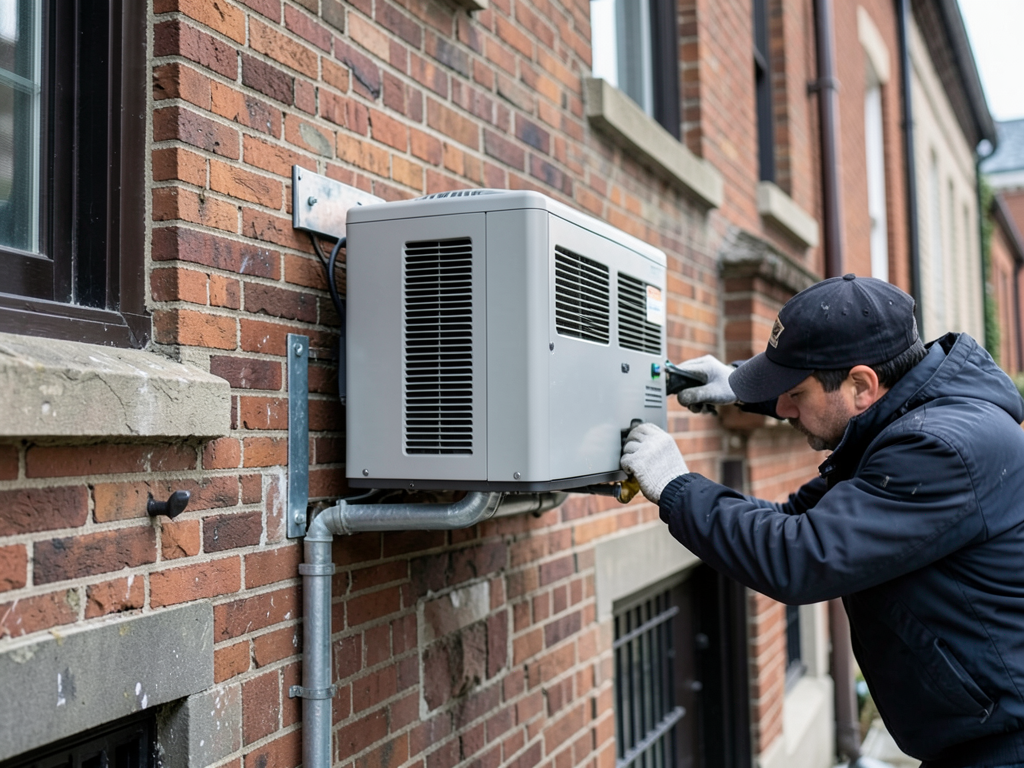
Making the Switch from Gas to Electric Heating in Your Barney Circle Home
Switching from gas to electric heating in your Barney Circle home represents a significant investment in both comfort and sustainability. The process involves removing gas lines, upgrading electrical panels, and installing modern heat pump systems that work efficiently even during DC’s coldest winters. This guide walks you through everything you need to know about making the transition, from understanding the technical requirements to maximizing available rebates. DC Sustainable Energy Utility.
Why DC Homeowners are Making the Switch
Washington DC’s aggressive decarbonization goals are reshaping how residents heat their homes. The city has implemented policies that phase out natural gas in new construction and offer substantial incentives for existing homeowners to convert. Many Barney Circle residents are choosing electric heat pumps not just for environmental reasons but also for improved indoor air quality and reduced maintenance costs.
The District’s climate creates unique considerations for heating systems. While DC winters are milder than northern states, we still experience occasional polar vortex events that can drop temperatures below freezing for extended periods. Modern cold-climate heat pumps handle these conditions effectively, maintaining efficiency even when outdoor temperatures fall to 5°F. The Best Heating and Cooling Solutions for Adams Morgan Condos.
Barney Circle’s historic character adds another layer of complexity. Many homes in this neighborhood were built before 1950 and feature the original gas infrastructure. Converting these systems requires careful planning to preserve architectural integrity while meeting modern efficiency standards.
Understanding the Financial Investment
The cost of converting from gas to electric heating varies significantly based on your home’s specific characteristics. A typical conversion in Barney Circle ranges from $12,000 to $22,000, with most homeowners spending around $16,000 for a complete system replacement.
| Component | Gas System Cost | Electric Heat Pump Cost |
|---|---|---|
| Equipment | $3,500 – $5,000 | $8,000 – $12,000 |
| Installation | $2,000 – $3,000 | $4,000 – $6,000 |
| Electrical Panel Upgrade | $0 | $2,000 – $4,000 |
| Gas Line Capping | $0 | $500 – $1,000 |
| Total Investment | $5,500 – $8,000 | $14,500 – $23,000 |
While the upfront cost is higher, electric heat pumps offer significant operational savings. DC residents typically save $300 to $600 annually on energy costs, with the investment paying for itself within 8 to 12 years. The exact timeline depends on your home’s insulation quality and usage patterns. Energy Star heat pump efficiency standards.
DC Rebates and Federal Incentives Available in 2026
Washington DC offers some of the most generous incentives for electric heating conversions in the country. The DC Sustainable Energy Utility provides rebates up to $2,000 for qualifying heat pump installations. These rebates stack with federal tax credits under the Inflation Reduction Act’s Section 25C, which offers up to $2,000 in tax credits for qualifying equipment.
Pepco, the local electric utility, offers additional incentives for customers who switch from gas to electric heating. These programs can provide up to $1,500 in rebates when you install a heat pump system that meets specific efficiency requirements.
The total potential savings from incentives can reduce your net investment by $3,500 to $5,500. Many Barney Circle homeowners combine these incentives with low-interest financing options through the DC Green Bank, making the conversion more accessible than ever.
Technical Requirements for Conversion
Converting from gas to electric heating requires several critical infrastructure upgrades. Most homes in Barney Circle were built with 100-amp electrical service, which is insufficient for modern heat pump systems. A typical conversion requires upgrading to 200-amp service to handle the electrical load of the heat pump and associated equipment.
The electrical panel upgrade involves replacing your existing breaker box with a larger unit that can accommodate the heat pump’s electrical demands. This process requires permits from the DC Department of Buildings and must be performed by a licensed electrician. The upgrade typically takes one to two days and costs between $2,000 and $4,000.
Gas line removal is another critical step. Washington Gas must cap the service line at the meter and remove any interior gas lines. This process ensures safety and eliminates the monthly gas service charge, which can save $15 to $25 per month even when you’re not using gas.
Many historic Barney Circle homes require ductwork modifications to accommodate heat pump systems. The existing duct system may need resizing or sealing to ensure proper airflow and efficiency. Modern heat pumps operate at different static pressures than traditional furnaces, requiring careful duct design. Fast Furnace Repair Services for Families in Chevy Chase DC.
The Conversion Process Step by Step
- Initial Assessment
A qualified HVAC technician evaluates your home’s electrical capacity, existing ductwork, and heating needs. This assessment includes load calculations to determine the appropriate heat pump size for your home’s square footage and insulation levels.
- Permit Acquisition
Your contractor obtains necessary permits from the DC Department of Buildings for electrical upgrades, mechanical system changes, and gas line removal. This process typically takes 2 to 4 weeks depending on current permit volumes.
- Electrical Panel Upgrade
Electricians replace your existing panel with a 200-amp service capable of supporting the heat pump system. This work often occurs first to ensure power availability for subsequent steps.
- Gas Line Capping
Washington Gas technicians cap the service line and remove interior gas piping. This step must be coordinated with your HVAC contractor to ensure proper timing.
- Heat Pump Installation
Technicians install the outdoor condenser unit, indoor air handler, and connect the system to your home’s ductwork. This process typically requires one to two days depending on system complexity.
- System Testing and Commissioning
The contractor tests the system under various conditions to ensure proper operation. This includes checking refrigerant levels, verifying airflow, and programming the thermostat for optimal performance.
- Final Inspections
DC building inspectors verify that all work meets code requirements. This final step is required before system activation and rebate processing.
Performance in DC’s Climate
Modern cold-climate heat pumps perform exceptionally well in Washington DC’s mixed climate. These systems maintain efficiency down to 5°F, which covers nearly all winter conditions we experience in the District. During the rare occasions when temperatures drop below this threshold, the system automatically switches to supplemental electric resistance heat.
DC’s summer humidity presents another consideration. Heat pumps excel at dehumidification, removing 10 to 20% more moisture from the air than traditional air conditioners. This capability is particularly valuable in Barney Circle’s older homes, where poor insulation can lead to humidity issues.
The dual functionality of heat pumps provides year-round comfort. In summer, they operate as high-efficiency air conditioners. In winter, they reverse the refrigeration cycle to extract heat from outdoor air and transfer it inside. This versatility eliminates the need for separate heating and cooling systems.
Historic Home Considerations
Barney Circle’s historic homes require special consideration during conversion. Many of these properties are subject to DC Historic Preservation Office guidelines that restrict exterior modifications. Heat pump condenser units must be placed where they don’t alter the home’s historic character.
Space constraints in older homes can complicate installation. Many Barney Circle rowhouses have limited mechanical room space, requiring creative solutions for equipment placement. Some homeowners choose compact, high-wall-mounted units that preserve floor space while providing zoned heating and cooling. How to Choose the Right Air Conditioning Replacement for Your Foggy Bottom Townhouse.
Existing ductwork in historic homes often requires extensive modifications. The original duct systems were designed for different airflow requirements and may have degraded over time. Professional duct sealing and resizing ensures the new heat pump operates at peak efficiency.
Environmental Impact and Carbon Footprint
Switching from gas to electric heating significantly reduces your home’s carbon footprint. DC’s electricity grid is becoming increasingly renewable, with the city committed to 100% clean energy by 2032. A heat pump installed today will become cleaner over its 15 to 20-year lifespan as the grid transitions.
The environmental benefits extend beyond carbon reduction. Heat pumps eliminate on-site combustion, improving indoor air quality and reducing the risk of carbon monoxide exposure. They also eliminate the need for natural gas infrastructure, which has documented methane leakage issues throughout distribution systems.
DC’s building energy performance standards make electric heating increasingly attractive from a compliance perspective. Homes with heat pumps typically score better on energy audits and may face fewer restrictions under future regulations.
Maintenance and Longevity
Heat pumps require different maintenance than gas furnaces. While gas systems need annual combustion analysis and heat exchanger inspections, heat pumps require regular filter changes and coil cleaning. Most heat pump systems need professional maintenance every two years rather than annually.
The typical heat pump lifespan is 15 to 20 years, slightly longer than gas furnaces which average 12 to 15 years. The key to longevity is proper sizing and installation. Oversized systems cycle on and off frequently, reducing efficiency and component life.
DC’s climate affects maintenance schedules. High summer humidity means more frequent filter changes during cooling season. The occasional winter freeze requires checking defrost cycles to ensure proper operation during cold snaps.
Frequently Asked Questions
Do heat pumps work in DC’s cold winters?
Yes. Modern cold-climate heat pumps maintain efficiency down to 5°F and can extract heat from air as cold as -15°F. During extreme cold, they automatically switch to supplemental electric heat to maintain comfort.
How long does the conversion process take?
From initial assessment to final inspection, the process typically takes 4 to 8 weeks. Electrical panel upgrades and gas line capping usually require 2 to 3 days of active work, with the remainder being permit processing and scheduling.
Will I need to replace my ductwork?
Not always. Many homes can use existing ductwork with modifications. However, older duct systems often need sealing and resizing to work efficiently with heat pumps. A professional assessment determines the specific requirements for your home.
Are there any rebates for historic homes?
Yes. DCSEU offers the same rebates for historic homes as for newer construction. Additionally, some federal programs provide extra incentives for energy efficiency improvements in historic properties. Your contractor can help identify all available incentives.
What happens to my gas service after conversion?
Washington Gas caps the service line at the meter and removes interior gas piping. This eliminates your monthly gas service charge and ensures no gas leaks can occur. You’ll receive confirmation that your service has been properly terminated.
Ready to Make the Switch?
Converting from gas to electric heating is a significant decision that offers long-term benefits for your Barney Circle home. The combination of environmental responsibility, energy savings, and improved comfort makes it an attractive option for many homeowners. However, the technical complexity and regulatory requirements make professional guidance essential.
Don’t wait until your gas system fails during a cold snap. Planning your conversion now allows you to take advantage of current incentives and ensures you have options when you need them most. A properly designed and installed heat pump system can provide reliable comfort for decades while reducing your environmental impact.
Call (771) 218-6322 today to schedule your free assessment and learn how much you could save by switching to electric heating. Our DC-licensed technicians understand the unique requirements of Barney Circle homes and can guide you through every step of the conversion process.
Pick up the phone and call (771) 218-6322 before the next cold front hits. We’ll help you determine if electric heating is right for your home and show you exactly how to maximize available rebates and incentives.
Ready to learn more? Explore our emergency AC repair services to see how we handle urgent HVAC needs throughout DC’s historic neighborhoods.
{
“@context”: “https://schema.org”,
“@type”: “BlogPosting”,
“headline”: “Making the Switch from Gas to Electric Heating in Your Barney Circle Home”,
“description”: “Thinking about switching from gas to electric heating in your Barney Circle home? Learn about costs, rebates, and technical requirements from DC HVAC experts.”,
“wordCount”: 1907,
“datePublished”: “2026-04-28T10:32:00.000Z”,
“dateModified”: “2026-04-28T10:32:00.000Z”,
“inLanguage”: “en-US”,
“mainEntityOfPage”: {
“@type”: “WebPage”,
“@id”: “https://patriothvacwashingtondc.com”
},
“publisher”: {
“@type”: “LocalBusiness”,
“name”: “Patriot HVAC Washington DC”,
“url”: “https://patriothvacwashingtondc.com”
},
“author”: {
“@type”: “Organization”,
“name”: “Patriot HVAC Washington DC”,
“url”: “https://patriothvacwashingtondc.com”
},
“image”: {
“@type”: “ImageObject”,
“url”: “https://patriothvacwashingtondc.com/wp-content/uploads/2026/03/making-the-switch-from-gas-to-electric-heating-in-1.png”
}
}
{
“@context”: “https://schema.org”,
“@type”: “HVACBusiness”,
“name”: “Patriot HVAC Washington DC”,
“url”: “https://patriothvacwashingtondc.com”,
“address”: {
“@type”: “PostalAddress”,
“addressLocality”: “Washington DC”
},
“areaServed”: {
“@type”: “City”,
“name”: “Washington DC”
}
}
{
“@context”: “https://schema.org”,
“@type”: “FAQPage”,
“mainEntity”: [
{
“@type”: “Question”,
“name”: “Do heat pumps work in DC’s cold winters?”,
“acceptedAnswer”: {
“@type”: “Answer”,
“text”: “Yes. Modern cold-climate heat pumps maintain efficiency down to 5°F and can extract heat from air as cold as -15°F. During extreme cold, they automatically switch to supplemental electric heat to maintain comfort.”
}
},
{
“@type”: “Question”,
“name”: “How long does the conversion process take?”,
“acceptedAnswer”: {
“@type”: “Answer”,
“text”: “From initial assessment to final inspection, the process typically takes 4 to 8 weeks. Electrical panel upgrades and gas line capping usually require 2 to 3 days of active work, with the remainder being permit processing and scheduling.”
}
},
{
“@type”: “Question”,
“name”: “Will I need to replace my ductwork?”,
“acceptedAnswer”: {
“@type”: “Answer”,
“text”: “Not always. Many homes can use existing ductwork with modifications. However, older duct systems often need sealing and resizing to work efficiently with heat pumps. A professional assessment determines the specific requirements for your home.”
}
},
{
“@type”: “Question”,
“name”: “Are there any rebates for historic homes?”,
“acceptedAnswer”: {
“@type”: “Answer”,
“text”: “Yes. DCSEU offers the same rebates for historic homes as for newer construction. Additionally, some federal programs provide extra incentives for energy efficiency improvements in historic properties. Your contractor can help identify all available incentives.”
}
},
{
“@type”: “Question”,
“name”: “What happens to my gas service after conversion?”,
“acceptedAnswer”: {
“@type”: “Answer”,
“text”: “Washington Gas caps the service line at the meter and removes interior gas piping. This eliminates your monthly gas service charge and ensures no gas leaks can occur. You’ll receive confirmation that your service has been properly terminated.”
}
},
{
“@type”: “Question”,
“name”: “Ready to Make the Switch?”,
“acceptedAnswer”: {
“@type”: “Answer”,
“text”: “Converting from gas to electric heating is a significant decision that offers long-term benefits for your Barney Circle home. The combination of environmental responsibility, energy savings, and improved comfort makes it an attractive option for many homeowners. However, the technical complexity and regulatory requirements make professional guidance essential.”
}
}
]
}
{
“@context”: “https://schema.org”,
“@type”: “HowTo”,
“name”: “Gas to Electric Heating Conversion Process”,
“step”: [
{
“@type”: “HowToStep”,
“position”: 1,
“name”: “Initial Assessment”,
“text”: “A qualified HVAC technician evaluates your home’s electrical capacity, existing ductwork, and heating needs. This assessment includes load calculations to determine the appropriate heat pump size for your home’s square footage and insulation levels.”
},
{
“@type”: “HowToStep”,
“position”: 2,
“name”: “Permit Acquisition”,
“text”: “Your contractor obtains necessary permits from the DC Department of Buildings for electrical upgrades, mechanical system changes, and gas line removal. This process typically takes 2 to 4 weeks depending on current permit volumes.”
},
{
“@type”: “HowToStep”,
“position”: 3,
“name”: “Electrical Panel Upgrade”,
“text”: “Electricians replace your existing panel with a 200-amp service capable of supporting the heat pump system. This work often occurs first to ensure power availability for subsequent steps.”
},
{
“@type”: “HowToStep”,
“position”: 4,
“name”: “Gas Line Capping”,
“text”: “Washington Gas technicians cap the service line and remove interior gas piping. This step must be coordinated with your HVAC contractor to ensure proper timing.”
},
{
“@type”: “HowToStep”,
“position”: 5,
“name”: “Heat Pump Installation”,
“text”: “Technicians install the outdoor condenser unit, indoor air handler, and connect the system to your home’s ductwork. This process typically requires one to two days depending on system complexity.”
},
{
“@type”: “HowToStep”,
“position”: 6,
“name”: “System Testing and Commissioning”,
“text”: “The contractor tests the system under various conditions to ensure proper operation. This includes checking refrigerant levels, verifying airflow, and programming the thermostat for optimal performance.”
},
{
“@type”: “HowToStep”,
“position”: 7,
“name”: “Final Inspections”,
“text”: “DC building inspectors verify that all work meets code requirements. This final step is required before system activation and rebate processing.”
}
],
“image”: “https://patriothvacwashingtondc.com/wp-content/uploads/2026/03/making-the-switch-from-gas-to-electric-heating-in-1.png”
}
{
“@context”: “https://schema.org”,
“@type”: “BreadcrumbList”,
“itemListElement”: [
{
“@type”: “ListItem”,
“position”: 1,
“name”: “Home”,
“item”: “https://patriothvacwashingtondc.com”
},
{
“@type”: “ListItem”,
“position”: 2,
“name”: “Blog”,
“item”: “https://patriothvacwashingtondc.com/blog”
},
{
“@type”: “ListItem”,
“position”: 3,
“name”: “Making the Switch from Gas to Electric Heating in Your Barney Circle Home”
}
]
}
{
“@context”: “https://schema.org”,
“@type”: “Service”,
“serviceType”: “HVAC”,
“provider”: {
“@type”: “LocalBusiness”,
“name”: “Patriot HVAC Washington DC”,
“url”: “https://patriothvacwashingtondc.com”
},
“areaServed”: {
“@type”: “City”,
“name”: “Washington DC”
},
“description”: “Thinking about switching from gas to electric heating in your Barney Circle home? Learn about costs, rebates, and technical requirements from DC HVAC experts.”
}