Menu

Excess Dust in Home in Washington, D.C. | Expert HVAC Diagnosis and Targeted Solutions

If constant dust in house is frustrating you despite regular cleaning, your HVAC system may be circulating contaminants instead of filtering them. We diagnose the root cause of excessive house dust and fix it permanently.

Slider Image 1
Slider Image 2
Slider Image 3
Slider Image 4
Slider Image 5
Slider Image 7
Slider Image 8
Slider Image 9
Slider Image 10
Slider Image 11

Why Washington, D.C. Homes Struggle with Heavy Dust Buildup

You clean on Saturday. By Wednesday, a visible layer of dust coats your furniture again. You are not imagining it. Washington, D.C. homes face unusually dusty conditions due to a combination of geographic and infrastructure factors that most homeowners do not connect to their HVAC systems.

The city sits in a humid subtropical climate zone where moisture levels fluctuate dramatically between seasons. High summer humidity causes air handlers to work harder, pushing more air through ductwork that may be compromised by decades of settled particulate. Many row homes and townhouses in neighborhoods like Capitol Hill and Dupont Circle were built before modern filtration standards existed. Original duct systems in these structures often have gaps, poor seals, or no return air pathways, which means your system recirculates the same dirty air instead of filtering fresh air properly.

Washington's urban environment adds another layer. Construction dust from constant development, pollen from the Tidal Basin cherry blossoms and Rock Creek Park vegetation, and particulate from vehicle traffic on I-395 and the Beltway all infiltrate homes through leaky building envelopes and inadequate filtration. When your HVAC system has a clogged filter, undersized return ducts, or leaking supply registers, it cannot capture this incoming load. The result is too much dust in home, settling on every surface faster than you can wipe it down.

If you see dust accumulating within days of cleaning, you have a mechanical problem, not a housekeeping problem. Your HVAC system is either failing to filter incoming air or actively distributing dust through compromised ductwork.

Why Washington, D.C. Homes Struggle with Heavy Dust Buildup
How We Eliminate Excessive House Dust at the Source

How We Eliminate Excessive House Dust at the Source

Most contractors change your filter and leave. We do not. Excess dust in home is a symptom of poor air circulation, inadequate filtration, or duct contamination. Fixing it requires targeted diagnostics, not guesswork.

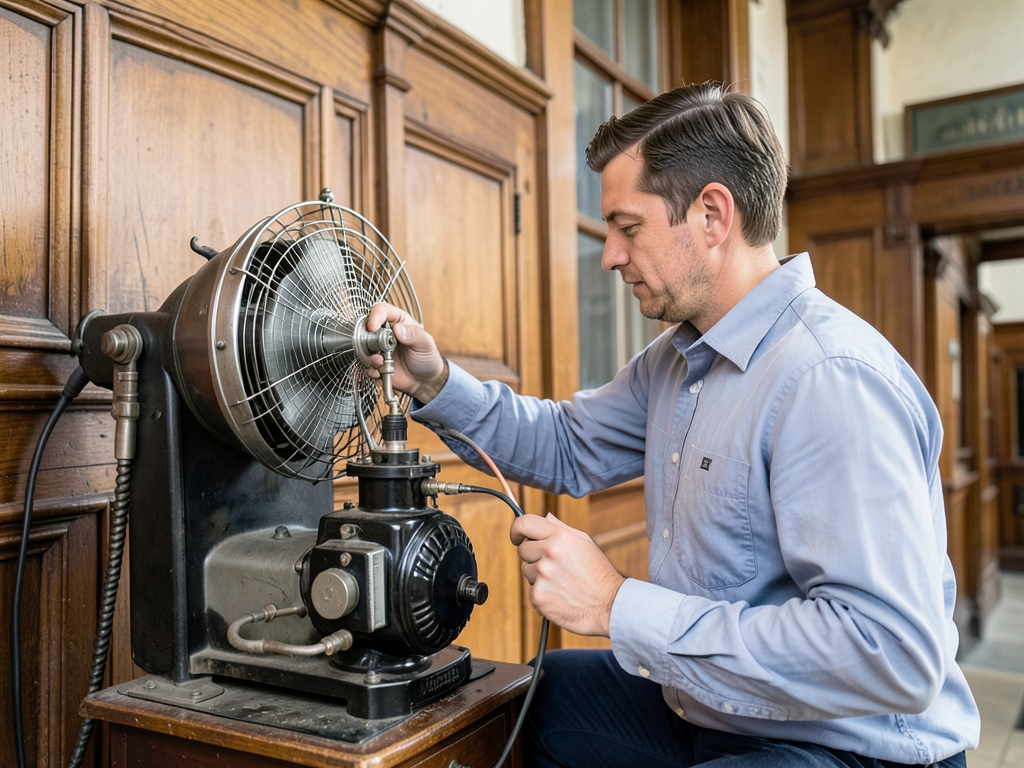
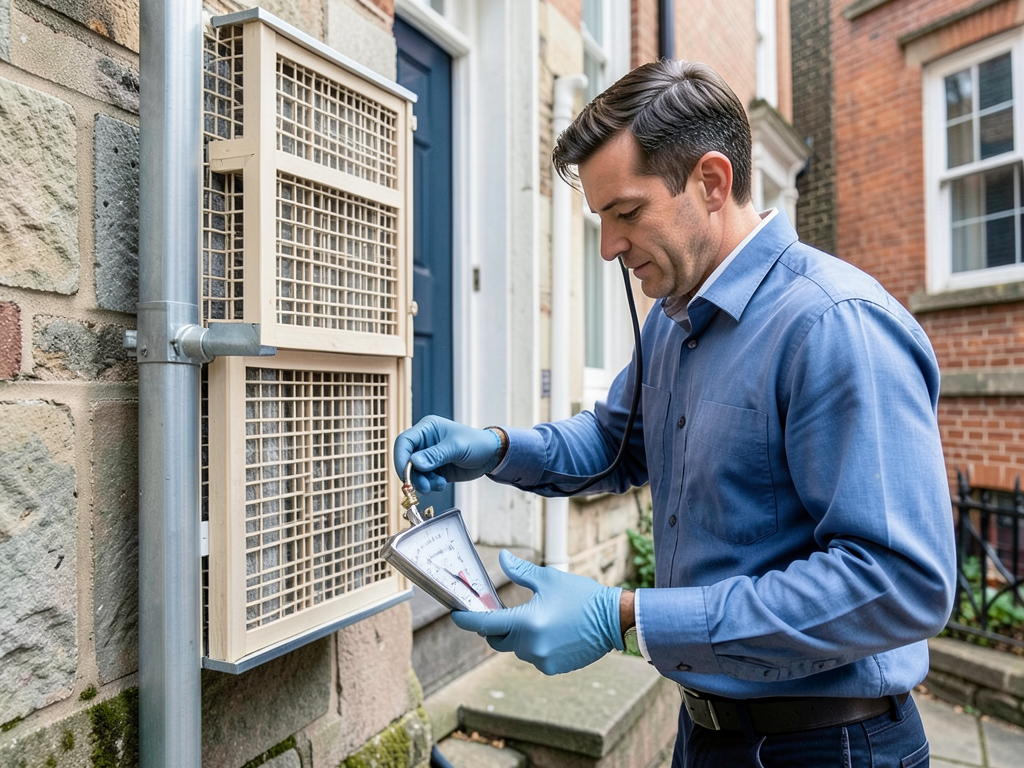
We start with a static pressure test using a manometer to measure airflow resistance across your system. If static pressure exceeds manufacturer specifications, your blower motor is struggling to push air through clogged filters, crimped ducts, or undersized return grilles. This restricted airflow reduces filtration efficiency and allows particulate to bypass the filter media entirely. We also inspect your duct system with a borescope camera to identify gaps in seams, disconnected runs, or biological growth inside the ducts. In older Washington, D.C. homes with metal ductwork, we frequently find rust perforation or collapsed flex duct in crawlspaces.

Next, we evaluate your filtration strategy. If you are using a standard 1-inch pleated filter rated MERV 8, you are capturing less than 35% of particles under 3 microns, which includes most household dust. We calculate your system's airflow capacity in cubic feet per minute and match it to a filter with the correct MERV rating and surface area. For homes with persistent dust issues, we recommend upgrading to a 4-inch media filter or installing a bypass HEPA filtration system that treats air before it enters the main duct trunk.

We seal all duct leaks with mastic and embedded mesh, not foil tape, which degrades in humid environments. We balance airflow across all supply registers to create positive pressure in living areas, preventing unfiltered air from infiltrating through gaps around windows and doors. The goal is simple. Your system should filter incoming air effectively and distribute clean air evenly without leaking contaminated air into living spaces.

What Happens During Your Dust Assessment

Excess Dust in Home in Washington, D.C. | Expert HVAC Diagnosis and Targeted Solutions
01

System Airflow Testing

We measure static pressure at the blower compartment and compare it against factory specifications to determine if restricted airflow is causing your filter to bypass dust. We also test airflow velocity at each supply register using a hot-wire anemometer to identify imbalanced distribution. If some rooms receive weak airflow while others get excessive air, your duct system is not sized correctly for your home's layout, which creates pressure imbalances that pull in unfiltered air through building envelope gaps.
02

Ductwork Inspection and Leak Detection

We visually inspect all accessible ductwork in your basement, crawlspace, or attic for signs of damage, disconnection, or biological contamination. Using a borescope camera, we examine interior duct surfaces for dust accumulation, mold growth, or rodent debris. We perform a blower door test with a fog machine to identify duct leaks under operating pressure. If your ducts are leaking conditioned air into unconditioned spaces, they are also pulling in dusty, unfiltered air from those same areas and distributing it throughout your home.
03

Filtration System Upgrade Recommendation

Based on measured airflow capacity and particulate load, we recommend a filtration solution matched to your system's capability. This may include upgrading to a higher MERV filter, installing a media cabinet filter with more surface area, or adding a standalone air scrubber with HEPA filtration. We explain the tradeoffs between filtration efficiency and airflow resistance so you can make an informed decision. After installation, we retest static pressure to confirm the new filter does not overload your blower motor.

Why Washington, D.C. Homeowners Trust Us to Fix Dust Problems Permanently

You need someone who understands how Washington's building stock affects indoor air quality. Many homes in neighborhoods like Shaw, Logan Circle, and Georgetown were built between 1900 and 1950 with gravity furnaces or radiator heat. When central air was retrofitted decades later, contractors often installed ductwork in ways that violate basic airflow principles. We see undersized return ducts, supply registers placed in exterior walls where thermal bridging occurs, and flex duct runs that sag and restrict airflow. These installation flaws create the chronic dust problems you are experiencing now.

Patriot HVAC Washington DC specializes in diagnosing and correcting these legacy system issues. We have worked in hundreds of row homes, Victorian-era structures, and mid-century colonials across the District. We know how to navigate tight crawlspaces, work around knob-and-tube wiring, and retrofit modern filtration systems into homes with limited mechanical space. We do not sell you equipment you do not need. If your dust problem can be solved by sealing ducts and upgrading your filter, we tell you that upfront.

We also understand the local code requirements enforced by the D.C. Department of Consumer and Regulatory Affairs. If your home needs duct modifications or air handler upgrades, we pull permits and schedule inspections to keep your work compliant. This matters if you plan to sell your home or file an insurance claim related to indoor air quality issues.

Our technicians carry manometers, thermal imaging cameras, and borescope equipment on every service call. We do not guess. We measure, document, and explain what we find in plain language. You get a written diagnostic report with photos and airflow measurements so you can see exactly why your home is dusty and what it takes to fix it.

What You Can Expect When We Solve Your Dust Problem

Diagnostic Appointment Scheduling

We schedule diagnostic appointments within 48 hours of your call. The assessment takes 90 minutes to two hours depending on the size of your home and the accessibility of your ductwork. We arrive with all testing equipment and provide same-day findings. If we identify a simple fix like a clogged filter or disconnected duct boot, we can often repair it during the initial visit. For more complex issues requiring duct sealing or filtration system upgrades, we provide a detailed written estimate before starting any work. You will know exactly what the problem is and what it costs to fix it before you commit.

Comprehensive Airflow and Filtration Analysis

We measure static pressure at the air handler, test airflow velocity at each supply register, and inspect your filter media for bypass gaps or incorrect sizing. We photograph any duct damage or contamination we find and show you the images on-site. If your system has a humidifier or electronic air cleaner, we test those components as well since malfunctioning accessories can contribute to dust circulation. You receive a written report with all measurements, photos, and our findings. We explain how each issue contributes to your dust problem and prioritize repairs by impact. You will understand the difference between urgent fixes and optional upgrades.

Professional Duct Sealing and Filtration Upgrades

We seal duct leaks using water-based mastic and fiberglass mesh, which creates a permanent airtight seal that withstands humidity and temperature fluctuations. We do not use foil tape or duct tape, which fail within months in crawlspace environments. If your system needs a filtration upgrade, we install media cabinets or HEPA bypass systems that integrate with your existing ductwork without restricting airflow. After completing repairs, we retest static pressure and register airflow to confirm the system operates within manufacturer specifications. You will notice reduced dust accumulation within the first week as your system begins filtering air properly instead of recirculating contaminants.

Filter Maintenance and System Monitoring

We provide a filter change schedule based on your specific system and filtration media. Higher MERV filters require more frequent replacement to prevent airflow restriction. We offer maintenance plans that include scheduled filter changes, annual duct inspections, and airflow testing to catch problems before they affect your indoor air quality. If you prefer to change filters yourself, we show you how to check static pressure with a simple manometer and teach you the warning signs of a clogged filter. Our goal is to give you the knowledge and tools to keep your system running efficiently long after we leave.

Frequently Asked Questions

You Have Questions,
We Have Answers

What causes so much dust in my house? +

Dust accumulates from multiple sources. Dead skin cells, pet dander, and fabric fibers contribute daily. In Washington, D.C., high humidity in summer creates conditions where dust mites thrive. Leaky ductwork in your HVAC system pulls in attic insulation particles and outdoor pollutants. Old HVAC filters trap little. Construction in neighboring rowhouses sends particles through shared walls. Clay soil common in D.C. tracks in easily. Poor ventilation traps airborne particles instead of exhausting them. Your furnace or AC fan circulates dust if ducts are dirty. Addressing the HVAC system solves most residential dust problems.

How do I stop my house from getting so dusty? +

Start with your HVAC system. Replace filters monthly with MERV 11 or higher rated options. Schedule professional duct cleaning to remove accumulated debris. Seal duct leaks that pull in attic dust. Upgrade to a whole-home air cleaner if your system allows. Vacuum twice weekly using HEPA filtration. Wash bedding in hot water weekly to kill dust mites, which thrive in D.C.'s humid climate. Use doormats and remove shoes at entry points. Reduce clutter where dust settles. Keep windows closed during high pollen months. Run bathroom and kitchen exhaust fans to remove airborne particles before they settle.

Do air purifiers actually reduce dust? +

Yes, when sized correctly. Portable air purifiers with true HEPA filters capture 99.97% of particles 0.3 microns or larger. They work best in single rooms, not whole homes. In Washington, D.C., where humidity fuels dust mites, purifiers help bedrooms significantly. Look for units rated for your square footage. Change filters per manufacturer schedules. Purifiers complement HVAC filtration but do not replace it. Whole-home air cleaners installed in your ductwork provide better coverage for larger homes. Purifiers reduce airborne dust but do not eliminate sources like dirty ducts or poor ventilation. Address root causes first.

Is it unhealthy to live in a dusty house? +

Yes, chronic exposure creates health risks. Dust contains allergens, dust mite waste, mold spores, and fine particulate matter. You may develop respiratory irritation, trigger asthma attacks, or worsen allergies. D.C.'s seasonal humidity increases mold growth in dust. Long-term exposure to fine particles contributes to cardiovascular issues. Children and elderly residents face higher risks. Dust mites thrive in bedding and upholstery, causing reactions even when you sleep. If you notice persistent coughing, sneezing, or congestion at home, dust is likely a factor. Improving indoor air quality through HVAC maintenance and filtration reduces these health risks significantly.

What is grandmas' simple trick to eliminate dust? +

The trick is dryer sheets. Wipe baseboards, blinds, and electronics with used dryer sheets. The anti-static coating repels dust temporarily and picks up existing particles. This works for quick touch-ups between deep cleans. However, this addresses symptoms, not causes. In D.C. homes with older HVAC systems, dust returns quickly without proper filtration. Dryer sheets do not improve air quality or reduce airborne particles. Use them for maintenance, but invest in HVAC filter upgrades and duct cleaning for lasting results. The real solution targets your air circulation system, not surface wiping alone.

How to clean an extremely dusty house? +

Work top to bottom. Start with ceiling fans and light fixtures using a microfiber cloth. Vacuum or wipe air vents and return grilles. Wash curtains and vacuum upholstery. Use a HEPA-filter vacuum on all floors, including hardwood. Mop hard surfaces with damp cloths to trap particles instead of spreading them. In D.C. rowhomes with shared walls, check for gaps around baseboards where dust enters. Replace your HVAC filter immediately. Consider professional duct cleaning if dust reappears within days. Open windows briefly during cleaning to exhaust airborne particles, then close them to prevent outdoor pollutants from entering.

What absorbs dust in the house? +

Materials do not absorb dust, they trap it. Microfiber cloths and mop heads use static charge to capture particles effectively. HVAC filters trap airborne dust before it circulates. Doormats catch soil and debris at entry points. Houseplants slightly improve air quality but collect dust on leaves, requiring regular cleaning. In Washington, D.C., where humidity is high, dust mites and mold spores settle into fabrics and carpets. Hard flooring traps less dust than carpet. Whole-home air cleaners and upgraded HVAC filtration provide the best ongoing dust control by capturing particles before they settle on surfaces.

What is the golden rule of dusting? +

Dust top to bottom, never the reverse. Start with ceiling fans, shelves, and upper surfaces. Particles fall as you clean, so you capture them when you reach lower levels and floors last. Use microfiber cloths slightly dampened to trap dust instead of spreading it airborne. Vacuum or sweep after dusting, not before. In D.C. homes with forced-air heating, turn off the HVAC system briefly while dusting to prevent circulating particles. Empty vacuum canisters outside to avoid reintroducing dust indoors. This systematic approach reduces cleaning time and prevents redistributing dust you just removed.

Does opening a window reduce dust? +

It depends on outdoor conditions. Opening windows dilutes indoor pollutants temporarily but introduces pollen, vehicle exhaust, and construction dust common in Washington, D.C. During spring and fall, pollen counts spike, making open windows counterproductive. If outdoor air quality is good, cross-ventilation helps exhaust stale air. However, without proper HVAC filtration, you exchange one dust source for another. Modern homes with tight building envelopes need mechanical ventilation, not open windows. Use windows strategically during mild weather with low pollen forecasts. Rely on HVAC filtration and exhaust fans for consistent air quality control year-round.

Is there a machine that removes dust from the air? +

Yes, several options exist. Whole-home air cleaners install directly into your HVAC system and filter all circulated air. HEPA air purifiers work for individual rooms. Media filters with MERV 13 ratings or higher capture fine particles. Electrostatic precipitators use charged plates to trap dust. In Washington, D.C., where humidity and seasonal pollen create dust challenges, whole-home solutions outperform portable units. Professional HVAC companies assess your system capacity before installation. These machines work continuously, unlike vacuuming or dusting. Combine mechanical filtration with regular duct cleaning for optimal results. Choose systems rated for your square footage.

How Washington's Urban Particulate Load Overwhelms Standard HVAC Filtration

Washington, D.C. sits at the intersection of urban density and natural vegetation, creating a particulate load that exceeds what standard residential HVAC filters were designed to handle. The National Mall and Rock Creek Park contribute seasonal pollen spikes from oak, maple, and cherry trees. Construction activity from Metro expansion, commercial development along K Street, and residential renovation in gentrifying neighborhoods generates silica dust and concrete particulate that drifts into homes through open windows and building envelope leaks. Vehicle emissions from I-66, I-395, and the Capital Beltway add fine particulate matter under 2.5 microns that standard pleated filters cannot capture. If your home is near these corridors or downwind of construction zones, your HVAC system faces a constant influx of contaminants that quickly overwhelm a 1-inch filter.

Homes in historic districts like Capitol Hill and Georgetown face additional challenges because preservation rules limit exterior modifications that would improve building envelope sealing. Many row homes share party walls with neighboring units, which means you are also dealing with particulate infiltration from adjacent properties. Local HVAC contractors familiar with Washington's building stock understand these constraints and can recommend filtration upgrades that work within your home's architectural limitations. Choosing a provider with experience in District homes means you get solutions that account for your specific building type, ductwork configuration, and the local environmental factors driving your dust problem.
HVAC Services in The Washington DC Area

Easily locate Patriot HVAC and explore our service area on the map below. We are strategically positioned to provide prompt and efficient heating, ventilation, and air conditioning services across Washington D.C. and its neighboring communities. Whether you're seeking a quick repair or a new installation, our team is ready to serve your comfort needs.

Address:
Patriot HVAC Washington DC, 20 F St NW, Washington, DC, 20001

Additional Services We Offer

Our news updates

Latest Articles & News from The Blogs

A seasonal guide to the best day to switch from cooling to heating in Washington DC Washington DC homeowners face…

A seasonal guide to the best day to switch from cooling to heating in Washington DC

A seasonal guide to the best day to switch from cooling to heating in Washington DC Washington DC homeowners face…

The Ultimate Spring HVAC Checklist for Large Family Homes in Crestwood

The Ultimate Spring HVAC Checklist for Large Family Homes in Crestwood Spring in Washington DC means the humid summer heat…

Keeping construction dust out of your Buzzard Point apartment during nearby building projects

Keeping construction dust out of your Buzzard Point apartment during nearby building projects Construction dust from new developments along the…

Contact Us

You deserve clean air and surfaces that stay clean for more than three days. Call Patriot HVAC Washington DC at (771) 218-6322 to schedule your dust diagnostic. We will identify the root cause and fix it permanently, not just treat the symptom.