
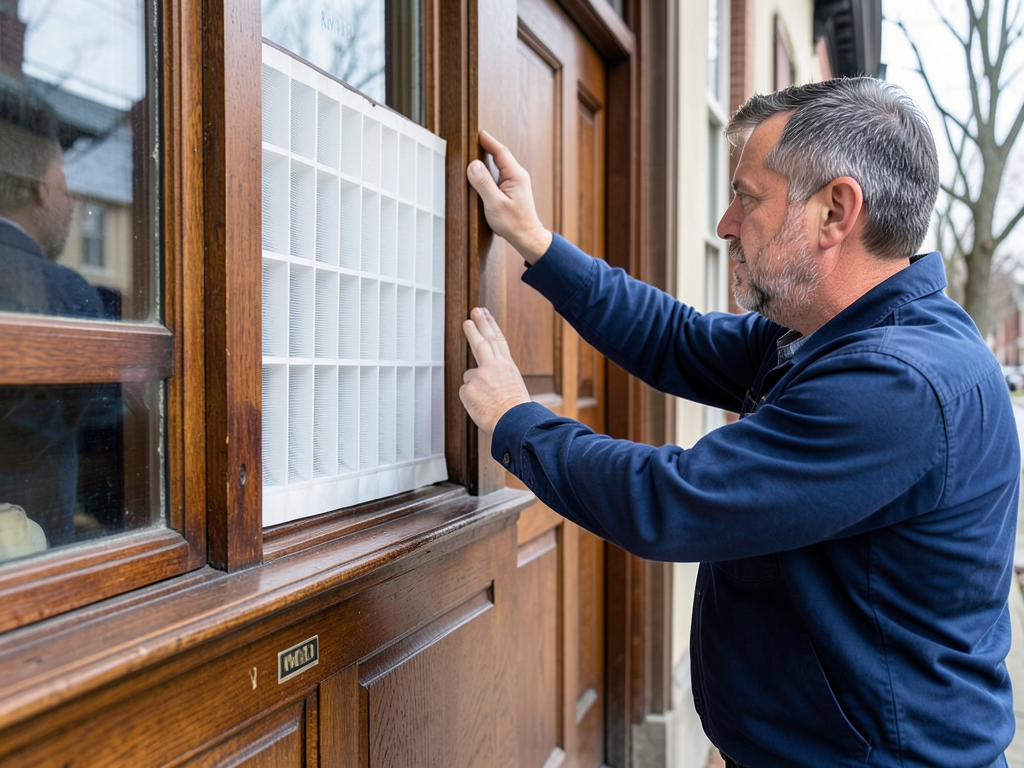
The Best Air Filter Upgrades for Georgetown Homes with Sensitive Historic Woodwork
Georgetown homeowners face a unique challenge when upgrading air filters. The neighborhood’s historic Federal and Victorian rowhouses contain irreplaceable woodwork that reacts to dust, humidity swings, and airborne pollutants. At the same time, many of these homes have aging HVAC systems that cannot handle the static pressure of modern high-efficiency filters.
Finding the right balance between air quality and system preservation requires understanding both your home’s mechanical limitations and the specific environmental threats facing Georgetown’s historic interiors. Finding Reliable Emergency AC Repair in Capitol Hill DC During a Heatwave.
Understanding the Static Pressure Challenge in Historic Georgetown Homes
Older HVAC systems in Georgetown were designed for low-resistance filters or no filters at all. When you install a high-MERV filter without considering static pressure, you create airflow resistance that forces the blower motor to work harder. This can lead to motor burnout, frozen coils, and reduced heating or cooling capacity. The Best Heating and Cooling Solutions for Adams Morgan Condos.
The problem is particularly acute in Georgetown’s Federal-style homes built before 1900. These structures often have original gravity furnaces or early forced-air systems with undersized blowers. The narrow ductwork common in rowhouses compounds the issue by restricting airflow even further. Fast Furnace Repair Services for Families in Chevy Chase DC.
Before selecting any filter upgrade, you need to know your system’s maximum static pressure rating. This information is typically found on the blower motor nameplate or in the equipment manual. Most older systems operate safely at 0.1 to 0.3 inches of water column static pressure. Modern high-efficiency filters can add 0.2 to 0.5 inches of pressure drop, exceeding what your system can handle.
MERV Ratings That Work for Georgetown’s Historic Systems
MERV stands for Minimum Efficiency Reporting Value and measures a filter’s ability to capture particles between 0.3 and 10 microns. Higher MERV ratings mean better filtration but also greater airflow resistance. For Georgetown’s historic HVAC systems, the sweet spot is typically MERV 6 to MERV 8.
MERV 6 filters capture pollen, dust mites, and mold spores while adding minimal pressure drop. These work well for homes without severe allergy concerns. MERV 8 filters provide better protection against pet dander and finer dust particles while still maintaining acceptable airflow in most older systems.
Avoid MERV 11 or higher in systems older than 15 years unless you’ve had a static pressure test performed. The pressure drop from these filters can cause your system to short cycle, reducing efficiency and potentially damaging the compressor. Some Georgetown homeowners have discovered their 1920s-era radiators and boilers cannot handle even MERV 8 filters without significant modifications. Boiler Services.
Georgetown’s Unique Air Quality Challenges
The Potomac River’s proximity creates specific air quality issues for Georgetown homes. Spring pollen counts from cherry blossoms and other flowering trees can reach extreme levels, while summer humidity promotes mold growth in older ductwork. Urban pollution from nearby commercial areas adds another layer of airborne contaminants.
Georgetown’s historic preservation guidelines also affect your filtration options. Many homes cannot modify exterior walls or install bulky air purification systems without approval from the Historic Preservation Office. This limitation makes internal filtration upgrades even more critical for protecting both your health and your home’s historic features.
The neighborhood’s dense urban setting means homes often share party walls with neighbors. This proximity can allow dust, cooking odors, and other pollutants to migrate between properties through shared HVAC systems or wall cavities. Proper filtration becomes essential for maintaining indoor air quality in these connected spaces.
Filter Types That Protect Both Air Quality and Historic Woodwork
Pleated filters offer the best balance of filtration efficiency and airflow for most Georgetown homes. The accordion design increases surface area without significantly increasing pressure drop. Look for filters with synthetic media rather than fiberglass, as they maintain their shape better and resist moisture damage.
Electrostatic filters use self-charging fibers to attract particles. These work well in Georgetown’s humid climate because they don’t rely on mechanical pressure to capture contaminants. However, they require regular cleaning to maintain effectiveness and can develop mold if not properly maintained in the neighborhood’s damp conditions.
High-flow filters are designed specifically for older systems that cannot handle standard high-efficiency filters. These use larger surface areas or specialized media to achieve good filtration with minimal pressure drop. They’re particularly useful in Georgetown’s Federal-style homes where the original ductwork cannot be easily modified.
Installation Considerations for Historic Georgetown Interiors
Georgetown’s historic woodwork requires special care during filter installation. Original baseboards, door casings, and window trim can be damaged by improper handling or excessive dust during the upgrade process. Professional installation ensures your home’s character-defining features remain protected.
Many Georgetown homes have return air grilles integrated into their original woodwork. These cannot be easily modified without approval from preservation authorities. Custom-sized filters that fit existing openings are often the only option. Some homeowners have successfully retrofitted modern filter grilles that match their home’s historic character.
The neighborhood’s older electrical systems may also affect your filter upgrade options. Some Georgetown homes still have knob-and-tube wiring or undersized electrical panels that cannot support modern air purification equipment. A professional assessment can identify these limitations before you invest in expensive filtration upgrades.
Maintenance Schedule for Georgetown’s Historic Homes
Georgetown’s seasonal pollen patterns dictate your filter replacement schedule. Spring requires more frequent changes due to cherry blossom and tree pollen. Summer brings higher humidity and potential mold growth in ductwork. Fall introduces leaf mold and ragweed pollen. Winter’s dry conditions can cause static electricity that attracts dust.
Check your filter monthly during peak pollen seasons. Even if it appears clean, the media can become saturated with microscopic particles that reduce airflow. Replace filters every 30 to 60 days during heavy use periods, and every 90 days during mild seasons.
Professional duct cleaning every 3 to 5 years helps maintain system efficiency and prevents dust buildup on historic woodwork. This is especially important in Georgetown’s older homes where original plaster walls can be damaged by excessive dust accumulation over time.
Cost-Effective Filter Strategies for Georgetown Homeowners
Bulk purchasing filters can save money while ensuring you always have replacements available. Many Georgetown hardware stores offer discounts for buying multiple filters at once. Store them in a dry location to prevent moisture damage before installation.
Consider a two-filter system for maximum protection. Use a basic MERV 6 or 8 filter for everyday use, then switch to a higher-efficiency filter during severe allergy seasons or after nearby construction projects. This approach balances system protection with air quality needs.
Some Georgetown homeowners have found success with washable electrostatic filters. While the upfront cost is higher, these filters can be cleaned and reused for several years. However, they require regular maintenance and may not provide the same level of filtration as disposable options.
Professional Assessment: The Key to Success
Before upgrading your filters, have a professional HVAC technician perform a static pressure test. This diagnostic measures your system’s actual pressure drop with the current filter installed. The technician can then recommend specific filter options that won’t damage your equipment.
A professional assessment also identifies potential issues like duct leaks, inadequate return air, or undersized equipment that could affect your filtration upgrade. In Georgetown’s older homes, these hidden problems are common and can undermine even the best filter choices.
Look for technicians familiar with historic Georgetown homes. They understand the unique challenges of working with original systems and can recommend solutions that preserve both your HVAC equipment and your home’s historic character.
Protecting Your Investment
Upgrading your air filters is just one part of maintaining good indoor air quality in Georgetown’s historic homes. Regular HVAC maintenance, proper humidity control, and attention to your home’s unique characteristics all contribute to protecting both your health and your property’s historic value.
The right filter upgrade can significantly improve your home’s air quality without compromising your HVAC system’s longevity. By understanding your system’s limitations and Georgetown’s specific environmental challenges, you can make informed decisions that protect both your family and your home’s irreplaceable historic features. How to Choose the Right Air Conditioning Replacement for Your Foggy Bottom Townhouse.
Don’t let poor air quality damage your Georgetown home’s historic woodwork or compromise your family’s health. Call (771) 218-6322 today to schedule a professional assessment and find the perfect filter solution for your historic home.
Frequently Asked Questions
What MERV rating is safe for my 100-year-old Georgetown home?
For most historic Georgetown homes, MERV 6 to MERV 8 filters provide the best balance of filtration and system protection. Higher ratings can cause excessive pressure drop in older systems, potentially damaging the blower motor.
How often should I change my air filter in Georgetown?
Change your filter every 30 to 60 days during peak pollen seasons (spring and fall) and every 90 days during mild seasons. Georgetown’s proximity to the Potomac and urban environment creates year-round air quality challenges.
Can I install a HEPA filter in my historic Georgetown home?
Most historic Georgetown homes cannot accommodate HEPA filters without significant system modifications. HEPA filters create too much pressure drop for older HVAC systems. Consider bypass filtration systems as an alternative. EPA air filter guidelines.
Will upgrading my filter improve my allergies?
Yes, upgrading to a higher MERV rating can significantly reduce airborne allergens. However, the improvement depends on your system’s ability to handle the increased pressure drop without compromising airflow.
How do I know if my filter is causing system problems?
Signs of filter-related issues include reduced airflow from vents, longer heating or cooling cycles, unusual system noises, or the system running continuously without reaching the set temperature. For more information, visit ASHRAE filtration standards.
{
“@context”: “https://schema.org”,
“@type”: “BlogPosting”,
“headline”: “The Best Air Filter Upgrades for Georgetown Homes with Sensitive Historic Woodwork”,
“description”: “Protect your Georgetown historic home’s woodwork with the right air filter. Learn which MERV ratings work for old systems and how to improve air quality without damage.”,
“wordCount”: 1616,
“datePublished”: “2026-06-11T11:00:00.000Z”,
“dateModified”: “2026-06-11T11:00:00.000Z”,
“inLanguage”: “en-US”,
“mainEntityOfPage”: {
“@type”: “WebPage”,
“@id”: “https://patriothvacwashingtondc.com”
},
“publisher”: {
“@type”: “LocalBusiness”,
“name”: “Patriot HVAC Washington DC”,
“url”: “https://patriothvacwashingtondc.com”
},
“author”: {
“@type”: “Organization”,
“name”: “Patriot HVAC Washington DC”,
“url”: “https://patriothvacwashingtondc.com”
},
“image”: {
“@type”: “ImageObject”,
“url”: “https://patriothvacwashingtondc.com/wp-content/uploads/2026/03/the-best-air-filter-upgrades-for-georgetown-homes-1.png”
}
}
{
“@context”: “https://schema.org”,
“@type”: “HVACBusiness”,
“name”: “Patriot HVAC Washington DC”,
“url”: “https://patriothvacwashingtondc.com”,
“address”: {
“@type”: “PostalAddress”,
“addressLocality”: “Washington DC”
},
“areaServed”: {
“@type”: “City”,
“name”: “Washington DC”
}
}
{
“@context”: “https://schema.org”,
“@type”: “FAQPage”,
“mainEntity”: [
{
“@type”: “Question”,
“name”: “What MERV rating is safe for my 100-year-old Georgetown home?”,
“acceptedAnswer”: {
“@type”: “Answer”,
“text”: “For most historic Georgetown homes, MERV 6 to MERV 8 filters provide the best balance of filtration and system protection. Higher ratings can cause excessive pressure drop in older systems, potentially damaging the blower motor.”
}
},
{
“@type”: “Question”,
“name”: “How often should I change my air filter in Georgetown?”,
“acceptedAnswer”: {
“@type”: “Answer”,
“text”: “Change your filter every 30 to 60 days during peak pollen seasons (spring and fall) and every 90 days during mild seasons. Georgetown’s proximity to the Potomac and urban environment creates year-round air quality challenges.”
}
},
{
“@type”: “Question”,
“name”: “Can I install a HEPA filter in my historic Georgetown home?”,
“acceptedAnswer”: {
“@type”: “Answer”,
“text”: “Most historic Georgetown homes cannot accommodate HEPA filters without significant system modifications. HEPA filters create too much pressure drop for older HVAC systems. Consider bypass filtration systems as an alternative. EPA air filter guidelines.”
}
},
{
“@type”: “Question”,
“name”: “Will upgrading my filter improve my allergies?”,
“acceptedAnswer”: {
“@type”: “Answer”,
“text”: “Yes, upgrading to a higher MERV rating can significantly reduce airborne allergens. However, the improvement depends on your system’s ability to handle the increased pressure drop without compromising airflow.”
}
},
{
“@type”: “Question”,
“name”: “How do I know if my filter is causing system problems?”,
“acceptedAnswer”: {
“@type”: “Answer”,
“text”: “Signs of filter-related issues include reduced airflow from vents, longer heating or cooling cycles, unusual system noises, or the system running continuously without reaching the set temperature. For more information, visit ASHRAE filtration standards.”
}
}
]
}
{
“@context”: “https://schema.org”,
“@type”: “BreadcrumbList”,
“itemListElement”: [
{
“@type”: “ListItem”,
“position”: 1,
“name”: “Home”,
“item”: “https://patriothvacwashingtondc.com”
},
{
“@type”: “ListItem”,
“position”: 2,
“name”: “Blog”,
“item”: “https://patriothvacwashingtondc.com/blog”
},
{
“@type”: “ListItem”,
“position”: 3,
“name”: “The Best Air Filter Upgrades for Georgetown Homes with Sensitive Historic Woodwork”
}
]
}
{
“@context”: “https://schema.org”,
“@type”: “Service”,
“serviceType”: “HVAC”,
“provider”: {
“@type”: “LocalBusiness”,
“name”: “Patriot HVAC Washington DC”,
“url”: “https://patriothvacwashingtondc.com”
},
“areaServed”: {
“@type”: “City”,
“name”: “Washington DC”
},
“description”: “Protect your Georgetown historic home’s woodwork with the right air filter. Learn which MERV ratings work for old systems and how to improve air quality without damage.”
}