
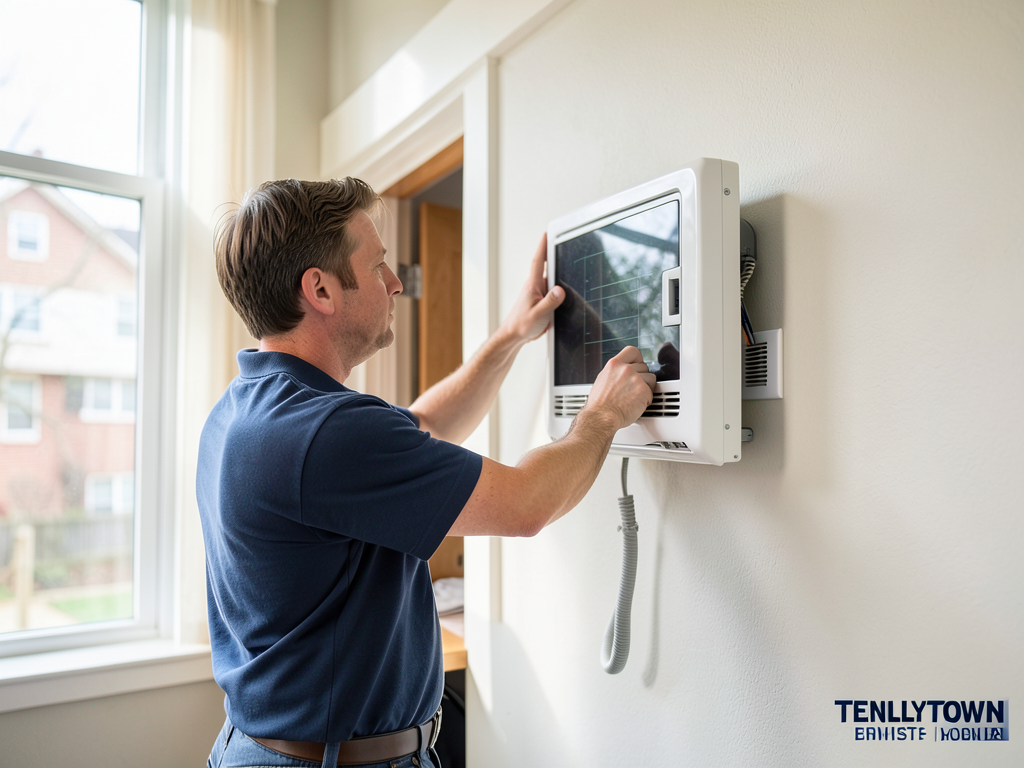
Solving Hot Second Floor Problems in Tenleytown Split-Level Homes
If your second floor in Tenleytown feels like a sauna while the first floor stays cool, you’re not alone. Many split-level homes in the 20016 area struggle with uneven temperatures due to their unique architecture and DC’s humid climate. This guide explains why it happens and what you can do about it.
Hot second floors in split-level homes typically stem from poor airflow, inadequate insulation, or an undersized HVAC system trying to cool multiple levels. In Tenleytown’s older homes, narrow ductwork and closed-off rooms make it even harder for conditioned air to reach upper levels. The result is a frustrating temperature imbalance that wastes energy and reduces comfort.
Before you crank up the AC and watch your energy bills soar, consider a targeted solution. Modern zoning systems or ductless mini-splits can deliver precise comfort to your second floor without replacing your entire HVAC system. These solutions are particularly effective in Tenleytown’s historic homes where traditional ductwork modifications may be impractical or cost-prohibitive.
DCSEU rebates can offset up to $500 of installation costs for qualifying high-efficiency systems. Combined with improved comfort and lower monthly bills, this makes professional zoning installation a smart investment for Tenleytown homeowners. Call (771) 218-6322 today to schedule your inspection and take the first step toward balanced comfort.
Why Tenleytown Split-Level Homes Have Hot Second Floors
Tenleytown’s split-level homes, common in the 20016 zip code, were built between the 1940s and 1970s when HVAC design focused on simplicity rather than efficiency. These homes typically feature a main level with living spaces, a lower level with bedrooms, and an upper level that often becomes unbearably hot in summer.
The architectural layout creates natural airflow problems. Heat rises and gets trapped in upper levels, while narrow, original ductwork struggles to push enough cool air upstairs. Many homes have only one thermostat located on the main floor, so the system shuts off before the second floor reaches comfortable temperatures.
Washington DC’s climate makes these problems worse. Summer humidity levels often exceed 70%, and our region experiences significant temperature swings between day and night. This combination forces HVAC systems to work harder, especially when trying to cool upper levels through inadequate ductwork.
Older split-level homes in Tenleytown also tend to have less insulation than modern construction. Heat penetrates through poorly insulated walls and attics, creating a constant battle between your AC and outdoor temperatures. The result is a second floor that stays 5-10 degrees warmer than the main level.
DC’s building codes have evolved, but many Tenleytown homes predate modern energy efficiency requirements. This means your system may be working perfectly fine by 1960s standards but struggling to meet today’s comfort expectations. Understanding these limitations is the first step toward finding an effective solution. Finding Reliable Emergency AC Repair in Capitol Hill DC During a Heatwave.
Multi-Zone HVAC Solutions for Tenleytown Homes
Multi-zone HVAC systems divide your home into separate temperature-controlled areas, allowing different floors to maintain different temperatures simultaneously. For Tenleytown split-levels, this means your second floor can stay cool without freezing the main level. EPA guidelines for heating and cooling systems.
Ductless mini-split systems offer the most flexible solution for older homes. These systems use small outdoor units connected to one or more indoor air handlers mounted on walls or ceilings. Each air handler operates independently, giving you precise control over second-floor temperatures without major ductwork modifications.
Traditional zoning with your existing ductwork works well for homes where the duct system is still in good condition. This approach installs motorized dampers that open and close based on thermostat signals, directing more conditioned air to problem areas like your second floor.
Variable-speed HVAC systems provide another effective option. These systems adjust their output based on demand rather than cycling on and off at full power. This results in more consistent temperatures and better humidity control throughout your home. Short Cycling.
Smart thermostats enhance any zoning solution by learning your schedule and preferences. Many models can detect temperature differences between floors and automatically adjust settings to maintain comfort where you need it most.
The choice between ductless and ducted zoning depends on your home’s specific layout and your budget. Ductless systems typically cost more upfront but offer easier installation and better energy efficiency. Ducted zoning preserves your home’s original appearance but may require some ductwork modifications.
DCSEU Rebates and Local Incentives
The District of Columbia Sustainable Energy Utility offers substantial rebates for energy-efficient HVAC upgrades. Current programs provide up to $500 for qualifying multi-zone systems, making professional installation more affordable for Tenleytown homeowners.
DCSEU rebates apply to both ductless mini-splits and high-efficiency traditional systems. To qualify, equipment must meet specific SEER2 and HSPF ratings that exceed standard efficiency requirements. These ratings ensure your new system will deliver both comfort and energy savings.
Beyond DCSEU, federal tax credits may be available for qualifying energy-efficient improvements. The Residential Energy Efficient Property Credit can offset up to 30% of installation costs for certain high-efficiency systems, though specific eligibility requirements apply.
Local utility companies sometimes offer additional incentives for customers who reduce peak demand. These programs can provide further savings, especially if your second-floor cooling solution helps balance your home’s overall energy usage. The Best Heating and Cooling Solutions for Adams Morgan Condos.
Understanding available incentives requires some research, but the potential savings make it worthwhile. Many HVAC contractors in the DC area, including those serving Tenleytown, can help identify and apply for all applicable rebates and credits.
Timing your installation during promotional periods can maximize savings. Many manufacturers offer seasonal rebates on top of utility and government incentives, potentially reducing your out-of-pocket costs by several hundred dollars.
Installation Process for Tenleytown Homes
Professional installation begins with a comprehensive home assessment. Technicians evaluate your current system’s capacity, your home’s layout, and specific comfort issues you’re experiencing. This assessment helps determine whether ductless, ducted, or hybrid zoning makes the most sense for your situation.
Permit requirements vary by project scope. Simple ductless installations often don’t require permits, while major modifications to existing ductwork or electrical systems do. Local contractors familiar with DC regulations can handle permit applications and inspections.
Installation timelines depend on system complexity. Ductless mini-splits typically install in one to two days, while traditional zoning with ductwork modifications may take three to five days. Most installations cause minimal disruption to your daily routine.
Technicians must follow DC building codes for electrical work, refrigerant handling, and equipment mounting. This includes proper condensate drainage, electrical circuit sizing, and outdoor unit placement that complies with local noise ordinances.
Post-installation testing ensures your new system operates correctly. Technicians verify airflow, check refrigerant levels, and calibrate thermostats. They also demonstrate system operation and provide maintenance recommendations to maximize performance and longevity.
Many contractors offer maintenance plans that include regular filter changes, coil cleaning, and system checks. These plans help protect your investment and ensure consistent performance throughout Washington DC’s demanding seasons.
Cost Factors and ROI Analysis
Multi-zone HVAC installation costs vary based on system type, home size, and installation complexity. Ductless mini-splits typically range from $3,500 to $7,000 for a complete second-floor solution, while traditional zoning modifications might cost $2,500 to $5,000.
Energy savings represent the primary return on investment. Homes with properly sized, efficient systems often see 15-30% reductions in cooling costs. In Tenleytown’s climate, these savings can offset installation costs within three to five years.
Comfort improvements provide immediate value beyond energy savings. Eliminating hot second floors reduces the need for portable fans or window units, which can be both noisy and inefficient.
Property value may increase with professional HVAC upgrades. Energy-efficient homes with modern comfort systems appeal to buyers and can command premium prices in competitive DC markets.
Maintenance costs for zoned systems are generally similar to traditional HVAC, though some components like dampers or additional thermostats may require occasional service. Quality installation minimizes these long-term expenses.
Financing options make upgrades accessible without large upfront payments. Many contractors offer payment plans, and some utility programs provide low-interest loans for energy-efficient improvements.
Local Case Study: Successful Tenleytown Installation
A 1960s split-level home on Yuma Street in Tenleytown experienced severe second-floor overheating despite a recently replaced central AC. The main floor stayed comfortable at 72°F while the upstairs reached 85°F on summer afternoons.
The solution involved installing two ductless mini-split air handlers on the second floor, connected to a single outdoor condenser. This approach avoided major ductwork modifications while providing independent temperature control for the problem area.
Post-installation monitoring showed second-floor temperatures staying within two degrees of the main level, even during heat waves. The homeowners reported improved sleep quality and reduced reliance on portable cooling devices.
Energy bills decreased by approximately 18% despite cooling the previously problematic second floor. The system paid for itself through energy savings and eliminated the need for supplemental cooling devices.
This project demonstrates how targeted zoning solutions can address specific comfort issues without replacing entire HVAC systems. The success factors included proper system sizing, strategic air handler placement, and integration with existing climate control.
DCSEU rebates covered $400 of the installation cost, reducing the effective payback period. The homeowners also qualified for a federal tax credit, further improving the investment’s financial performance.
Frequently Asked Questions
How long does multi-zone HVAC installation take in Tenleytown homes?
Most installations complete within two to three days. Ductless systems typically install faster than traditional zoning modifications, with minimal disruption to your home and daily routine.
Will I need permits for second-floor cooling solutions?
Permit requirements depend on the specific work. Simple ductless installations rarely need permits, while major electrical or structural modifications do. Local contractors handle all necessary permits and inspections.
Can I keep my existing AC system with a new zoning solution?
Yes. Most zoning solutions work with existing HVAC equipment. The goal is to improve comfort and efficiency, not necessarily replace functioning systems. Technicians evaluate your current setup to determine compatibility.
What maintenance do zoned systems require?
Regular maintenance includes filter changes, coil cleaning, and system checks. Most components require minimal service beyond standard HVAC maintenance. Quality installation reduces long-term maintenance needs.
Are there financing options for HVAC upgrades?
Many contractors offer payment plans, and utility programs provide low-interest loans for energy-efficient improvements. DCSEU and federal tax credits can also reduce upfront costs for qualifying systems.
How do I know if zoning will solve my specific problem?
Professional assessment determines the best solution for your home. Technicians evaluate airflow patterns, insulation levels, and existing system capacity to recommend the most effective approach for your comfort issues.
Will zoning affect my home’s resale value?
Energy-efficient HVAC upgrades with modern comfort features appeal to buyers and can increase property value. Many homebuyers prioritize homes with reliable, efficient climate control systems.
What brands work best for Tenleytown’s climate?
Major manufacturers like Mitsubishi, Daikin, and Carrier offer systems specifically designed for humid climates. Local contractors can recommend brands with proven performance in Washington DC’s challenging weather conditions.
Choosing the Right HVAC Contractor in Tenleytown
Experience with local housing stock matters when selecting an HVAC contractor. Tenleytown’s split-level homes require specific expertise in zoning solutions and ductless installations that not all contractors possess.
Look for contractors familiar with DC building codes and permit requirements. Local knowledge ensures your installation meets all regulations and passes inspections without delays or complications.
Verify contractor licensing and insurance before committing to any work. DC requires specific HVAC licenses, and proper insurance protects you from liability during installation.
Ask about warranty coverage and service plans. Quality contractors stand behind their work with comprehensive warranties and offer maintenance plans to protect your investment.
Request references from similar projects in the Tenleytown area. Speaking with previous customers provides insight into the contractor’s reliability, workmanship, and customer service.
Compare detailed proposals from multiple contractors. Look beyond price to evaluate equipment quality, installation methods, and warranty terms. The cheapest option rarely delivers the best long-term value.
Communication matters throughout the process. Choose a contractor who explains options clearly, answers questions thoroughly, and keeps you informed about project progress and any issues that arise. How to Choose the Right Air Conditioning Replacement for Your Foggy Bottom Townhouse.
Energy Efficiency and Environmental Impact
Modern zoning systems significantly reduce energy consumption compared to traditional single-zone HVAC. By cooling only occupied areas, these systems eliminate waste and lower your carbon footprint.
High-efficiency equipment uses advanced compressors and fans that consume less electricity while delivering better performance. This technology continues improving, with newer systems offering substantial efficiency gains over older equipment.
Proper system sizing prevents energy waste from oversized equipment cycling on and off frequently. Professional load calculations ensure your new system matches your home’s specific heating and cooling requirements.
Smart controls optimize energy usage by adjusting temperatures based on occupancy patterns and outdoor conditions. Many systems integrate with home automation platforms for maximum efficiency and convenience.
Reducing energy consumption helps combat climate change while lowering your utility bills. Every kilowatt-hour saved through efficient HVAC operation contributes to broader environmental benefits.
DC’s commitment to sustainability aligns with energy-efficient home improvements. By upgrading your HVAC system, you support the District’s goals for reduced emissions and increased renewable energy adoption.
Preparing Your Home for Installation
Clear work areas before installation day to facilitate efficient equipment placement and minimize disruption. This includes moving furniture away from installation sites and providing clear paths for technicians.
Plan for temporary comfort adjustments during installation. While most projects cause minimal disruption, you may need alternative arrangements for a few hours if your system must be offline.
Discuss placement options for indoor and outdoor equipment with your contractor. Strategic positioning maximizes performance while minimizing visual impact and noise concerns.
Consider upgrading your electrical panel if your home’s existing capacity is limited. Modern HVAC equipment often requires dedicated circuits, and older electrical systems may need upgrades to handle new loads safely.
Review maintenance requirements and schedule regular service to protect your investment. Many contractors offer seasonal tune-ups that keep systems running efficiently and prevent costly breakdowns.
Document your installation with photos and keep all manuals and warranty information. This documentation helps with future service calls and proves valuable if you sell your home.
Long-Term Benefits of Professional Zoning
Consistent comfort throughout your home improves quality of life and reduces stress from temperature fluctuations. No more hot second floors or cold downstairs areas means better sleep, productivity, and overall satisfaction.
Energy savings accumulate over time, providing ongoing financial benefits beyond the initial payback period. Efficient systems continue saving money month after month while maintaining superior comfort.
Reduced wear on your HVAC equipment extends system lifespan and minimizes repair costs. Properly sized, efficient systems experience less strain than oversized or struggling equipment. Getting Fast AC Repair for Your Navy Yard Apartment or Condo.
Improved indoor air quality results from better filtration and humidity control in modern systems. This creates healthier living environments, especially important for families with allergies or respiratory concerns.
Increased home value represents a significant long-term benefit. Energy-efficient upgrades with proven performance records appeal to buyers and can differentiate your property in competitive markets.
Peace of mind comes from knowing your home maintains comfortable temperatures regardless of outdoor conditions. Professional zoning solutions eliminate the worry and frustration of hot second floors.
Call (771) 218-6322 Today to Schedule Your Inspection
Don’t let another summer pass with an unbearably hot second floor. Professional HVAC zoning solutions can transform your Tenleytown split-level home into a consistently comfortable space for your family.
Our experienced technicians understand the unique challenges of DC-area homes and can recommend the most effective solution for your specific situation. We handle everything from assessment to installation to final testing, ensuring your complete satisfaction.
Take advantage of available rebates and incentives that can significantly reduce your installation costs. Our team helps identify and apply for all applicable programs, maximizing your savings.
Call (771) 218-6322 today to schedule your free consultation. We’ll evaluate your home, discuss your comfort goals, and provide a detailed proposal with clear pricing and timeline estimates.
Pick up the phone and call (771) 218-6322 before the next heat wave hits. Your family deserves consistent comfort throughout your entire home, and we have the expertise to make it happen. For more information, visit U.S. Department of Energy on home cooling.
{
“@context”: “https://schema.org”,
“@type”: “BlogPosting”,
“headline”: “Solving Hot Second Floor Problems in Tenleytown Split-Level Homes”,
“description”: “Expert HVAC solutions for hot second floors in Tenleytown split-level homes. Learn about zoning systems, DCSEU rebates, and local installation for lasting comfort.”,
“wordCount”: 2705,
“datePublished”: “2026-03-12T14:36:00.000Z”,
“dateModified”: “2026-03-12T14:36:00.000Z”,
“inLanguage”: “en-US”,
“mainEntityOfPage”: {
“@type”: “WebPage”,
“@id”: “https://patriothvacwashingtondc.com”
},
“publisher”: {
“@type”: “LocalBusiness”,
“name”: “Patriot HVAC Washington DC”,
“url”: “https://patriothvacwashingtondc.com”
},
“author”: {
“@type”: “Organization”,
“name”: “Patriot HVAC Washington DC”,
“url”: “https://patriothvacwashingtondc.com”
},
“image”: {
“@type”: “ImageObject”,
“url”: “https://patriothvacwashingtondc.com/wp-content/uploads/2026/03/solving-hot-second-floor-problems-in-tenleytown-sp-1.png”
}
}
{
“@context”: “https://schema.org”,
“@type”: “HVACBusiness”,
“name”: “Patriot HVAC Washington DC”,
“url”: “https://patriothvacwashingtondc.com”,
“address”: {
“@type”: “PostalAddress”,
“addressLocality”: “Washington DC”
},
“areaServed”: {
“@type”: “City”,
“name”: “Washington DC”
}
}
{
“@context”: “https://schema.org”,
“@type”: “FAQPage”,
“mainEntity”: [
{
“@type”: “Question”,
“name”: “How long does multi-zone HVAC installation take in Tenleytown homes?”,
“acceptedAnswer”: {
“@type”: “Answer”,
“text”: “Most installations complete within two to three days. Ductless systems typically install faster than traditional zoning modifications, with minimal disruption to your home and daily routine.”
}
},
{
“@type”: “Question”,
“name”: “Will I need permits for second-floor cooling solutions?”,
“acceptedAnswer”: {
“@type”: “Answer”,
“text”: “Permit requirements depend on the specific work. Simple ductless installations rarely need permits, while major electrical or structural modifications do. Local contractors handle all necessary permits and inspections.”
}
},
{
“@type”: “Question”,
“name”: “Can I keep my existing AC system with a new zoning solution?”,
“acceptedAnswer”: {
“@type”: “Answer”,
“text”: “Yes. Most zoning solutions work with existing HVAC equipment. The goal is to improve comfort and efficiency, not necessarily replace functioning systems. Technicians evaluate your current setup to determine compatibility.”
}
},
{
“@type”: “Question”,
“name”: “What maintenance do zoned systems require?”,
“acceptedAnswer”: {
“@type”: “Answer”,
“text”: “Regular maintenance includes filter changes, coil cleaning, and system checks. Most components require minimal service beyond standard HVAC maintenance. Quality installation reduces long-term maintenance needs.”
}
},
{
“@type”: “Question”,
“name”: “Are there financing options for HVAC upgrades?”,
“acceptedAnswer”: {
“@type”: “Answer”,
“text”: “Many contractors offer payment plans, and utility programs provide low-interest loans for energy-efficient improvements. DCSEU and federal tax credits can also reduce upfront costs for qualifying systems.”
}
},
{
“@type”: “Question”,
“name”: “How do I know if zoning will solve my specific problem?”,
“acceptedAnswer”: {
“@type”: “Answer”,
“text”: “Professional assessment determines the best solution for your home. Technicians evaluate airflow patterns, insulation levels, and existing system capacity to recommend the most effective approach for your comfort issues.”
}
},
{
“@type”: “Question”,
“name”: “Will zoning affect my home’s resale value?”,
“acceptedAnswer”: {
“@type”: “Answer”,
“text”: “Energy-efficient HVAC upgrades with modern comfort features appeal to buyers and can increase property value. Many homebuyers prioritize homes with reliable, efficient climate control systems.”
}
},
{
“@type”: “Question”,
“name”: “What brands work best for Tenleytown’s climate?”,
“acceptedAnswer”: {
“@type”: “Answer”,
“text”: “Major manufacturers like Mitsubishi, Daikin, and Carrier offer systems specifically designed for humid climates. Local contractors can recommend brands with proven performance in Washington DC’s challenging weather conditions.”
}
}
]
}
{
“@context”: “https://schema.org”,
“@type”: “BreadcrumbList”,
“itemListElement”: [
{
“@type”: “ListItem”,
“position”: 1,
“name”: “Home”,
“item”: “https://patriothvacwashingtondc.com”
},
{
“@type”: “ListItem”,
“position”: 2,
“name”: “Blog”,
“item”: “https://patriothvacwashingtondc.com/blog”
},
{
“@type”: “ListItem”,
“position”: 3,
“name”: “Solving Hot Second Floor Problems in Tenleytown Split-Level Homes”
}
]
}
{
“@context”: “https://schema.org”,
“@type”: “Service”,
“serviceType”: “HVAC”,
“provider”: {
“@type”: “LocalBusiness”,
“name”: “Patriot HVAC Washington DC”,
“url”: “https://patriothvacwashingtondc.com”
},
“areaServed”: {
“@type”: “City”,
“name”: “Washington DC”
},
“description”: “Expert HVAC solutions for hot second floors in Tenleytown split-level homes. Learn about zoning systems, DCSEU rebates, and local installation for lasting comfort.”
}