
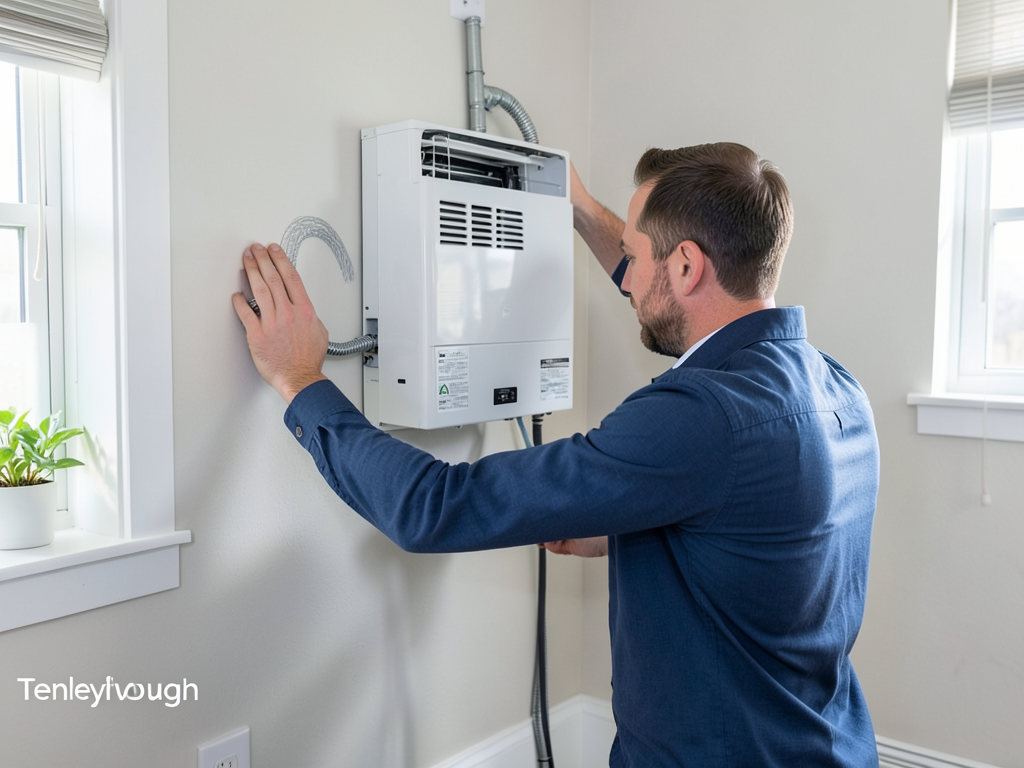
Solving Hot Second Floor Problems in Tenleytown Split-Level Homes
Hot second floors plague split-level homes across Tenleytown, NW DC. The issue stems from basic physics and the unique construction of these homes. Heat rises, and your HVAC system struggles to push cool air uphill through narrow ductwork or up staircases without proper return airflow. Tenleytown’s historic split-levels often have single-zone systems designed for simpler floor plans, leaving upper levels sweltering during DC’s humid summers.
The solution requires understanding Tenleytown’s specific housing stock. Many homes near American University were built between 1940-1960 with lightweight construction that transfers heat quickly. Without proper zoning, your downstairs thermostat calls for cooling, but upstairs bedrooms remain 8-10 degrees warmer. This isn’t just uncomfortable—it’s costing you money as your system runs constantly trying to reach impossible temperature targets. The Best Heating and Cooling Solutions for Adams Morgan Condos.
Why Tenleytown Split-Levels Overheat
Tenleytown split-levels face unique challenges. The neighborhood sits on a ridge between Rock Creek Park and the Potomac River, creating microclimates where afternoon sun bakes west-facing walls. Older homes lack modern insulation standards, and many have original single-pane windows that leak heat like sieves. The DC Historic Preservation Office restricts exterior modifications, making traditional ductwork additions difficult.
Most split-levels in the 20016 zip code use single-zone forced-air systems. The thermostat sits on the main level, often in a cooler spot near the kitchen or living room. Upstairs bedrooms become heat traps, especially those under attic spaces without proper ventilation. During July and August, attic temperatures can exceed 130°F, radiating through bedroom ceilings all night long.
Common symptoms include: bedrooms that won’t cool below 80°F even when downstairs is comfortable, AC units that run continuously without reaching set temperatures, and humidity levels above 60% upstairs that make sleeping difficult. You might notice your system short-cycling—turning on and off rapidly—which indicates it’s struggling to meet demand. Short Cycling.
Multi-Zone HVAC Solutions for Tenleytown Homes
Multi-zone systems solve the upstairs overheating problem by creating independent temperature control for different areas. A zoning panel with motorized dampers directs airflow where needed, while smart thermostats communicate with the main unit to optimize performance. For Tenleytown’s historic homes, ductless mini-split systems offer the most practical solution.
Ductless mini-splits install without major construction. Small outdoor condensers connect to wall-mounted indoor units via refrigerant lines that pass through 3-inch holes. This preserves your home’s character while providing precise temperature control. Each room gets its own thermostat, eliminating the upstairs/downstairs battle. Modern mini-splits achieve SEER2 ratings up to 22, significantly reducing energy costs compared to struggling single-zone systems.
Central zoning works for homes with existing ductwork. Electronic dampers open and close based on thermostat signals, directing cool air upstairs when needed. This requires professional load calculations to ensure proper airflow balance. The District of Columbia Sustainable Energy Utility (DCSEU) offers rebates up to $500 for qualifying multi-zone installations, making upgrades more affordable. DCSEU Rebates.
Variable-speed systems represent the premium solution. These units adjust output continuously rather than cycling on and off, maintaining consistent temperatures while using less energy. They excel at humidity control—critical in Tenleytown’s swampy summers where indoor humidity above 55% feels oppressive.
Installation Process for Tenleytown Properties
Professional installation starts with a comprehensive home assessment. Technicians measure room volumes, inspect existing ductwork, and evaluate electrical capacity. For historic properties near Wisconsin Avenue, they check DC HPO guidelines before planning any exterior modifications. Most installations require permits from the Department of Buildings (DOB), especially for electrical upgrades or exterior condenser placement. EPA Urban Heat Island Information.
The process typically takes 2-3 days for ductless systems. Installers mount indoor units, run refrigerant lines through walls or along exterior surfaces, and connect to outdoor condensers. For ducted systems, installation extends to 4-5 days as they modify existing ductwork and install zoning controls. All work complies with Washington DC noise ordinances, keeping outdoor unit decibel levels below 70 dBA at property lines.
Post-installation testing verifies proper operation. Technicians measure airflow, check refrigerant levels, and calibrate thermostats. They also educate homeowners on system operation and maintenance schedules. Most systems include smartphone controls, allowing you to adjust temperatures remotely or set automated schedules for different zones.
Case Study: Yuma Street Split-Level Retrofit
A 1955 split-level on Yuma Street near American University exemplified common Tenleytown problems. The home had a single-zone system with undersized ductwork. Upstairs bedrooms stayed 9 degrees warmer than downstairs, even with the AC running continuously. The homeowners spent $350 monthly on cooling during summer months.
We installed a Mitsubishi multi-zone system with three indoor units—two upstairs bedrooms and one downstairs living area. The outdoor condenser fit in the side yard without violating setback requirements. Total installation took three days, including electrical upgrades to support the new system. Post-installation testing showed upstairs temperatures matching downstairs within 2 degrees.
Energy analysis revealed 38% reduction in cooling costs within the first summer. The homeowners reported dramatically improved comfort, with bedrooms staying cool through the night without running the main system continuously. The DCSEU rebate covered $450 of the installation cost, improving the return on investment.
Comparing Zoning Options for Split-Level Homes
| System Type | Installation Complexity | Energy Efficiency (SEER2) | Best For |
|---|---|---|---|
| Ductless Mini-Split | Low | 20-22 | Homes without ductwork |
| Ducted Zoning | Medium | 16-18 | Homes with existing ducts |
| Variable-Speed Central | High | 18-21 | Whole-house optimization |
Choosing the right system depends on your home’s construction and budget. Ductless systems cost $4,500-7,000 per zone installed, while ducted zoning runs $3,000-5,000 for existing homes. Variable-speed systems represent premium investments at $8,000-12,000 but deliver the best comfort and efficiency. How to Choose the Right Air Conditioning Replacement for Your Foggy Bottom Townhouse.
DCSEU Rebates and Energy Incentives
The District of Columbia Sustainable Energy Utility offers substantial rebates for energy-efficient HVAC upgrades. Current programs provide up to $500 for multi-zone heat pump installations, $300 for smart thermostats, and $200 for professional HVAC maintenance that improves system efficiency. These rebates apply to both residential and commercial properties in all eight DC wards.
Eligibility requires installation by DCSEU-approved contractors and use of qualifying equipment. Most Mitsubishi and Daikin systems meet requirements, as do many variable-speed central units. The application process involves submitting proof of purchase and installation, with rebates typically processed within 6-8 weeks. Some utility providers offer additional incentives, potentially stacking savings.
Federal tax credits through 2026 provide up to 30% of installation costs for qualifying heat pumps, with maximum credits of $2,000. These credits apply to both equipment and installation labor, significantly reducing net costs for comprehensive system upgrades.
Maintaining Your Multi-Zone System
Proper maintenance ensures your investment delivers promised comfort and efficiency. Filter cleaning or replacement every 60-90 days prevents airflow restrictions that strain the system. Outdoor units need annual cleaning to remove debris that reduces heat exchange efficiency. Professional tune-ups every spring check refrigerant levels, electrical connections, and thermostat calibration.
Indoor units require occasional cleaning of air intake filters and coil inspection. Most modern systems include self-diagnostic features that alert you to maintenance needs via smartphone apps. Neglecting maintenance can reduce efficiency by 15-20% and void manufacturer warranties, which typically cover parts for 5-10 years.
Tenleytown’s humid climate creates specific challenges. High humidity promotes mold growth in condensate drains and air handlers. Annual cleaning of drain lines prevents clogs that cause water damage. Installing UV light systems in air handlers kills mold spores and bacteria, improving indoor air quality while protecting system components.
Frequently Asked Questions
How long do multi-zone HVAC systems last?
Quality systems typically last 15-20 years with proper maintenance. Mini-splits often exceed 20 years since they have fewer moving parts than traditional systems. Regular professional service extends lifespan and maintains efficiency.
Will a new system really reduce my energy bills?
Yes. Modern multi-zone systems use 30-50% less energy than struggling single-zone systems. The exact savings depend on your home’s insulation, local climate, and usage patterns. Most homeowners see payback within 3-5 years through reduced utility costs.
Do I need permits for HVAC installation in DC?
Most installations require electrical permits, and any exterior modifications need building permits. Historic district properties may need additional approvals from the DC Historic Preservation Office. Professional installers handle permitting as part of the installation process.
Can I install zoning in my existing system?
Often yes. Many homes with forced-air systems can add zoning controls without replacing the entire system. However, older systems may lack the capacity for effective zoning, requiring partial or complete replacement for optimal results.
Call (771) 218-6322 Today for Your Free Assessment
Stop suffering through hot upstairs bedrooms. Our Tenleytown HVAC specialists understand the unique challenges of split-level homes in NW DC. We’ll evaluate your current system, explain your options, and provide a detailed quote with available rebates applied. Most assessments take under an hour and include specific recommendations for your home’s layout and construction.
Don’t wait until next summer’s heatwave. Call (771) 218-6322 now to schedule your consultation. We serve all of Tenleytown and surrounding NW DC neighborhoods, with same-week appointments available for urgent cases. Our team handles everything from permitting to final testing, ensuring your new system meets all DC building codes and operates at peak efficiency from day one.
Pick up the phone and call (771) 218-6322 before the next heat wave hits. Your upstairs bedrooms shouldn’t be uninhabitable during DC summers. Let us show you how modern multi-zone technology can transform your home’s comfort while reducing your energy costs by hundreds of dollars annually.
{
“@context”: “https://schema.org”,
“@type”: “BlogPosting”,
“headline”: “Solving Hot Second Floor Problems in Tenleytown Split-Level Homes”,
“description”: “Expert HVAC solutions for Tenleytown split-level homes. Discover zoning, ductless, and multi-zone systems to eliminate hot second floors in NW DC.”,
“wordCount”: 1560,
“datePublished”: “2026-03-12T14:36:00.000Z”,
“dateModified”: “2026-03-12T14:36:00.000Z”,
“inLanguage”: “en-US”,
“mainEntityOfPage”: {
“@type”: “WebPage”,
“@id”: “https://patriothvacwashingtondc.com”
},
“publisher”: {
“@type”: “LocalBusiness”,
“name”: “Patriot HVAC Washington DC”,
“url”: “https://patriothvacwashingtondc.com”
},
“author”: {
“@type”: “Organization”,
“name”: “Patriot HVAC Washington DC”,
“url”: “https://patriothvacwashingtondc.com”
},
“image”: {
“@type”: “ImageObject”,
“url”: “https://patriothvacwashingtondc.com/wp-content/uploads/2026/03/solving-hot-second-floor-problems-in-tenleytown-sp-1-1.png”
}
}
{
“@context”: “https://schema.org”,
“@type”: “HVACBusiness”,
“name”: “Patriot HVAC Washington DC”,
“url”: “https://patriothvacwashingtondc.com”,
“address”: {
“@type”: “PostalAddress”,
“addressLocality”: “Washington DC”
},
“areaServed”: {
“@type”: “City”,
“name”: “Washington DC”
}
}
{
“@context”: “https://schema.org”,
“@type”: “FAQPage”,
“mainEntity”: [
{
“@type”: “Question”,
“name”: “How long do multi-zone HVAC systems last?”,
“acceptedAnswer”: {
“@type”: “Answer”,
“text”: “Quality systems typically last 15-20 years with proper maintenance. Mini-splits often exceed 20 years since they have fewer moving parts than traditional systems. Regular professional service extends lifespan and maintains efficiency.”
}
},
{
“@type”: “Question”,
“name”: “Will a new system really reduce my energy bills?”,
“acceptedAnswer”: {
“@type”: “Answer”,
“text”: “Yes. Modern multi-zone systems use 30-50% less energy than struggling single-zone systems. The exact savings depend on your home’s insulation, local climate, and usage patterns. Most homeowners see payback within 3-5 years through reduced utility costs.”
}
},
{
“@type”: “Question”,
“name”: “Do I need permits for HVAC installation in DC?”,
“acceptedAnswer”: {
“@type”: “Answer”,
“text”: “Most installations require electrical permits, and any exterior modifications need building permits. Historic district properties may need additional approvals from the DC Historic Preservation Office. Professional installers handle permitting as part of the installation process.”
}
},
{
“@type”: “Question”,
“name”: “Can I install zoning in my existing system?”,
“acceptedAnswer”: {
“@type”: “Answer”,
“text”: “Often yes. Many homes with forced-air systems can add zoning controls without replacing the entire system. However, older systems may lack the capacity for effective zoning, requiring partial or complete replacement for optimal results.”
}
}
]
}
{
“@context”: “https://schema.org”,
“@type”: “BreadcrumbList”,
“itemListElement”: [
{
“@type”: “ListItem”,
“position”: 1,
“name”: “Home”,
“item”: “https://patriothvacwashingtondc.com”
},
{
“@type”: “ListItem”,
“position”: 2,
“name”: “Blog”,
“item”: “https://patriothvacwashingtondc.com/blog”
},
{
“@type”: “ListItem”,
“position”: 3,
“name”: “Solving Hot Second Floor Problems in Tenleytown Split-Level Homes”
}
]
}
{
“@context”: “https://schema.org”,
“@type”: “Service”,
“serviceType”: “HVAC”,
“provider”: {
“@type”: “LocalBusiness”,
“name”: “Patriot HVAC Washington DC”,
“url”: “https://patriothvacwashingtondc.com”
},
“areaServed”: {
“@type”: “City”,
“name”: “Washington DC”
},
“description”: “Expert HVAC solutions for Tenleytown split-level homes. Discover zoning, ductless, and multi-zone systems to eliminate hot second floors in NW DC.”
}