
Should You Clean or Completely Replace the Air Ducts in Your Carver Langston Fixer-Upper?
Walking into a fixer-upper in Carver Langston can feel like stepping into a time capsule. The charm is undeniable but the HVAC system often tells a different story. If you’re staring at dusty vents and wondering whether a simple cleaning will fix your air quality issues you’re not alone. In DC’s humid climate old ducts can harbor mold allergens and years of debris that cleaning alone can’t fix. The decision between cleaning and replacement comes down to what’s actually inside those hidden passages and how much it’s costing you in energy and health.. Read more about How MERV 13 filters can reduce city smog inside your Near Northeast loft.
Before you commit to either option here’s what matters most. DC’s high humidity creates perfect conditions for mold growth inside ducts especially in older homes with poor insulation. A cleaning might remove surface dust but if the ducts are lined with deteriorating fiberglass or have hidden mold colonies you’re just treating symptoms. Replacement becomes the only safe long-term solution when the system is beyond repair or poses health risks. This guide breaks down the diagnostic signs costs and timing so you can make the right call for your Carver Langston home. EPA duct cleaning guidelines.
Understanding the Core Difference Between Cleaning and Replacement
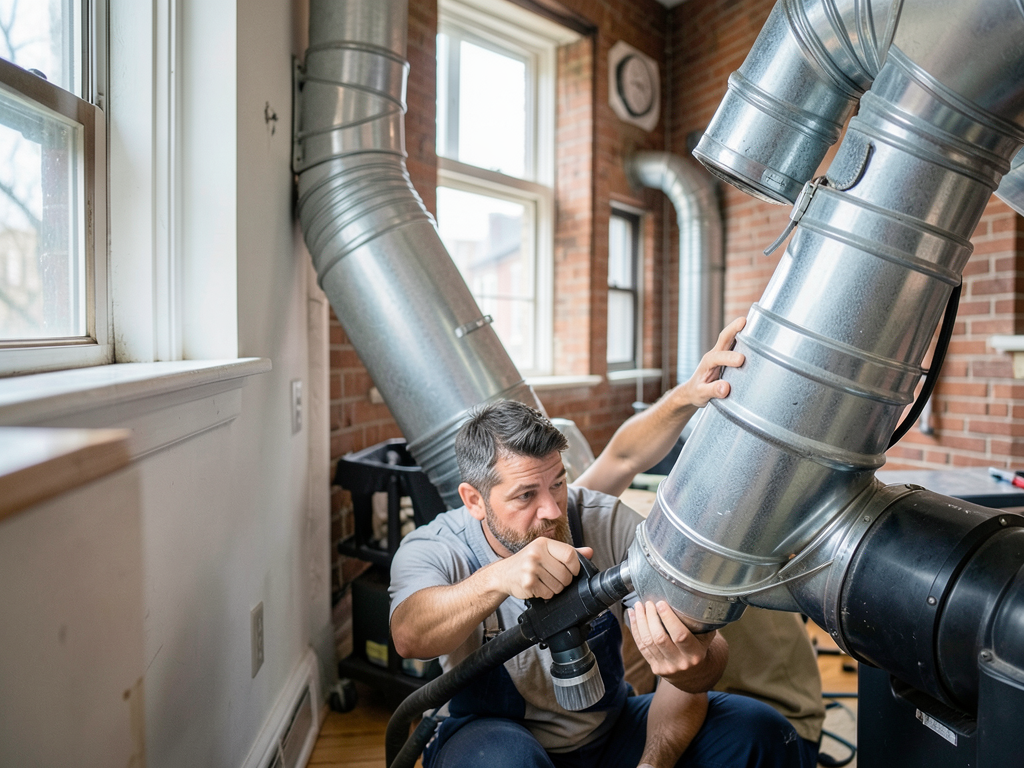
Air duct cleaning involves using specialized vacuums and brushes to remove dust debris and contaminants from the interior surfaces of your existing ductwork. The process typically takes a few hours and costs between $400 and $1000 in the DC area. It’s effective for routine maintenance or post-renovation cleanup but it does not repair damage or address structural issues. Getting Fast AC Repair for Your Navy Yard Apartment or Condo.
Duct replacement means removing the entire duct system and installing new sheet metal or flexible ducts. This process can take several days and costs $2000 to $5000 or more depending on home size and accessibility. Replacement solves problems like collapsed ducts disconnected sections or widespread mold that cleaning cannot fix.. Read more about The hidden benefits of moving your HVAC system to the attic in Hawthorne.
The key difference is scope. Cleaning is maintenance. Replacement is reconstruction. In Carver Langston’s older housing stock the choice often hinges on whether your ducts are just dirty or actually failing.
Signs That Cleaning Might Be Enough
If your home was built after the 1980s and the ducts appear intact cleaning is often the first step. Look for these indicators. Visible dust buildup around vents suggests surface contamination. Recent renovation work can leave construction debris inside ducts even if the system was sealed during work. If family members experience allergy flare-ups only when the HVAC runs contaminants in the ducts could be the trigger.
Moving into a pre-owned home is another common scenario. Previous owners may have never cleaned the ducts leaving years of accumulated dust pet dander and pollen. A professional cleaning with HEPA filtration can remove these contaminants and improve indoor air quality without the expense of replacement.
In Carver Langston’s tree-lined streets pollen and urban dust are year-round concerns. If your ducts are relatively modern and sealed cleaning every three to five years can maintain air quality and system efficiency.
When Replacement Becomes Unavoidable
Certain conditions make replacement the only safe option. Widespread mold growth is the most urgent. DC’s humid summers create condensation inside ducts especially in uninsulated spaces. If a mold inspection reveals black or green growth throughout the system cleaning cannot guarantee complete removal. The EPA recommends replacement when mold contamination is extensive.
Pest infestations are another red flag. Rodents can chew through flexible ducts creating holes that leak conditioned air. They also leave droppings and urine that pose health risks. Once pests have nested in the duct system the integrity is compromised beyond cleaning.
Physical damage is obvious but often overlooked until it’s severe. Collapsed ducts from years of weight or disconnected segments from foundation settling can cut off airflow to parts of your home. In Carver Langston’s older rowhouses this is common in basements where ducts run through unconditioned spaces.
Fiberglass-lined ducts from the 1960s and 70s present a unique problem. As the lining deteriorates it releases fibers into the air. If the lining is crumbling replacement is safer than cleaning which can release more particles.
Cost Comparison for the DMV Area
Understanding local pricing helps you budget realistically. In Washington DC and surrounding areas duct cleaning averages $450 to $900 for a typical single-family home. This includes inspection HEPA vacuuming and antimicrobial treatment if needed. Prices can rise to $1200 if your home has multiple systems or difficult access.
Full duct replacement costs vary widely. For a 2000 square foot home expect $3000 to $6000. Factors that increase cost include multiple stories tight crawl spaces and the need to work around historic preservation guidelines in older neighborhoods. In Carver Langston’s mix of early 20th century and mid-century homes accessibility often drives the final price.
TABLE 1: Estimated Cost Ranges for Common Duct Services in the DC Metro Area Boiler Services.
| Service | Low End | High End | Typical Timeframe |
|---|---|---|---|
| Professional Cleaning | $400 | $1000 | 2-4 hours |
| Duct Sealing (Aeroseal) | $1500 | $3000 | 4-6 hours |
| Partial Replacement | $1500 | $4000 | 1-2 days |
| Full Replacement | $2500 | $6000 | 2-4 days |
TABLE 2: Factors Affecting Duct Replacement Cost in Historic DC Neighborhoods
| Factor | Impact on Cost | Common in Carver Langston |
|---|---|---|
| Plaster walls | +15-25% | Yes |
| Low crawlspace clearance | +20-30% | Sometimes |
| Historic preservation rules | +10-20% | Possible |
| Multiple system zones | +25-40% | Often |
The Efficiency Factor You Can’t Ignore
Leaky ducts waste energy. In DC’s older housing stock ducts often run through unconditioned attics basements or crawl spaces. When these ducts leak conditioned air the HVAC system works harder to maintain temperature. The Department of Energy estimates that leaky ducts can reduce system efficiency by up to 30 percent. Department of Energy air sealing guide.
This inefficiency shows up in your utility bills. If your summer cooling costs seem high despite a new AC unit leaky ducts could be the culprit. A duct leakage test measures how much air escapes the system. In Carver Langston’s historic homes tests often reveal 20 to 40 percent leakage. The Best Heating and Cooling Solutions for Adams Morgan Condos.
Sealing ducts can recover much of this loss. Aeroseal technology uses polymer particles to seal leaks from the inside. It’s less invasive than replacement and can improve efficiency by 15 to 20 percent. However if the ducts are physically damaged or moldy sealing is only a temporary fix.
Health Implications in DC’s Humid Climate
Indoor air quality directly affects health especially for children elderly and those with respiratory conditions. DC’s humid subtropical climate creates conditions where mold mildew and bacteria thrive in dark damp duct interiors. Once established these organisms release spores into your living space every time the system runs.
Common symptoms of poor duct air quality include persistent coughing sneezing itchy eyes and worsened asthma. If these symptoms improve when you leave the house for extended periods your indoor air may be the problem. Professional testing can identify specific contaminants including mold spores volatile organic compounds and particulate matter.
In Carver Langston’s older homes another concern is lead dust. Homes built before 1978 may have lead paint that flakes into ducts during renovations. Cleaning cannot remove lead dust effectively. Replacement with new sealed ducts eliminates this exposure risk.
Material Considerations for DC Homes
Duct materials affect both performance and longevity. Modern flexible ducts are inexpensive and easy to install but they can tear easily and trap more dust than rigid metal. Sheet metal ducts last decades but are more expensive and harder to retrofit in finished spaces.
In Carver Langston you’ll find a mix of materials. Many homes built between 1920 and 1950 have galvanized steel ducts that are still functional if not leaking. Homes from the 1970s often have duct board which is prone to moisture damage. Flexible ducts became common in the 1980s and are still used in many renovations.
The right material for replacement depends on your home’s construction. For historic preservation rigid metal ducts maintain authenticity and durability. For modern efficiency flexible ducts with antimicrobial lining can improve air quality. A professional assessment considers both building codes and your specific needs. How to Choose the Right Air Conditioning Replacement for Your Foggy Bottom Townhouse.
Timing Your Project for Minimal Disruption
DC’s climate affects when duct work is most comfortable. Spring and fall offer mild temperatures ideal for HVAC downtime. Summer replacements can leave you without cooling during heat waves. Winter work risks frozen pipes if the system is down too long.
Carver Langston’s rowhouse density means contractors must coordinate street parking and material delivery. Scheduling during city council meetings or local events can cause delays. Planning 4 to 6 weeks ahead ensures you get your preferred contractor and avoid rush fees.
If you’re planning other renovations coordinate duct work after demolition but before final finishes. This prevents construction dust from contaminating new ducts and allows easier access to ceiling and wall cavities.
ROI and Resale Value in the DC Market
New ductwork can increase home value especially in competitive DC neighborhoods. Buyers scrutinize HVAC systems during inspections. Visible mold water damage or obvious duct leaks can derail a sale or reduce your negotiating position.
Energy efficiency is a selling point. New sealed ducts with proper insulation can reduce utility bills by 15 to 30 percent. In DC’s high electricity cost market this translates to $200 to $500 annual savings. Over a 10 year period the savings often offset part of the replacement cost.
Historic home buyers often pay premiums for updated mechanical systems that preserve the home’s character. If your replacement includes period-appropriate registers and minimal visible changes you can market both efficiency and authenticity.
Diagnostic Steps Before You Decide
Before committing to cleaning or replacement get a professional assessment. A qualified HVAC technician should perform a visual inspection of accessible ducts. They will look for rust corrosion disconnected joints and visible mold. A duct leakage test measures efficiency loss.
Indoor air quality testing identifies specific contaminants. This test samples air from multiple rooms and analyzes for mold spores VOCs and particulates. If tests show high mold levels replacement is likely necessary. If they show only dust cleaning may suffice.
Consider a camera inspection for hidden sections. Small cameras can travel through ducts to reveal damage in inaccessible areas. This step prevents surprises during replacement and ensures you’re not replacing ducts that are actually fine.
Environmental and Sustainability Considerations
Replacing old ducts can reduce your carbon footprint. Efficient sealed ducts mean your HVAC system uses less energy. In DC where electricity comes from a mix of sources including natural gas and nuclear this reduction matters.
Material disposal is another factor. Old sheet metal ducts are recyclable. Flexible ducts with plastic components often go to landfill. Some contractors partner with recycling facilities to minimize waste. Ask about disposal practices when getting quotes. Short Cycling.
If sustainability is a priority discuss low-VOC duct materials and high-efficiency filters with your contractor. These choices improve air quality and reduce environmental impact without sacrificing performance.
Making the Final Decision
The right choice depends on your specific situation. If your ducts are relatively modern sealed and free of mold cleaning is the cost effective option. It improves air quality and efficiency without major disruption.
Replacement becomes necessary when health is at risk when energy bills are unusually high or when the system is physically failing. In Carver Langston’s older homes replacement often uncovers hidden problems like asbestos tape or inadequate insulation that cleaning cannot address.
Consider your plans for the home. If you’re staying long term replacement pays for itself in efficiency and comfort. If you’re selling soon cleaning may be enough to pass inspection and improve buyer perception.
Frequently Asked Questions
How often should air ducts be cleaned in a DC home?
Most homes benefit from cleaning every three to five years. If you have pets allergies or recent renovations you may need it more often. DC’s pollen season can also warrant mid-cycle cleaning.
Can I clean my own air ducts?
Consumer duct cleaning tools exist but they cannot match professional equipment. Professionals use negative air machines HEPA filtration and specialized brushes. DIY cleaning often redistributes dust rather than removing it.
Will new ductwork eliminate all my indoor air quality problems?
New ducts help but they are not a cure-all. Sources like carpets furniture and outdoor air also affect indoor air. Combine new ducts with high quality filters and regular HVAC maintenance for best results.
How long does duct replacement take in a rowhouse?
Most replacements take two to four days. Factors include home size accessibility and whether you stay in the home during work. Contractors can often isolate work areas to minimize disruption.
Are there rebates for duct replacement in DC?
DC’s Clean Energy DC program and some utilities offer rebates for energy efficient HVAC upgrades. Duct sealing and replacement may qualify if they improve system efficiency. Check with your contractor for current programs.
Next Steps for Your Carver Langston Home
Don’t let uncertainty about your ducts compromise your comfort or health. The first step is a professional inspection to diagnose the real condition of your system. This assessment costs little and prevents costly mistakes like cleaning ducts that need replacement.
If you’re in Carver Langston or anywhere in the DC metro area call (771) 218-6322 today to schedule your inspection. Our certified technicians will provide honest recommendations based on your home’s specific needs not a one-size-fits-all solution. Whether you need cleaning replacement or just peace of mind we’re here to help you breathe easier and save on energy costs.
Pick up the phone and call (771) 218-6322 before the next storm hits. Your home’s air quality can’t wait and neither should you.
{
“@context”: “https://schema.org”,
“@type”: “BlogPosting”,
“headline”: “Should You Clean or Completely Replace the Air Ducts in Your Carver Langston Fixer-Upper?”,
“description”: “Is your Carver Langston home’s duct system holding you back? Learn the real signs of duct failure and when cleaning beats replacement in DC’s humid climate.”,
“wordCount”: 2282,
“datePublished”: “2026-04-26T10:18:00.000Z”,
“dateModified”: “2026-04-26T10:18:00.000Z”,
“inLanguage”: “en-US”,
“mainEntityOfPage”: {
“@type”: “WebPage”,
“@id”: “https://patriothvacwashingtondc.com”
},
“publisher”: {
“@type”: “LocalBusiness”,
“name”: “Patriot HVAC Washington DC”,
“url”: “https://patriothvacwashingtondc.com”
},
“author”: {
“@type”: “Organization”,
“name”: “Patriot HVAC Washington DC”,
“url”: “https://patriothvacwashingtondc.com”
},
“image”: {
“@type”: “ImageObject”,
“url”: “https://patriothvacwashingtondc.com/wp-content/uploads/2026/03/should-you-clean-or-completely-replace-the-air-duc-1.png”
}
}
{
“@context”: “https://schema.org”,
“@type”: “HVACBusiness”,
“name”: “Patriot HVAC Washington DC”,
“url”: “https://patriothvacwashingtondc.com”,
“address”: {
“@type”: “PostalAddress”,
“addressLocality”: “Washington DC”
},
“areaServed”: {
“@type”: “City”,
“name”: “Washington DC”
}
}
{
“@context”: “https://schema.org”,
“@type”: “FAQPage”,
“mainEntity”: [
{
“@type”: “Question”,
“name”: “Should You Clean or Completely Replace the Air Ducts in Your Carver Langston Fixer-Upper?”,
“acceptedAnswer”: {
“@type”: “Answer”,
“text”: “Walking into a fixer-upper in Carver Langston can feel like stepping into a time capsule. The charm is undeniable but the HVAC system often tells a different story. If you’re staring at dusty vents and wondering whether a simple cleaning will fix your air quality issues you’re not alone. In DC’s humid climate old ducts can harbor mold allergens and years of debris that cleaning alone can’t fix. The decision between cleaning and replacement comes down to what’s actually inside those hidden passages and how much it’s costing you in energy and health.”
}
},
{
“@type”: “Question”,
“name”: “How often should air ducts be cleaned in a DC home?”,
“acceptedAnswer”: {
“@type”: “Answer”,
“text”: “Most homes benefit from cleaning every three to five years. If you have pets allergies or recent renovations you may need it more often. DC’s pollen season can also warrant mid-cycle cleaning.”
}
},
{
“@type”: “Question”,
“name”: “Can I clean my own air ducts?”,
“acceptedAnswer”: {
“@type”: “Answer”,
“text”: “Consumer duct cleaning tools exist but they cannot match professional equipment. Professionals use negative air machines HEPA filtration and specialized brushes. DIY cleaning often redistributes dust rather than removing it.”
}
},
{
“@type”: “Question”,
“name”: “Will new ductwork eliminate all my indoor air quality problems?”,
“acceptedAnswer”: {
“@type”: “Answer”,
“text”: “New ducts help but they are not a cure-all. Sources like carpets furniture and outdoor air also affect indoor air. Combine new ducts with high quality filters and regular HVAC maintenance for best results.”
}
},
{
“@type”: “Question”,
“name”: “How long does duct replacement take in a rowhouse?”,
“acceptedAnswer”: {
“@type”: “Answer”,
“text”: “Most replacements take two to four days. Factors include home size accessibility and whether you stay in the home during work. Contractors can often isolate work areas to minimize disruption.”
}
},
{
“@type”: “Question”,
“name”: “Are there rebates for duct replacement in DC?”,
“acceptedAnswer”: {
“@type”: “Answer”,
“text”: “DC’s Clean Energy DC program and some utilities offer rebates for energy efficient HVAC upgrades. Duct sealing and replacement may qualify if they improve system efficiency. Check with your contractor for current programs.”
}
}
]
}
{
“@context”: “https://schema.org”,
“@type”: “BreadcrumbList”,
“itemListElement”: [
{
“@type”: “ListItem”,
“position”: 1,
“name”: “Home”,
“item”: “https://patriothvacwashingtondc.com”
},
{
“@type”: “ListItem”,
“position”: 2,
“name”: “Blog”,
“item”: “https://patriothvacwashingtondc.com/blog”
},
{
“@type”: “ListItem”,
“position”: 3,
“name”: “Should You Clean or Completely Replace the Air Ducts in Your Carver Langston Fixer-Upper?”
}
]
}
{
“@context”: “https://schema.org”,
“@type”: “Service”,
“serviceType”: “HVAC”,
“provider”: {
“@type”: “LocalBusiness”,
“name”: “Patriot HVAC Washington DC”,
“url”: “https://patriothvacwashingtondc.com”
},
“areaServed”: {
“@type”: “City”,
“name”: “Washington DC”
},
“description”: “Is your Carver Langston home’s duct system holding you back? Learn the real signs of duct failure and when cleaning beats replacement in DC’s humid climate.”
}