
Preventing Water Damage from Clogged AC Condensate Lines in Your Southwest Waterfront Condo
Water dripping from your ceiling or pooling around your AC unit in your Southwest Waterfront condo is more than an inconvenience. It signals a clogged condensate line that can cause thousands of dollars in damage if ignored. The humid Potomac River climate in Southwest DC creates perfect conditions for algae and mold growth inside your AC drain system. Understanding how to prevent and address these clogs protects your home and your wallet.
Condensate lines carry away moisture your AC pulls from the air. When these lines clog, water backs up and overflows into your living space. In Southwest Waterfront condos, where many units sit near the water’s edge, the combination of high humidity and aging building infrastructure makes this a common problem. Quick action prevents mold growth, ceiling damage, and electrical hazards.
Why Southwest Waterfront Condos Face Higher Risk
The Southwest Waterfront neighborhood sits along the Potomac River where summer humidity regularly exceeds 80 percent. This moisture-laden air means your AC unit produces more condensate than units in drier areas. The constant moisture creates ideal conditions for algae, mold, and bacterial growth inside drain lines.
Many Southwest Waterfront buildings were constructed in the 1960s and 1970s. These older systems often have narrow PVC drain lines that clog more easily than modern wide-bore pipes. The aging infrastructure combined with the humid climate creates a perfect storm for condensate line problems.
Building codes in DC require secondary drain pans and overflow switches for AC units in finished spaces. These safety features activate when the primary drain clogs, but they don’t prevent all damage. Water can still escape before the system shuts down, especially if the secondary pan also has drainage issues.
Warning Signs Your Condensate Line Is Clogged
Water damage from a clogged condensate line develops gradually. Catching it early saves you from expensive repairs. Here are the most common warning signs: EPA Mold Guidelines.
- Standing Water Around the Indoor Unit
Water pooling beneath your air handler or furnace indicates the drain pan is overflowing. This is often the first visible sign of a clog. Fast Furnace Repair Services for Families in Chevy Chase DC.
- Musty Odors Near Vents
Stagnant water in the drain pan breeds mold and mildew. You’ll notice musty smells when the AC runs, especially near floor vents.
- AC System Shuts Off Unexpectedly
Modern AC units have float switches that detect water backup. When triggered, the system shuts down to prevent flooding.
- Water Stains on Ceilings or Walls
Upstairs units can leak through floors into units below. Brown or yellow stains indicate water damage from above.
- Increased Indoor Humidity
When your AC can’t drain properly, it loses efficiency. You may notice sticky air and condensation on windows.
The musty smell is particularly common in Southwest Waterfront condos due to the high humidity. Many residents mistake it for normal basement odors when it actually signals a drainage problem. The smell intensifies during peak cooling season when your AC runs constantly. The Best Heating and Cooling Solutions for Adams Morgan Condos.
Understanding How Condensate Lines Work
Your AC unit cools air by passing warm indoor air over cold evaporator coils. As air cools, moisture condenses on the coils like water on a cold glass. This water collects in a drain pan beneath the coils and flows through a PVC pipe to a drain or outside.
In Southwest Waterfront condos, condensate lines typically run to a utility sink, floor drain, or directly outside through an exterior wall. The lines are usually 3/4-inch PVC pipe with a P-trap to prevent sewer gases from entering your unit.
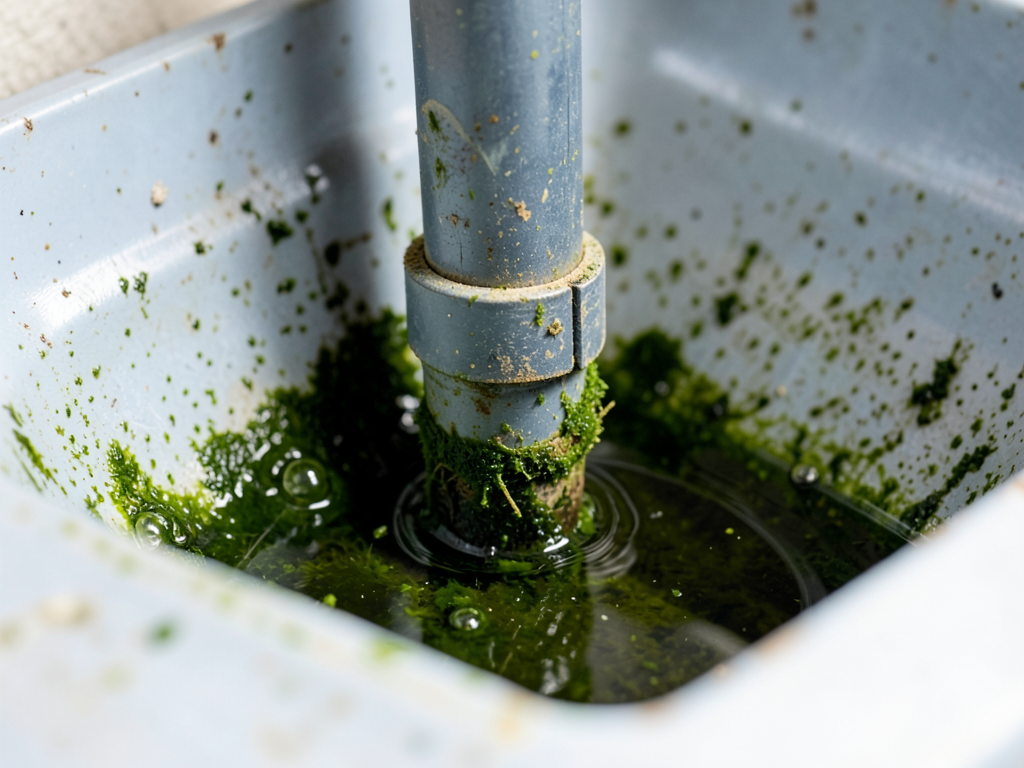
Algae and mold growth is the primary cause of clogs in our area. The warm, moist environment inside the drain line provides perfect conditions for these organisms to multiply. Over time, they form a thick slime that blocks water flow.
Dust and debris from your home’s air also contribute to clogs. Even with good air filters, microscopic particles settle in the drain pan and get washed into the line. In older buildings, rust from metal components can also create blockages.
DIY Steps to Clear a Minor Clog
For minor clogs, you can try clearing the line yourself before calling a professional. Always turn off power to your AC unit at the breaker before attempting any maintenance.
- Locate the Drain Line Access Point
Find the white PVC pipe near your indoor unit. It usually has a T-shaped vent with a cap on top. Remove the cap to access the line.
- Try the Wet/Dry Vacuum Method
Attach your wet/dry vacuum to the drain line outlet outside. Seal the connection with duct tape. Run the vacuum for 2-3 minutes to suck out the clog.
- Use Vinegar for Algae Treatment
Pour 1 cup of distilled white vinegar into the access point. Let it sit for 30 minutes. Vinegar kills algae and dissolves minor buildup without damaging PVC pipes.
- Flush with Water
After vinegar treatment, flush the line with clean water. If water flows freely, the clog is cleared. If not, the blockage is deeper in the system.
Never use chemical drain cleaners on your AC line. These products can damage PVC pipes and create harmful fumes when mixed with condensation. Stick to vinegar or contact a professional for stubborn clogs.
If your unit has a condensate pump, the process is slightly different. Condensate pumps move water from basement or attic units to exterior drains. A clogged pump can cause the same overflow problems as a clogged line.
When to Call a Professional
Some condensate line issues require professional tools and expertise. Here’s when to stop DIY attempts and call Patriot HVAC:
- The clog returns within a week of clearing
- Water damage has already occurred to walls or ceilings
- Your AC won’t turn on and you suspect the float switch
- The drain line is inaccessible or runs through finished walls
- You notice mold growth around the unit
- Your condo association requires licensed professionals for HVAC work
Professional cleaning involves specialized equipment like CO2 tanks that use compressed gas to blast through clogs. Technicians also use video inspection cameras to locate blockages deep in the line. These tools solve problems that vinegar and vacuums cannot touch.
In Southwest Waterfront, many buildings have complex drain systems with multiple units sharing common lines. A clog in a shared line affects multiple condos. Professional diagnosis identifies whether the problem is isolated to your unit or building-wide.
Prevention Strategies for DC’s Humid Climate
Preventing condensate line clogs is easier than clearing them. In Southwest Waterfront’s humid climate, regular maintenance is essential. Here are proven prevention strategies:
- Monthly Vinegar Treatments
Pour 1 cup of vinegar into the drain line access point monthly during cooling season. This prevents algae growth before it becomes a clog.
- Install a Condensate Line Filter
These mesh filters trap debris before it enters the drain line. They’re inexpensive and easy to install on the drain pan outlet.
- Upgrade to Larger Diameter Pipes
If you’re renovating, consider upgrading from 3/4-inch to 1-inch PVC. Larger pipes clog less frequently and handle higher condensate volumes.
- Add a Secondary Condensate Pump
For basement units or areas with complex drainage, a secondary pump provides backup if the primary system fails.
Many Southwest Waterfront condo associations now require annual HVAC maintenance that includes condensate line inspection. This proactive approach prevents emergency calls during peak summer heat.
Consider installing a water alarm beneath your air handler. These inexpensive devices sound an alert when they detect water, giving you early warning before significant damage occurs.
Health and Safety Considerations
Clogged condensate lines create more than just water damage. The standing water becomes a breeding ground for bacteria and mold. In DC’s humid climate, mold can begin growing within 24-48 hours of water exposure.
Common mold types found in condensate pans include Cladosporium, Penicillium, and Aspergillus. These can trigger allergies, asthma attacks, and respiratory infections. Children, elderly residents, and those with compromised immune systems face higher risks.
Legionella bacteria can also grow in stagnant water. While rare in home AC systems, it’s a concern in buildings with complex water systems. The bacteria causes Legionnaires’ disease, a severe form of pneumonia.
Water damage also creates electrical hazards. Water contacting electrical components can cause shorts, tripped breakers, or even fires. The combination of water and electricity in confined utility spaces is particularly dangerous.
Cost Comparison: Prevention vs. Emergency Repair
Understanding the cost difference between prevention and emergency repair helps justify regular maintenance. Here’s a comparison of typical costs in the DC area: Getting Fast AC Repair for Your Navy Yard Apartment or Condo.
| Service Type | Typical Cost Range | Frequency | Total Annual Cost |
|---|---|---|---|
| Annual Professional Cleaning | $150 – $250 | Once yearly | $150 – $250 |
| DIY Monthly Maintenance | $5 – $10 | Monthly during cooling season | $25 – $50 |
| Emergency Clog Clearing | $200 – $400 | As needed | Variable |
| Water Damage Repair | $1,000 – $5,000+ | When overflow occurs | Variable |
| Mold Remediation | $500 – $6,000 | If mold develops | Variable |
The numbers make the financial case clear. Spending $200 annually on prevention costs less than a single emergency service call. Preventing major water damage can save you thousands in repairs and lost belongings.
Many condo insurance policies have high deductibles for water damage. Even with insurance, you’re likely responsible for the first $1,000 to $2,500 of repair costs. Prevention eliminates this out-of-pocket expense.
Southwest Waterfront Building Considerations
Southwest Waterfront’s mix of mid-century and modern buildings presents unique challenges. The older structures along 4th Street and M Street often have original HVAC systems with narrow drain lines. These buildings frequently experience condensate issues during peak summer months.
Newer developments like The Wharf have modern, high-efficiency systems with better drainage design. However, even these buildings face challenges from the area’s extreme humidity. The proximity to the Potomac means higher ambient moisture levels than just a few blocks inland.
Many Southwest Waterfront buildings have converted from commercial to residential use. These conversions sometimes retain original HVAC infrastructure not designed for 24/7 residential cooling loads. The constant operation in summer creates more condensate than the original design anticipated.
Building management companies in the area increasingly require documentation of condensate line maintenance. Some associations won’t cover water damage claims if regular maintenance wasn’t performed. Keeping records of your service history protects you in these situations.
Smart Home Integration
Modern smart thermostats can help monitor condensate line health. Many models now include features that detect unusual system behavior that might indicate drainage problems.
Ecobee and Nest thermostats can send alerts when your AC runs longer than normal or cycles on and off frequently. These patterns often indicate drainage issues causing system inefficiency. Some high-end systems even integrate with water leak detectors that can shut off your AC automatically.
For Southwest Waterfront residents who travel frequently, smart monitoring provides peace of mind. You can check your system status remotely and receive alerts if problems develop while you’re away.
Some newer condensate pumps include built-in WiFi monitoring. These devices track water flow and can alert you or your property manager when flow drops below normal levels, indicating a developing clog.
Local Building Code Requirements
DC building codes require specific safety features for AC condensate drainage. According to the 2017 DC Construction Codes, all HVAC equipment in finished spaces must have secondary drain pans with overflow drains.
The code also mandates float switches that shut off the AC when water reaches a certain level in the secondary pan. These requirements apply to both new installations and replacements in existing buildings.
For Southwest Waterfront’s many historic buildings, the DC Historic Preservation Office has additional guidelines. Any exterior modifications, including new drain line penetrations, require approval to ensure they don’t alter the building’s historic character.
Commercial buildings in the area must comply with additional requirements from DC’s Department of Consumer and Regulatory Affairs. These include specific pipe sizing requirements and mandatory cleanouts for drain lines longer than 15 feet.
Emergency Response Planning
Even with prevention, emergencies happen. Having a plan helps you respond quickly when water appears around your AC unit.
- Shut Off Power Immediately
Find your HVAC breaker and turn it off. This prevents electrical hazards and stops more water from accumulating.
- Remove Valuables from the Area
Move electronics, documents, and irreplaceable items away from the affected area.
- Contain the Water
Use towels, buckets, or a wet/dry vacuum to remove standing water. This prevents it from spreading to other areas.
- Document the Damage
Take photos for insurance purposes before cleaning up. This documentation helps with claims.
- Call for Professional Help
Contact Patriot HVAC at (771) 218-6322 for emergency service. We offer 24/7 response for water damage situations.
Keep our number (771) 218-6322 saved in your phone. Quick response prevents minor issues from becoming major disasters. We maintain fully stocked service vehicles to handle condensate line emergencies without delay.
For condo residents, also notify your building management. They may need to shut off water to the entire floor or coordinate access for repairs. Many Southwest Waterfront buildings have specific protocols for HVAC emergencies.
Seasonal Considerations
Condensate line issues follow seasonal patterns in Southwest Waterfront. Understanding these patterns helps you prepare for peak risk periods.
Late spring through early fall presents the highest risk. During these months, your AC runs constantly, producing maximum condensate. The combination of high outdoor humidity and cool indoor air creates ideal conditions for algae growth inside drain lines.
July and August are particularly challenging. DC’s hottest months coincide with high humidity from the Chesapeake Bay and Atlantic Ocean. Many residents report condensate issues during heat waves when AC systems work hardest.
Spring pollen season creates another risk period. Pollen and other airborne particles increase dramatically, settling in drain pans and contributing to clogs. This often-overlooked factor affects AC efficiency and drainage.
Winter preparation is also important. If you have a heat pump, it still produces condensate during heating mode. Ensure your drain line is clear before cold weather arrives to prevent freeze-ups that can crack pipes.
Choosing the Right Service Provider
Not all HVAC companies have equal expertise with condensate line issues. When selecting a service provider in Southwest Waterfront, consider these factors:
- Experience with Local Buildings
Choose a company familiar with Southwest Waterfront’s mix of historic and modern construction. They’ll understand the specific challenges your building presents. How to Choose the Right Air Conditioning Replacement for Your Foggy Bottom Townhouse.
- Emergency Availability
Water damage doesn’t wait for business hours. Select a company offering 24/7 emergency service with guaranteed response times.
- Proper Licensing and Insurance
DC requires HVAC contractors to hold specific licenses. Verify credentials and insurance coverage before hiring.
- Maintenance Plans
Companies offering preventive maintenance plans demonstrate commitment to long-term system health rather than just emergency repairs.
- Local References
Ask for references from other Southwest Waterfront residents or nearby buildings. Local experience matters for building-specific issues.
Patriot HVAC has served the Southwest Waterfront area for over a decade. Our technicians understand the unique challenges of this neighborhood’s buildings and climate. We maintain strong relationships with local property managers and condo associations.
Frequently Asked Questions
How often should I clean my AC condensate line?
For Southwest Waterfront’s humid climate, clean your condensate line monthly during cooling season. Use vinegar monthly and schedule professional cleaning annually. If you notice any warning signs between scheduled cleanings, address them immediately.
Can a clogged condensate line damage my AC unit?
Yes. When the float switch doesn’t work properly, backed-up water can damage electrical components, cause the blower motor to fail, or lead to compressor damage. The water also reduces system efficiency, increasing energy costs.
Is it normal for my AC to produce a lot of water?
Yes, especially in Southwest Waterfront’s humid climate. A properly functioning AC can produce 5-20 gallons of condensate on a hot, humid day. The key is ensuring this water drains properly rather than accumulating in your home.
What’s the difference between a condensate pump and a gravity drain?
Gravity drains use the natural slope of pipes to move water downhill. Condensate pumps actively pump water when gravity drainage isn’t possible, such as in basement installations or when the drain exit is above the unit level.
How can I tell if my condo association is responsible for condensate line maintenance?
Check your association’s bylaws or maintenance agreement. Generally, if the drain line serves only your unit and runs entirely within your space, it’s your responsibility. If it connects to building-wide systems, the association may be responsible. When in doubt, ask your property manager.
Protect Your Home Today
Don’t wait for water damage to discover your condensate line problem. The humid summers in Southwest Waterfront make regular maintenance essential for every condo owner. A small investment in prevention saves you from major headaches and expenses later.
Patriot HVAC offers comprehensive condensate line services including cleaning, inspection, and preventive maintenance. Our technicians understand the specific challenges of Southwest Waterfront buildings and can recommend solutions tailored to your situation. Boiler Services.
Ready to protect your home from water damage? Call (771) 218-6322 today to schedule your condensate line inspection. We offer same-day service for emergencies and convenient appointment times for routine maintenance. Don’t let a clogged drain line turn into a flooded condo.
Visit our website at https://patriothvacwashingtondc.com to learn more about our services or to schedule online. Your home deserves professional care from technicians who understand local conditions and building requirements.
Remember, in Southwest Waterfront’s humid climate, a little prevention goes a long way. Keep your condensate line clear, your home dry, and your mind at ease knowing you’ve protected your biggest investment from preventable water damage. For more information, visit ASHRAE HVAC Standards.
{
“@context”: “https://schema.org”,
“@type”: “BlogPosting”,
“headline”: “Preventing Water Damage from Clogged AC Condensate Lines in Your Southwest Waterfront Condo”,
“description”: “Prevent costly water damage from clogged AC condensate lines. Learn warning signs, DIY fixes, and when to call Patriot HVAC for expert service in Southwest Waterfront DC.”,
“wordCount”: 2934,
“datePublished”: “2026-06-04T13:23:00.000Z”,
“dateModified”: “2026-06-04T13:23:00.000Z”,
“inLanguage”: “en-US”,
“mainEntityOfPage”: {
“@type”: “WebPage”,
“@id”: “https://patriothvacwashingtondc.com”
},
“publisher”: {
“@type”: “LocalBusiness”,
“name”: “Patriot HVAC Washington DC”,
“url”: “https://patriothvacwashingtondc.com”
},
“author”: {
“@type”: “Organization”,
“name”: “Patriot HVAC Washington DC”,
“url”: “https://patriothvacwashingtondc.com”
},
“image”: {
“@type”: “ImageObject”,
“url”: “https://patriothvacwashingtondc.com/wp-content/uploads/2026/03/preventing-water-damage-from-clogged-ac-condensate-1.png”
}
}
{
“@context”: “https://schema.org”,
“@type”: “HVACBusiness”,
“name”: “Patriot HVAC Washington DC”,
“url”: “https://patriothvacwashingtondc.com”,
“address”: {
“@type”: “PostalAddress”,
“addressLocality”: “Washington DC”
},
“areaServed”: {
“@type”: “City”,
“name”: “Washington DC”
}
}
{
“@context”: “https://schema.org”,
“@type”: “FAQPage”,
“mainEntity”: [
{
“@type”: “Question”,
“name”: “How often should I clean my AC condensate line?”,
“acceptedAnswer”: {
“@type”: “Answer”,
“text”: “For Southwest Waterfront’s humid climate, clean your condensate line monthly during cooling season. Use vinegar monthly and schedule professional cleaning annually. If you notice any warning signs between scheduled cleanings, address them immediately.”
}
},
{
“@type”: “Question”,
“name”: “Can a clogged condensate line damage my AC unit?”,
“acceptedAnswer”: {
“@type”: “Answer”,
“text”: “Yes. When the float switch doesn’t work properly, backed-up water can damage electrical components, cause the blower motor to fail, or lead to compressor damage. The water also reduces system efficiency, increasing energy costs.”
}
},
{
“@type”: “Question”,
“name”: “Is it normal for my AC to produce a lot of water?”,
“acceptedAnswer”: {
“@type”: “Answer”,
“text”: “Yes, especially in Southwest Waterfront’s humid climate. A properly functioning AC can produce 5-20 gallons of condensate on a hot, humid day. The key is ensuring this water drains properly rather than accumulating in your home.”
}
},
{
“@type”: “Question”,
“name”: “What’s the difference between a condensate pump and a gravity drain?”,
“acceptedAnswer”: {
“@type”: “Answer”,
“text”: “Gravity drains use the natural slope of pipes to move water downhill. Condensate pumps actively pump water when gravity drainage isn’t possible, such as in basement installations or when the drain exit is above the unit level.”
}
},
{
“@type”: “Question”,
“name”: “How can I tell if my condo association is responsible for condensate line maintenance?”,
“acceptedAnswer”: {
“@type”: “Answer”,
“text”: “Check your association’s bylaws or maintenance agreement. Generally, if the drain line serves only your unit and runs entirely within your space, it’s your responsibility. If it connects to building-wide systems, the association may be responsible. When in doubt, ask your property manager.”
}
}
]
}
{
“@context”: “https://schema.org”,
“@type”: “HowTo”,
“name”: “Condensate Line Clog Warning Signs”,
“step”: [
{
“@type”: “HowToStep”,
“position”: 1,
“name”: “Standing Water Around the Indoor Unit”,
“text”: “Water pooling beneath your air handler or furnace indicates the drain pan is overflowing. This is often the first visible sign of a clog. Fast Furnace Repair Services for Families in Chevy Chase DC.”
},
{
“@type”: “HowToStep”,
“position”: 2,
“name”: “Musty Odors Near Vents”,
“text”: “Stagnant water in the drain pan breeds mold and mildew. You’ll notice musty smells when the AC runs, especially near floor vents.”
},
{
“@type”: “HowToStep”,
“position”: 3,
“name”: “AC System Shuts Off Unexpectedly”,
“text”: “Modern AC units have float switches that detect water backup. When triggered, the system shuts down to prevent flooding.”
},
{
“@type”: “HowToStep”,
“position”: 4,
“name”: “Water Stains on Ceilings or Walls”,
“text”: “Upstairs units can leak through floors into units below. Brown or yellow stains indicate water damage from above.”
},
{
“@type”: “HowToStep”,
“position”: 5,
“name”: “Increased Indoor Humidity”,
“text”: “When your AC can’t drain properly, it loses efficiency. You may notice sticky air and condensation on windows.”
}
],
“image”: “https://patriothvacwashingtondc.com/wp-content/uploads/2026/03/preventing-water-damage-from-clogged-ac-condensate-1.png”
}
{
“@context”: “https://schema.org”,
“@type”: “BreadcrumbList”,
“itemListElement”: [
{
“@type”: “ListItem”,
“position”: 1,
“name”: “Home”,
“item”: “https://patriothvacwashingtondc.com”
},
{
“@type”: “ListItem”,
“position”: 2,
“name”: “Blog”,
“item”: “https://patriothvacwashingtondc.com/blog”
},
{
“@type”: “ListItem”,
“position”: 3,
“name”: “Preventing Water Damage from Clogged AC Condensate Lines in Your Southwest Waterfront Condo”
}
]
}
{
“@context”: “https://schema.org”,
“@type”: “Service”,
“serviceType”: “HVAC”,
“provider”: {
“@type”: “LocalBusiness”,
“name”: “Patriot HVAC Washington DC”,
“url”: “https://patriothvacwashingtondc.com”
},
“areaServed”: {
“@type”: “City”,
“name”: “Washington DC”
},
“description”: “Prevent costly water damage from clogged AC condensate lines. Learn warning signs, DIY fixes, and when to call Patriot HVAC for expert service in Southwest Waterfront DC.”
}