
Managing extreme pet dander in your Cleveland Park home with high-efficiency filters
Pet dander triggers allergies and reduces air quality in many Cleveland Park homes. High-efficiency filters rated MERV 13 or higher trap microscopic dander particles that standard filters miss. This guide explains how to choose the right filter for your home’s specific HVAC system and Cleveland Park’s unique climate conditions. How to Choose the Right Air Conditioning Replacement for Your Foggy Bottom Townhouse.
Why Cleveland Park homes face unique dander challenges
Cleveland Park’s historic rowhouses built between 1890 and 1940 often have smaller duct systems that restrict airflow when high-efficiency filters are installed. The area’s high summer humidity creates ideal conditions for dander particles to stick to surfaces and circulate through HVAC systems. Many homes in this neighborhood have original ductwork that was never designed for modern high-MERV filtration.
Local veterinary clinics report that Cleveland Park residents own more large-breed dogs per household than the DC average. Breeds like Golden Retrievers and Labrador Retrievers shed heavily year-round, creating constant dander production that standard MERV 8 filters cannot capture.
Understanding MERV ratings for pet dander removal
MERV stands for Minimum Efficiency Reporting Value. The scale runs from 1 to 20. For pet dander, which ranges from 0.5 to 100 microns, you need at least MERV 11 to capture most particles. MERV 13 filters capture 90% of particles between 1 and 3 microns, including most pet dander proteins.
Higher MERV ratings do not always mean better performance. MERV 16 and above create significant static pressure that can damage older HVAC systems common in Cleveland Park. The sweet spot for most homes is MERV 11 to MERV 13, balancing filtration with system longevity.
Top filter types for Cleveland Park pet owners
Pleated filters offer the best balance of efficiency and airflow for most Cleveland Park homes. These filters use folded media to increase surface area without restricting airflow. Look for filters with at least 20 pleats per linear foot for optimal performance.
Electrostatic filters use charged fibers to attract dander particles. These work well for homes with multiple pets but require monthly cleaning to maintain efficiency. The upfront cost is higher, but they last for years with proper maintenance.
HEPA filters remove 99.97% of particles 0.3 microns or larger. However, true HEPA filters require special housing and often need system modifications. Most Cleveland Park homes cannot accommodate HEPA filtration without professional installation and potential ductwork upgrades. EPA guide to air cleaners and filters.
The hidden risk of high-efficiency filters in older systems
Installing a MERV 13 filter in an older Cleveland Park HVAC system can reduce airflow by 30% or more. This forces the blower motor to work harder, increasing energy consumption and potentially causing premature failure. The EPA recommends checking static pressure before upgrading to high-MERV filters.
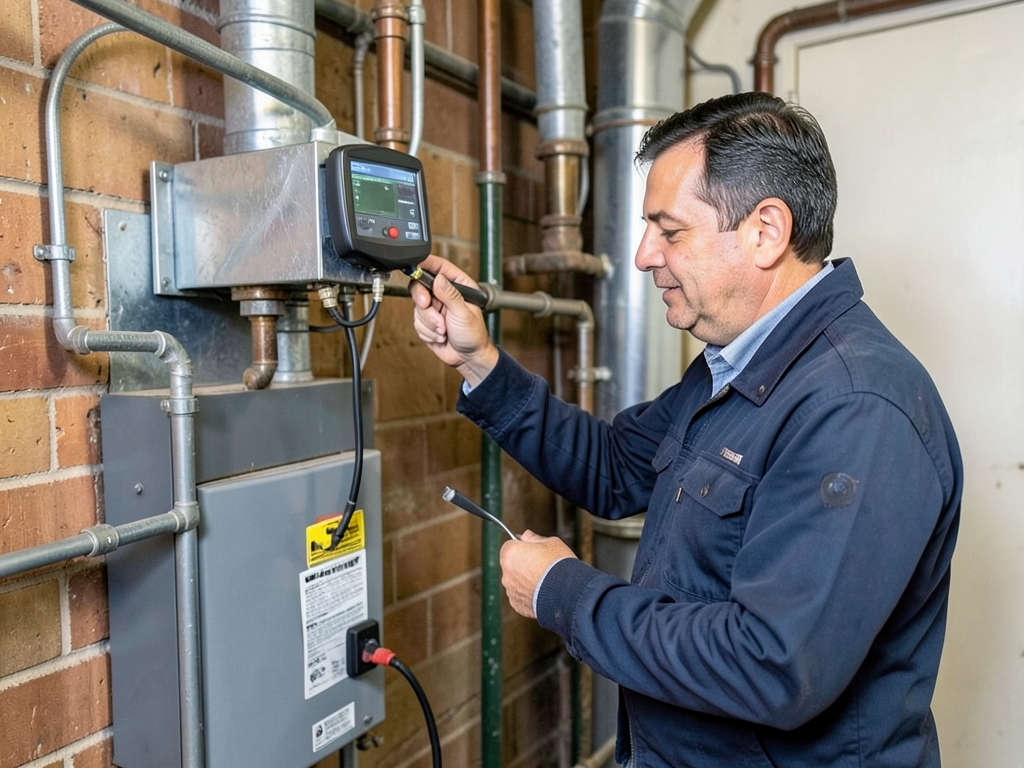
Static pressure is measured in inches of water column (WC). Most residential systems are designed for 0.5 WC. High-efficiency filters can increase this to 0.8 WC or higher, exceeding manufacturer specifications. A qualified HVAC technician can measure this using a manometer and recommend appropriate filter options.
Maintenance schedule for multi-pet households
Single-pet households should replace standard MERV 8 filters every 90 days. Homes with two or more pets need MERV 11 or higher filters replaced every 30 to 60 days. Check filters monthly during peak shedding seasons in spring and fall.
High humidity in Cleveland Park accelerates filter loading. Moisture causes dust and dander to clump together, creating a dense mat that restricts airflow. Homes near Rock Creek Park may need more frequent changes due to increased outdoor allergens mixing with indoor dander.
Track filter changes on your calendar. Set reminders for the first of each month during heavy shedding seasons. Replace filters immediately if you notice reduced airflow, increased dust on surfaces, or musty odors from vents.
Beyond filters: Whole-home air purification options
Electronic air cleaners installed in the return duct provide continuous filtration without the monthly replacement hassle. These units use charged plates to trap particles and can handle higher airflow than standard filters. Initial cost ranges from $600 to $1,200 installed.
UV light systems installed near the evaporator coil kill bacteria and mold spores that can grow on wet coil surfaces. While UV lights do not directly remove dander, they prevent the biological growth that makes dander allergies worse. Most systems use 36-watt bulbs that need replacement annually.
Whole-home dehumidifiers reduce the stickiness of dander particles, making them easier for filters to capture. Cleveland Park’s summer humidity often exceeds 70%, creating conditions where dander stays airborne longer. A 70-pint dehumidifier costs $1,200 to $1,800 installed but can reduce filter loading by 40%.
DC-specific considerations for pet owners
Washington DC building codes require minimum MERV 8 filtration for new HVAC installations. However, older Cleveland Park homes are grandfathered under previous standards. The EPA’s Energy Star program recommends MERV 13 for optimal indoor air quality, but this conflicts with some older system specifications.
DC’s humid subtropical climate (Köppen classification Cfa) means year-round moisture challenges. Winter heating dries indoor air, causing static electricity that makes dander particles airborne. Summer humidity has the opposite effect, causing particles to stick to surfaces and then release when disturbed. The Best Heating and Cooling Solutions for Adams Morgan Condos.
The American Lung Association reports that DC residents face higher-than-average indoor air quality challenges due to urban pollution mixing with household allergens. Pet dander becomes a carrier for outdoor pollutants, increasing the importance of proper filtration.
Cost-benefit analysis of filter upgrades
Standard MERV 8 filters cost $5 to $15 each and last 90 days. MERV 11 to 13 filters cost $15 to $40 each but last only 30 to 60 days. The annual cost difference is $60 to $160 for high-efficiency filters versus $20 to $60 for standard filters.
However, the health benefits often justify the cost. Allergy medication costs average $300 to $600 annually per person. Reduced symptoms can improve quality of life and productivity. The EPA estimates that improved indoor air quality provides $14 to $40 in health benefits per dollar spent on filtration.
Energy costs also factor in. High-efficiency filters can increase blower motor energy use by 10% to 15%. At DC’s average electricity rate of 15.5 cents per kilowatt-hour, this adds $30 to $50 annually to operating costs.
Professional assessment: When to call an expert
Schedule a professional assessment if your home experiences persistent dust despite regular cleaning, unusual HVAC odors, or if anyone in the household suffers from asthma or severe allergies. A qualified technician can perform a blower door test to measure actual airflow and recommend appropriate filtration.
Patriot HVAC technicians use thermal imaging cameras to identify air leaks that allow unfiltered air to bypass the filter system. They also measure temperature drops across the coil to ensure proper system operation with your chosen filter.
Professional duct cleaning every 3 to 5 years removes accumulated dander, dust, and debris from your system. This service costs $400 to $800 for most Cleveland Park homes and can improve system efficiency by 15% to 20%.
Seasonal considerations for Cleveland Park residents
Spring brings cherry blossom pollen that mixes with pet dander, creating a particularly irritating combination for allergy sufferers. During this season, consider upgrading to MERV 13 filters temporarily, then returning to MERV 11 for the rest of the year.
Fall shedding season coincides with ragweed pollen in DC. This dual allergen challenge often requires more frequent filter changes. Monitor your system’s performance and adjust replacement schedules based on visible dust accumulation and allergy symptoms.
Winter heating season concentrates indoor allergens as homes remain sealed. This is when high-efficiency filtration provides the most benefit. Summer humidity requires balancing filtration with adequate cooling performance, as clogged filters reduce AC efficiency when you need it most.
DIY filter testing and monitoring
Check filter effectiveness using the white sheet test. Place a white sheet near a vent for 24 hours. If it collects significant dust, your filter may not be capturing particles effectively. This simple test costs nothing and provides immediate feedback.
Monitor your energy bills for unexplained increases. A sudden 15% or higher jump in electricity usage often indicates airflow restrictions from clogged filters or system strain. Compare monthly usage to identify patterns.
Listen for changes in your HVAC system. Whistling sounds from vents or the air handler indicate restricted airflow. These noises often appear before system damage occurs, providing an early warning sign.
Common mistakes to avoid
Never install a filter with a MERV rating higher than your system was designed for. This causes the most common HVAC service call in Cleveland Park: motor burnout from restricted airflow. When in doubt, choose a lower MERV rating rather than risk system damage.
Do not ignore the filter size. Using the wrong dimensions allows air to bypass the filter entirely. Measure your existing filter or check the manufacturer’s specifications before purchasing replacements.
Avoid washing disposable filters. This damages the media and reduces effectiveness. Only washable filters specifically designed for cleaning should be washed, and even these lose efficiency over time.
Future trends in pet dander filtration
Smart filters with built-in sensors monitor airflow and particle capture in real-time. These units connect to smartphone apps that alert you when replacement is needed. Initial models cost $80 to $150 but eliminate the guesswork of filter changes.
Nanofiber technology promises MERV 16 performance with MERV 8 pressure drop. These advanced filters use electrospun fibers 100 times smaller than human hair to trap particles without restricting airflow. Commercial availability is expected by 2027.
Biodegradable filters made from plant-based materials address environmental concerns about disposable filter waste. These units perform comparably to standard filters while decomposing in landfills within 2 years versus 100+ years for traditional options.
Making the right choice for your home
Start with your specific needs. Homes with one pet and no allergy sufferers can use MERV 8 to 11 filters. Multiple pets or allergy sufferers need MERV 11 to 13. Consider your system’s age and condition before choosing the highest MERV rating available.
Factor in your lifestyle. Busy households may benefit from higher-quality filters that last longer between changes. Homes with indoor pets that shed heavily need more frequent monitoring regardless of filter type.
Remember that filtration is just one part of indoor air quality. Regular vacuuming, bathing pets, and maintaining proper humidity levels all contribute to reducing dander in your Cleveland Park home.
Frequently Asked Questions
What MERV rating is best for pet dander?
MERV 11 to 13 provides the best balance for pet dander removal. MERV 11 captures 80-85% of dander particles, while MERV 13 captures 90-95%. Higher ratings may restrict airflow in older Cleveland Park HVAC systems.
How often should I change my filter with pets?
Change filters every 30-60 days with one or two pets. Homes with three or more pets may need changes every 2-4 weeks. Check filters monthly during heavy shedding seasons in spring and fall.
Can high-efficiency filters damage my HVAC system?
Yes, if your system is not designed for high-MERV filtration. MERV 13+ filters can reduce airflow by 30% or more, causing blower motor strain and potential failure. Have a professional assess your system before upgrading.
Are washable filters better for pet owners?
Washable filters save money long-term but require monthly cleaning to maintain effectiveness. They typically provide MERV 8 performance, which may not be sufficient for severe allergies. Disposable high-MERV filters often work better for pet dander removal.
How much do high-efficiency filters cost?
MERV 11-13 filters cost $15-40 each and last 30-60 days. Annual costs range from $90-320 depending on replacement frequency. This is $60-260 more per year than standard MERV 8 filters, but provides significantly better dander removal.
Should I get my ducts cleaned if I have pets?
Yes, professional duct cleaning every 3-5 years removes accumulated dander and improves system efficiency. This service costs $400-800 for most Cleveland Park homes and can reduce airborne dander by 50-70%.
Do air purifiers help with pet dander?
Standalone HEPA air purifiers remove dander from specific rooms but do not treat the entire home. Whole-home purification systems integrated with your HVAC provide better coverage but cost $600-1,200 installed.
Take control of your indoor air quality today
Managing pet dander requires the right filter choice and proper system maintenance. Cleveland Park’s historic homes need special consideration to balance filtration with system longevity. Don’t let poor air quality affect your family’s health and comfort.
Call (771) 218-6322 today to schedule a professional HVAC assessment. Our technicians understand Cleveland Park’s unique housing stock and can recommend the optimal filtration solution for your specific system and pet situation. We’ll measure your static pressure, check system compatibility, and help you breathe easier in your home.
Pick up the phone and call (771) 218-6322 before the next heavy shedding season hits. Your pets deserve clean air too, and we can help make that happen without risking your HVAC system’s performance. For more information, visit ASHRAE air cleaning standards.
{
“@context”: “https://schema.org”,
“@type”: “BlogPosting”,
“headline”: “Managing extreme pet dander in your Cleveland Park home with high-efficiency filters”,
“description”: “Learn how to control pet dander in Cleveland Park’s historic homes with MERV 13+ filters, HEPA purifiers, and professional HVAC maintenance from Patriot HVAC.”,
“wordCount”: 2154,
“datePublished”: “2026-06-07T14:07:00.000Z”,
“dateModified”: “2026-06-07T14:07:00.000Z”,
“inLanguage”: “en-US”,
“mainEntityOfPage”: {
“@type”: “WebPage”,
“@id”: “https://patriothvacwashingtondc.com”
},
“publisher”: {
“@type”: “LocalBusiness”,
“name”: “Patriot HVAC Washington DC”,
“url”: “https://patriothvacwashingtondc.com”
},
“author”: {
“@type”: “Organization”,
“name”: “Patriot HVAC Washington DC”,
“url”: “https://patriothvacwashingtondc.com”
},
“image”: {
“@type”: “ImageObject”,
“url”: “https://patriothvacwashingtondc.com/wp-content/uploads/2026/03/managing-extreme-pet-dander-in-your-cleveland-park-1.png”
}
}
{
“@context”: “https://schema.org”,
“@type”: “HVACBusiness”,
“name”: “Patriot HVAC Washington DC”,
“url”: “https://patriothvacwashingtondc.com”,
“address”: {
“@type”: “PostalAddress”,
“addressLocality”: “Washington DC”
},
“areaServed”: {
“@type”: “City”,
“name”: “Washington DC”
}
}
{
“@context”: “https://schema.org”,
“@type”: “FAQPage”,
“mainEntity”: [
{
“@type”: “Question”,
“name”: “What MERV rating is best for pet dander?”,
“acceptedAnswer”: {
“@type”: “Answer”,
“text”: “MERV 11 to 13 provides the best balance for pet dander removal. MERV 11 captures 80-85% of dander particles, while MERV 13 captures 90-95%. Higher ratings may restrict airflow in older Cleveland Park HVAC systems.”
}
},
{
“@type”: “Question”,
“name”: “How often should I change my filter with pets?”,
“acceptedAnswer”: {
“@type”: “Answer”,
“text”: “Change filters every 30-60 days with one or two pets. Homes with three or more pets may need changes every 2-4 weeks. Check filters monthly during heavy shedding seasons in spring and fall.”
}
},
{
“@type”: “Question”,
“name”: “Can high-efficiency filters damage my HVAC system?”,
“acceptedAnswer”: {
“@type”: “Answer”,
“text”: “Yes, if your system is not designed for high-MERV filtration. MERV 13+ filters can reduce airflow by 30% or more, causing blower motor strain and potential failure. Have a professional assess your system before upgrading.”
}
},
{
“@type”: “Question”,
“name”: “Are washable filters better for pet owners?”,
“acceptedAnswer”: {
“@type”: “Answer”,
“text”: “Washable filters save money long-term but require monthly cleaning to maintain effectiveness. They typically provide MERV 8 performance, which may not be sufficient for severe allergies. Disposable high-MERV filters often work better for pet dander removal.”
}
},
{
“@type”: “Question”,
“name”: “How much do high-efficiency filters cost?”,
“acceptedAnswer”: {
“@type”: “Answer”,
“text”: “MERV 11-13 filters cost $15-40 each and last 30-60 days. Annual costs range from $90-320 depending on replacement frequency. This is $60-260 more per year than standard MERV 8 filters, but provides significantly better dander removal.”
}
},
{
“@type”: “Question”,
“name”: “Should I get my ducts cleaned if I have pets?”,
“acceptedAnswer”: {
“@type”: “Answer”,
“text”: “Yes, professional duct cleaning every 3-5 years removes accumulated dander and improves system efficiency. This service costs $400-800 for most Cleveland Park homes and can reduce airborne dander by 50-70%.”
}
},
{
“@type”: “Question”,
“name”: “Do air purifiers help with pet dander?”,
“acceptedAnswer”: {
“@type”: “Answer”,
“text”: “Standalone HEPA air purifiers remove dander from specific rooms but do not treat the entire home. Whole-home purification systems integrated with your HVAC provide better coverage but cost $600-1,200 installed.”
}
}
]
}
{
“@context”: “https://schema.org”,
“@type”: “BreadcrumbList”,
“itemListElement”: [
{
“@type”: “ListItem”,
“position”: 1,
“name”: “Home”,
“item”: “https://patriothvacwashingtondc.com”
},
{
“@type”: “ListItem”,
“position”: 2,
“name”: “Blog”,
“item”: “https://patriothvacwashingtondc.com/blog”
},
{
“@type”: “ListItem”,
“position”: 3,
“name”: “Managing extreme pet dander in your Cleveland Park home with high-efficiency filters”
}
]
}
{
“@context”: “https://schema.org”,
“@type”: “Service”,
“serviceType”: “HVAC”,
“provider”: {
“@type”: “LocalBusiness”,
“name”: “Patriot HVAC Washington DC”,
“url”: “https://patriothvacwashingtondc.com”
},
“areaServed”: {
“@type”: “City”,
“name”: “Washington DC”
},
“description”: “Learn how to control pet dander in Cleveland Park’s historic homes with MERV 13+ filters, HEPA purifiers, and professional HVAC maintenance from Patriot HVAC.”
}