
Keeping Your Columbia Heights Rental Property Cool All Summer Long
Columbia Heights landlords face a unique challenge every summer. The humid subtropical climate here means your rental units can turn into saunas when air conditioning systems struggle. With temperatures regularly climbing into the 90s and humidity levels making it feel even hotter, keeping your properties comfortable isn’t just about tenant satisfaction—it’s about protecting your investment.
The good news is that most cooling failures are predictable and preventable. By understanding the specific HVAC challenges in Columbia Heights rowhomes and taking proactive steps, you can avoid emergency service calls and keep your tenants happy throughout the hottest months. The Best Heating and Cooling Solutions for Adams Morgan Condos.
Common HVAC Problems in Columbia Heights Rowhomes
Columbia Heights features classic DC rowhome architecture with unique HVAC challenges. Many buildings were constructed between 1900 and 1940 with original ductwork that’s now undersized for modern cooling demands. The narrow lots and shared walls create additional heat transfer issues that newer construction doesn’t face. DC Department of Consumer and Regulatory Affairs.
Heat gain through uninsulated walls and single-pane windows can overwhelm even properly sized systems. Add in the fact that many units have aging refrigerant lines running through unconditioned spaces, and you have a recipe for cooling failures during peak summer demand.. Read more about Modern Cooling Solutions for Historic Mount Pleasant Properties.
Essential Pre-Summer Maintenance Checklist
Before temperatures hit 90 degrees, run through this maintenance checklist to prevent breakdowns:
- Change Air Filters
Replace all air filters with MERV 8-11 rated filters. Columbia Heights’ urban dust and pollen can clog filters quickly, reducing airflow and causing system strain.
- Clean Condenser Coils
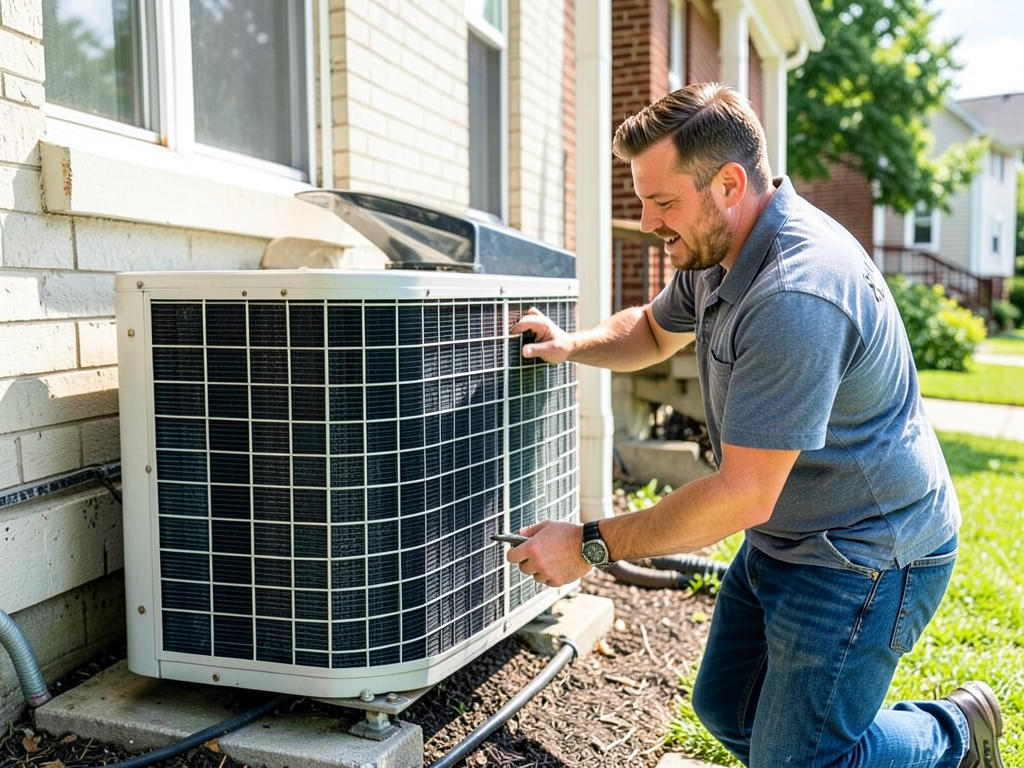
Remove debris, leaves, and urban grime from outdoor condenser units. Columbia Heights’ mature trees drop leaves and seeds that can block airflow.
- Check Refrigerant Levels
Low refrigerant causes poor cooling and can damage compressors. Small leaks in older copper lines are common in buildings over 50 years old.
- Test Thermostat Accuracy
Verify thermostats read correctly by comparing to a separate thermometer. Columbia Heights’ temperature variations can stress older HVAC systems. EPA.
- Inspect Ductwork
Look for disconnected ducts in unconditioned spaces. Many Columbia Heights rowhomes have ducts running through uninsulated basements or attics.
Upgrading Your Rental Property’s Cooling System
If your current system struggles to keep up, consider these Columbia Heights-specific upgrades:
High-Efficiency Heat Pumps work exceptionally well in DC’s climate. They provide both heating and cooling, which is perfect for Columbia Heights’ rowhomes that often lack space for separate systems. Modern units can achieve SEER2 ratings above 18, significantly reducing energy costs.
Ductless Mini-Split Systems are ideal for rowhomes with difficult duct configurations. They eliminate the energy losses from leaky ductwork and allow zone cooling for different tenant preferences. Installation is less invasive than traditional systems.
Smart Thermostats help tenants manage cooling costs while preventing the system from running constantly. Programmable setbacks during work hours can reduce energy consumption by 10-15%.
Tenant Education for Better System Performance
Many cooling issues stem from tenant behavior rather than equipment failure. Provide your tenants with a simple guide covering:
- Changing air filters every 60-90 days
- Keeping windows closed when AC is running
- Setting thermostats to 78°F when home, higher when away
- Reporting unusual noises or reduced cooling immediately
Clear communication prevents minor issues from becoming major repairs and helps tenants understand their role in system maintenance.. Read more about Finding a Trusted HVAC Repair Service Near Logan Circle.
Energy Efficiency Improvements That Pay Off
Beyond the HVAC system itself, several improvements can reduce cooling loads:
Window Treatments – Install reflective blinds or solar shades on south-facing windows. Columbia Heights’ afternoon sun can add 10-15 degrees to room temperatures.
Attic Insulation – Many rowhomes have minimal attic insulation. Adding R-38 insulation can reduce cooling costs by 20-30%.
Air Sealing – Seal gaps around windows, doors, and electrical outlets. Columbia Heights’ older construction often has significant air leakage.
Emergency Response Planning
Even with preventive maintenance, systems can fail during heat waves. Have a plan that includes:
Emergency Contact Information – Provide tenants with 24/7 HVAC emergency numbers. Post signs in common areas.
Backup Cooling Options – Consider providing window fans or portable AC units for temporary relief during repairs.
Insurance Coverage – Review your property insurance to ensure it covers HVAC emergency repairs and temporary housing if needed.
Cost-Benefit Analysis of Maintenance vs. Replacement
Table 1 shows the typical cost ranges for common cooling system issues in Columbia Heights:
| Issue | Repair Cost Range | System Age When Common |
|---|---|---|
| Refrigerant Recharge | $250 – $600 | 5-15 years |
| Capacitor Replacement | $150 – $350 | 3-10 years |
| Compressor Replacement | $1,200 – $2,500 | 8-15 years |
| Complete System Replacement | $4,500 – $8,500 | 15+ years |
Table 2 compares energy costs for different SEER2 ratings in a typical Columbia Heights rowhome:
| SEER2 Rating | Annual Cooling Cost | Energy Savings vs. 10 SEER |
|---|---|---|
| 10 (Old System) | $900 | 0% |
| 14 (Standard Efficiency) | $643 | 29% |
| 18 (High Efficiency) | $500 | 44% |
| 21 (Premium Efficiency) | $429 | 52% |
Local Building Code Considerations
Columbia Heights falls under DC’s strict building codes for HVAC modifications. Any system replacement must comply with:
DC Energy Conservation Code – Requires minimum SEER2 ratings based on system type and building age. Historic district properties may have additional constraints.
DC Mechanical Code – Mandates proper refrigerant handling, duct insulation, and ventilation requirements. Work must be performed by EPA-certified technicians.
Historic Preservation Guidelines – Exterior modifications in Columbia Heights historic districts require approval from the Historic Preservation Office. Condenser placement must not alter the building’s character.
Seasonal Preparation Timeline
Follow this timeline to ensure your rental properties are ready for summer:
- Early Spring (March)
Schedule professional maintenance before the rush. Technicians are less busy and can perform thorough inspections.
- Late Spring (May)
Test cooling systems on a warm day. Address any issues before peak demand hits.
- Early Summer (June)
Replace air filters and clean outdoor units. Check that tenants understand basic system operation.
Choosing the Right HVAC Contractor
Not all HVAC contractors understand Columbia Heights’ unique challenges. Look for contractors who:
- Have experience with historic DC rowhome systems
- Employ EPA-certified technicians
- Offer 24/7 emergency service
- Provide detailed maintenance reports
- Understand DC building codes and permit requirements
Ask for references from other Columbia Heights property owners and verify their licensing with DC’s Department of Consumer and Regulatory Affairs.
Technology Integration for Modern Property Management
Smart building technology can help you monitor and manage multiple rental properties:
Remote Monitoring Systems allow you to track energy usage and system performance across all your properties. Get alerts when systems run inefficiently or when filters need replacement.
Tenant Apps enable tenants to report issues immediately with photos and descriptions. This speeds up diagnosis and repair scheduling.
Preventive Maintenance Scheduling software can automatically schedule seasonal tune-ups and filter replacements based on system usage and local climate patterns.
Financial Planning for HVAC Systems
Plan for the inevitable by setting aside funds for HVAC maintenance and eventual replacement. Consider:
Annual Maintenance Budget – Set aside $150-300 per unit annually for preventive maintenance.
Replacement Reserve – Plan for system replacement every 15-20 years. Set aside $25-50 per month per unit.
Energy Rebates – DC offers rebates for high-efficiency HVAC installations. These can offset 10-30% of replacement costs.
Call to Action
Don’t wait until the first heat wave to discover your rental property’s cooling system can’t keep up. Call (771) 218-6322 today to schedule a comprehensive HVAC inspection. Our Columbia Heights specialists will identify potential problems before they become emergencies and help you create a cooling strategy that keeps your tenants comfortable all summer long.
Pick up the phone and call (771) 218-6322 before the next storm hits. We’re standing by to help Columbia Heights landlords protect their investments and keep their rental units cool through even the hottest DC summers.
Frequently Asked Questions
How often should I replace air filters in my Columbia Heights rental?
Replace air filters every 60-90 days in Columbia Heights rentals. The urban environment creates more dust and pollen than suburban areas, causing filters to clog faster. During peak summer months, consider replacing them every 30-45 days for optimal system performance.
What’s the ideal thermostat setting for rental properties in DC?
Set thermostats to 78°F when tenants are home and 80-85°F when away. This balances comfort with energy efficiency. In Columbia Heights’ humid climate, proper humidity control is as important as temperature. Ensure your system can maintain both.
How can I tell if my rental’s AC system needs replacement?
Watch for these signs: cooling bills increasing despite no rate changes, uneven cooling between rooms, systems over 15 years old, frequent repairs, or if your current system struggles to maintain 78°F on moderately hot days. A professional assessment can determine if repair or replacement is more cost-effective.
You may also find this helpful. Finding Reliable Emergency AC Repair in Capitol Hill DC During a Heatwave.
You may also find this helpful. Residential Air Quality Testing and Filtration in Columbia Heights.
{
“@context”: “https://schema.org”,
“@type”: “BlogPosting”,
“headline”: “Keeping Your Columbia Heights Rental Property Cool All Summer Long”,
“description”: “Expert HVAC tips for Columbia Heights landlords to prevent tenant complaints and keep rental units comfortable through DC’s humid summers. Call (771) 218-6322.”,
“wordCount”: 1426,
“datePublished”: “2026-02-23T12:18:00.000Z”,
“dateModified”: “2026-02-23T12:18:00.000Z”,
“inLanguage”: “en-US”,
“mainEntityOfPage”: {
“@type”: “WebPage”,
“@id”: “https://patriothvacwashingtondc.com”
},
“publisher”: {
“@type”: “LocalBusiness”,
“name”: “Patriot HVAC Washington DC”,
“url”: “https://patriothvacwashingtondc.com”
},
“author”: {
“@type”: “Organization”,
“name”: “Patriot HVAC Washington DC”,
“url”: “https://patriothvacwashingtondc.com”
},
“image”: {
“@type”: “ImageObject”,
“url”: “https://patriothvacwashingtondc.com/wp-content/uploads/2026/03/keeping-your-columbia-heights-rental-property-cool-1.png”
}
}
{
“@context”: “https://schema.org”,
“@type”: “HVACBusiness”,
“name”: “Patriot HVAC Washington DC”,
“url”: “https://patriothvacwashingtondc.com”,
“address”: {
“@type”: “PostalAddress”,
“addressLocality”: “Washington DC”
},
“areaServed”: {
“@type”: “City”,
“name”: “Washington DC”
}
}
{
“@context”: “https://schema.org”,
“@type”: “FAQPage”,
“mainEntity”: [
{
“@type”: “Question”,
“name”: “How often should I replace air filters in my Columbia Heights rental?”,
“acceptedAnswer”: {
“@type”: “Answer”,
“text”: “Replace air filters every 60-90 days in Columbia Heights rentals. The urban environment creates more dust and pollen than suburban areas, causing filters to clog faster. During peak summer months, consider replacing them every 30-45 days for optimal system performance.”
}
},
{
“@type”: “Question”,
“name”: “What’s the ideal thermostat setting for rental properties in DC?”,
“acceptedAnswer”: {
“@type”: “Answer”,
“text”: “Set thermostats to 78°F when tenants are home and 80-85°F when away. This balances comfort with energy efficiency. In Columbia Heights’ humid climate, proper humidity control is as important as temperature. Ensure your system can maintain both.”
}
},
{
“@type”: “Question”,
“name”: “How can I tell if my rental’s AC system needs replacement?”,
“acceptedAnswer”: {
“@type”: “Answer”,
“text”: “Watch for these signs: cooling bills increasing despite no rate changes, uneven cooling between rooms, systems over 15 years old, frequent repairs, or if your current system struggles to maintain 78°F on moderately hot days. A professional assessment can determine if repair or replacement is more cost-effective.”
}
}
]
}
{
“@context”: “https://schema.org”,
“@type”: “HowTo”,
“name”: “Summer HVAC Maintenance Checklist”,
“step”: [
{
“@type”: “HowToStep”,
“position”: 1,
“name”: “Change Air Filters”,
“text”: “Replace all air filters with MERV 8-11 rated filters. Columbia Heights’ urban dust and pollen can clog filters quickly, reducing airflow and causing system strain.”
},
{
“@type”: “HowToStep”,
“position”: 2,
“name”: “Clean Condenser Coils”,
“text”: “Remove debris, leaves, and urban grime from outdoor condenser units. Columbia Heights’ mature trees drop leaves and seeds that can block airflow.”
},
{
“@type”: “HowToStep”,
“position”: 3,
“name”: “Check Refrigerant Levels”,
“text”: “Low refrigerant causes poor cooling and can damage compressors. Small leaks in older copper lines are common in buildings over 50 years old.”
},
{
“@type”: “HowToStep”,
“position”: 4,
“name”: “Test Thermostat Accuracy”,
“text”: “Verify thermostats read correctly by comparing to a separate thermometer. Columbia Heights’ temperature variations can stress older HVAC systems. EPA.”
},
{
“@type”: “HowToStep”,
“position”: 5,
“name”: “Inspect Ductwork”,
“text”: “Look for disconnected ducts in unconditioned spaces. Many Columbia Heights rowhomes have ducts running through uninsulated basements or attics.”
}
],
“image”: “https://patriothvacwashingtondc.com/wp-content/uploads/2026/03/keeping-your-columbia-heights-rental-property-cool-1.png”
}
{
“@context”: “https://schema.org”,
“@type”: “BreadcrumbList”,
“itemListElement”: [
{
“@type”: “ListItem”,
“position”: 1,
“name”: “Home”,
“item”: “https://patriothvacwashingtondc.com”
},
{
“@type”: “ListItem”,
“position”: 2,
“name”: “Blog”,
“item”: “https://patriothvacwashingtondc.com/blog”
},
{
“@type”: “ListItem”,
“position”: 3,
“name”: “Keeping Your Columbia Heights Rental Property Cool All Summer Long”
}
]
}
{
“@context”: “https://schema.org”,
“@type”: “Service”,
“serviceType”: “HVAC”,
“provider”: {
“@type”: “LocalBusiness”,
“name”: “Patriot HVAC Washington DC”,
“url”: “https://patriothvacwashingtondc.com”
},
“areaServed”: {
“@type”: “City”,
“name”: “Washington DC”
},
“description”: “Expert HVAC tips for Columbia Heights landlords to prevent tenant complaints and keep rental units comfortable through DC’s humid summers. Call (771) 218-6322.”
}