
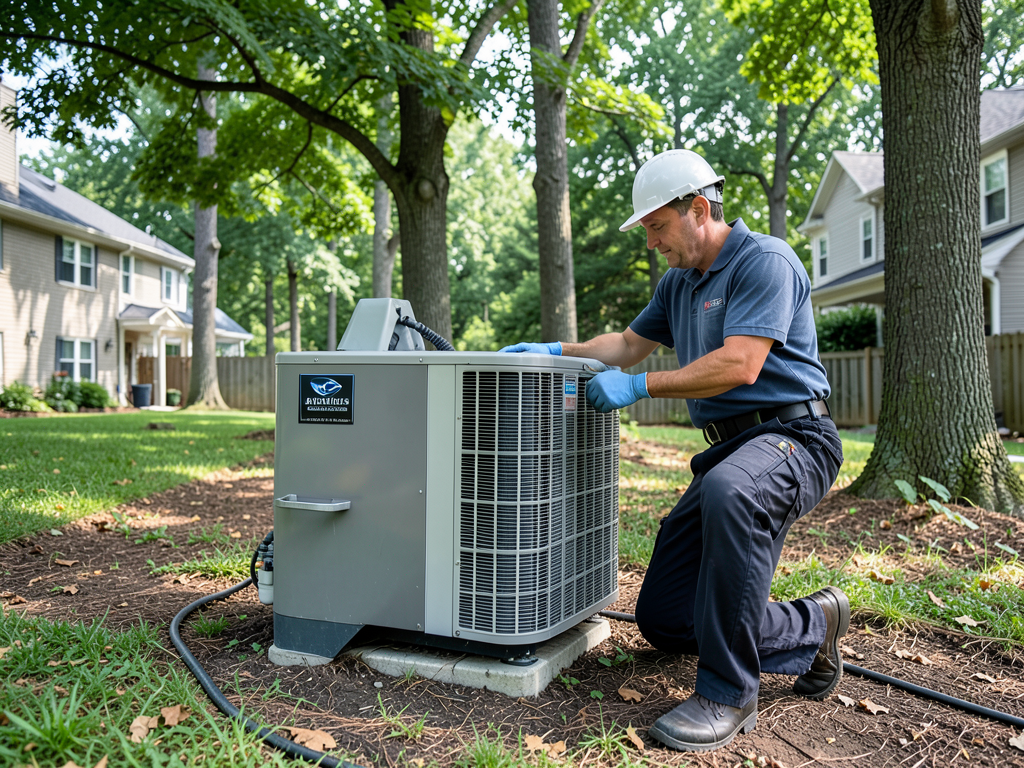
Finding the Quietest AC Units for Your Forest Hills Backyard
Living in Forest Hills means enjoying tree-lined streets spacious lots and a peaceful suburban atmosphere. But when summer heat hits Washington DC a loud air conditioner can shatter that tranquility. The good news is that modern AC technology has made dramatic strides in reducing outdoor noise levels. Today’s quietest units operate at sound levels comparable to a normal conversation letting you keep your cool without disturbing your neighbors or backyard gatherings. DC HVAC permit requirements.
Sound levels are measured in decibels (dB) and for residential air conditioners anything under 60 dB is considered quiet. To put that in perspective a normal conversation registers around 60 dB while a vacuum cleaner runs at about 70 dB. The quietest central air conditioning units for Forest Hills homes typically range from 50-58 dB making them barely noticeable during operation.
Why Noise Matters in Forest Hills
Forest Hills is known for its mature trees large properties and close-knit community feel. Many homes sit on lots where outdoor living spaces are just feet from property lines. In this setting a loud AC condenser can travel across yards and become a source of tension with neighbors. Additionally Washington DC’s noise ordinances (DC Municipal Regulations Title 20 Chapter 27) set specific limits on outdoor equipment noise particularly during evening hours. DC Historic Preservation Office.
The humid subtropical climate of the DC area also plays a role. High humidity means your AC runs longer cycles and older louder units can become particularly noticeable during these extended operation periods. The combination of Forest Hills’ quiet character and DC’s challenging climate makes noise reduction a priority for many homeowners.
Top Quiet Central Air Conditioning Units for Forest Hills Homes
Several manufacturers now offer ultra-quiet central air conditioning systems specifically designed for residential comfort. Here are the top performers that combine whisper-quiet operation with the efficiency needed for Washington DC’s climate:
| Model | Decibel Rating | SEER2 Rating | Key Features |
|---|---|---|---|
| Lennox SL28XCV | 45-55 dB | 28 | Variable-speed compressor sound-dampening panels |
| Carrier Infinity 26 | 51-58 dB | 26 | Greenspeed intelligence insulated compressor |
| Trane XV18 | 56-68 dB | 18 | ComfortLink II technology sound insulator |
| Daikin Fit | 52-62 dB | 20 | Compact design inverter technology |
The Lennox SL28XCV stands out as the quietest option operating at levels comparable to a library. Its variable-speed compressor adjusts output to match cooling demand eliminating the loud startup sounds common in older units. The Carrier Infinity 26 with Greenspeed intelligence offers similar quiet performance while providing excellent humidity control for DC’s muggy summers. The Best Heating and Cooling Solutions for Adams Morgan Condos.
The Science Behind Quiet AC Operation
Modern quiet air conditioners achieve their whisper-quiet performance through several key technologies. The most important is the variable-speed compressor which replaces the traditional single-stage compressor that turns on at full power or off completely. Variable-speed units can operate at 25-100% capacity running longer at lower speeds rather than cycling on and off at full blast. Short Cycling.
Sound blankets wrap the compressor absorbing vibrations that would otherwise create noise. Aerodynamic fan blades reduce air turbulence which is a major source of operational noise. Some premium units also feature composite base pans that prevent sound from traveling through the unit’s foundation into your home or neighboring properties.
Inverter technology found in many Japanese brands like Daikin and Mitsubishi takes quiet operation a step further. These systems use DC power and advanced electronics to control compressor speed with incredible precision resulting in sound levels as low as 45 dB during normal operation.
Installation Factors That Affect AC Noise in Forest Hills
Even the quietest AC unit can become a noise problem if not installed correctly. In Forest Hills where many homes have mature landscaping and specific setback requirements proper placement is crucial. The condenser should be positioned away from bedroom windows and outdoor living areas when possible.
Vibration isolation is critical for preventing noise transfer through shared walls or foundations. Anti-vibration pads under the condenser can reduce noise transmission by up to 50%. For Forest Hills homes with brick or stone foundations this step is particularly important as these materials can amplify vibrations.
Proper refrigerant line sizing also affects noise levels. Undersized lines force the compressor to work harder increasing both energy consumption and operational noise. A professional load calculation ensures your system is neither oversized (which causes short cycling and increased noise) nor undersized (which leads to constant loud operation).
Cost vs. Value: Investing in Quiet Comfort
Ultra-quiet AC units typically cost 15-30% more than standard models but the investment pays dividends in several ways. First the advanced technology that reduces noise also increases efficiency. Units with SEER2 ratings above 20 can cut cooling costs by 30-50% compared to 10-15 year old systems.
Noise reduction also has tangible quality-of-life benefits. Better sleep more peaceful outdoor gatherings and improved neighbor relations are all valuable outcomes. For Forest Hills residents who work from home or have young children the quiet operation can significantly improve daily comfort.
Many utility companies in the DC area offer rebates for high-efficiency systems which can offset some of the initial cost premium. The federal tax credits available through the Inflation Reduction Act also apply to qualifying high-efficiency units providing additional savings. Federal tax credits for HVAC.
DC-Specific Considerations for Forest Hills Installations
Washington DC’s unique building environment creates specific challenges for AC installations. Many Forest Hills homes are historic properties with strict exterior modification guidelines. The DC Historic Preservation Office requires approval for any visible changes to historic homes which can affect condenser placement and screening options.
The city’s high water table and clay soil can impact installation. Proper concrete pads with moisture barriers prevent settling and vibration transfer. In areas prone to flooding elevated mounting may be necessary to protect the unit from water damage during heavy rains.
DC’s electrical grid experiences significant summer load during heat waves. High-efficiency variable-speed units place less strain on the system and are less likely to cause voltage fluctuations that can damage sensitive electronics in your home.
Maintenance Tips to Keep Your AC Quiet
Even the best-installed quiet AC unit can become noisy over time without proper maintenance. Regular cleaning of the condenser coils prevents the fan from working harder than necessary which reduces both energy consumption and noise. Bent or dirty fan blades create imbalance and vibration leading to increased operational noise.
Annual professional maintenance should include checking refrigerant levels as low refrigerant forces the compressor to work harder and louder. Lubricating moving parts and tightening electrical connections also prevents the rattles and hums that develop over time.
Cleaning or replacing air filters every 1-3 months ensures proper airflow preventing the system from straining and creating unnecessary noise. A clogged filter can increase system noise by up to 15% and reduce efficiency significantly.
Local Expertise Makes the Difference
Installing a quiet AC system in Forest Hills requires understanding both the technology and the local environment. DC-certified technicians are familiar with the specific challenges of the area from historic preservation requirements to the impact of local soil conditions on installation.
Professional installation ensures your system meets all DC building codes and manufacturer specifications. Improper installation can void warranties and lead to premature system failure. A qualified technician will also help you navigate any historic district requirements and ensure your new system complies with all local regulations.
The right contractor will perform a detailed load calculation considering factors like your home’s orientation insulation levels and even the mature trees that provide natural shade in Forest Hills. This comprehensive approach ensures you get the right size system for optimal performance and minimal noise. How to Choose the Right Air Conditioning Replacement for Your Foggy Bottom Townhouse.
Making Your Decision
Choosing the quietest AC unit for your Forest Hills home involves balancing several factors: your budget the specific noise requirements of your property and the efficiency needs of Washington DC’s climate. While the upfront cost of ultra-quiet high-efficiency units is higher the combination of energy savings improved comfort and better neighbor relations often justifies the investment.
Consider scheduling a professional assessment to determine which system best fits your home’s specific needs. A qualified technician can evaluate your current system assess your property’s unique characteristics and recommend the optimal solution for quiet efficient cooling.
Ready to enjoy peaceful efficient cooling in your Forest Hills backyard? Call (771) 218-6322 today to schedule your quiet home consultation. Our DC-certified technicians will help you find the perfect balance of whisper-quiet operation and reliable comfort for your specific needs. Finding Reliable Emergency AC Repair in Capitol Hill DC During a Heatwave.
Frequently Asked Questions
How quiet is a 50 dB air conditioner compared to everyday sounds?
A 50 dB air conditioner is about as loud as a quiet library or gentle rainfall. It’s significantly quieter than a normal conversation (60 dB) and much quieter than a vacuum cleaner (70 dB). At this level you might not even notice the unit is running.
Will a quiet AC unit still cool my home effectively in DC’s heat?
Absolutely. Quiet AC units achieve their low noise levels through advanced technology like variable-speed compressors but they maintain excellent cooling capacity. Many ultra-quiet units actually cool more effectively than older louder models while using less energy.
Do I need a permit to replace my AC unit in Forest Hills?
Yes Washington DC requires permits for HVAC replacements. A licensed contractor will handle the permitting process ensuring your new system meets all local building codes and historic preservation requirements if applicable to your property.
How long does it take to install a new quiet AC system?
Most residential AC replacements take 1-2 days. The process includes removing the old unit installing the new system connecting electrical and refrigerant lines and testing for proper operation. Complex installations or historic homes may require additional time.
What maintenance does a quiet AC system require?
Quiet AC systems require the same basic maintenance as standard units: annual professional service regular filter changes and keeping the outdoor unit clear of debris. The advanced components in quiet systems may benefit from more frequent professional check-ups to maintain optimal performance.
{
“@context”: “https://schema.org”,
“@type”: “BlogPosting”,
“headline”: “Finding the Quietest AC Units for Your Forest Hills Backyard”,
“description”: “Discover ultra-quiet AC units perfect for Forest Hills homes. Learn about decibel levels, installation tips, and local DC regulations for peaceful cooling.”,
“wordCount”: 1690,
“datePublished”: “2026-03-19T08:05:00.000Z”,
“dateModified”: “2026-03-19T08:05:00.000Z”,
“inLanguage”: “en-US”,
“mainEntityOfPage”: {
“@type”: “WebPage”,
“@id”: “https://patriothvacwashingtondc.com”
},
“publisher”: {
“@type”: “LocalBusiness”,
“name”: “Patriot HVAC Washington DC”,
“url”: “https://patriothvacwashingtondc.com”
},
“author”: {
“@type”: “Organization”,
“name”: “Patriot HVAC Washington DC”,
“url”: “https://patriothvacwashingtondc.com”
},
“image”: {
“@type”: “ImageObject”,
“url”: “https://patriothvacwashingtondc.com/wp-content/uploads/2026/03/finding-the-quietest-ac-units-for-your-forest-hill-1.png”
}
}
{
“@context”: “https://schema.org”,
“@type”: “HVACBusiness”,
“name”: “Patriot HVAC Washington DC”,
“url”: “https://patriothvacwashingtondc.com”,
“address”: {
“@type”: “PostalAddress”,
“addressLocality”: “Washington DC”
},
“areaServed”: {
“@type”: “City”,
“name”: “Washington DC”
}
}
{
“@context”: “https://schema.org”,
“@type”: “FAQPage”,
“mainEntity”: [
{
“@type”: “Question”,
“name”: “How quiet is a 50 dB air conditioner compared to everyday sounds?”,
“acceptedAnswer”: {
“@type”: “Answer”,
“text”: “A 50 dB air conditioner is about as loud as a quiet library or gentle rainfall. It’s significantly quieter than a normal conversation (60 dB) and much quieter than a vacuum cleaner (70 dB). At this level you might not even notice the unit is running.”
}
},
{
“@type”: “Question”,
“name”: “Will a quiet AC unit still cool my home effectively in DC’s heat?”,
“acceptedAnswer”: {
“@type”: “Answer”,
“text”: “Absolutely. Quiet AC units achieve their low noise levels through advanced technology like variable-speed compressors but they maintain excellent cooling capacity. Many ultra-quiet units actually cool more effectively than older louder models while using less energy.”
}
},
{
“@type”: “Question”,
“name”: “Do I need a permit to replace my AC unit in Forest Hills?”,
“acceptedAnswer”: {
“@type”: “Answer”,
“text”: “Yes Washington DC requires permits for HVAC replacements. A licensed contractor will handle the permitting process ensuring your new system meets all local building codes and historic preservation requirements if applicable to your property.”
}
},
{
“@type”: “Question”,
“name”: “How long does it take to install a new quiet AC system?”,
“acceptedAnswer”: {
“@type”: “Answer”,
“text”: “Most residential AC replacements take 1-2 days. The process includes removing the old unit installing the new system connecting electrical and refrigerant lines and testing for proper operation. Complex installations or historic homes may require additional time.”
}
},
{
“@type”: “Question”,
“name”: “What maintenance does a quiet AC system require?”,
“acceptedAnswer”: {
“@type”: “Answer”,
“text”: “Quiet AC systems require the same basic maintenance as standard units: annual professional service regular filter changes and keeping the outdoor unit clear of debris. The advanced components in quiet systems may benefit from more frequent professional check-ups to maintain optimal performance.”
}
}
]
}
{
“@context”: “https://schema.org”,
“@type”: “BreadcrumbList”,
“itemListElement”: [
{
“@type”: “ListItem”,
“position”: 1,
“name”: “Home”,
“item”: “https://patriothvacwashingtondc.com”
},
{
“@type”: “ListItem”,
“position”: 2,
“name”: “Blog”,
“item”: “https://patriothvacwashingtondc.com/blog”
},
{
“@type”: “ListItem”,
“position”: 3,
“name”: “Finding the Quietest AC Units for Your Forest Hills Backyard”
}
]
}
{
“@context”: “https://schema.org”,
“@type”: “Service”,
“serviceType”: “HVAC”,
“provider”: {
“@type”: “LocalBusiness”,
“name”: “Patriot HVAC Washington DC”,
“url”: “https://patriothvacwashingtondc.com”
},
“areaServed”: {
“@type”: “City”,
“name”: “Washington DC”
},
“description”: “Discover ultra-quiet AC units perfect for Forest Hills homes. Learn about decibel levels, installation tips, and local DC regulations for peaceful cooling.”
}