
Converting Your Deanwood Home from Window Units to Central Air
Replacing window air conditioners with central air conditioning in Deanwood DC is one of the smartest home improvements you can make this year. If you live in one of Deanwood’s classic brick bungalows or craftsman-style homes built between the 1920s and 1950s, you know the struggle of managing multiple window units every summer. They block natural light, create security risks, and drive up your electric bill. Central air offers consistent cooling, better air quality, and increased property value while eliminating the hassle of seasonal window unit installation. DC Sustainable Energy Utility.
The conversion process for Deanwood homes requires careful planning since many properties lack existing ductwork. Most homes in this Northeast DC neighborhood were built with radiator heating systems and never had forced-air cooling. That means installing central air involves creating new duct pathways through walls, floors, and ceilings while preserving the historic character of your home. The good news is that modern high-velocity systems and mini-split options make this upgrade possible even in tight spaces where traditional ductwork won’t fit. The Best Heating and Cooling Solutions for Adams Morgan Condos.
Deanwood’s specific housing stock presents both challenges and opportunities for HVAC conversion. The neighborhood’s brick construction and mature tree canopy create unique cooling demands. Summer humidity combined with heat retention in brick walls means your system needs to handle both temperature and moisture control effectively. Plus, many Deanwood homes sit on lots with limited outdoor space, requiring creative condenser placement that complies with DC Historic Preservation Office guidelines.
Why Deanwood Homeowners Are Converting to Central Air
Window units have been the default cooling solution in Deanwood for decades, but they come with serious drawbacks. Each summer you wrestle with heavy units, risk damaging window frames, and create security vulnerabilities by leaving windows partially open. Central air eliminates these problems while providing superior comfort. The system runs quietly, cools every room evenly, and filters indoor air to remove pollen, dust, and other allergens that plague DC residents during spring and summer.
Property values in Deanwood have been steadily rising, and central air conditioning has become a must-have feature for many buyers. Homes with modern HVAC systems typically sell faster and command higher prices than those relying on window units. The investment often pays for itself through increased home equity, reduced energy bills, and the elimination of annual window unit replacement costs.
Deanwood’s climate makes central air particularly valuable. The neighborhood experiences Washington DC’s characteristic hot, humid summers where temperatures regularly climb above 90 degrees with high humidity levels. Window units struggle to maintain comfortable indoor conditions in these conditions, often leaving rooms feeling muggy even when the temperature reads cool. Central air systems with proper dehumidification capabilities keep your home truly comfortable year-round.
Our Retrofit Process for Deanwood Architecture
Converting a Deanwood home from window units to central air requires a methodical approach that respects the neighborhood’s architectural character. Most Deanwood properties are single-story or split-level brick bungalows with plaster walls and hardwood floors. These construction methods create specific challenges for ductwork installation since you can’t simply cut large openings in finished walls without causing extensive damage.
The first step involves a comprehensive home assessment where we evaluate your existing heating system, floor plan, and structural conditions. Many Deanwood homes still use hot water radiators connected to a boiler in the basement. We determine whether it makes sense to keep the boiler and add cooling or convert to a heat pump system that handles both heating and cooling. This assessment also identifies the best locations for air handlers, ductwork, and outdoor condensers while considering DC building code requirements and historic district guidelines. Boiler Services.
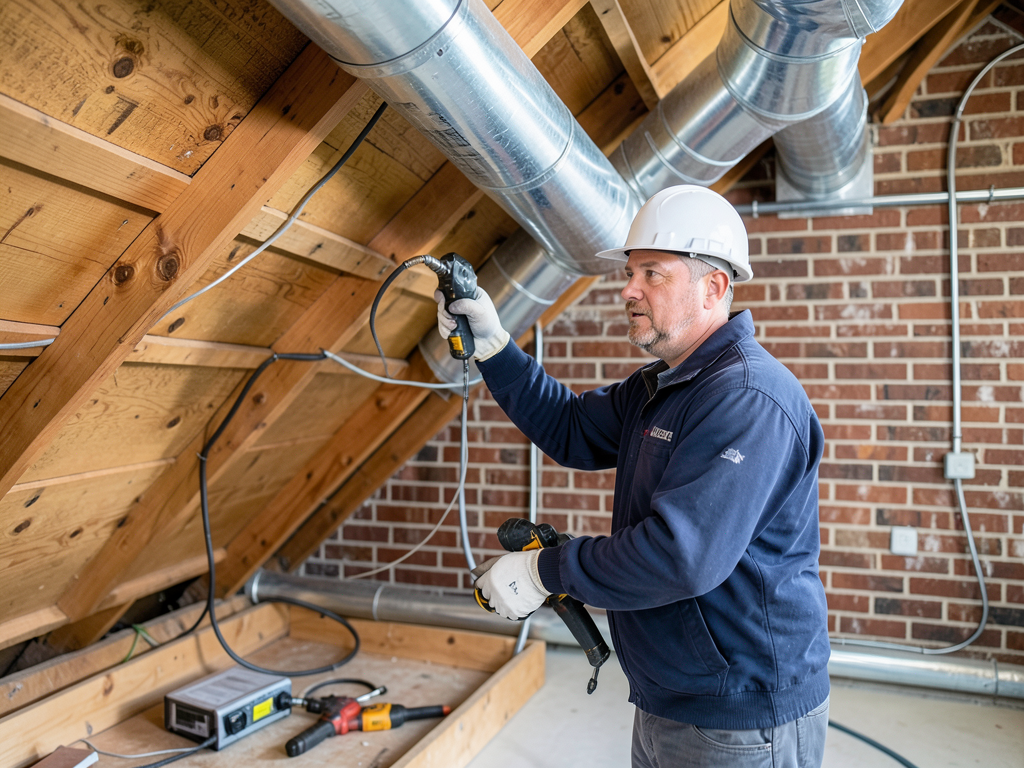
For homes with limited space, we often recommend high-velocity HVAC systems like Unico or SpacePak. These systems use small, flexible ducts that fit inside existing wall cavities and between floor joists. The main supply ducts are only about 3 inches in diameter compared to traditional ducts that require 6-12 inch openings. This approach minimizes demolition and preserves your home’s original finishes while still delivering powerful cooling throughout the house.
Central Air vs. Ductless Mini-Splits: Which Is Right for Your DC Home?
Choosing between traditional central air and ductless mini-split systems depends on your home’s layout and your comfort preferences. Central air provides whole-house cooling through a network of ducts and a single thermostat, creating consistent temperatures throughout your home. Ductless mini-splits use individual wall-mounted units in each room connected to an outdoor compressor, offering room-by-room temperature control.
For Deanwood’s older homes, ductless mini-splits often make more sense than traditional central air. Many properties lack the space for conventional ductwork, and the cost of creating new duct pathways can be substantial. Mini-splits eliminate this problem entirely while providing excellent energy efficiency. Modern mini-split systems achieve SEER2 ratings above 20, significantly higher than typical central air systems rated at 16-18 SEER2.
However, central air offers advantages that some homeowners prefer. The system operates through hidden ductwork rather than visible wall units, maintaining your home’s aesthetic appeal. Central air also provides better air filtration since all air passes through a single high-quality filter before circulating throughout the house. For larger Deanwood homes over 2,000 square feet, central air typically costs less to operate than multiple mini-split units.. Read more about Affordable AC Tune-Ups for Homeowners in Anacostia and Southeast DC.
Navigating DC Permits and PEPCO Rebates
Installing central air in Washington DC requires proper permitting through the Department of Buildings. The permit process ensures your installation meets current energy efficiency standards and safety requirements. For Deanwood homes, you’ll need to submit detailed plans showing equipment locations, ductwork routes, and electrical upgrades. The DOB typically processes HVAC permits within 5-10 business days if all documentation is complete.
PEPCO offers substantial rebates for energy-efficient HVAC upgrades in DC. Current programs provide up to $500 for installing high-efficiency central air systems that meet SEER2 requirements. These rebates apply to both traditional central air and qualifying ductless mini-split installations. To qualify, your new system must achieve minimum efficiency ratings and be installed by a licensed DC contractor. PEPCO energy rebates.
The DC Sustainable Energy Utility (DCSEU) provides additional incentives for homeowners converting from less efficient cooling methods. These programs can cover up to $1,500 of your conversion costs when you replace window units with qualifying central air or heat pump systems. The application process requires submitting your contractor’s invoice and equipment specifications, but the savings make the paperwork worthwhile.
Local building codes also affect your conversion project. DC requires minimum duct insulation R-values, proper condensate drainage, and specific clearance distances for outdoor equipment. Homes in historic districts like parts of Deanwood face additional restrictions on condenser placement and exterior modifications. Working with a contractor familiar with DC’s specific requirements prevents costly mistakes and ensures your project passes inspection on the first attempt.
Cost Factors for HVAC Conversion in Washington DC
Converting from window units to central air in Deanwood typically costs between $8,000 and $18,000 depending on your home’s size and the complexity of installation. Several factors influence the final price. Homes requiring extensive ductwork modifications or electrical upgrades will cost more than those with existing infrastructure that can be adapted. The choice between traditional central air, high-velocity systems, or mini-splits also significantly impacts your budget.
High-velocity systems generally cost $12,000 to $20,000 for a typical Deanwood home. While more expensive upfront than conventional ductwork, they often save money by avoiding demolition and finish work. Mini-split installations range from $5,000 to $12,000 for whole-house coverage, with costs varying based on the number of indoor units required. Traditional central air with new ductwork typically falls in the $10,000 to $16,000 range.
Energy efficiency upgrades can reduce long-term operating costs significantly. Modern systems with SEER2 ratings above 18 use 20-30% less electricity than older units or window air conditioners. Over a typical 15-year system lifespan, these savings can offset much of the initial investment. Plus, you’ll avoid the annual costs of purchasing, maintaining, and storing window units.
Financing options make the conversion more accessible for Deanwood homeowners. Many HVAC contractors offer payment plans, and some local credit unions provide home improvement loans with favorable terms for energy efficiency upgrades. When combined with available rebates and the increased home value, these financing options can make central air conversion surprisingly affordable.
Why Choose Patriot HVAC for Your Deanwood HVAC Upgrade?
Patriot HVAC brings over 15 years of experience serving Washington DC neighborhoods, including extensive work in Deanwood’s unique housing stock. We understand the specific challenges of converting older homes from window units to central air, from navigating DC building codes to preserving historic architectural details. Our technicians are NATE-certified and licensed as DC Master Tradesmen, ensuring your installation meets all local requirements.
We’ve completed dozens of successful conversions in Deanwood, transforming homes from window unit dependence to efficient central cooling. Our process includes detailed heat load calculations specific to your home’s construction, careful planning for ductwork integration, and coordination with all necessary permits and inspections. We handle everything from initial assessment through final testing, so you can enjoy reliable cooling without the hassle. Finding Reliable Emergency AC Repair in Capitol Hill DC During a Heatwave.
Our commitment to Deanwood homeowners goes beyond installation. We provide comprehensive maintenance plans to keep your new system running efficiently for years to come. Plus, we’re familiar with local rebate programs and handle all the paperwork to maximize your savings. When you choose Patriot HVAC, you’re working with a team that understands Deanwood’s specific needs and delivers solutions that work for your home and budget. How to Choose the Right Air Conditioning Replacement for Your Foggy Bottom Townhouse.
Don’t wait until next summer to upgrade your cooling system. The conversion process takes 2-4 weeks from start to finish, and scheduling now ensures your home will be ready when temperatures rise. Call (771) 218-6322 today to schedule your free assessment and take the first step toward comfortable, efficient central air conditioning in your Deanwood home.
Frequently Asked Questions
How long does it take to convert from window units to central air?
The complete conversion process typically takes 2-4 weeks, depending on the complexity of your installation. This includes the initial assessment, permit acquisition, equipment installation, and final inspections. Most homeowners can expect 3-5 days of active work in their home once the project begins.
Will I need to replace my existing heating system?
Not necessarily. Many Deanwood homes with boiler heating can keep their existing system and simply add cooling. However, if your boiler is old or inefficient, converting to a heat pump system that handles both heating and cooling might be more cost-effective in the long run.
Are there any DC-specific requirements I should know about?
Yes. DC requires permits for all central air installations, and homes in historic districts face additional restrictions on equipment placement and exterior modifications. The DCSEU also offers specific rebates for energy-efficient upgrades that aren’t available in surrounding jurisdictions.
What’s the difference between SEER and SEER2 ratings?
SEER2 is the updated efficiency rating system that more accurately reflects real-world operating conditions. It uses improved testing procedures that account for factors like coil load and fan energy consumption. All new systems installed in 2023 and later must meet SEER2 standards rather than the older SEER ratings.
Can I install central air myself to save money?
No. DC building codes require all HVAC installations to be performed by licensed contractors. DIY installation is illegal and can result in fines, failed inspections, and potentially dangerous operating conditions. Professional installation also ensures you qualify for manufacturer warranties and available rebates.
{
“@context”: “https://schema.org”,
“@type”: “BlogPosting”,
“headline”: “Converting Your Deanwood Home from Window Units to Central Air”,
“description”: “Thinking about converting from window units to central air in Deanwood DC? Learn about the process, costs, rebates, and why this upgrade makes sense for your NE DC home.”,
“wordCount”: 1922,
“datePublished”: “2026-03-21T10:49:00.000Z”,
“dateModified”: “2026-03-21T10:49:00.000Z”,
“inLanguage”: “en-US”,
“mainEntityOfPage”: {
“@type”: “WebPage”,
“@id”: “https://patriothvacwashingtondc.com”
},
“publisher”: {
“@type”: “LocalBusiness”,
“name”: “Patriot HVAC Washington DC”,
“url”: “https://patriothvacwashingtondc.com”
},
“author”: {
“@type”: “Organization”,
“name”: “Patriot HVAC Washington DC”,
“url”: “https://patriothvacwashingtondc.com”
},
“image”: {
“@type”: “ImageObject”,
“url”: “https://patriothvacwashingtondc.com/wp-content/uploads/2026/03/converting-your-deanwood-home-from-window-units-to-1.png”
}
}
{
“@context”: “https://schema.org”,
“@type”: “HVACBusiness”,
“name”: “Patriot HVAC Washington DC”,
“url”: “https://patriothvacwashingtondc.com”,
“address”: {
“@type”: “PostalAddress”,
“addressLocality”: “Washington DC”
},
“areaServed”: {
“@type”: “City”,
“name”: “Washington DC”
}
}
{
“@context”: “https://schema.org”,
“@type”: “FAQPage”,
“mainEntity”: [
{
“@type”: “Question”,
“name”: “Central Air vs. Ductless Mini-Splits: Which Is Right for Your DC Home?”,
“acceptedAnswer”: {
“@type”: “Answer”,
“text”: “Choosing between traditional central air and ductless mini-split systems depends on your home’s layout and your comfort preferences. Central air provides whole-house cooling through a network of ducts and a single thermostat, creating consistent temperatures throughout your home. Ductless mini-splits use individual wall-mounted units in each room connected to an outdoor compressor, offering room-by-room temperature control.”
}
},
{
“@type”: “Question”,
“name”: “Why Choose Patriot HVAC for Your Deanwood HVAC Upgrade?”,
“acceptedAnswer”: {
“@type”: “Answer”,
“text”: “Patriot HVAC brings over 15 years of experience serving Washington DC neighborhoods, including extensive work in Deanwood’s unique housing stock. We understand the specific challenges of converting older homes from window units to central air, from navigating DC building codes to preserving historic architectural details. Our technicians are NATE-certified and licensed as DC Master Tradesmen, ensuring your installation meets all local requirements.”
}
},
{
“@type”: “Question”,
“name”: “How long does it take to convert from window units to central air?”,
“acceptedAnswer”: {
“@type”: “Answer”,
“text”: “The complete conversion process typically takes 2-4 weeks, depending on the complexity of your installation. This includes the initial assessment, permit acquisition, equipment installation, and final inspections. Most homeowners can expect 3-5 days of active work in their home once the project begins.”
}
},
{
“@type”: “Question”,
“name”: “Will I need to replace my existing heating system?”,
“acceptedAnswer”: {
“@type”: “Answer”,
“text”: “Not necessarily. Many Deanwood homes with boiler heating can keep their existing system and simply add cooling. However, if your boiler is old or inefficient, converting to a heat pump system that handles both heating and cooling might be more cost-effective in the long run.”
}
},
{
“@type”: “Question”,
“name”: “Are there any DC-specific requirements I should know about?”,
“acceptedAnswer”: {
“@type”: “Answer”,
“text”: “Yes. DC requires permits for all central air installations, and homes in historic districts face additional restrictions on equipment placement and exterior modifications. The DCSEU also offers specific rebates for energy-efficient upgrades that aren’t available in surrounding jurisdictions.”
}
},
{
“@type”: “Question”,
“name”: “What’s the difference between SEER and SEER2 ratings?”,
“acceptedAnswer”: {
“@type”: “Answer”,
“text”: “SEER2 is the updated efficiency rating system that more accurately reflects real-world operating conditions. It uses improved testing procedures that account for factors like coil load and fan energy consumption. All new systems installed in 2023 and later must meet SEER2 standards rather than the older SEER ratings.”
}
},
{
“@type”: “Question”,
“name”: “Can I install central air myself to save money?”,
“acceptedAnswer”: {
“@type”: “Answer”,
“text”: “No. DC building codes require all HVAC installations to be performed by licensed contractors. DIY installation is illegal and can result in fines, failed inspections, and potentially dangerous operating conditions. Professional installation also ensures you qualify for manufacturer warranties and available rebates.”
}
}
]
}
{
“@context”: “https://schema.org”,
“@type”: “BreadcrumbList”,
“itemListElement”: [
{
“@type”: “ListItem”,
“position”: 1,
“name”: “Home”,
“item”: “https://patriothvacwashingtondc.com”
},
{
“@type”: “ListItem”,
“position”: 2,
“name”: “Blog”,
“item”: “https://patriothvacwashingtondc.com/blog”
},
{
“@type”: “ListItem”,
“position”: 3,
“name”: “Converting Your Deanwood Home from Window Units to Central Air”
}
]
}
{
“@context”: “https://schema.org”,
“@type”: “Service”,
“serviceType”: “HVAC”,
“provider”: {
“@type”: “LocalBusiness”,
“name”: “Patriot HVAC Washington DC”,
“url”: “https://patriothvacwashingtondc.com”
},
“areaServed”: {
“@type”: “City”,
“name”: “Washington DC”
},
“description”: “Thinking about converting from window units to central air in Deanwood DC? Learn about the process, costs, rebates, and why this upgrade makes sense for your NE DC home.”
}